


Readers Theater: The Secret Tool for Social Studies
I wanted to write “Readers Theater: The Secret Tool for Social Studies” because so many teachers are searching for new ways to keep students engaged in social studies. When most teachers hear “Readers Theater,” they picture ELA fluency, reading or drama class, or a fun break from routine. But Readers Theater is far more powerful than that—especially in the social studies classroom.
Social studies is filled with people, decisions, and moments that shaped the world. Readers Theater brings those stories to life.


Why It Works
Personally, I believe Readers Theater is one of the most useful teaching tools we teachers have at our disposal. First, Readers Theater requires no costumes, sets, and maybe most importantly–no memorization. (I’m aware that I am repetitive here, but not having to memorize lines could be the single greatest asset of Readers Theater.) Talking about making it easy on the teacher! Plus, students remain seated and bring characters to life using only their voices. Stay seated, you say? Plus, everyone faces forward. Consequently, there is not much opportunity for shenanigans. Since the pressure of performance is removed, even shy or reluctant learners can participate successfully.
It’s simple, low-prep, and high-engagement—just what teachers need when the curriculum feels heavy.


✅ 1. Readers Theater Builds Historical Empathy
As we know, understanding history is more than memorizing dates. I remember when I was in social studies class, I had a difficult time with all of the facts. Students learn why people behaved as they did, how they felt, and what values shaped their choices.
Here’s a tip: When students “step into” a historical figure’s role—even just by reading lines—they connect emotionally with the past. That’s powerful.
-
What did enslaved families risk on the Underground Railroad?
-
How did immigrant children feel arriving at Ellis Island?
-
What was it like to hear Lincoln’s words at Gettysburg?
Readers Theater turns history from a timeline into a human experience.


✅ 2. It Gives Voice to Multiple Perspectives
Good social studies teaching includes multiple viewpoints. Readers Theater makes that visible and audible.
A script can feature:
-
Leaders and everyday citizens
-
Soldiers, nurses, and workers–Veterans Day One Act
-
Children’s voices from different cultures–check out Magic Lake (a Peruvian story about a little girl who saves the prince)
-
Opposing sides of an issue–It Could Always Be Worse is an excellent example of being grateful
Students begin to recognize that history isn’t one story—it’s many. I find that learning that other cultures have the same issues that I have makes me feel better about my particular issue at the time.


✅ 3. It Supports ELLs and Struggling Readers
Because students read aloud together, Readers Theater:
-
Encourages repeated reading (which boosts comprehension)
-
Builds vocabulary naturally
-
Strengthens speaking and listening skills
-
Reduces anxiety—no memorization, no performing alone
ELL students in particular benefit from hearing fluent reading modeled by classmates while having the chance to participate at their comfort level. About twenty years ago, I sponsored an ESL Drama Club. What a tremendous experience that was. We performed a Readers Theater script by Aaron Shepherd.

✅ 4. It Turns Primary Sources Into Something Students Can Understand
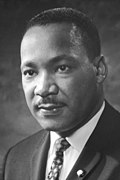
Primary documents are rich—but intimidating. Once a student is intimidated, they can’t learn. Readers Theater helps teachers “translate” them into accessible language without losing meaning. For example, a student could learn about Martin Luther King through a Readers Theater script.
A script can simplify:
-
Speeches
-
Letters
-
Newspaper accounts
-
Diaries
-
Oral histories
Additionally, if a teacher uses the Readers Theater script for a performance, such the Martin Luther King holiday, students begin to internalize content instead of just decoding it. I know that when my teachers used Readers Theater in our classes, I remembered the information much more easily.


✅ 5. It Encourages Collaboration and Critical Thinking
Social studies is filled with cause and effect, motives, and outcomes. Readers Theater takes those ideas off the page and puts them into dialogue, letting students hear history instead of just reading about it.
After a script, students can discuss:
-
Who had power in the situation?
-
What choices did characters have? Li Chi The Serpent Slayer is a fantastic Chinese folk tale about a girl volunteering herself to save her village.
-
What might you have done differently?
-
What bias or point of view appears in the story?


How Readers Theater Turns Passive Readers into Powerful Thinkers
Suddenly, they’re not just reading history—they’re interrogating it. When students interrogate information—asking questions, challenging assumptions, and discussing why events happened—they are no longer passive receivers of content. They become active thinkers. That shift builds confidence.
-
They learn that their ideas and questions matter.
When students are encouraged to question the text, they begin to trust their own reasoning. Without a doubt, trusting one’s self is monumentally important. -
They discover they can figure things out on their own.
Instead of waiting for the teacher to supply answers, they explore possibilities and defend their thinking. For that reason, their sense of ownership becomes a heady experience. One experience a students doesn’t easily forget! -
They practice speaking up.
Discussing motives, cause and effect, and different perspectives helps students find their voice and participate more boldly. Using Readers Theater as the vehicle for your teaching is a sly way to engage students. Personally, I think it is magical. -
They realize there is not always one “right answer.”
In social studies, interpretation is part of learning. When students see that they can contribute, analyze, and debate, their confidence grows. Additionally, as confidence grows, a teacher may discover that the most reluctant student feels comfortable speaking up. Readers Theater is non-threatening.
Additionally, interrogating information isn’t just academic—it’s empowering. Readers Theater makes this even more accessible because students hear viewpoints aloud, react to them, and respond in real time. As a result, that experience helps them feel capable, engaged, and confident in the classroom. And…it’s effortless teaching, I promise you.


✅ Ideas for Using Readers Theater in Social Studies
-
Biographies (Harriet Tubman, Cesar Chavez, Sojourner Truth, Eleanor Roosevelt)
-
World cultures and holidays ( Día de (los) Muertos–Day of the Dead)
-
Indigenous stories and oral traditions (How the Bee Got Its Singer-a Cherokee Creation Myth)
-
Immigration experiences
-
Civil Rights Movement
-
World War II home front
-
Constitutional Convention debates
-
Historical folktales and legends ( The Fall of the Spider Man–a Canadian Folk Tale)
Short scripts can be used during:
-
Introduction to a Unit
-
Stations
-
Friday fun days
-
Sub plans
-
Intervention groups
-
Literacy centers
-
Class performance days
✅ Final Thoughts
I hope you’ll consider including Readers Theater scripts into your social studies curriculum. Social studies should never feel like a silent subject. It should be full of voices, stories, and perspectives.
Readers Theater does exactly that—bringing history to life in a way that is meaningful, accessible, and unforgettable.
How have you used Readers Theater in your social studies classroom? I’d love to hear about it. Feel free to email me at DhcBaldwin@gmail.com


