• Skip to primary navigation
  • Skip to main content
  • Skip to footer

Join Me in my new Facebook Group! https://www.facebook.com/groups/417126059784261

Menu
  • Meet Deb – The Heart Behind DramaMommaSpeaks
    • Work with Me! 
    • Photo Gallery of DramaMommaSpeaks
    • Directorial Credits
  • I Give Book Talks! 
    • Book Talk Through Skype
    • Books
  • Freebies!
  • Bumbling Bea
  • Teaching Resume
  • Acting Resume
  • Contact Me
  • Blog
    • Drama Education
    • Arts Education
    • Youth Theatre
    • Middle Grades
    • Musical Theatre
    • Teaching
  • Meet Deb – The Heart Behind DramaMommaSpeaks
    • Work with Me! 
    • Photo Gallery of DramaMommaSpeaks
    • Directorial Credits
  • I Give Book Talks! 
    • Book Talk Through Skype
    • Books
  • Freebies!
  • Bumbling Bea
  • Teaching Resume
  • Acting Resume
  • Contact Me
  • Blog
    • Drama Education
    • Arts Education
    • Youth Theatre
    • Middle Grades
    • Musical Theatre
    • Teaching

listening skills

Readers Theater: The Secret Tool for Social Studies

November 7, 2025 By dhcbaldwin Leave a Comment

Readers Theater: The Secret Tool for Social Studies

I wanted to write “Readers Theater: The Secret Tool for Social Studies” because so many teachers are searching for new ways to keep students engaged in social studies. When most teachers hear “Readers Theater,” they picture ELA fluency, reading  or drama class, or a fun break from routine. But Readers Theater is far more powerful than that—especially in the social studies classroom.

Social studies is filled with people, decisions, and moments that shaped the world. Readers Theater brings those stories to life.

Readers Theater: The Secret Tool for Social Studies

Why It Works

Personally, I believe Readers Theater is one of the most useful teaching tools we teachers have at our disposal. First, Readers Theater requires no costumes, sets, and maybe most importantly–no memorization. (I’m aware that I am repetitive here, but not having to memorize lines could be the single greatest asset of Readers Theater.) Talking about making it easy on the teacher! Plus, students remain seated and bring characters to life using only their voices. Stay seated, you say?  Plus, everyone faces forward.  Consequently, there is not much opportunity for shenanigans.  Since the pressure of performance is removed, even shy or reluctant learners can participate successfully.

It’s simple, low-prep, and high-engagement—just what teachers need when the curriculum feels heavy.

Readers Theater: The Secret Tool for Social Studies


✅ 1. Readers Theater Builds Historical Empathy

As we know, understanding history is more than memorizing dates. I remember when I was in social studies class, I had a difficult time with all of the facts.  Students learn why people behaved as they did, how they felt, and what values shaped their choices.

Here’s a tip:  When students “step into” a historical figure’s role—even just by reading lines—they connect emotionally with the past. That’s powerful. 

  • What did enslaved families risk on the Underground Railroad?

  • How did immigrant children feel arriving at Ellis Island?

  • What was it like to hear Lincoln’s words at Gettysburg?

Readers Theater turns history from a timeline into a human experience.

Readers Theater: The Secret Tool for Social Studies


✅ 2. It Gives Voice to Multiple Perspectives

Good social studies teaching includes multiple viewpoints. Readers Theater makes that visible and audible.

A script can feature:

  • Leaders and everyday citizens

  • Soldiers, nurses, and workers–Veterans Day One Act

  • Children’s voices from different cultures–check out Magic Lake (a Peruvian story about a little girl who saves the prince)

  • Opposing sides of an issue–It Could Always Be Worse is an excellent example of being grateful

Students begin to recognize that history isn’t one story—it’s many. I find that learning that other cultures have the same issues that I have makes me feel better about my particular issue at the time.

Readers Theater: The Secret Tool for Social Studies
My ESL Drama Club in Smithton Middle School, 2001

✅ 3. It Supports ELLs and Struggling Readers

Because students read aloud together, Readers Theater:

  • Encourages repeated reading (which boosts comprehension)

  • Builds vocabulary naturally

  • Strengthens speaking and listening skills

  • Reduces anxiety—no memorization, no performing alone

ELL students in particular benefit from hearing fluent reading modeled by classmates while having the chance to participate at their comfort level. About twenty years ago, I sponsored an ESL Drama Club.  What a tremendous experience that was.  We performed a Readers Theater script by Aaron Shepherd. 
Readers Theater: The Secret Tool for Social Studies


✅ 4. It Turns Primary Sources Into Something Students Can Understand

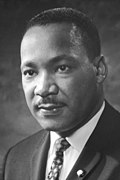
Primary documents are rich—but intimidating. Once a student is intimidated, they can’t learn.  Readers Theater helps teachers “translate” them into accessible language without losing meaning. For example, a student could learn about Martin Luther King through a Readers Theater script.  

A script can simplify:

  • Speeches

  • Letters

  • Newspaper accounts

  • Diaries

  • Oral histories

Additionally, if a teacher uses the Readers Theater script for a performance, such the Martin Luther King holiday, students begin to internalize content instead of just decoding it. I know that when my teachers used Readers Theater in our classes, I remembered the information much more easily.

Readers Theater: The Secret Tool for Social Studies


✅ 5. It Encourages Collaboration and Critical Thinking

Social studies is filled with cause and effect, motives, and outcomes. Readers Theater takes those ideas off the page and puts them into dialogue, letting students hear history instead of just reading about it.

After a script, students can discuss:

  • Who had power in the situation?

  • What choices did characters have? Li Chi The Serpent Slayer is a fantastic Chinese folk tale about a girl volunteering herself to save her village.

  • What might you have done differently?

  • What bias or point of view appears in the story?

Readers Theater: The Secret Tool for Social Studies

How Readers Theater Turns Passive Readers into Powerful Thinkers

Suddenly, they’re not just reading history—they’re interrogating it. When students interrogate information—asking questions, challenging assumptions, and discussing why events happened—they are no longer passive receivers of content. They become active thinkers. That shift builds confidence.

  • They learn that their ideas and questions matter.
    When students are encouraged to question the text, they begin to trust their own reasoning. Without a doubt, trusting one’s self is monumentally important.

  • They discover they can figure things out on their own.
    Instead of waiting for the teacher to supply answers, they explore possibilities and defend their thinking. For that reason, their sense of ownership becomes a heady experience.  One experience a students doesn’t easily forget!

  • They practice speaking up.
    Discussing motives, cause and effect, and different perspectives helps students find their voice and participate more boldly. Using Readers Theater as the vehicle for your teaching is a sly way to engage students. Personally, I think it is magical.

  • They realize there is not always one “right answer.”
    In social studies, interpretation is part of learning. When students see that they can contribute, analyze, and debate, their confidence grows. Additionally, as confidence grows, a teacher may discover that the most reluctant student feels comfortable speaking up.  Readers Theater is non-threatening.

Additionally, interrogating information isn’t just academic—it’s empowering. Readers Theater makes this even more accessible because students hear viewpoints aloud, react to them, and respond in real time. As a result, that experience helps them feel capable, engaged, and confident in the classroom. And…it’s effortless teaching, I promise you.


✅ Ideas for Using Readers Theater in Social Studies

  • Biographies (Harriet Tubman, Cesar Chavez, Sojourner Truth, Eleanor Roosevelt)

  • World cultures and holidays ( Día de (los) Muertos–Day of the Dead)

  • Indigenous stories and oral traditions (How the Bee Got Its Singer-a Cherokee Creation Myth)

  • Immigration experiences

  • Civil Rights Movement

  • World War II home front

  • Constitutional Convention debates

  • Historical folktales and legends ( The Fall of the Spider Man–a Canadian Folk Tale)

Short scripts can be used during:

  • Introduction to a Unit

  • Stations

  • Friday fun days

  • Sub plans

  • Intervention groups

  • Literacy centers

  • Class performance days


✅ Final Thoughts

I hope you’ll consider including Readers Theater scripts into your social studies curriculum. Social studies should never feel like a silent subject. It should be full of voices, stories, and perspectives.

Readers Theater does exactly that—bringing history to life in a way that is meaningful, accessible, and unforgettable.

How have you used Readers Theater in your social studies classroom?  I’d love to hear about it.  Feel free to email me at DhcBaldwin@gmail.com

   Have you heard the news?  We’re Live! Radio Theater #101 was awarded a 5 star review of excellence.  Get your copy here! We’re Live! Radio Theater #101

Share this:

  • Share on Tumblr (Opens in new window) Tumblr
  • More
  • Share on X (Opens in new window) X
  • Share on Facebook (Opens in new window) Facebook
  • Share on Pinterest (Opens in new window) Pinterest
  • Share on LinkedIn (Opens in new window) LinkedIn
  • Email a link to a friend (Opens in new window) Email
  • Share on Reddit (Opens in new window) Reddit
  • Share on Telegram (Opens in new window) Telegram
  • Share on WhatsApp (Opens in new window) WhatsApp

Like this:

Like Loading...

Filed Under: arts integration, drama education, drama integration, Education, Education, elementary, English Language Learners, excellence in teaching, gifted and talented, middle grades, multiculturalism, readers theater, reading skills, Teacherspayteachers, Teaching, teaching strategies Tagged With: elementary school, listening skills, Middle school, multiculturalism, readers theater, social studies, speaking skills

Scary Radio Plays for High School Students to Perform

January 18, 2024 By dhcbaldwin Leave a Comment

Blog post cover with scary hands reaching for the camera.

Adapting spooky radio plays for high school students to perform is a skill in which I excel. I’ve adapted short stories, folk tales and even original works for over thirty-eight years. In that time, I found that high school love to scare themselves and others.  However, before we do so, let’s talk about royalties.  There are no royalties to pay if you use my scripts.  I’d appreciate either a resource review or mention in your program if you produce this for the public.

Did you know I have the secret to boosting student engagement?  My new book, “We’re Live! Radio Theater #101” explains my journey to implementing this unique tool in the classroom. Check it out here or pick up a FREE sample here.

Now let’s get to the scoop-

Frankenstein’s Mystery

Scary Radio Plays for High School Students to Perform

Frankenstein’s Mystery is an electrifying radio play that resurrects Mary Shelley‘s timeless tale in a mesmerizing audio experience,  combining classic storytelling with the dynamic world of radio theater. This production offers a comprehensive package that not only delivers a riveting performance but also provides valuable resources for directors, actors, and educators. If you decide to perform for the public, there are no royalties to pay.

The Story:

Frankenstein’s Mystery begins where the original story leaves off. Victor Frankenstein brings to life his monster much to the surprise of his beautiful fiancé, Elizabeth, and a party of scientists and esteemed professors. Everyone is impressed and this makes Frankenstein proud.  However, there is one fatal flaw in the monster which Frankenstein hadn’t considered–the monster is lonely and will do anything to get a friend.

Scary Radio Plays for High School Students to Perform

The Product

A Note to the Director: Immerse yourself in the director’s guide, providing insights into the creative vision, thematic exploration, and directorial tips to bring the production to life.

Mary Shelley – A Short Bio: Gain a deeper understanding of Shelley, the prolific author whose works have inspired this radio play. Explore the background that shaped her literary contributions.

Adapted Specifically for the Classroom: Having taught and directed for over thirty-eight years, I know a teacher’s challenges when needing a script for a large number.

Sound Effects List and Suggestions: Access a curated list of live sound effects crucial for creating an immersive audio experience. Receive expert suggestions on how to effectively integrate these sounds to enhance the drama. Many a reluctant students has enjoy participating by using the live sound effects.  Need a lesson about sound effects? Check it out here.

Cover of free checklist of radio theater live sound effects.

More Handouts in the Radio Play Resource

Music Suggestions with Links: Elevate the auditory experience with carefully selected music suggestions accompanied by links. Explore the synergy between soundscapes and storytelling.

How to Stage a Radio Play with Floor Plan: Navigate the logistics of radio theater production with a detailed floor plan guide. Maximize the potential of your space while adhering to the unique requirements of staging a radio play.

Radio Theater Terms: Familiarize yourself with essential radio theater terminology, including terms like “up and under.” Enhance your understanding of the technical aspects that contribute to a seamless production.

20-Page Radio Play Script: Immerse yourself in a captivating script, meticulously crafted by an award-winning author. The script includes sound and music cues, providing a comprehensive framework for a compelling performance.

Corny Commercials: Inject humor and authenticity into the play with three corny commercials. Alternatively, customize the commercials by incorporating your students’ own creations, adding a personalized touch to the production.

“Frankenstein’s Mystery” is not just a radio play; it’s a complete theatrical package designed to empower directors, engage actors, and captivate audiences through the artistry of radio theater. Dive into a world where the lines between imagination and reality blur, and the power of sound reigns supreme.

The Monkey’s Paw

Scary Radio Plays for High School Students to Perform

How about a radio drama script adapted from W.W. Jacob’s class, gothic story, The Monkey’s Paw? 

This twenty-five script has 23 +roles (including crew) and was adapted especially for the classroom. Strengthen your students’ listening, speaking, and reading skills all at once. It’s a one stop shop!

“The Monkey’s Paw” is a horror short story by English author W. W. Jacobs, first published in the collection The Lady of the Barge in 1902. In the story, three wishes are granted to the owner of The Monkey’s Paw, but the wishes come with an enormous price for interfering with fate.

Like the Frankenstein resource, this resources everything you’d need to be successful.  Would it be nice to ease your burden knowing you’ve got a lesson which works every time?

The Cast of Amontillado

The Cask of Amontillado radio theater unit adapted by Deborah Baldwin

Adapted from Edgar Allen Poe’s classic, gothic story, The Cask of Amontillado, this script has 15 + roles (plus crew) and was written especially for the upper middle school classroom!

The Cask of Amontillado is a story of revenge, deceit, and murder, as Montresor tricks a drunk Fortunato by trapping him inside an ancient catacomb. Poe’s story uses irony in the writing elements of his characters and setting.

I like to include information in my resources which students may not be aware. This resource includes information about the catacombs.  If you’d like to learn more about how to use radio theater effectively, check out: Ten Facts About Radio Theater That Will Blow Your Mind

Scary Radio Plays for High School Students to Perform

Why do we like to frighten ourselves?

According to an article in Forbes.com, “You get an adrenaline rush. Experiencing fear triggers the body’s fight, flight or freeze response, leading to the release of adrenaline. This can be exhilarating and pleasurable for many people, as it can make them feel more alert and alive.”

“The gene associated with the reward neurons in the amygdala is involved in dopamine signaling — and dopamine is the neurotransmitter responsible for pleasure. It is not just dopamine and oxytocin that contribute to the post-scare high. People also experience a rush of endorphins following a scare.” Thanks to Medicalnewstoday.com for this bit of wisdom.

Scary Radio Plays for High School Students to Perform

Looking for something FREE from Dramamommaspeaks?  Pick up this handy  free checklist of live sound effects websites.

Still not convinced? 

Dramamommaspeaks

Read what others think:

This is such a wonderfully funny script! My students absolutely loved acting out this play as a class! Fun, engaging, and very well written!
— Madison M.
Rated 5 out of 5
Thank you for these fun activities. My students are really going to enjoy acting out this Radio Play. You are my one-stop shop for all things drama!
— Jodie N.
Rated 5 out of 5
This was a super resource (Radio Theater Unit)  that provided an engaging drama activity. I appreciated that all links were included! Different and engaging!
— Stacey W.
Rated 5 out of 5
I adapted this Bow Wow Blues Unit  for the last 2 weeks of class so we mostly worked with the sound effects, but they really liked it. It was especially helpful for my EL students because they can participate without anxiety. I plan to use the full unit next semester. Great resource!
— Mary Angela H.
Rated 5 out of 5
Lastly, I challenge you to surprise your students with a radio theater unit! I think you’ll be surprised by their engagement and enjoyment in using their imaginations.
What radio theater plays have you produced?  How did it work for you?  I’d love to hear from you.  Just email DhcBaldwin@gmail.com


Share this:

  • Share on Tumblr (Opens in new window) Tumblr
  • More
  • Share on X (Opens in new window) X
  • Share on Facebook (Opens in new window) Facebook
  • Share on Pinterest (Opens in new window) Pinterest
  • Share on LinkedIn (Opens in new window) LinkedIn
  • Email a link to a friend (Opens in new window) Email
  • Share on Reddit (Opens in new window) Reddit
  • Share on Telegram (Opens in new window) Telegram
  • Share on WhatsApp (Opens in new window) WhatsApp

Like this:

Like Loading...

Filed Under: acting, arts education, arts integration, drama education, drama integration, Education, English Language Learners, excellence in teaching, Play, plays, Radio Theatre, Reading Literacy, Teacherspayteachers, Teaching, teaching strategies, youth theatre Tagged With: gothic literature, horror, listening skills, Mary Shelley, radio theater, reading skills, writing skills

How to Excite Students With Drama Integration

March 30, 2023 By dhcbaldwin Leave a Comment

students with their hands raised in front of a chlkboard

Today, I want to blog about “How to Excite Students With Drama Integration”–one of my favorite subjects! I have an Instagram Profile which I maintain regularly. My followers are comprised of teachers who see the importance of drama but are unconfident using it. They are looking for a teaching method concerning how to excite students with drama integration.

Usually that’s not what they mention, however.  It’s more implied by statements such as “I just can’t get my students to do anything.” Or “They are too busy being too cool for school.”  Or, “They are completely checked out in my class.”

No one wants to say aloud what they are really thinking, “Help someone!”  I can tell by the number of likes I receive and my checking out their own IG account posts, these teachers want to use this fabulous tool with their students. They aren’t convinced they can do it with success. I’m here to tell you that you can!

How to Excite Students With Drama Integration

While we are on this subject….Did you know I have the secret to boosting student engagement?  My new book, “We’re Live! Radio Theater #101” explains my journey to implementing this unique tool in the classroom. Check it out here

How to Excite Students with Drama Integration

How to Excite Students With Drama Integration

I’m continually seeking the perfect magic words to get these teachers to cross the bridge from belief to action.  Understanding these are very busy people with far too much on their plate, I know it’s difficult to take a few minutes and consider strategies for student engagement.

Here I sit smiling at them through my IG profile.  Drama integration has been a part of my life since I was ten years old and in fourth grade when I played Queen Isabella.  That was in 1966!  My teacher engaged me right from the beginning by our class performing a short play about the meeting between Queen Isabella and Christopher Columbus. ( I always thought it was so funny because the boy who played Christopher was named Christopher himself!)

But I digress…

If you are someone searching for a way to integrate drama into your classroom, you came to the right blog.  I could give you my opinion, but sometimes we learn better from people of which we are unfamiliar.  Let’s see what other teachers and researchers  discovered.

How does drama help in the classroom?

How to Excite Students With Drama Integration

Drama encourages them to think and act creatively, thus developing critical thinking and problem-solving skills that can be applied in all areas of learning. Through drama, children are encouraged to take responsible roles and make choices – to participate in and guide their own learning.

How does drama help in the classroom?

Drama stimulates them to think and act creatively, thus developing critical thinking and problem-solving skills that can be applied in all areas of learning. Through drama, children are nurtured to take responsible roles and make choices – to participate in and guide their own learning. Check out this resource to use in your language arts class: You can find it on Teacherspayteachers.com at: The Cask of Amontillado radio play script.  Don’t know how to teach radio theater? Check out my Made by Teachers Store: Radio Theater Unit  or in my TPT store: Radio Theater Unit

Drama in the Reading Classroom

Plays inherently come with built-in strategies to help students read better. The acting out of play dialogue compels readers to work more closely with the text to interpret it and project meaning into the experience. As a result, students show improvement in vocabulary, comprehension, and retention.
Researching the drama integration subject, I ran on to Jane Udalla’s article, “The Effect of Drama Based Instruction on Reading Comprehension which states, “Drama-based activities can help struggling readers to “feel” the story, because students report being able to experience the emotions of the characters. Consequently, the students make personal connections to the text and characters while experiencing comparable emotions.  As you would expect, this experience inside the story changed students’ ability to comprehend.” Because it is made real to them, the story reading stays with them.

How to Excite Students With Drama Integration

Drama in the social studies classroom

Language Arts Teacher, Michelle Pieczura states in her article Decidedly Dramatic! The Power of Creative Drama in Social Studies, “Creative dramatics, a highly effective method for integrating arts education into core curriculum. It produces a positive and lasting impact on student learning, in terms of creative and critical thinking, language development, listening, comprehension, retention, cooperation, and empathy and awareness of others.
Creative dramatics not only has the power to bring curriculum to life, but also to stimulate active involvement in the development of conceptual understandings.” Personally, I think social studies is a fabulous place for a drama integration.
If you would like more information about how to integrate drama into social studies, check out my post: The Reasons Teaching Multiculturalism in the Classroom is Vitally Important or peruse my Teacherspayteachers.com product–Multicultural Readers Theater Units or check out The Magic Lake in my Payhip store.

Drama in the math classroom

How to Excite Students With Drama Integration
I know it’s difficult to believe, but drama can also make a math classroom sizzle with excitement! Here is one example.  In the article, The Effects of Drama on At-Risk Students, by  Patrick Kariuki and Steven G. Humphrey stating, “In a higher education classroom, a teacher used stories of mythology to help students understand statistical problems.
This teacher reasoned that storytelling is effective because it allowed him to share with students certain symbols– such as myths that everyone could understand. Furthermore, it also placed unfamiliar concepts in a more familiar setting. If you are intrigued by this idea, check out how to use Native American folk tales: 370 Million Indigenous People Want You to Know About Their Cultures

Outside help for your school

Photo Gallery of DramaMommaSpeaks

Maybe you would like to provide a full-scale musical production at your school as a way to engage students more fully? The Jump Start Theatre program is your answer.

The Jumpstart Theatre Program

The JumpStart Theatre program creates sustainable theatre arts programs in middle schools where there previously were none.  Participating schools are chosen through a rigorous application process and receive training, materials.  Plus there is  budget support to produce their first full-scale musical production. The support continues for three years until the program becomes self-sustaining.

Non-theatre teachers are equipped with skills and resources to produce their school’s first musical through a proven combination of bootcamp style training and hands-on mentoring. The Educational Theatre Foundation operates JumpStart Theatre through a national network of regional theatre company partners who are selected based on their track-record of success in running educational programs for children. In my opinion, this is just wonderful! 

JumpStart Theatre partners are:  Alliance Theatre, Atlanta, Ga.; La Jolla Playhouse, La Jolla, Calif.; Mountain City Center for the Arts, Frostburg, MD; Stages St. Louis, St. Louis, MO; and The Children’s Theatre, Cincinnati, OH.

How to Excite Students With Drama Integration

Drama Integration through Radio Theater

Here’s how I can help you. A fabulous way to use drama in your classroom is through radio theater.  Now. hear. me. out! Radio theater, now in existence for 100 years, is the predecessor to podcasts. (Ask your students if they know what a podcast is–they will!) I understand the actress Amy Poehler is starting a podcast series, Say More with Dr? Sheila. It will feature 30 comedic episodes spread across three seasons, starring Poehler as a couples therapist with questionable methods and credentials. Each ten-episode season will focus on a central character and distinct theme; however, characters will make crossover appearances across stories and seasons.

The great part of that news is that if one actor does this, more will come!

Harry Potter is entering the podcast scene

Recently, it was announced a brand-new co-production of the original Harry Potter stories, will revisit the beloved listening experience for the first time ever. Scheduled for late 2025, these full-cast audio productions will bring these iconic stories to life as never heard before, offering immersive audio entertainment through high-quality sound design in Dolby Atmos, stunning scoring, a full range of character voices, and real-world sound capture.

Some people would rather just jump in to learn about this incredible tool by experiencing it  on their feet. In that case, I have radio play scripts available (The Invisible Man, The Monkey’s Paw, Cask of Amontillado, Bow Wow Blues, The Frozen Pirate, It Could Always Be Worse, The Brave Little Tailor, etc.) You can find them here:  Dramamommaspeaks Products

How to Excite Students with Drama Integration

As teachers we know that teaching strategies play an important role in classroom instruction. Without the use of a strategy, teachers would be aimlessly projecting information that doesn’t connect with learners or engage them. Luckily, these strategies help learners participate, connect, and add excitement to the content being delivered. That, my friend, is where drama integration comes in!

I hope you’ll consider integrating drama into your classroom. I am always here to help you should you need me or need a sympathetic ear.  Just email me at DhcBaldwin@gmail.com Want to check out my new teacher guidebook, “We’re Live! Radio Theater #101?  It’s available on Amazon and in my Dramamommaspeaks store.

How to Excite Students with Drama Integration

Share this:

  • Share on Tumblr (Opens in new window) Tumblr
  • More
  • Share on X (Opens in new window) X
  • Share on Facebook (Opens in new window) Facebook
  • Share on Pinterest (Opens in new window) Pinterest
  • Share on LinkedIn (Opens in new window) LinkedIn
  • Email a link to a friend (Opens in new window) Email
  • Share on Reddit (Opens in new window) Reddit
  • Share on Telegram (Opens in new window) Telegram
  • Share on WhatsApp (Opens in new window) WhatsApp

Like this:

Like Loading...

Filed Under: arts education, arts integration, creative dramatics, Creativity, drama integration, Education, elementary, excellence in teaching, High School, middle grades, reading skills, Teacherspayteachers, teaching strategies Tagged With: arts integration, cooperative learning, drama integration, listening skills, radio theater, reading skills, speaking skills

Ten Facts About Radio Theater That Will Blow Your Mind

October 6, 2021 By dhcbaldwin 1 Comment

TEN FACTS ABOUT RADIO THEATER

Ten Facts About Radio Theater That Will Blow Your Mind

Radio Theater is near and dear to my heart. Having been involved in it for most of my life, I understand it well.  I’ve performed in radio theater, directed many productions and even adapted and written several of my own. I have ten facts about radio theater that will blow your mind.

It’s such a wonderful combination which incorporating one’s skills in reading, speaking, cooperative learning, listening and using one’s imagination.  In my opinion, it’s one of the best ways to reach students and engage them.

Here are some interesting facts about radio theater scripts. They did mine and I’ve been teaching radio theater for at least twenty-five years. While searching for information to share in this post, I found these fascinating facts through wikipedia.com.

Ten Facts About Radio Theater That Will Blow Your Mind

Ten Facts about Radio Theater

Number One–This first fact really surprised me, because honestly I’d never heard it before researching this topic. The Roman playwright Seneca was claimed as a forerunner of radio drama because his plays were performed by readers as sound plays, not by actors as stage plays; but in this respect Seneca had no significant successors until 20th-century technology made possible the widespread dissemination of sound plays.

Number Two–Again, I thought radio theater did not originate until the early 1900s. However, radio theater has been around for many years.  Its roots began back to the 1880s.  In 1881 French engineer Clement Ader had filed a patent for ‘improvements of Telephone Equipment in Theatres'”

Number Three–Did you know entire musicals with original casts aired on the radio?  It began in February of 1922 airing from the  WJZ’s Newark studios.

Want some more help in the classroom? Check out my FREE Guide and lesson Here

First True Radio Drama

Number Four–What is considered the first true radio drama?  The credit goes to Wyllis Cooper’s Lights Out radio show which ran from 1934-47.  An American writer and producer, Arch Oboler suggested Lights Out was the first true radio drama to make use of the unique qualities of radio.  If you’d like to here it, listen here: https://youtu.be/J39pzN1eBm0

Ten Facts About Radio Theater That Will Blow Your Mind

Though the series is often remembered solely for its gruesome stories and sound effects, Cooper’s scripts for Lights Out were later recognized as well written and offered innovations seldom heard in early radio dramas, including multiple first-person narrators, stream of consciousness monologues and scripts that contrasted a character’s internal monologue and his spoken words.

Number Five–Probably one of the most famous radio drama broadcasts in the United States is  Orson Welles’ The War of the Worlds (a 1938 version of H. G. Wells’ novel), which convinced large numbers of listeners that an actual invasion from Mars was taking place.  (Thinking of using radio theater as a student engagement tool?  Look no further.  Check out: The Canterville Ghost and Radio Theater Unit.

Radio Drama Flops

Number Six–There were several flops, however.  Producers of radio drama soon became aware that adapting stage plays for radio did not always work, and that there was a need for plays specifically written for radio, which recognized its potential as a distinct and different medium from the theatre.

A page of my original radio theater script, Bow Wow Blues.

Number Seven–Nonetheless, several famous works were created for radio, including Dylan Thomas’s Under Milk Wood (1954), Samuel Beckett’s All That Fall (1957), Harold Pinter’s A Slight Ache (1959), and Robert Bolt’s A Man for All Seasons (1954).

Number Eight–On certain occasions television series have been revived as radio series. For example, a long-running but no longer popular television series can be continued as a radio series because the reduced production costs make it cost-effective with a much smaller audience.

Looking for a list of live sound effects and how to make them?  Pick up this FREE Checklist!

Ten Facts About Radio Theater That Will Blow Your Mind

When an organization owns both television and radio channels, such as the BBC, the fact that no royalties have to be paid makes this even more attractive. Radio revivals can also use actors reprising their television roles even after decades as they still sound roughly the same. A good example is the Dr. Who show.

Number Nine–The lack of visuals also enable fantastical settings and effects to be used in radio plays where the cost would be prohibitive for movies or television. The Hitchhiker’s Guide to the Galaxy was first produced as radio drama, and was not adapted for television until much later, when its popularity would ensure an appropriate return for the high cost of the futuristic setting.

And Lastly…

Number Ten--You may think radio theater went the wayside once television became popular.  I’m glad to report radio theater is alive and well on the internet!  I ran on to a wonderful radio show, Wooden Overcoats (Season 1, Episode 1).  You simply must listen. Wooden Overcoats

Bonus Fact–Check out Podcast Festivals which are another home to radio dramas.  Here’s a calendar for 2021-2022 Podcast Conferences 

DramaMommaSpeaks Store Radio Theater Products

In case you are not familiar with my store, I create drama education units and lessons. Some of my most popular lessons are radio theater! I offer units in radio theater for grades third to twelve.

Ten Facts About Radio Theater That Will Blow Your Mind

This BIG bundle includes a TEN DAY unit, nearly 30 pages in length, which is suitable for middle and high school drama classes and includes:

  •  a lesson on the history of radio theater
  •  information about Foley engineers
  • three links to video clips of Foleys
  • student created sound effect project
  • five links to radio play performances (some vintage and some recent)
  •  a lesson in writing and producing radio commercials
  •  links to four commercials and two acting exercises focused on sound effects
  • procedure plan to follow throughout the unit
  • teacher’s questions–what I say and how I say it!
  • a sound effects quiz
  • a student group example of a radio commercial
  • trivia about radio theater stars
  • a page demonstrating how to direct a radio play
  • a floor plan for blocking and an explanation of the floor plan
  • a page advising what certain stage directions mean which are specific to radio plays
  • a page with synopses of three radio play adaptations

The radio play products include:

  • note for the teacher/director
  • brief biographies on the author of the books or stories– H.G. Welles, William Clark Russell, Edgar Allen Poe and Oscar Wilde
  • radio play, including sound and music cues
  • The Frozen Pirate contains an original song reminiscent of a sea shanty of the time period & sound byte

These plays are royalty free! Perform them for the school, a parent open house or the end of the semester. You can spend one day studying radio theater or several days. Either way, they are ready to go–just copy and start in on the fun!

My most popular radio theater unit is my play, Bow Wow Blues.

Ten Facts About Radio Theater That Will Blow Your Mind

Check out my post where I give my thoughts about studying different cultures through drama integration: 370 Million Indigenous People Want You to Know About Their Cultures

Which of the ten facts shocked you the most?  I’d love to know.  Contact me at DhcBaldwin@gmail.com or DeborahBaldwin.net and share your thoughts with me.

Until next time.

woman behind DramaMommaSpeaks

Share this:

  • Share on Tumblr (Opens in new window) Tumblr
  • More
  • Share on X (Opens in new window) X
  • Share on Facebook (Opens in new window) Facebook
  • Share on Pinterest (Opens in new window) Pinterest
  • Share on LinkedIn (Opens in new window) LinkedIn
  • Email a link to a friend (Opens in new window) Email
  • Share on Reddit (Opens in new window) Reddit
  • Share on Telegram (Opens in new window) Telegram
  • Share on WhatsApp (Opens in new window) WhatsApp

Like this:

Like Loading...

Filed Under: acting, arts education, arts integration, community theater, community theatre, creative dramatics, drama education, Education, excellence in teaching, plays, Radio Theatre, Teacherspayteachers, theatre, youth theatre Tagged With: cooperating learning, history of radio theater, how to strengthen reading skills, listening skills, Seneca, speaking skills

What is Kamishibai Storytelling?

July 16, 2017 By dhcbaldwin Leave a Comment

What is Kamishibai?

What is Kamishibai Storytelling?

Child, Girl, Grandma, Grandmother, Story, Storytelling

Several years ago, I taught four hundred sixth graders each year (yikes!) I was always searching for different drama lessons including storytelling styles.

Then, I ran on to Kamishibai storytelling.

According to Wikipedia.com,

“Kamishibai, sometimes called Paper Drama, is a form of Japanese street theatre and storytelling that was popular during the Depression of the 1930s and the post-war period in Japan until the advent of television during the twentieth century. Kamishibai was told by a kamishibaiya (kamishibai narrator) who travelled to street corners with sets of illustrated boards that he or she placed in a miniature stage-like device and narrated the story by changing each image. Kamishibai has its earliest origins in Japanese Buddhist temples where Buddhist monks from the eighth century onward used emakimono (“picture scrolls”) as pictorial aids for recounting their history of the monasteries, an early combination of picture and text to convey a story. ”

Because of these many years of teaching storytelling, I created an upper elementary/middle grade unit using Kamishibai.  It is one of my most successful units. It incorporates writing, reading, storytelling, drawing and performing.  How much better can you get than that?

Students enjoy it very much.

Storytelling, Storybook, School, Education, Kids

I think one of its strengths is the fact that reluctant performers feel safe storytelling in this manner.  By holding picture boards in front of them while the students tell the story, they feel protected from the audience.  Better yet, my students performed in tandem on their stories. It’s great cooperative learning.

What’s the importance of teaching storytelling to students?

I was looking around for information for this post.

Luckily, I ran on to a great blog post about storytelling at mensaforkids.org:

“You are surrounded by stories every day. The news on television, radio, and in the newspaper is nothing but stories. The Bible and other religious books are full of stories. The lessons teachers give in school are often stories. Songs tell stories. Pictures tell stories. Movies tell stories. Comedians make up their routines with stories. When you tell a friend about something that happened to you, you are telling a story. Can you think of the last story you heard? Think hard: it may be something you just heard a few minutes ago!

Some stories have lasted hundreds and even thousands of years and are still being told. Stories began with the oral tradition, meaning they were passed on by being heard and retold. Later, people began to write the stories down, but we still love to hear stories told out loud.”


people having a bonfire

What is Kamishibai Storytelling?

“Stories are powerful. They can teach morals — the values that the author of the story thinks people should live by. They can teach history. They can entertain us. They can make us think about things in ways we’ve never thought of them before. They can make us laugh. They can make us cry. Telling stories is a large part of what makes people connected to each other.

Stories are a part of every culture. Stories about our country and its history help us feel proud of our nation. Stories about our ancestors teach us about where we came from and the things we have in common with other people around us.

A man named Robert Moss said that the Australian Aborigines think that the important stories are always seeking the right person to tell them, looking for the storyteller like an animal hunting its prey.”

Isn’t that great?

As adults, there are many times we must tell a story–when we have a car accident and must explain it to the police officer, explain to our children about a particular moment in their lives, asking a question of a company and explaining our problem to them, etc.

Over time, I perfected my Kamishibai storytelling unit.  It is one of my favorite units to teach because it allows the students a lot of creativity and imagination. As I mentioned previously, they must work cooperatively and finally share their story.

What is Kamishibai Storytelling?

This ONE WEEK unit  focuses on a Japanese form of storytelling called Kamishibai.  This unit is successful with third through seventh grade students and classes in language arts, reading, drama, world history, social studies and ESL.

Broken into eight class periods, the unit can be halted intermittently if need be.

The product includes:

  • What is Kamishibai storytelling (using its form as a model)
  • The History of Kamishibai
  • How to Analyze Illustrations Just Like Film Makers Do!
  • Effective Storytelling Techniques
  • Procedure
  • Teacher’s Script–What I Say and How I Say It!
  • Materials List–Most You Will Have in Your Classroom All Ready
  • Instructions How Create the Boards and the “Tricky Part”
  • Tips and Advice
  • Editable Storytelling Rubric
  • Sources

The best part? This storytelling style can be used with ANY story. Students are highly engaged and LOVE this unit!

Tips and Tricks of a Drama Teacher-- Drama Tools, That Is

Storytelling with Student Created Pictures

What is Kamishibai?

Storytelling Unit

You will find this unit and others pertaining to storytelling in my teacherspayteachers.com store at:  Dramamommaspeaks

Here is a storytelling rubric which I created.  It’s editable, so if you can give more points to the assignment or change the expectations if you’d like.

What is Kamishibai?

Storytelling Rubric 

What stories do you like to share with your family or friends?  I have several which come up ever so often when my family is together.  I know one about my brothers and sister nearly drowning when my father drove a car with them in it onto a frozen river.  It’s quite a funny, crazy story.

Contact me at dhcbaldwin@gmail.com or DeborahBaldwin.net

What is Kamishibai?


Share this:

  • Share on Tumblr (Opens in new window) Tumblr
  • More
  • Share on X (Opens in new window) X
  • Share on Facebook (Opens in new window) Facebook
  • Share on Pinterest (Opens in new window) Pinterest
  • Share on LinkedIn (Opens in new window) LinkedIn
  • Email a link to a friend (Opens in new window) Email
  • Share on Reddit (Opens in new window) Reddit
  • Share on Telegram (Opens in new window) Telegram
  • Share on WhatsApp (Opens in new window) WhatsApp

Like this:

Like Loading...

Filed Under: creative dramatics, Creativity, drama education, middle grades, storytelling, Teacherspayteachers, theater, theatre, Uncategorized, youth theatre Tagged With: communication skills, cooperative learning, Kamishibai Storytelling, listening skills, reading skills, storytelling, writing skills

What No One Tells You About Full Circle Moments–Part Two

March 28, 2017 By dhcbaldwin 1 Comment

Randall Jones & Deborah Baldwin

Check out part one post concerning my full circle moment here:

https://dramamommaspeaks.com/2017/03/20/what-no-one-tells-you-about-full-circle-moments/

Full Circle Moments

Yesterday afternoon, we returned from my full circle moment.

Every time I do a book sell and signing, I learn something new. This time I learned to be more assertive.  I’ve become fatalistic lately and merely accept what is given to me.  Frankly, I think it’s because then I’m not so disappointed by people. There are important moments when I need to put myself out there instead of accepting the situation as it is.

Full Circle Moments

When we arrived to the theater, there was a nice table set up for us with flowers and a tablecloth. (Notice my face?  I’m trying my best to put on a good show, but wasn’t thrilled with the location.)

Nice, BUT we were stuck over in an anti-room to the lobby.  It was easy for people to walk right by us and either not see us, or pretend not to do so.  It was no one’s fault–just a learning situation for all concerned.

That’s okay.

Then Randy came bounding through, looked it over and said, “We need to move this table into the lobby. You are here to sell books!”

At my ripe age, if there is one thing I’m not afraid of anymore it’s what people will think of me.  We moved the table into the lobby.  So much better!

Full Circle Moments

I was worried before the event.  It was raining. I know what that means for voting days.  People use it as an excuse not to get out of their homes.  Whatever. I kept my expectations low although I hoped people would support Randy and me.

They did! It was a nice size audience.

Randy warmed up the crowd prior to his book talk.  The stage lights emitted a warm glow on the stage.  There was a hanging screen to use for his power point which made it easier for him to walk about, sit and gesture to the screen and so forth. I don’t know how other authors book talk, but I think the format worked well for him.

The nice part of Columbia Entertainment Company is its size which is perfect  for something like this. The theater only holds around 140 seats.

Full Circle Moments

Randy spoke about his journey in writing Show Me.  He is such a funny guy, warm and personable as well.  His hysterical self deprecation resonates with all of us. We laughed a lot.

Using the interviews as a spring board for his thoughts, he made many valid points in his presentation. The one which is most profound to me is his concern over the art of listening to one another.

Generally, I take the time to completely focus on what a person is saying.  I am confused when others don’t do the same for me. Nevertheless, I figure I can show my interest in the person speaking even if it isn’t reciprocatory.

Randy believes if we take the time to listen to one another with an open mind, we have a lesson to teach one another.  This rings true with me.

Have you ever learned something from a complete stranger in only a matter of minutes?  It stays with you.

Full Circle Moments

For instance, last fall when our granddaughter was around a month old, I took her and her mother to a store to find some clothes for the new momma to wear.  Being a young mother, she was overly tired and still adapting to motherhood.  We walked around the store and a lady heard us speaking about our infant.  We were expressing concern about her feeding pattern.

Although the lady stuck her nose in where it was not wanted and I feigned not hearing her, I heard her low and clear.

“You know she can hear you,” the lady advised.

“I’m sorry? Did you say something?” I asked the woman.

“You are talking over the baby, but she can hear you.”

That was the jist of the conversation–about three or four sentences between us.

Her statement has snuck into my mind several times since then.  I understand her point–be careful what you say around a child for it lays upon them molding their persona.

It’s a meaningful statement.

Just like this well intentioned woman, Randy’s book message sticks with me, too.

I will endeavor to be more aware of what I say and HOW I say it.

It’s a tricky thing, though.  One must be in the moment at all times and let’s face it, we aren’t always on top of things. We become overworked, overly exhausted and unfeeling. We grumble at someone, smile and nod when we absent mindedly thinking of something else.

It’s just easier to not listen than pausing and dealing the world around us, right? The main character of Bumbling Bea goes through the same issues as we do in real life. I suppose that’s why Bumbling Bea relates well to my readers.  I’m so glad.

Randy stated, “People, we aren’t going home with any books today.  We are here to sell books!” (I’m gonna remember these two statements the next time I’m in this position.)

Did we sell books?  Yes!  Did we autograph them?  Yes.

Was the event a success?  Certainly.

But I think the full circle moment was even more meorable.

Purchase Randall Kenneth Jones’ book, Show Me.  It’s filled with terrific interviews with successful people such as Suze Orman, Pat Benetar, Shirley Jones, Sonny Jurgensen, Barbara Corcoran, Jack Hannah, Magic Johnson just to name a few.

 Randy uses his personal life experiences as a springboard for the interviews.  They are newspaper column length–succinct, clear, entertaining and helpful.  Although Show Me is listed under the business and professional category on Amazon.com  it’s the HUMOR portion of the category you need to notice. I highly recommend the book to you!

 As a teacher, I know an excellent teaching technique is the use of humor. Using humor relaxes people quickly.  Once relaxed, they can better receive the information.  Ta-da.

Randy has always wanted to be a teacher.  He is one.Full Circle Moments

I’m working on a few book selling/signing opportunities of my own in the near future. If you live in the midwest perhaps you can attend.

Bubling Bea

Are you on my email list?  You should be.  I talk about a few different things there than I do here.  Plus, I offer discounts and freebies to email subscribers.

 Check it out through DeborahBaldwin.net.  You can’t miss the form–it’s huge and pink.

Until next time…..

Contact me at dhcbaldwin@gmail.com or like I mentioned, DeborahBaldwin.net

Share this:

  • Share on Tumblr (Opens in new window) Tumblr
  • More
  • Share on X (Opens in new window) X
  • Share on Facebook (Opens in new window) Facebook
  • Share on Pinterest (Opens in new window) Pinterest
  • Share on LinkedIn (Opens in new window) LinkedIn
  • Email a link to a friend (Opens in new window) Email
  • Share on Reddit (Opens in new window) Reddit
  • Share on Telegram (Opens in new window) Telegram
  • Share on WhatsApp (Opens in new window) WhatsApp

Like this:

Like Loading...

Filed Under: Bumbling Bea, community theatre, drama education Tagged With: business, full circle moments for teachers, listening skills, professional, Randall Kenneth Jones, Show Me, student/teacher relationships

Footer

Follow Us

logo3.png

FOLLOW US

Facebook X-twitter Pinterest Instagram Envelope Rss

Goodreads: read

Malibu Rising
Malibu Rising
by Taylor Jenkins Reid
People We Meet on Vacation
by Emily Henry
The Last Thing He Told Me
by Laura Dave
Faking It
Faking It
by Cora Carmack
Losing It
Losing It
by Cora Carmack

goodreads.com
Copyright © 2024 · Wellness Pro on Genesis Framework · WordPress.com.Log in
 

Loading Comments...
 

    %d