• Skip to primary navigation
  • Skip to main content
  • Skip to footer

Join Me in my new Facebook Group! https://www.facebook.com/groups/417126059784261

Menu
  • Meet Deb – The Heart Behind DramaMommaSpeaks
    • Work with Me! 
    • Photo Gallery of DramaMommaSpeaks
    • Directorial Credits
  • I Give Book Talks! 
    • Book Talk Through Skype
    • Books
  • Freebies!
  • Bumbling Bea
  • Teaching Resume
  • Acting Resume
  • Contact Me
  • Blog
    • Drama Education
    • Arts Education
    • Youth Theatre
    • Middle Grades
    • Musical Theatre
    • Teaching
  • Meet Deb – The Heart Behind DramaMommaSpeaks
    • Work with Me! 
    • Photo Gallery of DramaMommaSpeaks
    • Directorial Credits
  • I Give Book Talks! 
    • Book Talk Through Skype
    • Books
  • Freebies!
  • Bumbling Bea
  • Teaching Resume
  • Acting Resume
  • Contact Me
  • Blog
    • Drama Education
    • Arts Education
    • Youth Theatre
    • Middle Grades
    • Musical Theatre
    • Teaching

acting

Exploring Modern Theaters: A Global Journey in Performance

January 20, 2025 By dhcbaldwin Leave a Comment

photo from War Horse, the play

Exploring Modern Theaters: A Global Journey in Performance

As you might expect, I’ve attended theater all around the world–from Marcel Marceau in 1961, Kabuki theater in 1973 to an Innuit play in 2001.  Additionally, I’m aware that most of our students are not as fortunate as I. However, I think there is one way we can remedy this for our students.  Simply put, introduce to them theater around the world. Modern theater is a mix of old traditions and new ideas. Around the world, theater is growing and changing, showing the creativity of different cultures. This post, “Exploring Modern Theaters: A Global Journey in Performance,” takes a look at how theater is done in various places and what makes each unique.

File:Lin-Manuel Miranda in Hamilton.jpg

Creativity and Diversity

United States: The U.S. is known for its amazing theater, especially Broadway in New York City. Big musicals like Hamilton and The Lion King are huge hits, but there’s also smaller, more creative theater happening Off-Broadway and in places like Chicago. These smaller theaters often tell new stories and try out bold ideas. Perhaps more importantly, we have theater opportunities for people of different abilities, welcoming everyone to participate!

When Sam’s son, who has developmental disabilities, asked, “When is it my turn to act on stage?” she took action. As the theater arts coordinator at Phoenix Day School for the Deaf, Sam created Detour Company Theatre to provide performance opportunities for individuals with cognitive and physical disabilities. Detour, with about 50 actors, stages double features like Shrek The Musical and Legally Blonde The Musical.  Consequently, this allows our members to shine in lead and ensemble roles. “We take detours, but we all arrive at the same destination—entertainment and joy,” says Sam.

Canada: Canada’s theater reflects its mix of cultures. The Stratford Festival in Ontario.  This festival focuses on Shakespeare and classic plays.  Additionally, Indigenous playwrights like Tomson Highway tell important stories about First Nations. In Quebec, French-language plays bring another layer to Canada’s theater scene.

Exploring Modern Theaters: A Global Journey in Performance

Latin America: Theater in Latin America often combines art and activism. In Brazil, Augusto Boal’s Theatre of the Oppressed is a groundbreaking method that uses theater as a tool for social change. This technique encourages audience participation, turning spectators into “spect-actors”. This gives the audience a chance to engage with the performance and suggest solutions to real-life problems. Not only is that engaging, but of course topical.  It includes forms like Forum Theatre, where audience members step into roles to explore different outcomes, and Image Theatre, which uses body language to communicate complex ideas without words.

Boal’s work has inspired activists and educators worldwide to use theater to address inequality, oppression, and social justice issues. In Mexico, street theater is very popular, turning public spaces into stages and making theater fun and easy to access.

File:'The broken pot' Kleist Ukrainian National Theatre Dostoevsky "Brothers Karamazov" Yaroslavl Volkov theatre Directing Roman Markholia Stage design Vladimir Kovalchuk Costumes Natalia Rudiuk-6.jpg

Europe: Old and New Come Together

United Kingdom: The UK has a wide variety of theater, from the famous West End to interactive shows by companies like Punchdrunk. London’s National Theatre and Shakespeare’s Globe perform both old and new works, while smaller theaters introduce exciting new playwrights.

Punchdrunk Theatre Company, founded in 2000 by Felix Barrett, revolutionized immersive theater by placing audiences directly in the action. Known for their acclaimed production Sleep No More, a film noir-inspired take on Macbeth that’s captivated audiences in London, New York, and Shanghai, Punchdrunk creates non-linear narratives in sprawling, interactive spaces. Their latest, The Burnt City, explores the mythological Trojan War in a vast London venue.

Exploring Modern Theaters: A Global Journey in Performance
Berlin’s Schaubühne

Germany: Germany is known for its creative and experimental theater. Directors like Thomas Ostermeier at Berlin’s Schaubühne. Furthermore, this company makes bold choices, using technology and powerful visuals to connect with audiences in new ways.

France: French theater is often cutting-edge. The Avignon Festival is famous for blending theater, dance, and technology. Groups like Théâtre du Soleil explore global and political themes, attracting audiences from around the world.

Eastern Europe: Theater in Eastern Europe is shaped by its history. Puppetry and physical theater are common, with groups like Poland’s Teatr Piesn Kozla using music and movement to tell moving stories.

Exploring Modern Theaters: A Global Journey in Performance
Kathakali play

Asia: Mixing Old and New

India: Indian theater combines ancient traditions with modern issues. The Rangashankara theater in Bangalore encourages new writing.  Likewise, traditional forms like Kathakali inspire today’s plays. Writers like Mahesh Dattani focus on topics like gender and identity.

Japan: Japan’s theater keeps its classics alive, like Noh and Kabuki, while also pushing boundaries. Groups like Tokyo Metropolitan Theatre bring together artists from around the world, and playwright Toshiki Okada uses minimalist styles to talk about modern life.

Exploring Modern Theaters: A Global Journey in Performance
Tokyo Metropolitan Theatre

China: Chinese theater is a mix of traditional opera and modern techniques. For instance, cities like Beijing and Shanghai host performances that include drama, music, and digital effects.

Southeast Asia: Countries like Indonesia, Thailand, and the Philippines show a blend of tradition and modern theater. Shadow puppetry, like Wayang Kulit, inspires new works, while writers explore global and cultural themes.

Exploring Modern Theaters: A Global Journey in Performance
South African Theatre Festival

Africa: Stories of Strength and Change

African theater is deeply connected to storytelling and tradition. In Nigeria, Wole Soyinka’s plays explore the mix of old and new cultures. Moreover in South Africa, productions like Woza Albert! use humor to talk about serious topics like apartheid. Across the continent, theater reflects themes of identity and resilience, with festivals like South Africa’s National Arts Festival showcasing these works.

Exploring Modern Theaters: A Global Journey in Performance
Bangarra Dance Theatre

Australia and Oceania: Cultural Bridges

In Australia, Indigenous theater is very important. Groups like Bangarra Dance Theatre tell stories through dance and music, celebrating Aboriginal culture. Playwrights like David Williamson write sharp, funny plays about modern society. In New Zealand, theater mixes Maori myths with current issues to create unique performances.

War Horse, the play

Global Trends in Modern Theater

Theater today shares some common trends across the world:

  • Diversity and Representation: More playwrights and directors from different backgrounds are sharing their stories, creating fresh perspectives.
  • Technology on Stage: Shows are using virtual reality, projections, and other technologies to create amazing effects. Productions like The Encounter use 3D sound to make the audience feel part of the story.
  • Eco-Friendly Practices: Many theaters are trying to be greener by reusing sets and cutting down on energy use.
  • Interactive Shows: Some theaters let the audience take part in the story. Additionally, plays like Sleep No More create immersive experiences where viewers explore the performance space.
Exploring Modern Theaters: A Global Journey in Performance
Theatre Du Soleil

The Future of Modern Theater

John Steinbeck said, “The theater is the only institution in the world which has been dying for four thousand years and has never succumbed.” Every time I hear about a new production opening or a theater announcing its next season, I get a lump in my throat thinking about how “theater is dying”, not!

Modern theater keeps changing to stay exciting and relevant. As technology grows and new ideas emerge, theater will continue to reflect the world’s challenges and successes. That is exciting, yes? By mixing old traditions with new innovations, theater remains a powerful way to bring people together and share stories.

Whether it’s on big stages like Broadway or in small, experimental spaces, modern theater shows us what it means to be human. It connects us across cultures and reminds us of the power of storytelling.

Preview of Emergency Sub Plan! VERY Popular Theater Around the World Video Lessons Drama 1

Theaters Around the World Resource

Are you teaching middle and high school students about modern theater?  Check out my Theaters Around the World unit. It contains a series of video clips with questions pertaining to various theater companies around the world not mentioned here. Have any questions?  Please feel free to email me with them at DhcBaldwin@gmail.com


Deb

Woman behind DramaMommaSpeaks

Share this:

  • Share on Tumblr (Opens in new window) Tumblr
  • More
  • Share on X (Opens in new window) X
  • Share on Facebook (Opens in new window) Facebook
  • Share on Pinterest (Opens in new window) Pinterest
  • Share on LinkedIn (Opens in new window) LinkedIn
  • Email a link to a friend (Opens in new window) Email
  • Share on Reddit (Opens in new window) Reddit
  • Share on Telegram (Opens in new window) Telegram
  • Share on WhatsApp (Opens in new window) WhatsApp

Like this:

Like Loading...

Filed Under: acting, Arts, arts education, arts integration, drama education, drama integration, Education, Education, performing arts, plays, theater, theatre, youth theatre Tagged With: Kabuki Theatre, Rangashankara, Schaubühne, South African Theatre Festival

The Power of Creativity: Nurturing Innovation in Students

January 8, 2025 By dhcbaldwin Leave a Comment

The Power of Creativity: Nurturing Innovation in Students

I worry about our students.  Specifically, as a drama teacher and working with all things theater, I’m concerned about our students’ creativity.  So let’s consider that today–the power of creativity: nurturing innovation in students. In a world increasingly shaped by rapid technological advancements and complex global challenges, creativity has never been more essential.

Schools are not just places where students learn facts and figures. They are incubators for innovative thinkers, problem solvers, and dreamers. I believe that nurturing creativity in students is not only a vital aspect of their development but also an investment in the future.

The Power of Creativity: Nurturing Innovation in Students

Why Creativity Matters

This is a generality–many people believe they are not creative. One of my friends, who has a beautifully decorated home told me, “I’m not creative like you.”  What? Of course,  I disagree with her. Creativity is not just about art, music, or theater. It is the foundation of critical thinking, adaptability, and innovation. When students learn to think creatively, they develop skills that help them approach problems from new perspectives. They explore unconventional solutions, and express their individuality. Since this is a drama education blog, I’m going to consider creativity from that standpoint.

The Power of Creativity: Nurturing Innovation in Students

Creativity in Action: Building Skills Through the Arts

For example:

  • Problem-Solving: Creativity helps students develop resilience and resourcefulness when facing challenges, fostering a mindset of possibilities rather than obstacles. Set design is an excellent example of problem solving.  Students envision their design, draw and build a model of it.
  • Innovation: Many of today’s most groundbreaking advancements come from those who think outside the box, whether in science, business, or technology. The War Horse play is wildly innovative using life size puppets of horses to tell the story.
  • Emotional Growth: Creativity allows students to express their feelings, build confidence, and develop empathy by exploring diverse narratives and perspectives. Writing a monologue, a form of playwriting, about a Christmas gift a student is given is non-threatening and something they can relate to quite easily.

The Power of Creativity: Nurturing Innovation in Students

Strategies to Cultivate Creativity in the Classroom

  1. Encourage Open-Ended Exploration Let students experiment with ideas and projects without fear of being “wrong.” Open-ended assignments promote originality and allow them to explore their interests. Several times in a semester, I give students an opportunity to improv. a particular theme using tableaux or movement like the Tricicle Theater Company.
  2. Incorporate Arts into the Curriculum Theater, music, visual arts, and creative writing engage students in ways that traditional lectures cannot. These disciplines help students develop a broader range of cognitive and emotional skills. Teaching students about building a mood through sound effects and music is always fun.
  3. Provide Opportunities for Collaboration Group projects encourage students to build on each other’s ideas, learning how to synthesize diverse perspectives into something greater than the sum of its parts. For example, if students create their own juke box musical they must work together to create a dynamic and finished product.
  4. Value the Process Over the Product Celebrating effort and experimentation reduces the pressure to “succeed” and helps students take risks, an essential part of creative growth. Designing a costume and using only newspaper and painter’s tape to secure it nurtures ingenuity.  
  5. Model Creativity Teachers who demonstrate their own creative processes—whether through storytelling, problem-solving, or innovation in teaching methods—instill a sense of curiosity and possibility in their students.  When teaching storytelling, I always model a story for my storytelling unit.
  6. If you’d like to learn about the importance of drama education to a student’s life, check out my Litpick.com article.

The Power of Creativity: Nurturing Innovation in Students

The Long-Term Impact

Are you a day dreamer? Sometimes I daydream when I’m create new resources such as the Sonologue unit.  According to the American Psychological Association, “Studies indicate that creativity involves the interaction of multiple neural networks. For instance, the default mode network, associated with mind-wandering and spontaneous thinking, collaborates with the executive control network, responsible for focused attention, during creative tasks. This interplay allows individuals to generate original ideas and critically evaluate them.

As a teacher, one of the best things you can do is praise your students when they are creative, no matter the quality of their project.  When creativity is nurtured, students carry these skills far beyond the classroom. They learn at an early age that having creative ideas will pay off for them.  They become innovators in their fields. Additionally, they are compassionate leaders, and individuals who view the world through a lens of possibility. My advice?  Be as free with them as you possibly can and just watch them light up! 
The Power of Creativity: Nurturing Innovation in Students
Here’s a new warm-up exercise which I think will help you and your students greatly as they hone their creativity: Exploration Game
Moreover, creative education helps students develop a lifelong love of learning, which is critical in an ever-changing world. Learn about my former student, Brandon Davis and how he used set design as a student and turned it into a professional career. The Five Reasons Your Students Will Love Set Design
The Power of Creativity: Nurturing Innovation in Students

The Link Between Personality, Creativity, and Joy

Personality traits such as openness to experience have been consistently linked to higher creativity. Individuals high in this trait tend to be more imaginative.  Additionally they are curious, and open to new experiences.  These quality all contribute to creative thinking. in a recent study sponsored by YouGov which surveyed 700 children, “Creative activities help children recognize their unique talents and develop a deeper belief in their abilities—giving children an incredible sense of joy and accomplishment,” says Cheri Sterman, senior director of education for Crayola. For more information, check out: www.parents.com 

Final Thoughts

I hope my friend re-considers her creativity.  It would be sad to think someone stunted their creativity and imagination just because they don’t think they are capable.  And here’s another thing–creativity has nothing to do with talent! Whoa, that’s a heady thought.  Someone can be talented and not creative.

For instance, your student is a math wizard–that takes analytical thought and problem solving.  That doesn’t necessarily take talent.  Or your teacher is an incredible singer–they are expressive and skilled. Her prowess was probably built through much hard work and practice. I would argue that both people are creative. Do you agree? 

Investing in creativity in education is about more than preparing students for careers—it’s about preparing them for life. When schools make room for creativity, they  enrich students’ academic experiences. Furthermore, they empower them to shape a better future. As educators and mentors, we hold the key to unlocking the potential of the next generation. Let’s use it to inspire a world filled with imagination, innovation, and boundless opportunities.

How do you nurture creativity in your classroom? Share your strategies and success stories in the comments below!

Woman behind DramaMommaSpeaks

Share this:

  • Share on Tumblr (Opens in new window) Tumblr
  • More
  • Share on X (Opens in new window) X
  • Share on Facebook (Opens in new window) Facebook
  • Share on Pinterest (Opens in new window) Pinterest
  • Share on LinkedIn (Opens in new window) LinkedIn
  • Email a link to a friend (Opens in new window) Email
  • Share on Reddit (Opens in new window) Reddit
  • Share on Telegram (Opens in new window) Telegram
  • Share on WhatsApp (Opens in new window) WhatsApp

Like this:

Like Loading...

Filed Under: acting, Arts, arts education, arts integration, community theatre, creative movement, Creativity, drama education, drama integration, Education, Education, elementary, High School, middle grades, performing arts, set design, storytelling, Teacherspayteachers, theatre Tagged With: children, costume design, elementary, high school, litpick.com, Middle school, movement, set design, sonologue, sound effects, storytelling, tableau, yougov

Exploring Social Issues Through Plays: A Guide for Middle School

November 19, 2024 By dhcbaldwin Leave a Comment

Wooden game pieces of different colors facing each other as if in a war.

Exploring Social Issues Through Plays: A Guide for Middle School

Today, I want to reflect on the my blog post title,  exploring social issues through plays: a guide for middle School. Theater is a powerful tool for middle school students to explore and discuss social issues. By stepping into the shoes of characters dealing with real-world challenges, students develop empathy, critical thinking, and teamwork. Plays such as The Yellow Boat, Ama and the White Cranes, and The Third Wave provide age-appropriate ways to delve into complex topics, making them ideal for young performers.

The Power of Theater in the Classroom: Inspiring Change Through Stories

I believe one of our missions as teachers is to make the world a better place.  As theater teachers, we have an incredibly useful tool at our fingertips–plays or musicals.  No other art form can do what theater can do!  I think you’d agree with me that the best way to reach people is through a story. Theater is non-confrontational and provides important universal themes.

In our classrooms, students can read or perform plays just for the sure fun or experience of it.  Consequently, students can experience diverse perspectives and learn to understand others’ emotions and struggles. Plus, plays can structure an environment for discussing sensitive topics. Additionally,  theater challenges students to examine societal issues in-depth and consider their roles in creating change.

Exploring Social Issues Through Plays: A Guide for Middle School

Here are a few plays I recommend to you.  Your students could read one of these plays in your class or better yet, produce it for the public.  (That’s the real elixir.)

Exploring Social Issues Through Plays: A Guide for Middle School

My Recommendations for Middle School Reading

 1. Peer Pressure, Authority, and Group Dynamics

—The Third Wave Based on a true story, this gripping play explores the dangers of groupthink and authoritarianism. It recounts a high school teacher’s experiment to demonstrate how easily individuals can be drawn into totalitarian systems. The Wave provides a thought-provoking look at peer pressure and critical thinking, making it highly relevant for middle schoolers.

Exploring Social Issues Through Plays: A Guide for Middle School

2. Illness, Resilience, and Family

– The Yellow Boat by David Saar. This deeply moving play is based on the true story of Benjamin Saar, a young boy born with congenital hemophilia. Through his vivid imagination and artistic talent, Benjamin navigates the joys and struggles of his life, including his battle with HIV/AIDS, contracted from a blood transfusion. His journey, filled with creativity, resilience, and love, celebrates the power of art and human connection. The play is a poignant exploration of hope, loss, and the enduring spirit of a child, offering audiences a heartfelt and uplifting experience. A heartwarming and imaginative story about a young boy living with a terminal illness. This play offers an opportunity for students to explore themes of resilience, creativity, and the bonds of family.

Exploring Social Issues Through Plays: A Guide for Middle School

3. Cultural Identity and Environmental Awareness

– Ama and the  White Cranes  This is a poignant play that blends Japanese folklore with contemporary themes of resilience and tradition. It follows Ama, a skilled pearl diver, who finds herself at odds with her village’s changing ways. When a mysterious white crane begins appearing during her dives, Ama discovers it is the spirit of her late mother, guiding her to protect the ocean and its treasures from exploitation. Ama struggles to reconcile her personal desires with her duty to her heritage. The story unfolds into a beautiful tale of sacrifice, love, and the enduring bond between humanity and nature. This is a  beautiful play that introduces Japanese culture while exploring themes of courage, family, and environmental responsibility.

Timeless Stories: Exploring Empathy and Justice Through Adapted Plays

4. Bullying and Kindness

–The Hundred Dresses: This play adapted from the book of the same name,  centers on Wanda Petronski, a Polish-American girl who is ridiculed by her classmates for wearing the same faded blue dress daily. In response to the teasing, Wanda claims to own one hundred beautiful dresses at home, a statement that becomes a focal point of the narrative. The book explores themes of bullying, empathy, and the consequences of prejudice. First published in 1944, this book and story survive the test of time.

-Holes– by Louis Sachar. This play adaptation of the book of the same name, is the story of Stanley Yelnats who is wrongly accused of theft.  Stanley Yelnats is sent to Camp Green Lake, where boys dig holes daily as part of their punishment. As Stanley uncovers secrets about the camp, his family’s past, and the outlaw Kissin’ Kate Barlow, themes of justice, fate, and friendship come to light. (It seems to be out of printing as of this writing, but do check back to see if it’s re-appeared.)

Exploring Social Issues Through Plays: A Guide for Middle School

5. Leadership and Community

– The Giver: Based on Lois Lowry’s novel, this play encourages students to reflect on freedom, individuality, and the responsibilities of leadership. Set in a seemingly utopian society where pain, conflict, and choice are eliminated. Jonas, a 12-year-old boy, is chosen to inherit the role of the Receiver of Memories. The Receiver is the only individual who holds the truth of the world’s past. As he learns from The Giver, Jonas begins to see the dark truths behind his community’s controlled existence. Confronted with the weight of memory and emotion, Jonas questions whether to accept the status quo or risk everything to bring freedom and individuality back to his world. For more information, read my post–The Reasons I Love The Giver Play

Exploring Social Issues Through Plays: A Guide for Middle School

Cultivating Community and Resilience: Plays That Inspire Connection

– Seedfolks: This is a touching play adaptation of Paul Fleischman’s novel, weaving together the stories of diverse individuals in a struggling urban neighborhood. When a young girl plants a handful of beans in a vacant lot, her small act inspires others to transform the space into a thriving community garden. Each character contributes their unique voice, sharing personal struggles.  Most importantly, while they share cultural perspectives, unexpected connections arise. As the garden grows, so does the sense of hope, unity, and understanding among the neighbors. This poignant story celebrates the power of small acts to foster change and build community.

-Esperanza Rising–  This play is a heartfelt adaptation of Pam Muñoz Ryan’s acclaimed novel, following Esperanza Ortega, a privileged young girl in 1930s Mexico. When her family’s fortunes are shattered by tragedy, Esperanza and her mother are forced to flee to California.  There they work as migrant laborers. Facing the hardship of poverty, prejudice, and back-breaking labor, Esperanza learns the value of resilience, community, and hope. This powerful coming-of-age story celebrates the strength of the human spirit and the importance of staying rooted in love and compassion during times of great change.

Discussing Social Issues in the Middle School Classroom


Exploring Social Issues Through Plays: A Guide for Middle School

6. Diversity and Acceptance

—The Watsons Go to Birmingham--1963: Ten-year-old Kenny narrates a life-changing summer for his family. Hoping to reform troublemaking Byron, the Watsons travel to Birmingham, Alabama.  They face the tragic 1963 church bombing. This moving and humorous story, based on Christopher Paul Curtis’ novel, explores family and resilience during a pivotal moment in history.

—Bud Not Buddy–-Set in 1930s Michigan, 10-year-old Bud Caldwell, an orphan fleeing abusive foster homes, embarks on a journey to find his father. Guided by a flier for a jazz band, Herman E. Calloway and the Dusky Devastators of the Depression, Bud travels to Grand Rapids.  He believes Calloway to be his father. Along the way, Bud encounters trouble, humor, and wisdom, using his “Rules and Things” to navigate a challenging world.

Exploring Social Issues Through Plays: A Guide for Middle School


The Third Wave: A Powerful Lesson in Authority and Responsibility

At this point in our country’s history, it is vitally important that we dramatize stories whose themes are especially powerful to our students.  We are at a real crossroads.  It is up to us to stand and be counted.

The Third Wave is particularly impactful for middle school students. Foremost, it dives into the issues they can relate to, such as peer pressure, the influence of authority figures, and the need to belong. The play demonstrates how quickly groupthink can take over.  Additionally, it encourages students to think critically about their choices and the importance of standing up for what’s right.

By dramatizing this real-life experiment, The Third Wave helps middle school students understand the dangers of blindly following authority or succumbing to social pressures. It’s a powerful conversation starter about history, psychology, and personal responsibility. Lastly, I challenge you to select this play for production at your school–you won’t regret it!

Incorporating These Plays into the Classroom

Wondering how to introduce students to the themes and moments in history or cultural contexts? If you’re using the play in your middle school classroom,  encourage students to write reflections. For example, they could be written from their characters’ perspectives to deepen their engagement. Additionally,  you can facilitate a discussion about the play’s messages and how they relate to students’ lives.

Ready to inspire your students and tackle these critical topics? The stage is waiting!

What plays do you read aloud in your middle school classroom or have staged that held important themes and messages?  I’d love to learn about them.

Email me at DhcBaldwin@gmail.com

Woman behind DramaMommaSpeaks

Share this:

  • Share on Tumblr (Opens in new window) Tumblr
  • More
  • Share on X (Opens in new window) X
  • Share on Facebook (Opens in new window) Facebook
  • Share on Pinterest (Opens in new window) Pinterest
  • Share on LinkedIn (Opens in new window) LinkedIn
  • Email a link to a friend (Opens in new window) Email
  • Share on Reddit (Opens in new window) Reddit
  • Share on Telegram (Opens in new window) Telegram
  • Share on WhatsApp (Opens in new window) WhatsApp

Like this:

Like Loading...

Filed Under: acting, community theatre, drama education, drama integration, Education, Education, elementary, gifted and talented, middle grades, multiculturalism, plays, Producing plays and musicals, reading skills, storytelling, Teaching, theater, theatre, youth theatre Tagged With: Ama and the White Cranes, Bud not Buddy, Esperanza Rising, Holes, social issues, The Giver, The Hundred Dresses, The Seedfolks, The Third Wave, The Watsons Go to Birmingham, The Yellow Boat

The Benefits of Music in Your Classroom: Boosting Learning

November 2, 2024 By dhcbaldwin Leave a Comment

A young boy listening to music and seeing the notes in front of him.

The Benefits of Music in Your Classroom: Boosting Learning

The Benefits of Music in Your Classroom: Boosting Learning My piano practicing partner.

Today, I want to blog about boosting learning: the benefits of music in your classroom. When I was a child I had a beloved Beagle,  Frisky John, who we discovered loved to sing while I practiced the piano. I don’t know if my mother and Frisky got together and conspired to get me to practice every day, but as long as Frisky was sitting by me, I practiced! Can your dog sing on command?

With and without Frisky, I have loved music my entire life.  It is not uncommon for me to listen to several genres of music every day. Listening to  classical music to Broadway, solo singers like Joni Mitchell to pop singers like Taylor Swift enriches my day.  Above all, music is essential to my soul.  It heightens my mood, helps me concentrate, destresses and allows me to go somewhere else in my day dreams.

Nearly every day, I hear another teacher worried about their students lack of engagement in the learning.  Usually, when a teacher asks for suggestions to boost student engagement, I first suggest they integrate drama into their classroom.  It’s much easier than you think, too.  You can learn about that here: How to Excite Students With Drama Integration

 The Benefits of Music in Your Classroom: Boosting Learning

The Power of Music in the Classroom: How Music Benefits Students’ Learning

I am going out on a limb here.  Also, I  think if you can incorporate music into your lessons, a teacher will find it helps to students learn.  What, you say? Hear me out. When I taught theater, no matter the grade level, I always played music in the background.  Generally, we listened to classical music which was serene. (Remember, I use music to relax me.)  Sometimes I played film scores when the students were working on their own. 

Depending upon the energy level I required from the students, I’d play particular songs that boosted students’ energy.  If they were too wound up, I’d play something more calm.  Usually, they kicked into the energy level I required. If you’d like a lessons about movement, check it out here: Movement Lesson

 The Benefits of Music in Your Classroom: Boosting Learning

Enhancing Learning Through the Power of Music

Adding music to the mix can be a game-changer. Music has a unique way of activating various parts of the brain. Moreover, it can create a learning environment that fosters focus, creativity, and emotional regulation—all essential for academic success. Again, just like drama, the transition to playing music in the classroom is seamless and always fun.

Let’s explore how using music as a learning tool can help transform your classroom.

 The Benefits of Music in Your Classroom: Boosting Learning

Enhances Focus and Attention

Music can be an excellent tool for focusing students’ attention.  For instance, its useful when transitioning between activities or during individual work time. According to the National Library of Medicine,  studies have shown that background music can improve concentration. By providing a steady rhythm, music supports cognitive tasks. Interestingly, this is especially true for extrovertive personalities. 

Introverts may enjoy soft classical music or instrumental tunes work well as background music. Additionally, they help students tune out distractions and channel their energy toward the task at hand. My students always enjoyed Thomas Newman’s film track from Finding Nemo.

Reduces Stress and Creates a Calming Atmosphere

For many students, school can be a source of stress, and music offers a natural way to create a calming atmosphere. For instance, when playing soft and soothing music during challenging times, it can lower stress and anxiety levels. This calming influence helps students approach learning with a relaxed mindset.  Thus, music boosts their ability to retain new information.

In an article on   www.nature.com  music in particular has been proposed as a promising tool to explore imagination, as more than 70% of music listeners indicate that they experience visual imagery when listening to music. It has even been found helpful in treating patients with traumatic event disorder. Check out this blog post about Arts Quote We Love #4–Civilizations Remembered for Their Arts

 The Benefits of Music in Your Classroom: Boosting Learning

Inspires Creativity

When I begin planning a play that I will be directing, I first pick out music for the production. This helps me in two ways. First, it quickly kicks me in to the mood of the production.  Secondly because of its positive distraction, I more easily harness my ideas.   I listen to many pieces of music every day.   Consequently, while listening  my imagination soars. By seeing with my “mind’s eye”, I find it effortless to picture what the production will look and feel like.

Since music is a form of art, incorporating it into the classroom encourages students to think creatively. Music is useful in every classroom. Whether used as a warm-up for a creative writing session or as background music for art projects, music can spark students’ imaginations.

For example, playing different genres of music might inspire students to create stories. Furthermore, visual artwork can be based on the emotions or images that the music evokes. It can’t help but broaden their creative horizons. One of my favorite pieces to use is Holst’s, The Planets.

 The Benefits of Music in Your Classroom: Boosting Learning

Builds Cultural Awareness and Inclusivity

I am always looking for ways to engage students.  By engaging them, I believe they will learn. One of the best ways to expose students to cultures is through music.  For example, a diverse range of music from around the world helps them appreciate and respect different cultures. By using music from various traditions, teachers can create an inclusive classroom environment quite effortlessly. 

By listening to music from many cultures students learn to value diversity and  cultures. One group I always played was Ladysmith Black Mambazo. This musical exploration can lead to discussions about cultural backgrounds, traditions, and perspectives. By enriching students’ worldviews their appreciation for diversity grows. A film score I would have used is  The Black Panther , The Water Fall scene.

Boosts Memory and Retention

Have you ever heard a song from your high school years and you were immediately pulled back in your memory to those times? Me, too. Music has been shown to improve memory retention. Setting information to music can be a highly effective mnemonic tool.  This works especially for younger students.

My personal favorite music are the songs from Schoolhouse Rock such as I’m Just a Bill!  In fact, teachers can create simple songs for memorizing multiplication tables, vocabulary words, or historical dates. I remember our daughters learning a song about the state capitols–State Capitols Song. This “music in your classroom” approach helps students retain information long-term and makes learning more enjoyable. That’s the key here, friend.

 The Benefits of Music in Your Classroom: Boosting Learning

Improves Language Skills

As you might expect, Language and music share common neural pathways.  In a 2017 study shared on Sciencedirect.com, a group of scientists found that making music is an effective way to enhance language development. By listening to songs with rich vocabulary, rhythm, and rhymes a student can improve language comprehension and vocabulary. 

Especially, this is useful for students learning a new language. Incorporating music into reading activities, for example, by using song lyrics as reading material, provides a fun way to strengthen literacy skills. Have you ever assigned your students to perform a “songologue”? Check out this article in dramatics.org.

Encourages Positive Classroom Behavior

Using music strategically can help manage classroom behavior. For instance, playing upbeat music during clean-up time. Plus, using it for  transitions can make routine tasks feel more enjoyable. Generally, I find students participate enthusiastically. You can even use music as a cue, signaling that it’s time for a specific activity.

One of my favorites things to say to students while they are working is, “When you hear ‘Shark bait, who haha”, it’s time to stop.  With time, students learn to associate certain music with certain activities.  This helps with classroom routines and behavior management. I say…whatever it takes to make it easier on your and fun for your students is the right tool for me!

 The Benefits of Music in Your Classroom: Boosting Learning

Tips for Using Music in the Classroom

Lastly, here are a few suggestions of mine how to uses music in your classroom:

1. Choose Music Purposefully: First, think about the goal—whether it’s focusing, energizing, or calming students—and select music accordingly.
2. Set the Volume Appropriately: Background music should be subtle, not distracting. However, make sure it’s low enough to allow for easy conversation and focus.
3. Experiment with Genres: Don’t limit yourself to one style! From classical and jazz to world music, try various genres to see what resonates best with your students.
4. Create a Playlist:  Having a playlist ready can save time and ensure a smooth transition between activities. Plus, consider creating different playlists for different parts of the day or tasks.
5. Be Mindful of Lyrics: When possible, use instrumental music or songs with positive messages. Consequently, this will aid you maintaing a respectful and inclusive atmosphere.

As you might expect, I’m listening to music right now as I write this.  Today, I feel like listening to the film score of Dune.  I hope I’ve convinced you to experiment with music in your classroom.  Personally, to me it’s like icing on the cake!

Do you use music in your classroom?  I’d love to know about it.  Feel free to email me at DhcBaldwin@gmail.com

Woman behind DramaMommaSpeaks

Share this:

  • Share on Tumblr (Opens in new window) Tumblr
  • More
  • Share on X (Opens in new window) X
  • Share on Facebook (Opens in new window) Facebook
  • Share on Pinterest (Opens in new window) Pinterest
  • Share on LinkedIn (Opens in new window) LinkedIn
  • Email a link to a friend (Opens in new window) Email
  • Share on Reddit (Opens in new window) Reddit
  • Share on Telegram (Opens in new window) Telegram
  • Share on WhatsApp (Opens in new window) WhatsApp

Like this:

Like Loading...

Filed Under: acting, arts education, arts integration, creative dramatics, creative movement, Creativity, drama education, drama integration, Education, Education, gifted and talented, middle grades, multiculturalism, music education, New Teacher, Teaching, teaching strategies, youth theatre

Teaching Stage Legends: Burnett, Andrews, Jones, and Van Dyke

October 3, 2024 By dhcbaldwin Leave a Comment

Teaching Stage Legends: Burnett, Andrews, Jones, and Van Dyke

Today, I want to discuss several lessons which teachers may not have thought of, but students will enjoy–Teaching Stage Legends: Burnett, Andrews, Jones, and Van Dyke. In today’s world, people are living longer and healthier lives. Isn’t it amazing? Some of our greatest entertainers are continuing to inspire new generations well into their later years. Icons like Carol Burnett, Julie Andrews, James Earl Jones, and Dick Van Dyke are shining examples.

Teaching Stage Legends: Burnett, Andrews, Jones, and Van Dyke

Teaching Stage Legends: Burnett, Andrews, Jones, and Van Dyke

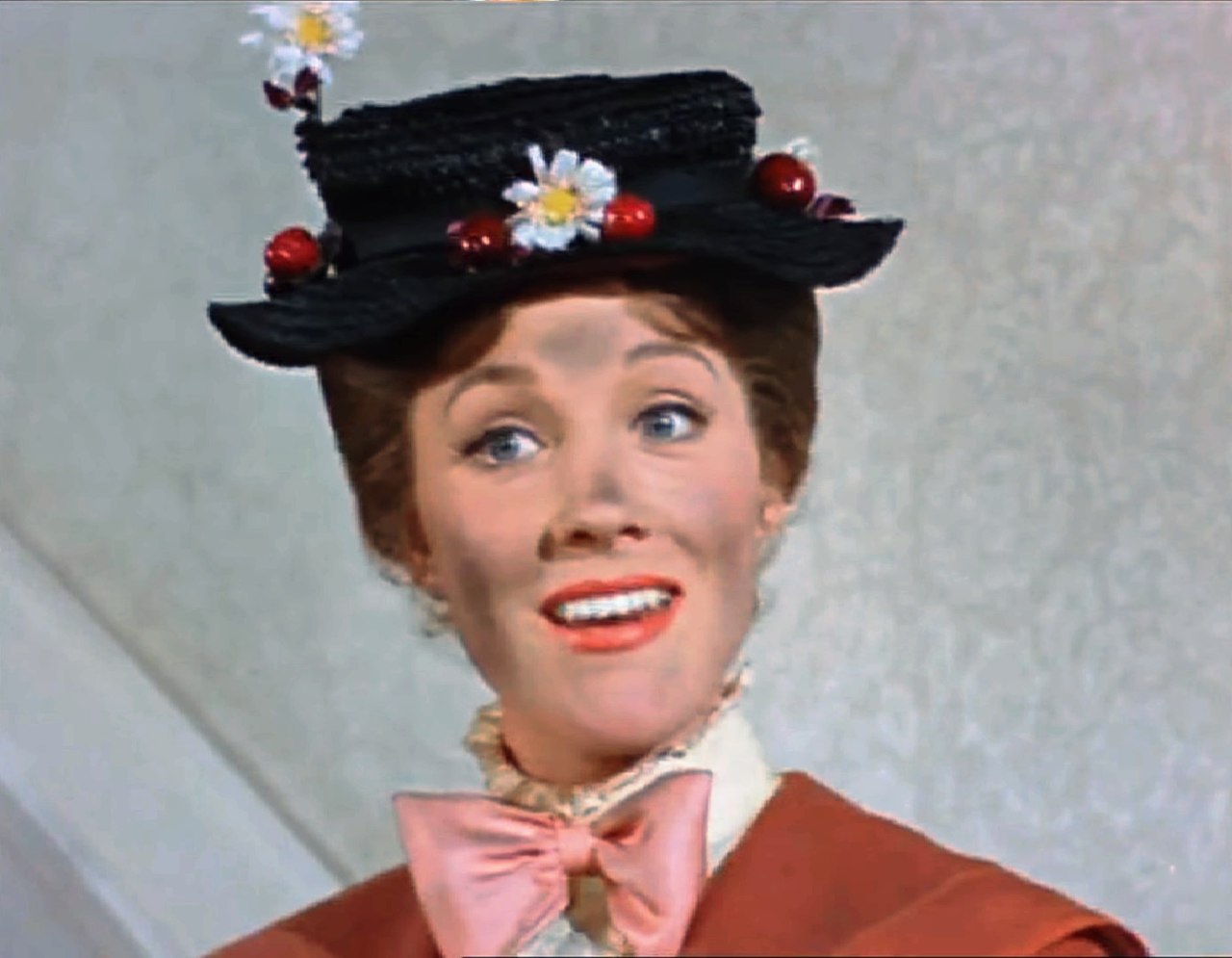
I grew up with these stars as role models in my life, so you know they are dear to me.  Watching  Julie Andrews and Dick Van Dyke singing and dancing in Mary Poppins is still a vivid memory for me.  I was ten years old.  Convincing myself I could direct (where did I get that, I wonder?) in my backyard,  my plan was to  have my father rent a helicopter to fly me in.  You understand this was 1966.  Ha!

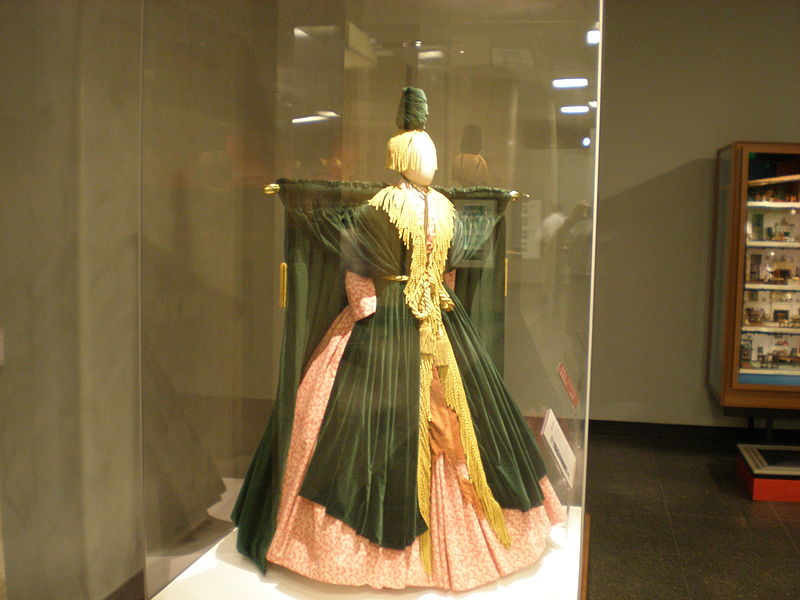
And James Earl Jones?  Wow, what a presence!  I mean, to just use your voice to create a character for Darth Vader in Star Wars and Mufasa in The Lion King is a testament to his incredible talent.  By the same token, I remember laughing hysterically at Carol Burnett’s antics on her television show, The Carol Burnett show.  Nothing could be funnier than her dressed with a curtain rod as part of her Gone with the Wind costume.

Teaching Stage Legends: Burnett, Andrews, Jones, and Van Dyke


These four icons have captivated audiences for decades.  Their remarkable talents leave an indelible mark on stage, screen, and beyond. First, let’s take a closer look at the five reasons for students to study these iconic performing artists.

Teaching Stage Legends: Burnett, Andrews, Jones, and Van Dyke

Five Reasons to Study Iconic Performing Artists

1. Mastery of Technique: These performers demonstrate exceptional control over their voices and physicality. Additionally, by studying their techniques students learn to refine their vocal and acting skills, from projection to emotional expression.

2. Longevity in the Arts: These icons have had careers spanning decades, teaching students the importance of persistence, adaptability, and commitment to their craft. Consequently, their careers can inspire students to envision long-term success in the performing arts.

3. Versatility Across Genres: Whether in comedy, drama, musical theater, or film, these performers have excelled in a variety of genres. Furthermore, by observing their versatility students are encouraged to explore different styles of performance and expand their own artistic range.

4. Character Development: Each of these stars is known for portraying deeply memorable characters. By studying how they developed their roles, students can gain insight into creating authentic and compelling characters in their own performances.

5. Cultural and Historical Impact: These legends have shaped the entertainment industry and influenced global audiences. Analyzing their work gives students a deeper understanding of how the performing arts reflect and affect culture.  Thereby encouraging them to consider their own impact as artists.

Teaching Stage Legends: Burnett, Andrews, Jones, and Van Dyke

Dick Van Dyke: A Master of Comedy and Charm

With a career spanning over seven decades, Dick Van Dyke remains one of Hollywood’s most beloved performers. To begin with, his early days as a radio DJ and television host paved the way.  Not surprisingly, his breakout role in The Dick Van Dyke Show, a sitcom that became a staple of American television. Van Dyke’s effortless blend of physical comedy and heartwarming charm made him a household name.  However, it was his role as the lovable chimney sweep Bert in Mary Poppins that cemented his legacy as a film star.

Van Dyke’s career is defined by versatility.  One can’t forget his slapstick humor in Chitty Chitty Bang Bang, his dramatic turns on Diagnosis: Murder, or his smooth song-and-dance performances. Thankfully, his energy and enthusiasm continue to inspire generations of performers. In recent years, he has remained active, appearing in the 2018 sequel Mary Poppins Returns with the same sprightly charisma that audiences have come to love. Isn’t that wonderful?

Most importantly, let’s not forget his Tony award winning performing in Bye Bye Birdie! Check him out here. 

Why Students Should Study Dick Van Dyke:

Van Dyke exemplifies the art of physical comedy and timing, key skills for any actor to master. i find that his ability to blend humor with heartfelt emotion teaches students to be vulnerable. Lastly, Van Dyke’s longevity in the industry also serves as a model for persistence, adaptability, and passion in the arts. He is ninety-eight years young.

Teaching Stage Legends: Burnett, Andrews, Jones, and Van Dyke

Julie Andrews: The Queen of Grace and Song

Julie Andrews’ soaring voice and elegant demeanor have made her one of the most revered performers of all time. Known for her unforgettable roles in The Sound of Music and Mary Poppins, Andrews’ impact on both Broadway and Hollywood is nothing short of extraordinary. Her impeccable soprano voice and acting abilities catapulted her to stardom on stage, beginning with her acclaimed performance in My Fair Lady on Broadway. Check out her performance here.

Teaching Stage Legends: Burnett, Andrews, Jones, and Van Dyke

Teaching Stage Legends: Burnett, Andrews, Jones, and Van Dyke

Her transition to film came with equal success, winning the Academy Award for Best Actress for Mary Poppins in 1964. Andrews’ portrayal of Maria in The Sound of Music only fortified her standing as a true legend.  Despite a vocal injury that affected her ability to sing, she has continued to contribute to the arts.  Andrews has lent her voice to beloved characters in animated films.  Plus, she writes children’s books with her daughter.  Always seeking new challenges, she voices Lady Whistledown in the very popular Bridgerton television series.

Andrews is three-quarters of the way to EGOT status. She has won two Emmys, two Grammys (plus a lifetime achievement award) and an Oscar, but has yet to win a Tony, despite three nominations. Several years ago, she appeared to finally be headed for a Tony win in 1996 for her lead role in the Broadway adaptation of Victor/Victoria. However, she turned down the nomination because no one else from the cast was nominated.  What a classy lady!

What is an EGOT winner?  Check out: EGOT Award Winners: A Closer Look at Their Most Iconic Roles and Performances

Why Students Should Study Julie Andrews:
Julie Andrews’ extraordinary vocal technique and range make her a prime example for students studying musical theater and voice. Additionally, her seamless transition from stage to film provides a blueprint for how actors can adapt their talents across mediums. Andrews also models resilience, having faced and overcome significant challenges throughout her career, such as her vocal injury.


Teaching Stage Legends: Burnett, Andrews, Jones, and Van Dyke

James Earl Jones: A Voice Like No Other

James Earl Jones is known as much for his commanding presence as for his iconic voice, which is recognized instantly across the globe. From the moment he stepped onto the stage in the 1950s, Jones has been a powerhouse of the theater world, earning acclaim for his portrayal of Shakespearean roles and tackling complex, socially relevant themes. His work in Othello, King Lear, and Fences solidified his status as one of the most talented actors in theater history.

Of course, his distinctive voice became legendary in its own right.  Most beloved for his portrayal of Darth Vader in Star Wars and as Mufasa in The Lion King. His voice work combined with his stage presence has earned him multiple Tony Awards, including one for his role in The Great White Hope. Jones portrayed heavyweight boxer Jack Jefferson. Watch James Earl Jones here in Field of Dreams. I always thought he was the man’s voice on the Arby’s commercials, but I was incorrect.  Click here to see who is.

Why Students Should Study James Earl Jones:

James Earl Jones is the quintessential example of how voice and presence can elevate a performance. Students can learn from his mastery of classical texts.  Plus, his ability to command attention with every word spoken is exemplary. Jones’ journey, overcoming a childhood stutter to become one of the most recognized voices in the world, is an inspiring lesson in perseverance and the transformative power of the arts.

Carol Burnett: The Queen of Comedy

I couldn’t leave out Carol Burnett, one of my personal favorites! Burnett’s remarkable ability to command the stage with her wit and comedic timing continues today.  She has been thrice nominated for Tony and Grammy awards.

Why Should Students Study Carol Burnett?

1. Master of Improvisation: Burnett’s quick thinking and ability to improvise in live performances teach students how to adapt on stage, think creatively, and maintain energy even in unscripted moments.

2. Groundbreaking Female Comedian: As one of the first women to host her own variety show, Burnett broke barriers in comedy, inspiring students—especially young women—to challenge stereotypes and pursue careers in traditionally male-dominated fields. (Did you know her Broadway break was in Once Upon a Mattress?)

3. Versatility in Performance: From slapstick comedy to heartfelt drama, Burnett’s range of characters highlights the importance of versatility in the performing arts. Students can learn to stretch their own abilities and explore different types of roles. (Watch her in Once Upon a Mattress here.

4. Collaboration and Ensemble Work: Burnett’s success on *The Carol Burnett Show* came from her ability to collaborate effectively with a talented ensemble cast. Studying her work emphasizes the value of teamwork in creating memorable performances.

5. Connection with Audiences: Burnett had an exceptional ability to engage with audiences, whether through humor, empathy, or breaking the fourth wall. Students can learn from her how to connect with their audience on a deeper level, making their performances more impactful.

A Legacy of Excellence

Dick Van Dyke, Julie Andrews, and James Earl Jones are living embodiments of the timeless magic that the performing arts can bring. Each has made distinct and significant contributions to the entertainment industry. They talent continues to shape the way we experience comedy, music, drama, and storytelling.

Their combined influence on both stage and screen will never be forgotten.  As you might expect, they’ve set the standard for excellence in performance. From the whimsical worlds of Mary Poppins to the inspiring drama of Fences, and the unforgettable voice of Darth Vader, these four legends continue to captivate audiences and serve as enduring symbols of what it means to be truly great at one’s craft.

Why Students Should Study These Icons?

I hope that I’ve made it convincing for you to teach about these amazing artists.  By studying these four legends  students can explore a diverse range of performance techniques. By examining their careers, students can gain a deeper appreciation for the craft of acting and the impact that a single performer can have on audiences worldwide.

If you are looking for biographies of these artists (all but Burnett) go here.

I’d love to hear about your favorite iconic performers.  Email me at DhcBaldwin@gmail.com and we’ll chat!

Share this:

  • Share on Tumblr (Opens in new window) Tumblr
  • More
  • Share on X (Opens in new window) X
  • Share on Facebook (Opens in new window) Facebook
  • Share on Pinterest (Opens in new window) Pinterest
  • Share on LinkedIn (Opens in new window) LinkedIn
  • Email a link to a friend (Opens in new window) Email
  • Share on Reddit (Opens in new window) Reddit
  • Share on Telegram (Opens in new window) Telegram
  • Share on WhatsApp (Opens in new window) WhatsApp

Like this:

Like Loading...

Filed Under: acting, Arts, arts education, Broadway, drama education, Musical Theatre, performing arts, Teacherspayteachers, theater, theatre, Tony Awards

Creating One-of-a-Kind Plays: Custom Scripts Available Now

September 12, 2024 By dhcbaldwin Leave a Comment

Here’s a little story for you concerning this blog post, creating one of a kind plays: custom scripts available now.

Creating One-of-a-Kind Plays: Custom Scripts Available Now

      Recently, when I was reading Facebook groups posts, a teacher posted asking for a script for a Veterans Day program.
Since I have previously experience creating a program like this (I wrote and directed three scripts for a diversity celebration in honor of Martin Luther King in Columbia, MO.), I jumped at the chance to help her!

She mentioned she was bored with her usual Veterans Day program and wanted something new and different.
As you might expect, we emailed each other a bit with me asking the usual questions: size of cast, grade level performing, length of piece, etc.  Lastly, I asked her if there was anything special she’d like me to include? Her suggestion was to use veteran’s letters as a focus, but that she was open to other ideas. 
    Not surprisingly, I had no trouble coming up with a storyline. Plus, the idea of using letters in the play was a terrific one.  Additionally,  they were easy to find and utilize as I incorporate into the script.

Creating One-of-a-Kind Plays: Custom Scripts Available Now

    I went to work on the script and two days later, I came up with “Letters Across Time“. ($4.99) The resource includes a letter to the teacher with suggestions for mounting the production, the script and four photographs of the letter writers. 
Creating One-of-a-Kind Plays: Custom Scripts Available Now

The Custom Play Script Story

    The story: A teacher and her students invite a military veteran to speak to their class in celebration of Veterans Day. Four students read quotes from letters of various members of the armed forces. These letters writers are George Washington, Franklin Roosevelt, a Civil War soldier and a present-day female soldier.
     Additionally, the students ask the veteran questions.  He shares about his experiences in the war. The audience experiences first-hand what it is like to be in the military serving in a war time through the use of images of the four letter writers,
Creating One-of-a-Kind Plays: Custom Scripts Available Now
If you would like a customized bundle of my Dramamommaspeaks products, check out this blog post: The Reasons I Offer Customized Theatre Lesson Bundles

Do you need a custom script?


After writing this script, and posting to my
Dramamommaspeaks store on TPT, I  got to thinking…maybe someone else needs a particular program written for them?  

   YOU CAN ASK THE SAME THING OF ME! (Guess what?  Requesting this customized program is at no extra cost to you!)

Do you need something to celebrate:
  • Martin Luther King
  • National Hispanic Heritage Month
  • Women’s History month
  • Native American Indian/Alaska Native Heritage Month
  • A day of historical significance in your state?
  • A day of historical significance to your community?
Or do you have another idea? Perhaps you’d like a radio theater script written about a particular topic?  Here is one your students will enjoy:  The Monkey’s Paw
File:Nikolay Ge 019.jpeg

Five Reasons for a Custom Script

    If you are like me, it may take you a little extra thought to consider how a custom script could be of benefit to you.  But here are five reasons it will help you:

1. Tailored to student abilities: A custom script can match the skill level and interests of their students.  Thus ensuring every child has a part that suits them.

2. Aligned with curriculum goals: Teachers can request scripts that reinforce specific educational objectives.  These could be historical events, literary themes, or social-emotional learning.

3. Saves time and effort: Teachers don’t have to spend hours adapting existing material to fit their classroom needs. The script is ready to go.

4. Culturally relevant content: Custom scripts can reflect the unique cultural backgrounds and diversity of the class.  This makes the material more engaging and relatable.

5. Fosters creativity and engagement: A customized play script can include topics or themes that spark student interest. Consequently, this fosters  deeper engagement and encouraging participation in the arts.

Sounds like a win-win to me.  You, too?

Looking for unique, engaging drama lessons?  Check out this new bundle: Middle School Curriculum Volume 3

Just email me at DhcBaldwin@gmail.com
Have you ever been asked to present something for a special celebration at your school?  I’d love to hear about it.
Dramamommaspeaks Blog Author Deborah Baldwin


Share this:

  • Share on Tumblr (Opens in new window) Tumblr
  • More
  • Share on X (Opens in new window) X
  • Share on Facebook (Opens in new window) Facebook
  • Share on Pinterest (Opens in new window) Pinterest
  • Share on LinkedIn (Opens in new window) LinkedIn
  • Email a link to a friend (Opens in new window) Email
  • Share on Reddit (Opens in new window) Reddit
  • Share on Telegram (Opens in new window) Telegram
  • Share on WhatsApp (Opens in new window) WhatsApp

Like this:

Like Loading...

Filed Under: acting, arts integration, drama education, drama integration, Education, elementary, gifted and talented, middle grades, performing arts, plays, storytelling, Teacherspayteachers, theater, theatre

« Previous Page
Next Page »

Footer

Follow Us

logo3.png

FOLLOW US

Facebook X-twitter Pinterest Instagram Envelope Rss

Goodreads: read

Malibu Rising
Malibu Rising
by Taylor Jenkins Reid
People We Meet on Vacation
by Emily Henry
The Last Thing He Told Me
by Laura Dave
Faking It
Faking It
by Cora Carmack
Losing It
Losing It
by Cora Carmack

goodreads.com
Copyright © 2024 · Wellness Pro on Genesis Framework · WordPress.com.Log in
 

Loading Comments...
 

    %d