• Skip to primary navigation
  • Skip to main content
  • Skip to footer

Join Me in my new Facebook Group! https://www.facebook.com/groups/417126059784261

Menu
  • Meet Deb – The Heart Behind DramaMommaSpeaks
    • Work with Me! 
    • Photo Gallery of DramaMommaSpeaks
    • Directorial Credits
  • I Give Book Talks! 
    • Book Talk Through Skype
    • Books
  • Freebies!
  • Bumbling Bea
  • Teaching Resume
  • Acting Resume
  • Contact Me
  • Blog
    • Drama Education
    • Arts Education
    • Youth Theatre
    • Middle Grades
    • Musical Theatre
    • Teaching
  • Meet Deb – The Heart Behind DramaMommaSpeaks
    • Work with Me! 
    • Photo Gallery of DramaMommaSpeaks
    • Directorial Credits
  • I Give Book Talks! 
    • Book Talk Through Skype
    • Books
  • Freebies!
  • Bumbling Bea
  • Teaching Resume
  • Acting Resume
  • Contact Me
  • Blog
    • Drama Education
    • Arts Education
    • Youth Theatre
    • Middle Grades
    • Musical Theatre
    • Teaching

Arts

Teaching Stage Legends: Burnett, Andrews, Jones, and Van Dyke

October 3, 2024 By dhcbaldwin Leave a Comment

Teaching Stage Legends: Burnett, Andrews, Jones, and Van Dyke

Today, I want to discuss several lessons which teachers may not have thought of, but students will enjoy–Teaching Stage Legends: Burnett, Andrews, Jones, and Van Dyke. In today’s world, people are living longer and healthier lives. Isn’t it amazing? Some of our greatest entertainers are continuing to inspire new generations well into their later years. Icons like Carol Burnett, Julie Andrews, James Earl Jones, and Dick Van Dyke are shining examples.
Teaching Stage Legends: Burnett, Andrews, Jones, and Van Dyke

Teaching Stage Legends: Burnett, Andrews, Jones, and Van Dyke

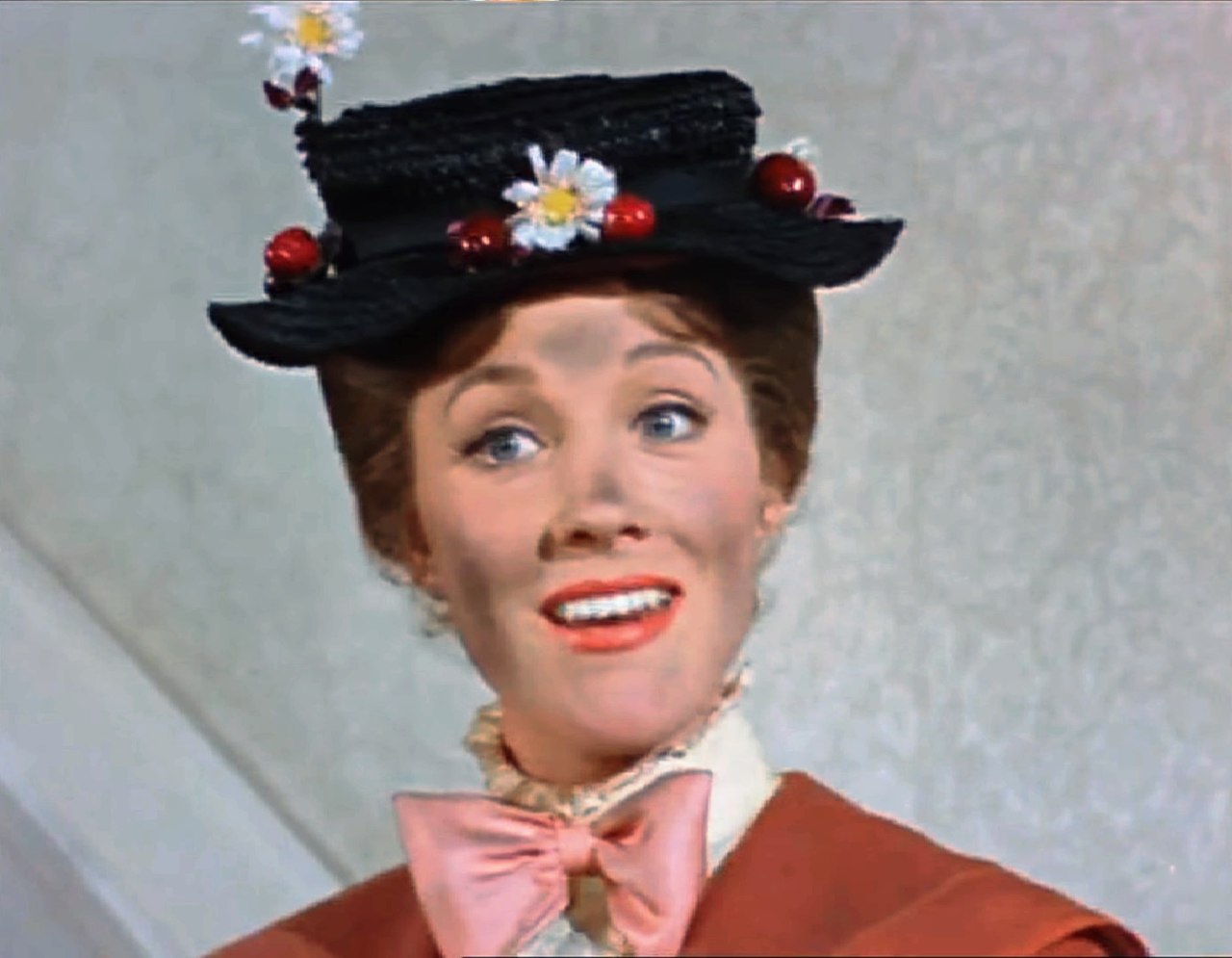
I grew up with these stars as role models in my life, so you know they are dear to me.  Watching  Julie Andrews and Dick Van Dyke singing and dancing in Mary Poppins is still a vivid memory for me.  I was ten years old.  Convincing myself I could direct (where did I get that, I wonder?) in my backyard,  my plan was to  have my father rent a helicopter to fly me in.  You understand this was 1966.  Ha!

And James Earl Jones?  Wow, what a presence!  I mean, to just use your voice to create a character for Darth Vader in Star Wars and Mufasa in The Lion King is a testament to his incredible talent.  By the same token, I remember laughing hysterically at Carol Burnett’s antics on her television show, The Carol Burnett show.  Nothing could be funnier than her dressed with a curtain rod as part of her Gone with the Wind costume.

Teaching Stage Legends: Burnett, Andrews, Jones, and Van Dyke


These four icons have captivated audiences for decades.  Their remarkable talents leave an indelible mark on stage, screen, and beyond. First, let’s take a closer look at the five reasons for students to study these iconic performing artists.

Teaching Stage Legends: Burnett, Andrews, Jones, and Van Dyke

Five Reasons to Study Iconic Performing Artists

1. Mastery of Technique: These performers demonstrate exceptional control over their voices and physicality. Additionally, by studying their techniques students learn to refine their vocal and acting skills, from projection to emotional expression.

2. Longevity in the Arts: These icons have had careers spanning decades, teaching students the importance of persistence, adaptability, and commitment to their craft. Consequently, their careers can inspire students to envision long-term success in the performing arts.

3. Versatility Across Genres: Whether in comedy, drama, musical theater, or film, these performers have excelled in a variety of genres. Furthermore, by observing their versatility students are encouraged to explore different styles of performance and expand their own artistic range.

4. Character Development: Each of these stars is known for portraying deeply memorable characters. By studying how they developed their roles, students can gain insight into creating authentic and compelling characters in their own performances.

5. Cultural and Historical Impact: These legends have shaped the entertainment industry and influenced global audiences. Analyzing their work gives students a deeper understanding of how the performing arts reflect and affect culture.  Thereby encouraging them to consider their own impact as artists.

Teaching Stage Legends: Burnett, Andrews, Jones, and Van Dyke

Dick Van Dyke: A Master of Comedy and Charm

With a career spanning over seven decades, Dick Van Dyke remains one of Hollywood’s most beloved performers. To begin with, his early days as a radio DJ and television host paved the way.  Not surprisingly, his breakout role in The Dick Van Dyke Show, a sitcom that became a staple of American television. Van Dyke’s effortless blend of physical comedy and heartwarming charm made him a household name.  However, it was his role as the lovable chimney sweep Bert in Mary Poppins that cemented his legacy as a film star.

Van Dyke’s career is defined by versatility.  One can’t forget his slapstick humor in Chitty Chitty Bang Bang, his dramatic turns on Diagnosis: Murder, or his smooth song-and-dance performances. Thankfully, his energy and enthusiasm continue to inspire generations of performers. In recent years, he has remained active, appearing in the 2018 sequel Mary Poppins Returns with the same sprightly charisma that audiences have come to love. Isn’t that wonderful?

Most importantly, let’s not forget his Tony award winning performing in Bye Bye Birdie! Check him out here. 

Why Students Should Study Dick Van Dyke:

Van Dyke exemplifies the art of physical comedy and timing, key skills for any actor to master. i find that his ability to blend humor with heartfelt emotion teaches students to be vulnerable. Lastly, Van Dyke’s longevity in the industry also serves as a model for persistence, adaptability, and passion in the arts. He is ninety-eight years young.

Teaching Stage Legends: Burnett, Andrews, Jones, and Van Dyke

Julie Andrews: The Queen of Grace and Song

Julie Andrews’ soaring voice and elegant demeanor have made her one of the most revered performers of all time. Known for her unforgettable roles in The Sound of Music and Mary Poppins, Andrews’ impact on both Broadway and Hollywood is nothing short of extraordinary. Her impeccable soprano voice and acting abilities catapulted her to stardom on stage, beginning with her acclaimed performance in My Fair Lady on Broadway. Check out her performance here.

Teaching Stage Legends: Burnett, Andrews, Jones, and Van Dyke

Teaching Stage Legends: Burnett, Andrews, Jones, and Van Dyke

Her transition to film came with equal success, winning the Academy Award for Best Actress for Mary Poppins in 1964. Andrews’ portrayal of Maria in The Sound of Music only fortified her standing as a true legend.  Despite a vocal injury that affected her ability to sing, she has continued to contribute to the arts.  Andrews has lent her voice to beloved characters in animated films.  Plus, she writes children’s books with her daughter.  Always seeking new challenges, she voices Lady Whistledown in the very popular Bridgerton television series.

Andrews is three-quarters of the way to EGOT status. She has won two Emmys, two Grammys (plus a lifetime achievement award) and an Oscar, but has yet to win a Tony, despite three nominations. Several years ago, she appeared to finally be headed for a Tony win in 1996 for her lead role in the Broadway adaptation of Victor/Victoria. However, she turned down the nomination because no one else from the cast was nominated.  What a classy lady!

What is an EGOT winner?  Check out: EGOT Award Winners: A Closer Look at Their Most Iconic Roles and Performances

Why Students Should Study Julie Andrews:
Julie Andrews’ extraordinary vocal technique and range make her a prime example for students studying musical theater and voice. Additionally, her seamless transition from stage to film provides a blueprint for how actors can adapt their talents across mediums. Andrews also models resilience, having faced and overcome significant challenges throughout her career, such as her vocal injury.


Teaching Stage Legends: Burnett, Andrews, Jones, and Van Dyke

James Earl Jones: A Voice Like No Other

James Earl Jones is known as much for his commanding presence as for his iconic voice, which is recognized instantly across the globe. From the moment he stepped onto the stage in the 1950s, Jones has been a powerhouse of the theater world, earning acclaim for his portrayal of Shakespearean roles and tackling complex, socially relevant themes. His work in Othello, King Lear, and Fences solidified his status as one of the most talented actors in theater history.

Of course, his distinctive voice became legendary in its own right.  Most beloved for his portrayal of Darth Vader in Star Wars and as Mufasa in The Lion King. His voice work combined with his stage presence has earned him multiple Tony Awards, including one for his role in The Great White Hope. Jones portrayed heavyweight boxer Jack Jefferson. Watch James Earl Jones here in Field of Dreams. I always thought he was the man’s voice on the Arby’s commercials, but I was incorrect.  Click here to see who is.

Why Students Should Study James Earl Jones:

James Earl Jones is the quintessential example of how voice and presence can elevate a performance. Students can learn from his mastery of classical texts.  Plus, his ability to command attention with every word spoken is exemplary. Jones’ journey, overcoming a childhood stutter to become one of the most recognized voices in the world, is an inspiring lesson in perseverance and the transformative power of the arts.

Carol Burnett: The Queen of Comedy

I couldn’t leave out Carol Burnett, one of my personal favorites! Burnett’s remarkable ability to command the stage with her wit and comedic timing continues today.  She has been thrice nominated for Tony and Grammy awards.

Why Should Students Study Carol Burnett?

1. Master of Improvisation: Burnett’s quick thinking and ability to improvise in live performances teach students how to adapt on stage, think creatively, and maintain energy even in unscripted moments.

2. Groundbreaking Female Comedian: As one of the first women to host her own variety show, Burnett broke barriers in comedy, inspiring students—especially young women—to challenge stereotypes and pursue careers in traditionally male-dominated fields. (Did you know her Broadway break was in Once Upon a Mattress?)

3. Versatility in Performance: From slapstick comedy to heartfelt drama, Burnett’s range of characters highlights the importance of versatility in the performing arts. Students can learn to stretch their own abilities and explore different types of roles. (Watch her in Once Upon a Mattress here.

4. Collaboration and Ensemble Work: Burnett’s success on *The Carol Burnett Show* came from her ability to collaborate effectively with a talented ensemble cast. Studying her work emphasizes the value of teamwork in creating memorable performances.

5. Connection with Audiences: Burnett had an exceptional ability to engage with audiences, whether through humor, empathy, or breaking the fourth wall. Students can learn from her how to connect with their audience on a deeper level, making their performances more impactful.

A Legacy of Excellence

Dick Van Dyke, Julie Andrews, and James Earl Jones are living embodiments of the timeless magic that the performing arts can bring. Each has made distinct and significant contributions to the entertainment industry. They talent continues to shape the way we experience comedy, music, drama, and storytelling.

Their combined influence on both stage and screen will never be forgotten.  As you might expect, they’ve set the standard for excellence in performance. From the whimsical worlds of Mary Poppins to the inspiring drama of Fences, and the unforgettable voice of Darth Vader, these four legends continue to captivate audiences and serve as enduring symbols of what it means to be truly great at one’s craft.

Why Students Should Study These Icons?

I hope that I’ve made it convincing for you to teach about these amazing artists.  By studying these four legends  students can explore a diverse range of performance techniques. By examining their careers, students can gain a deeper appreciation for the craft of acting and the impact that a single performer can have on audiences worldwide.

If you are looking for biographies of these artists (all but Burnett) go here.

I’d love to hear about your favorite iconic performers.  Email me at DhcBaldwin@gmail.com and we’ll chat!

Share this:

  • Click to share on Tumblr (Opens in new window) Tumblr
  • More
  • Click to share on X (Opens in new window) X
  • Click to share on Facebook (Opens in new window) Facebook
  • Click to share on Pinterest (Opens in new window) Pinterest
  • Click to share on LinkedIn (Opens in new window) LinkedIn
  • Click to email a link to a friend (Opens in new window) Email
  • Click to share on Reddit (Opens in new window) Reddit
  • Click to share on Pocket (Opens in new window) Pocket
  • Click to share on Telegram (Opens in new window) Telegram
  • Click to share on WhatsApp (Opens in new window) WhatsApp

Like this:

Like Loading...

Filed Under: acting, Arts, arts education, Broadway, drama education, Musical Theatre, performing arts, Teacherspayteachers, theater, theatre, Tony Awards

Why Theater Education Matters: Developing Key Life Skills

August 8, 2024 By dhcbaldwin Leave a Comment

White drama masks demonstrating Why Theater Education Matters: Developing Key Life Skills

Why Theater Education Matters: Developing Key Life Skills

Why Theater Education Matters: Developing Key Life Skills

Today, I want to blog about why theater education matters:  developing key life skills.  Recently, I read a Facebook post by a theater teacher who was frantic for help.  She taught drama in middle school.  Her sixth grade classes were a reasonable size, but that’s where the good news end.

More Typical Scenario Than You Would Think

Her seventh and eighth grade classes had been mixed up, so she no longer had an intermediate (7th) and experienced class (8th). Get this-when she inquired for the reasons for this cluster, her questions weren’t addressed. Unfortunately, she was informed that she would have to do the best she could. She should sharpen up her classroom management skills.   And if that’s not enough–her classes were 50 to 60 students in number.  What?!?

As I consider this enormous problem for her, I’m struck with a thought.  This is one time that it is more important to teach key life skills to her gigantic and potentially unsafe classes than to actually study theater. My suggestion?  Focus on life skills through her lessons and though they will still pertaining to theater, the students will feel less threatened.

Why Theater Education Matters: Developing Key Life Skills

Theater education is often seen as an extracurricular activity.  Some people consider it a hobby for those interested in acting or the arts. However, the benefits of theater education extend far beyond the stage. Engaging in theater can play a crucial role in developing essential life skills. These are skills which are tantamount to success in one’s personal and professional life. Here’s a closer look at why theater education should be an integral part of every student’s learning experience.

Why Theater Education Matters: Developing Key Life Skills

1. Enhancing Communication Skills

One of the most apparent benefits of theater education is the improvement of communication skills. Through acting, students learn to express themselves clearly and confidently. They practice articulation, projection, and the importance of non-verbal cues. These skills are not only vital for performing on stage but are also crucial in everyday interactions and professional environments.

By memorizing lines from plays or musicals, student absorb a variety of sentences and phrasing.  If they are like me, it carries over into your every day speech. Furthermore, you naturally know how to use a particular phrase or word  without even having to think about it.  You communicate with ease and confidence.  My suggestion:  teach students how to memorize a short paragraph from a play.  

Why Theater Education Matters: Developing Key Life Skills

2. Fostering Teamwork and Collaboration

Theater is inherently a collaborative art form. From rehearsals to performances, students must work closely with their peers, directors, and crew members. This collaboration teaches them how to work effectively in a team. A cast must listen to others’ ideas, and contribute constructively.

I can always tell if students have been directed by a knowledgeable teacher who understands the value of everyone’s talents and abilities.  The entire cast and crew carries about them a sense of ownership.  They help one another and are willing to sacrifice their ego for the sake of the production.   These teamwork skills are highly sought after in almost every career field. My suggestion:  Teach set design, having students work with a buddy.  

Why Theater Education Matters: Developing Key Life Skills

3. Developing Empathy and Emotional Intelligence

By stepping into different characters’ shoes, students gain a deeper understanding of diverse perspectives and emotions. This experience fosters empathy. It allows them to relate better to others’ feelings and experiences. Additionally, theater education helps students develop emotional intelligence by encouraging them to recognize and manage their own emotions, as well as understand and influence the emotions of others.

As we are aware, our students are suffering from bullying not only in the classroom and hallways, but on-line as well.  Students who have portrayed villains or down-trodden characters know what that feels like.  I do not have any proof to expound here. However, my personal experiences with this issue lead me to believe that your arts students are the least likely students to intimidate anyone. Check out this post-–Drama Student, I Recognize You a Mile Away

Arts students are usually immensely clever and generally have differing viewpoints from the study body as a whole.  Consequently, often time they suffer being left out of social circles.  Theater gives them a “home” at school.  My suggestion? Write a monologue speaking as the animal.  (You won’t believe how well this works for students.)

Looking for a bundle of units concerning acting styles?  Check out this one:  Acting Styles of Stanislawski, Adler, Strasberg and Hagen. 

Why Theater Education Matters: Developing Key Life Skills

4. Building Confidence and Self-Esteem

Performing in front of an audience can be a daunting task, but it is also an excellent confidence booster. Theater education provides a safe and supportive environment for students to take risks, make mistakes, and learn from them. Over time, this process builds self-esteem and a sense of accomplishment. Accordingly, confident individuals are more likely to take on leadership roles and tackle challenges head-on.

As adults, we continue to grapple with taking risks in our lives.  Some people are so afraid of risk, they become stagnant and don’t grow. I’ve witnessed this in my extended family and it saddens my heart.  Their spouse, on the other hand, who studied theater and dealt with self esteem issues as a young person continues to challenge herself in her profession.

I know, without a doubt, it is because she learned from being on stage and facing risks, that she knows how to advocate for herself. My suggestion?   Give them a pre-performance and post performance exit slip and ask them to be candid about themselves. 

Why Theater Education Matters: Developing Key Life Skills

5. Encouraging Creativity and Problem-Solving

Theater is a creative endeavor that requires thinking outside the box. For example, whether it’s coming up with an innovative set design or interpreting a script in a unique way, students are constantly challenged to be creative. This creative thinking extends to problem-solving skills, as students must navigate unexpected issues that arise during rehearsals and performances. Check out this blog post if you need reasons to include drama integration in your core classes: How to Excite Students With Drama Integration

Through trial and error, students build their problem-solving skills and learn that making mistakes doesn’t mean failure.  Mistakes signify that the particular issue wasn’t solved or completed. That is all, period. My suggestion?  Teach with  my Famous Theater Artists Growth Mindset Unit. 

Why Theater Education Matters: Developing Key Life Skills

6. Strengthening Academic Performance

Research has shown that students involved in theater tend to perform better academically. Theater education enhances literacy and reading comprehension through script analysis and character study. Also, it improves memory and concentration, which are beneficial across all subjects. Moreover, the discipline and time management skills learned in theater can translate to better study habits and academic success.

In the beginning, novices will try to beat the system and paraphrase their lines.  Hence, they never truly learn them. By the time they are in high school, they’ve convinced themselves that, “I can’t learn lines.” I know this is not true.  Plus, I know what they need is a system that works.

Once I demonstrate to them the various methods for line memorization, they try again.  When they have success using one of those methods, their entire attitude changes. But it still takes self discipline!  If you want more information for line memorization, read Three Ways to Memorize Lines for a Play or Musical

Why Theater Education Matters: Developing Key Life Skills

7. Preparing for Future Careers

While not all students will pursue careers in theater, the skills gained from theater education are transferable to numerous professions. Additionally, theater education equips students with a versatile skill set that can enhance their career prospects and success.

Here are a few careers where having theater skills are useful:

Public Relations Specialist–Skills Used: Communication, presentation, creativity, adaptability.
How Theater Helps: Understanding audience engagement and crafting compelling narratives.

Event Planner–Skills Used: Organization, time management, creativity, problem-solving.
How Theater Helps: Managing events and performances teaches you how to coordinate logistics and handle unexpected issues.

Marketing Professional–Skills Used: Creativity, communication, storytelling, audience analysis.
How Theater Helps: Developing marketing campaigns requires the same creative storytelling skills used in theater.

Educator/Teacher–Skills Used: Communication, presentation, adaptability, creativity.
How Theater Helps: Theater teaches how to engage and hold the attention of an audience, which is essential in the classroom.

Future Careers Utilizing Theater Skills

Human Resources Manager–Skills Used: Communication, conflict resolution, empathy, teamwork.
How Theater Helps: Theater experiences foster a deep understanding of human behavior and group dynamics.

Sales Professional–Skills Used: Persuasion, communication, presentation, relationship building.
How Theater Helps: Performing helps build confidence and the ability to convey messages effectively.

Lawyer–Skills Used: Argumentation, public speaking, critical thinking, research.
How Theater Helps: Theater provides practice in presenting arguments persuasively and thinking on one’s feet.

Psychologist/Counselor– Skills Used: Empathy, communication, analysis, problem-solving.
How Theater Helps: Understanding characters and motivations in theater aids in understanding and helping real people.

Other Career Examples

Journalist–Skills Used: Research, storytelling, communication, adaptability.
How Theater Helps: Writing and interpreting scripts in theater helps journalists craft compelling stories.

Film and Television Production–Skills Used: Creativity, technical skills, teamwork, problem-solving.
How Theater Helps: The technical and creative aspects of theater production are directly applicable to film and television.

Corporate Trainer–Skills Used: Communication, presentation, adaptability, teaching.
How Theater Helps: Theater training provides techniques for engaging an audience and conveying information effectively.

Nonprofit Manager–Skills Used: Communication, organization, fundraising, storytelling.
How Theater Helps: Effective storytelling and presentation skills are crucial for fundraising and advocacy work.

Entrepreneur–Skills Used: Creativity, risk-taking, problem-solving, adaptability.
How Theater Helps: The improvisational nature of theater helps entrepreneurs navigate the uncertainties of starting and running a business.

See?  The list for skills learned in a theater class is immense.  If you are a theater teacher and must defend the reasons for keeping your class, quote from this list! 

Empowering Students with Creativity, Confidence, and Collaboration

Theater education is much more than learning to act; it’s a comprehensive learning experience that develops critical life skills. By incorporating theater into the curriculum, educators can provide students with invaluable tools. Most importantly, these tools that will benefit them throughout their lives.

Whether a student dreams of a career on Broadway or in a corporate office, the lessons learned in theater education will help them shine in any role they choose to play. Looking for a teacher guidebook to teach you how to boost student engagement?  Pick up We’re Live! Radio Theater #101 on Amazon.com

Plus, I’m a featured author in OneClassroomOver magazine this month.  Check it out here.

Have you ever defended the need for your class or department? I’d love to learn about it.  Contact me at DhcBaldwin@gmail.com

Woman behind DramaMommaSpeaks


Share this:

  • Click to share on Tumblr (Opens in new window) Tumblr
  • More
  • Click to share on X (Opens in new window) X
  • Click to share on Facebook (Opens in new window) Facebook
  • Click to share on Pinterest (Opens in new window) Pinterest
  • Click to share on LinkedIn (Opens in new window) LinkedIn
  • Click to email a link to a friend (Opens in new window) Email
  • Click to share on Reddit (Opens in new window) Reddit
  • Click to share on Pocket (Opens in new window) Pocket
  • Click to share on Telegram (Opens in new window) Telegram
  • Click to share on WhatsApp (Opens in new window) WhatsApp

Like this:

Like Loading...

Filed Under: acting, Arts, arts education, drama education, Education, Education, excellence in teaching, High School, middle grades, Teaching, theater, theatre, youth theatre Tagged With: careers using theater skills, entrepreneus, film and television production, journalist, marketing professional, psychologist, salesman, Teacher, theater skills

License Training Musicals: Why You Need to Know Them Now

July 24, 2024 By dhcbaldwin 1 Comment

License Training Musicals: Why You Need to Know Them Now

License Training Musicals: Why You Need to Know Them Now

As a respectful product adopter, I try new products early but carefully. I’m thrilled to share License Training Musicals: Why You Need to Know Them Now. You are going to want to know more about them, too!

I keep up an active Instagram account through my Dramamommaspeaks page.  Primarily, teachers follow me there but from time to time other groups join–play publishers, authors and youth theater companies.  Recently, a new company joined me.  Being the dutiful marketing person that I aspire to be, I checked them out.  Simply put, once you learn about this company it is going to rock your world!

License Training Musicals: Why You Need to Know Them Now

License Training Musicals: Why You Need to Know Them Now

License Training Musicals creates specially crafted scripts and resources designed to change the way actors are trained. They provide true equity in learning with equal lines of dialogue, singing solos, and dance opportunities.  In addition, these training musicals are a truly unique and fun way to approach musical theater training for school drama teachers, community theaters, students and adults alike!

Are you understanding this yet?  Here’s a scenario for you:  You are a harried high school theater teacher.  Additionally, you are half way through the school year and it is time to study musical theater.  You all ready know that your students are wild  about musical theater–they sing songs and quote lines from musicals every single day.  Having their engagement to the subject isn’t the problem.   The problem is everyone wants to be the lead!  That’s a wonderful problem to have, but how do you accomplish this?

Of course, you can double cast the show.  That’s one of my most favorite ways to give more students stage time. You can learn more about my double casting adventures at: Double Casting a Show? Here’s Advice. What do you do about the rest?  More importantly, how do you encourage a student who may have the ability but needs to build their confidence so they feel comfortable singing louder or carrying a show?  After searching exhaustively on the web, you discover a new company,  License Training Musicals or LTM.com.  You are ecstatic!   Finally, someone that has solved this problem.

License Training Musicals: Why You Need to Know Them Now

What Makes LTM special?

First, I appreciate their mission statement: “To revolutionize the way musical theater is taught, by eliminating inequity and empowering all students to train as leads on and off the stage!”  Inequity is a big challenge theater teachers address every time they cast a show.  Plus, inequity can ruin the cast’s  chemistry.

Secondly, License Training Musicals creates one act musicals for casts of 1 to 8.  Here’s the kicker–everyone has the same amount of lines and songs. What?! Yes, you read that correctly.

Thirdly, the music is just great!  It isn’t preachy or juvenile as I find so many other places.

Their show kits contain: 

  • Triple Threat Training Script .PDF
  • Lead Sheet Music .PDF
  • Demo Vocal Track .Wav
  • Piano Melody With Click Track For Rehearsal .Wav
  • Piano Melody With Instrumental For Rehearsal .Wav
  • Instrumental Performance Track .Wav

Fourth, and this is almost too good to be true–they really want to HELP your students.

  • Flexible for any cast type
  • Affordable for any budget
  • Includes ALL resources for rehearsals AND performances
  • Royalty Free FOREVER

If you’d like to learn more about License Training Musicals, watch this youtube video

License Training Musicals: Why You Need to Know Them Now

Let’s Meet the Owners

Pamela Atkinson is the executive director and founder of the company. Among other things, Pam has a Masters in Educ. , Bachelors in Education and a B.S in Business. In addition,  she is certified to teach theater.   Pam has been on stage as a dancer, actress in print and television, and professional singer in Hawaii, California, Washington State, New York, and in Utah. Along with that, ask her to show you, “Body Language” music video (sort of a joke).

Pamela’s Creativity

She directed choirs, and orchestras, owned a big city dance studio, as well as produced shows and musicals.  Pam created a public school dance program called A Step Ahead,  and directed collegiate and community dance companies. Also, she  danced/choreographed for the  NBA Sacramento Kings Fastbreak Dance team.  Currently, she is the tech theater teacher in the Nebo School district.

Through her 45 + years in the industry, License Training Musicals is the culmination of her effort to fulfill that mission. You can learn more about her here: LicenseTrainingMusicals

Katie D Higley

Katie Higley is the artistic director, music composer and curriculum creator of the company.  At six months old Katie’s mom discovered her humming Silent Night. By age three, she belted out gibberish at the top of her lungs while holding aloft a Readers Digest magazine on the pot!

Since then, she has blossomed into an accomplished “triple threat” performer having been in 22 musicals before graduating high school. Interestingly, she’s a multi-instrumentalist who made it to Hollywood Week as an American Idol contestant not once, but twice!

Katie’s Accomplishments

Katie loves teaching the gifts of music to hundreds of students for the last 16 years as a professional artist development coach. She’s a motivational TEDx speaker, custom songwriter, author of the well loved “Uke Hymnbook”, a screen composer at Primer Chord Production Music in Australia and a self published producer with her music placed worldwide!

As you might expect, Katie has a Bachelor’s Degree in Commercial Music from BYU, she’s certified in Music Technology from RCC with an Honorary Chaplain of Spiritual Music Credential from the WSHO. She serves as the Head Chair of Spanish Fork’s Got Talent Show at Spanish Fork City’s Fiesta Days.

License Training Musicals: Why You Need to Know Them Now

Jessica NS Blackhurst

Jessica NS Blackhurst’s self-proclaimed super power is her ability to find and create stories that remind our souls who we really are and the truth of what this life is all about.

As a youth Jessica coped with loss, financial hardship, and constantly moving for her father’s work by making the theater her home and diving deep into the sacred and uplifting power of storytelling. These passions set her on a course of leadership through storytelling.

Jessica’s Education

Jessica pursued education in every medium through which it is possible to enlighten and uplift with story. For example, she studied English literature, written novels.  She trained in stage acting and public speaking, competed in playwriting competitions.  Plus, Jessica studied the art of screenwriting and directing (receiving a bachelor’s in media arts from BYU).  Jessica has an experienced and proficient hand in songwriting with an emphasis on lyricism.  On a daily basis, she applies herself to mastering the particular crafts of a musical theater librettist and lyricist.

Jessica met Katie Higley at BYU in 2010.  They have a long history of writing amazing songs and inspiring musicals together many of which they now bring to you here!

Join their Beta Program Now

Are you excited about the possibilities here?  Here is where it gets really exciting–LTM is looking for partners who will take time to simply fill out a survey about the shows they finished. They would love feedback on the shows you think may need improvement. Hearing about your experiences helps us create the best possible musical theater resources for your classroom.

Furthermore, they  also hope you’ll let us know if there is anything else we can include to make these tools more useful for you and your students!

For more information about the Beta program go to: LTM Beta Program

As an early adopter, I can say without a doubt–you NEED to check out this company now.  You won’t regret it. Just think how much better your year will go knowing there is a company creating musical theater resources to better things for your students and you.

Are you all ready familiar with LTM?  I’d love to hear your thoughts about them.  Feel free to email me at DhcBaldwin@gmail.com

Looking for a unique tool to boost student engagement?  Check out my new book, now available as a PDF: We’re Live! Radio Theater #101

Woman behind DramaMommaSpeaks


Share this:

  • Click to share on Tumblr (Opens in new window) Tumblr
  • More
  • Click to share on X (Opens in new window) X
  • Click to share on Facebook (Opens in new window) Facebook
  • Click to share on Pinterest (Opens in new window) Pinterest
  • Click to share on LinkedIn (Opens in new window) LinkedIn
  • Click to email a link to a friend (Opens in new window) Email
  • Click to share on Reddit (Opens in new window) Reddit
  • Click to share on Pocket (Opens in new window) Pocket
  • Click to share on Telegram (Opens in new window) Telegram
  • Click to share on WhatsApp (Opens in new window) WhatsApp

Like this:

Like Loading...

Filed Under: Arts, arts education, community theater, community theatre, drama education, drama integration, Education, excellence in teaching, gifted and talented, music education, Musical Theatre, Producing plays and musicals, teaching strategies, theater, theatre Tagged With: effective teaching methods, high school musical theater, high school theater, high school vocal music, license training musicals, musical theater, teaching method, teaching tool

Jimmy Awards: Honoring High School Musical Theatre Talent

June 26, 2024 By dhcbaldwin Leave a Comment

Jimmy Awards: Honoring High School Musical Theatre Talent

When I was a high school student I discovered my love for musical theater.   Several years later and a whole lot of training, I gained the confidence to audition for the musicals. While in college, I worked my way to portraying lead roles in college. However, there was no such thing as the Jimmy Awards.  I would have jumped at the chance to audition for this amazing award!  Today, my blog post is, Jimmy Awards: Celebrating High School Musical Theatre Talent.

If you’re a fan of musical theatre, you might already know about the Tony Awards. However, like me you may have never heard of the Jimmy Awards. It is officially known as the National High School Musical Theatre Awards (NHSMTA).  The Jimmy Awards shine a spotlight on the best and brightest high school musical theatre talent in the United States.

Named in honor of Broadway impresario James M. Nederlander, this annual event is a testament to the dedication, passion, and talent of young performers across the country. Check out this blog post if you are interested in the history of musical theater: Showtime Chronicles: History of Musical Theater Unveiled.

Jimmy Awards: Honoring High School Musical Theatre Talent

Honoring High School Musical Theatre Talent

Although I’d heard of Mr. Nederlander, I didn’t actually know why he was important., often referred to as Jimmy Nederlander, was a prominent American theatre owner and producer. Born on March 31, 1922, and passing away on July 25, 2016, Nederlander was a key figure in the Broadway community. Serving as the head of the Nederlander Organization, he was one of the most influential theatre operators and producers in the world. He is credited with overseeing a vast network of theatres, including nine Broadway venues. Wow!

Under his leadership, the Nederlander Organization produced numerous successful Broadway shows, including hits like Rent, Wicked, and The Lion King. His contributions to the theatre industry were immense, and he played a significant role in shaping modern Broadway.

Jimmy Awards: Honoring High School Musical Theatre Talent

The History of the Jimmy Awards

The Jimmy Awards were established in 2009 to recognize and celebrate outstanding achievement in high school musical theatre. Students from regional theatre awards programs participate in a week-long intensive in New York City, where they receive training from industry professionals and compete for scholarships and awards. The experience culminates in a dazzling showcase at a Broadway theatre, where the top performers are selected as finalists and given the chance to perform solos and group numbers. Two main awards are given each year, Best Performance by an Actress and Best Performance by an Actor.

Jimmy Awards: Honoring High School Musical Theatre Talent

The Journey to the Jimmy Awards

To make it to the Jimmy Awards, students must first excel in their local or regional theatre competitions. These regional awards programs, known as “Theatre Awards,” exist in various cities and states across the country. Winners of these regional programs then advance to the national level—the Jimmy Awards. The program impacts over 140,000 students annually who participate in high school musical theatre competitions sponsored by over forty professional theatres throughout the US. Amazing! 

The Jimmy Award nominees travel to New York City for a week in June.  I’m certain that  the opportunity to travel to NYC is exciting enough for the young people.  The week culminates with a live show in which the winners are determined. During the week, the nominees rehearse their performances for the award show and receive coaching from industry professionals.

The Jimmy Awards Show

The show begins with an opening number (typically a “mega-mix of contemporary Broadway hits”) involving all nominees, followed by a series of “showcase medleys”, in which several nominees appear in costume in the role they performed in their high school’s musical, each in turn singing a short solo, while the remaining performers act as backup singers and dancers. These medleys have gained a cult following, with fans appreciating the crossover between disparate popular musicals.Since 2016, due to an increasing number of nominees and time limitations, only a portion of nominees have participated in showcase medleys, with the remainder instead performing in a group number. 

Judging at the Jimmy Awards

During an intermission, a panel of experts selects about eight finalists. During the show’s second half, the finalists each perform a solo, and the winners are announced. All finalists also receive a $3,000 scholarship toward their future education. In addition to the main awards of Best Performance by an Actress and Best Performance by an Actor, other awards are given out with smaller prizes. In 2023, awards were given for Best Dancer, Rising Star, Best Performance in an Ensemble, and Spirit of the Jimmys.  Additionally, each  of these aforementioned awards include a $2,000 scholarship. 

The week-long program  is rigorous and transformative. Participants attend masterclasses, workshops, and rehearsals led by Broadway professionals. Also, they have the opportunity to meet and learn from peers who share their passion for theatre. As you would expect, they become part of a  a supportive and inspiring community. If you’d like to teach your students about the Tony awards, check out: Drama Class Tony Awards Study and Game 

Eva Noblezda
Eva Noblezda, winner of Jimmy Awards, 2019

The Impact of the Jimmys

The Jimmy Awards make a profound impact on the lives of young performers. Many past participants go on to successful careers in theatre, film, and television. Notable alumni include Eva Noblezada, who starred in Miss Saigon and Hadestown on Broadway, and Andrew Barth Feldman, playing the title role in Dear Evan Hansen.

The exposure and training provided by the Jimmys can open doors to prestigious performing arts colleges and professional opportunities. In addition to the invaluable experience, students also compete for significant scholarships, helping to ease the financial burden of pursuing a career in the arts. If you are looking for an excellent theatre program in a small college, check out my Alma Mater, Stephens College.  

Why the Jimmys Matter

Perhaps this is the best reason for the Jimmy Awards.  They not only recognize and reward talent but also highlight the importance of arts education in schools. With school systems making cuts to the arts almost on a daily basis, this award is hugely important.  Musical theatre programs provide students with a creative outlet.  Additionally, they  teach valuable life skills, and foster a sense of community. The Jimmy awards celebrate the hard work of students, teachers, and schools, encouraging the continued support and development of arts programs nationwide.

Dramamommaspeaks

How to Support the Jimmy Awards

There are several ways to support the Jimmy Awards and the young performers they celebrate. As simple as it sounds, please attend local high school musical productions.  Or you can donate to arts education programs. Or help spread the word about the importance of the arts in schools. Additionally, watching the Jimmy Awards ceremony you can help raise awareness and appreciation for these talented young artists. There are plenty of theater teachers desperate for funds.  

In conclusion, as you can see here, the Jimmy Awards are more than just a competition. They are a celebration of the future of musical theatre. The Jimmy awards play a crucial role in ensuring that the magic of Broadway continues to thrive for generations to come.

This year’s Master of Ceremonies for the evening was Josh Groban, star of the recent revival of Sweeney Todd: the Demon Barber of Fleet Street. Talk about a talent!  If you are interested in teaching your students about Josh Groban, pick up this Dramamommaspeaks resource: Josh Groban Biography Lesson and One Pager Assignment.

Are you and your students familiar with The Jimmy Awards?  I’d love to hear about it. Email me at DhcBaldwin@gmail.com


Share this:

  • Click to share on Tumblr (Opens in new window) Tumblr
  • More
  • Click to share on X (Opens in new window) X
  • Click to share on Facebook (Opens in new window) Facebook
  • Click to share on Pinterest (Opens in new window) Pinterest
  • Click to share on LinkedIn (Opens in new window) LinkedIn
  • Click to email a link to a friend (Opens in new window) Email
  • Click to share on Reddit (Opens in new window) Reddit
  • Click to share on Pocket (Opens in new window) Pocket
  • Click to share on Telegram (Opens in new window) Telegram
  • Click to share on WhatsApp (Opens in new window) WhatsApp

Like this:

Like Loading...

Filed Under: acting, Arts, arts education, Broadway, drama education, Education, Education, High School, music education, Musical Theatre, performing arts, Teacherspayteachers, Tony Awards, youth theatre Tagged With: Broadway, Eva Noblezda, James M. Nederlander, Jimmy Awards, Josh Groban

How to Celebrate Hispanic and Latino Heritage Month in the Drama Classroom

September 27, 2023 By dhcbaldwin Leave a Comment

A sombrero celebrating national HIspanic and Latino culture month

How to Celebrate Hispanic and Latino Heritage Month in the Drama Classroom

How to Celebrate Hispanic and Latino Heritage Month in the Drama Classroom

In this blog post, let’s discuss How to Celebrate Hispanic and Latino Heritage Month in the Drama Classroom. First, I want to share a little memory of mine…When I was in my teens, my father, mother and I traveled to Mexico driving from Kansas.  Needless to say, it was an amazing trip full of wrong turns, teen angst and hilarity.

The Language Barrier Gone Amok

Anyway, we hadn’t studied the Mexican language prior to traveling there.  Consequently, communicating with the Mexican people was difficult for us. One day, somehow, we ended up in the middle of a car race. My father turned a corner too tightly and put our travel trailer up on a curb where we were stuck for several hours. The racing cars had to slow down because of us.

When the policeman scolded my dad, I remember my mother (who was raised in Japan) and my father (who fought in WWII) began speaking in Japanese and German to him. Of course, he became even more furious.  Needless to say, it was embarrassing and humiliating to poor little fourteen-year-old me. Remember being fourteen?

Fortunately, we were lucky enough to see the Folklorico Ballet of Mexico one evening.  As you would expect, it was absolutely amazing! For me, it was the highlight of the entire trip. That, and the really cute boys hanging out on the Matzatland beach.

Our Family Trip to Mexico

Accordingly, we returned home and that was the end of my education about the Mexican culture.  I studied French in high school, never once considering I might enjoy learning to speak Spanish.  At the time, social studies classes didn’t study different cultures.  Surprisingly, I believe we only studied the United States. Talk about living in a bubble!

However, you and your students can celebrate different cultures right in your drama classroom.  Let’s begin with Hispanic and Latino Heritage Month.  When I began researching this subject, I was pleasantly surprised by the volume of resources available for this celebratory month.  Plus, there are many sources in theater for this celebration.  Therefore, not only do you have an opportunity to study a different culture, albeit briefly, you also can integrate drama (or vice versa) into your class.

How to Celebrate Hispanic and Latino Heritage Month in the Drama Classroom

National Hispanic and Latino Heritage Month’s Beginnings

The year was 1970 only two years after President Johnson proclaimed a week-long celebration of Hispanic people and their culture.  However President Reagan expanded the week to a month in 1988 and it was titled National Hispanic Heritage month!

If you are unfamiliar with National Hispanic and Latino Heritage month it is a time to honor and celebrate the rich cultural contributions of Hispanic and Latinx communities in the United States.  September 15 to October 15 gives a teacher  an excellent opportunity to engage their students in a diverse and immersive experience within a drama class. I think you’ll be surprised by how easy it is to celebrate the culture through your drama curriculum.  Additionally, you can foster cultural awareness, appreciation, and creativity in your students. Want to learn more about this subject? Check out another blog post, Celebrate National Hispanic Heritage Month in Your Drama Classroom Tomorrow

How to Celebrate Hispanic and Latino Heritage Month in the Drama Classroom

Seven Ways to Celebrate National Hispanic and Latino Heritage Month

  1. Exploring Hispanic Playwrights and Theater

One of the best ways to immerse your drama class in Hispanic culture is by introducing them to renowned Hispanic playwrights and their works. Discussing plays by writers such as Lin Manuel Miranda opens up conversations about the Hispanic experience, identity, and history. If you teach middle school students,  you can study Lin Manuel Miranda through these two resources:  Newspaper Article or pick up this free lesson here. Or pick up a biography lesson and one pager assignment concerning Anthony Ramos here.

  1. Performing Hispanic Plays

Organize a class performance of a Hispanic play or scene. You can select a one-act play or adapt a scene from a famous Hispanic playwright’s work. This hands-on experience will not only deepen your students’ understanding of Hispanic culture but also enhance their acting skills. I suggest purchasing a copy of Esperanza Rising play to use as a read aloud. Want to know more about the theater? Check out: The Seven Reasons I Recommend Plays for New Audiences Scripts

How to Celebrate Hispanic and Latino Heritage Month in the Drama Classroom

  1. Guest Speakers and Workshops

If possible, I’d suggest inviting guest speaker or theater professionals with a Hispanic heritage to share their experiences and insights with your drama class. They can discuss their journey in the theater world, the importance of representation, and the cultural significance of their work. Workshops on Latinx theater techniques, dance, or music can also add a dynamic dimension to your drama curriculum. Or maybe you want to show your students what is possible for them if they are of Hispanic descent and interested in a professional career.  Use this video clip to teach about Hispanic American Theatre  Want to know other ways to use video in your classroom?  Check out:  Underestimate the Influence of Teaching with Videos

More Celebration Ideas

  1. Research and Presentations

Another idea is to assign students to complete a short research project focused on a prominent Hispanic actor, director, or playwright. They can explore their contributions to the theater world and the impact of their work on Hispanic culture. Require your students to make a presentation of it.  However, if your students don’t have time to study anyone in depth, check out: Designing Broadway:  On Your Feet!  Costume Designer Emilio Sosa. 

How to Celebrate Hispanic and Latino Heritage Month in the Drama Classroom

  1. Bilingual Performances

Although this is a little difficult to do, it would be very interesting for your students to perform a scene or monologue in both English and Spanish. This exercise not only improves their language skills but also allows them to connect with the material on a deeper level.

Most importantly, it emphasizes the importance of language as a bridge between cultures. Here are some you could use: Quiara Alegría Hudes: Barrio Girl. Dramatic Publishing. Luis Alfaro. Black Butterfly, Jaguar Girl, Piñata Woman and Other Superhero Girls, Like Me. Playscripts, Coleman A. Jennings: Nine plays by José Cruz González (anthology). Dramatic Publishing. or Karen Zacarías: Cinderella Eats Rice and Beans. How the Garcia Girls Lost their Accent. Looking for Roberto Clemente. Magical Piñata. Frida Libre. Dramatic Publishing.

  1. Cultural Immersion

To truly celebrate Hispanic culture, consider organizing a cultural immersion day. This could include a screening of a Hispanic film, a salsa dancing lesson or perform a readers theater script. Any of these activities will engage your students.  By immersing students in the sights, sounds, and flavors of Hispanic culture can be a memorable and enjoyable experience. Check out these units:  The Magic Lake (Peruvian Legend), The Legend of the Poinsettia (Mexican Legend) or In the Heights Broadway Musical Unit (Latino culture).

How to Celebrate Hispanic and Latino Heritage Month in the Drama Classroom

Collaborative Projects

Lastly, students enjoy learning with a partner. Additionally, they enjoy costume design.  How about assigning students to design costumes for a Hispanic version of  the story of Cinderella in play form  using Vogue magazine fashion design sketching app.? Or creating a stage property with a Latin theme using an app. like Tinkercard.com?

The Hispanic Culture and Heritage is Deserves Our Respect

I’ve only scratched the surface as far as the resources available to use when celebrating this terrific culture.  Just remember that celebrating Hispanic and Latino Heritage month in drama class is not only educational but also a celebration of the rich tapestry of American culture.  Lastly, I hope you embrace this month as an occasion to broaden horizons, encourage empathy, and promote the importance of diversity and inclusion in the world of theater. Because as I always say…there’s no better place to learn than through theater! 

What celebrations do you have planned for your students?  I’d love to hear about them.  Contact me at DhcBaldwin@gmail.com and we’ll chat!

Woman behind DramaMommaSpeaks


Share this:

  • Click to share on Tumblr (Opens in new window) Tumblr
  • More
  • Click to share on X (Opens in new window) X
  • Click to share on Facebook (Opens in new window) Facebook
  • Click to share on Pinterest (Opens in new window) Pinterest
  • Click to share on LinkedIn (Opens in new window) LinkedIn
  • Click to email a link to a friend (Opens in new window) Email
  • Click to share on Reddit (Opens in new window) Reddit
  • Click to share on Pocket (Opens in new window) Pocket
  • Click to share on Telegram (Opens in new window) Telegram
  • Click to share on WhatsApp (Opens in new window) WhatsApp

Like this:

Like Loading...

Filed Under: acting, Arts, arts education, community theater, drama education, drama integration, Education, excellence in teaching, High School, middle grades, Teacherspayteachers, Teaching, teaching strategies, theater, theatre Tagged With: Barrio Girl. Dramatic Publishing. Luis Alfaro. Black Butterfly, drama class, Dramatic Publishing, high school theater, Hispanic American Theatre, Hispanic culture, In the Heights Broadway Musical, Jaguar Girl, Like Me. Playscripts, Lin Manuel Miranda, Middle school, Piñata Woman and Other Superhero Girls, The Legend of the Poinsettia Readers Theater Unit, The Magic Lake Readers Theater Unit

What Everyone Should Know About Selecting a Musical For Their School

July 5, 2023 By dhcbaldwin Leave a Comment

Today, I want to talk to you about what everyone should know about selecting a musical for their school. As much as it is exciting to think about what production would serve your students the best, it’s also a huge challenge to do so.

Before you, the director, do anything you of course must read several scripts and select the one you like the most. This needs to occur at least six months in advance–don’t wait on this decision. (Why?  Because everyone and their dog is getting rights to productions.) I suggest you check out: Music Theater International or  Concord Theatrical, but there are many more just as good. 

First, I’d look over the music and make certain you have students who can sing the roles. Check vocal ranges, too.  Musicals are notorious for having many scene and costume changes, so be on the look out for those needs.  All that will matter when you begin to mount the production.  I have a lot of experience with Music Theater International.  Check out this post concerning my opinion of them:  MTI Junior Musicals– A Dream Come True!

My First Choice for a Musical

People ask for my advice concerning which musical they should select.  Generally, if it’s their first musical I suggest the near classic The Music Man.  It is still my go-to if I have the opportunity to choose the production.

What Everyone Should Know About Selecting a Musical For Their School

Selecting a Musical for Your School

Here’s the synopsis straight from Music Theater International, “By turns wicked, funny, warm, romantic and touching, The Music Man is family entertainment at its best. Meredith Willson’s six-time, Tony Award-winning musical comedy has been entertaining audiences since 1957 and is a family-friendly story to be shared with every generation.

The Music Man follows fast-talking traveling salesman, Harold Hill, as he cons the people of River City, Iowa, into buying instruments and uniforms for a boys’ band that he vows to organize – this, despite the fact that he doesn’t know a trombone from a treble clef. His plans to skip town with the cash are foiled when he falls for Marian, the librarian, who transforms him into a respectable citizen by curtain’s fall.”

This script is written very well.  If you’ve ever seen a play written by Neil Simon, you know that no matter who directs it the script will carry the actors’ performances no matter their quality.  Meredith Willson’s book for The Music Man is the same way.  To think that this gem was written in 1957 and still stands the test of time, never feels dated or old is a testament to its quality.

Looking to teach how to write your own musical to beginning students?  Go here.

File:Meredith willson 1937edited.jpg

Meredith Wilson

Selecting a Musical for Your School

Ever heard the phrase “butts in the seats”? In theatre, one of our biggest challenges is paying the bills for a production.  Some companies mount only musicals because they’ve discovered musicals have wide appeal. They are big money makers which is a good thing, because they cost a fortune to just rent!

So, if you want to fill your venue’s seats with more than just parents and students’ friends, pick something like The Music Man as your first production. If you are the first person to begin a program in your school, you want to wow your audience and establish a strong foundation for the future.  I do not recommend you do the latest and trendiest musical right now, whatever it may be.  Establish your program first and then select something more modern.

I recommend Music Man because the show has been around for many years and people have either seen it many times, on screen and a theater or they’ve performed in it.  It’s a staple of most theater companies, especially community theater.

What Everyone Should Know About Selecting a Musical For Their School

Your Objective

It’s important for you to have an objective with your production.  Some questions to ask yourself–Are you trying to establish a new program?  Or establish yourself in the department?  Or do you want a theater program which parents can trust and support?

The selection of your future musicals and plays will address your objective if you first decide upon it. You can always change your mind after a year or two and head a different direction if you aren’t having the success you expect.

The Music

This music has a “toe tappin'” kind of feel.  A lot of the songs are very familiar to people and you will find that your students may not them by having heard them so much.  Songs like “76 Trombones” is the most famous.  Most of the music is easy to learn.

The only difficult is that of the barbershop quartet (aka the School Board) with songs such as “Lida Rose.”  Also, Marion has an exciting one–“My White Knight.” Generally, the music can be learned to sing either unison if you need or several parts or a full out chorus

What Everyone Should Know About Selecting a Musical For Their School

Cast Break down

The show requires thirteen males and females and a chorus.  Your chorus can be as large as you need which in a school setting is so helpful.   Your biggest challenge is finding a male to play Harold Hill, the lead.  If he can act well, but his singing isn’t the best that’s okay.  It’s most important that your female lead, who portrays Marion Paroo, be a lovely singer who sings soprano.

The Music Man is a terrific vehicle for females.  Halleluijah!  If you are producing this at the high school level, you can feature a group of dancers who portray the students in the band at the end of the show.  Also, you need a few younger students.  You can involve elementary students or use students who are small and look younger.

Several of the characters require acting which is comedic and broad. Generally, novice actors  can do this believably.  Directing broad acting is easiest for novice directors as well.  The Mayor, his wife Eulailee,  his daughter Zaneeta, Zaneeta’s boyfriend Tommy, Harold’s friend Nathan.

Plus, some members of the chorus such as the Pick a Little Ladies and the School Board have great moments for comedy.  If the acting becomes too melodramatic, it is easy to direct actors to “pull it back a bit.” I always say if you have a strong Harold Hill and Marion Paroo the show can ride on that!

What Everyone Should Know About Selecting a Musical For Their School

Set Design

Another plus to The Music Man is the set.  There are several settings in the show:  the library, the Paroo home and porch, the school gymnasium and the town square. They can be depicted with the use of flats made into periaktois which display the different places in the story.

If you have room for a turntable, it’s useful in this situation and keeps the production moving along smoothly.  If you have room for platforms, you could use them instead.  And the use of white lattices goes a long way to give the idea of a small town at the turn of the century.

What Everyone Should Know About Selecting a Musical For Their School

Costumes

As we probably know, costumes play a vital role in a production.  This show is set in the early 1900s.  Never you mind about that!  I’ve found that if you have one costume per person for this production you can get by adequately.  The woman need long skirts, long sleeved blouses with high collars.

The girls need calf length skirts and blouses like the ladies. The men and boys need trousers, a long sleeved shirt and a hat.  Generally, my Harold and Marion have several costumes. There is a barbershop quartet which are fun to dress alike and a group of ladies who dress in Grecian togas for one scene.  Everything is up to your concept, so just do the best you can. 

Here’s a secret.  If everyone has the proper shoe wear for the show, you can pull it off.  So, women in heeled lace up boots (which look like the time period), and children in a neutral shoe like a short boot or girls in a black flat are adequate.

A good place to find hats for this musical is Amazon.  I see they have skimmer hats for men.  Or you can purchase  inexpensive simmer hats which are made of  sytrofoam  and paint them with craft paint to look more believable.  In the past, my ladies purchased hats with large brims. They’d get together and have a hat party decorating their hat for their character. I’d suggest a few of these hats. Hot glue some flowers on these babies and you are good to go!

The only big challenge in costuming are the marching band uniforms.  Your solution is to talk with your music departments and see if they keep their old marching band uniforms.  If they do, you can use those.

What Everyone Should Know About Selecting a Musical For Their School

Stage Properties

Most of the stage props are simple to collect though a few are tricky. You need a firecracker or something that makes the sound of a firecracker for the gymnasium scene.  This show requires band instruments for your “kid band” to hold near the end of the musical  They don’t have to work very well.  Your students don’t need to play them so if they are broken but look fine, that’s okay.

I’ll be honest here. I know I’m partial to this musical.  My husband  and I met while he conducted the orchestra for a production of it and I played Marion.  In addition, I’ve produced and directed both the adult version and junior versions four times.

All I can say friend is, it works.  It works. every. time. If you are looking for a Broadway musical to study with your students, check out my Broadway Musical and Unit of The Music Man. It contains everything a busy teacher needs to be successful in teaching it and engaging their students.

So there you have it–what everyone should know about selecting a musical for their school.  What musical do you suggest to new directors?  I have several others I suggest as well.  They are another blog post.

Woman behind DramaMommaSpeaks


Share this:

  • Click to share on Tumblr (Opens in new window) Tumblr
  • More
  • Click to share on X (Opens in new window) X
  • Click to share on Facebook (Opens in new window) Facebook
  • Click to share on Pinterest (Opens in new window) Pinterest
  • Click to share on LinkedIn (Opens in new window) LinkedIn
  • Click to email a link to a friend (Opens in new window) Email
  • Click to share on Reddit (Opens in new window) Reddit
  • Click to share on Pocket (Opens in new window) Pocket
  • Click to share on Telegram (Opens in new window) Telegram
  • Click to share on WhatsApp (Opens in new window) WhatsApp

Like this:

Like Loading...

Filed Under: acting, Arts, arts education, Broadway, community theater, directing experiences, drama education, music education, Musical Theatre, Producing plays and musicals, youth theatre Tagged With: casting, community theater, costume design, directing advice, set design, stage production advice, stage properties, The Music Man Broadway musical, themes

« Previous Page
Next Page »

Footer

Follow Us

logo3.png

FOLLOW US

Facebook X-twitter Pinterest Instagram Envelope Rss

Goodreads: read

Malibu Rising
Malibu Rising
by Taylor Jenkins Reid
People We Meet on Vacation
by Emily Henry
The Last Thing He Told Me
by Laura Dave
Faking It
Faking It
by Cora Carmack
Losing It
Losing It
by Cora Carmack

goodreads.com
Copyright © 2024 · Wellness Pro on Genesis Framework · WordPress.com.Log in
 

Loading Comments...
 

    %d