• Skip to primary navigation
  • Skip to main content
  • Skip to footer

Join Me in my new Facebook Group! https://www.facebook.com/groups/417126059784261

Menu
  • Meet Deb – The Heart Behind DramaMommaSpeaks
    • Work with Me! 
    • Photo Gallery of DramaMommaSpeaks
    • Directorial Credits
  • I Give Book Talks! 
    • Book Talk Through Skype
    • Books
  • Freebies!
  • Bumbling Bea
  • Teaching Resume
  • Acting Resume
  • Contact Me
  • Blog
    • Drama Education
    • Arts Education
    • Youth Theatre
    • Middle Grades
    • Musical Theatre
    • Teaching
  • Meet Deb – The Heart Behind DramaMommaSpeaks
    • Work with Me! 
    • Photo Gallery of DramaMommaSpeaks
    • Directorial Credits
  • I Give Book Talks! 
    • Book Talk Through Skype
    • Books
  • Freebies!
  • Bumbling Bea
  • Teaching Resume
  • Acting Resume
  • Contact Me
  • Blog
    • Drama Education
    • Arts Education
    • Youth Theatre
    • Middle Grades
    • Musical Theatre
    • Teaching

community theater

Discovering Melodrama: A Theatrical Adventure for Students

November 1, 2023 By dhcbaldwin Leave a Comment

A village and a hero on the cover of a blog post about melodramas

Discovering Melodrama: A Theatrical Adventure for Students

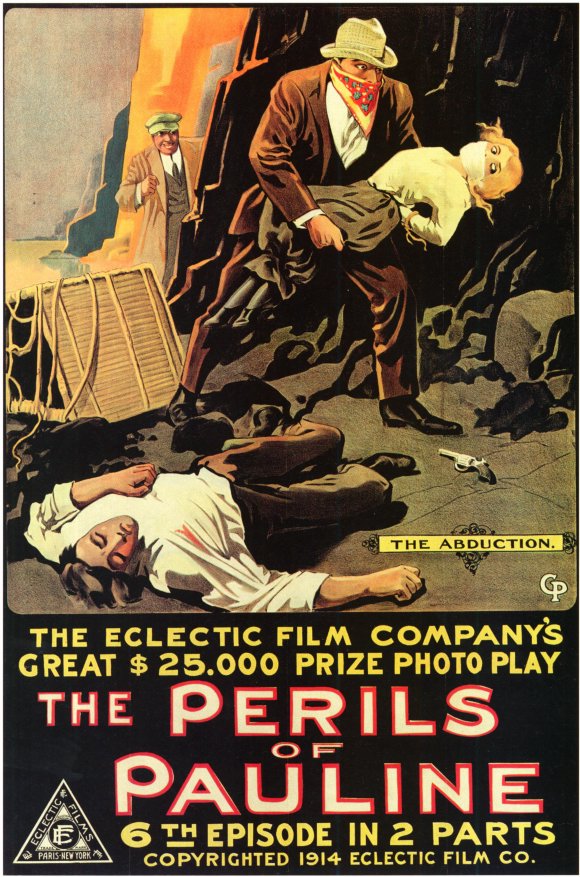
Today, I want to chat with you about discovering melodrama: a theatrical adventure for students.  I know from my own experience it is so much fun.  There used to be a melodrama in Cripple Creek, CO and Dodge City, KS which my parents and I attended.  As I was only starting my journey in theater, I was tickled by it. It was so over the top and the corny jokes kept us laughing.  We knew it was bad theater, but we just didn’t care.  It was fun and that’s what a good melodrama should be.

Discovering Melodrama: A Theatrical Adventure for Students

In the realm of performing arts, this genre stands out for its vivid portrayal of heightened emotions, intense conflicts, and larger-than-life characters – melodrama. As you might expect, I’ve performed and directed several melodramas. If you are like me, you just can’t help yourself and enjoy them, too.  If you’d like to learn more about my directing experiences, check out Eighteen Ways To Make Your Directing Experience Less Stressful, Part One

The history of melodrama is a captivating journey through the evolution of theater.  It  reflects societal changes, artistic innovation, and the eternal fascination with exaggerated emotions. Your students would enjoy learning about them and even performing them.

The Origins: Setting the Stage

If you’ve wondered, the term “melodrama” finds its roots in Greek, where “melos” means music, and “drama” means action or play. Its history traces back to the 18th century, where it emerged as a blend of spoken word and music, primarily in operas and stage productions. These performances often used music to underscore the emotions of the characters, creating a heightened sense of drama.

Discovering Melodrama: A Theatrical Adventure for Students

Little Mary Sunshine Musical

One of my favorite melodramas to direct is Little Mary Sunshine.  Are you familiar with it? From Concord Theatricals, ” This hugely successful off-Broadway show played for almost three years at New York’s Orpheum Theatre, winning an Obie award as the Best of the Season. Billed as “a new musical about an old operetta,” Little Mary Sunshine gently spoofs such old-time favorites as Rose Marie and Naughty Marietta, but has a personality all its own.

The plot is a little bit of everything: Colorado Rangers led by stalwart Captain Jim; the lovely Mary Sunshine and her “naughty” maid Nancy; a chorus of giggling schoolgirls; and the ominous but benevolent Indian chief. Hearts are won and lost and won again in this delightful, laugh-filled and charming show.

Discovering Melodrama: A Theatrical Adventure for Students
Discovering Melodrama: A Theatrical Adventure for Students

The Rise of Theatrical Melodrama

The melodrama we all think of did not gain traction until the  19th century, especially in Europe and America. However, once it caught on, it became a prominent form of entertainment. It’s big draw! It  captured the attention of a burgeoning middle-class audience.  Because of the The Industrial Revolution and the societal changes it brought, the themes of melodramas were significantly influenced.  Plus, the growing divide between social classes made for excellent story lines.

Melodrama and Characterization

Students enjoy melodramas because of the stark contrasts between good and evil, virtue and vice. Characters were often portrayed in an exaggerated manner, allowing the audience to clearly identify with the hero’s unwavering goodness or the villain’s diabolical intentions. The narratives are often simplistic, so there’s a big plus.

It also emphasizes moral dilemmas and the triumph of virtue over vice. Many of our super heroes movies, although usually considered science fiction, follow the same pattern.  Being familiar with super hero plot lines, students have an easy time understanding and portraying the characters in a melodrama. Speaking of super heroes.  Check out my blog post:Superhero Drama: Captivating Classroom Techniques

ISC.20.Performance

Theatrical Elements of Melodrama

One thing you can always depend upon in a melodrama is its emphasis on spectacle. Elaborate stage designs, dramatic lighting, and exaggerated gestures added to the overall effect, intensifying the emotional experience for the audience. Generally, music plays a pivotal role, heightening the tension and emotions of key moments.

Furthermore, stock characters (the mean villain, the sensitive hero, the persecuted heroine, the simpleton, the faithful friend and the villain’s sidekick)  became a hallmark of melodrama. These characters were archetypes that the audience can easily recognize and of which they can relate.

As most of our theater teachers will tell you, our student actors need permission to exaggerate. You wouldn’t think so, but it’s much easier to clown around in class than to actually do so on the stage.  Students aren’t willing to step out and be vulnerable when everyone is watching them.  Producing a  melodrama allows them to cut their acting teeth,  so to speak, while giving them time to adapt to the stage in general.

Did you know I have the secret to boosting student engagement?  My new book, “We’re Live! Radio Theater #101” explains my journey to implementing this unique tool in the classroom. Check it out here

Discovering Melodrama: A Theatrical Adventure for Students

My Suggestion of Melodramas

If you are considering directing a melodrama, here are a few I’d suggest considering one of these plays.

Only an Orphan Girl(5 F 3M)

The Orphan Girl is a long-suffering young lady who seems destined not only to lose her lover but her life as well. The familiar characters of old-time melodrama here play their roles up to the hilt. The most thrilling scene is that in which dynamite (planted by the villain) is about to blow all the good characters to eternity. Just in time, however, Lucy picks up the dynamite and throws it out the door. On reflection, though, it seems that the thrill just described is actually topped by the even more exciting scene in the sawmill, where Nellie, tied to a log, is approaching the circular saw which in a moment will tear her to pieces. The hero, who has been tied by the villain, is freed just in time to thrust aside the latter who draws a pistol on him and threatens to kill him if he dares touch the lever that will save Nellie. The villain fires. The hero is wounded. And, at this very instant, a friend opportunely appears to snare the villain, and Nellie is safe in the arms of her hero.

A Fate Worse Than Death–(7F 5 M) “Gadzooks! What a beautiful night for a murder!” hisses the villain. Yes, there’s plenty of dirty work going on at the crossroads as that fiendish scoundrel, Cassius Carstairs, pursues the pure Carlotta Flower, the persecuted heroine who is more sinned against than sinning. This wildly funny melodrama gives the audience every chance to hiss the villain and applaud the hero and heroine, and to have the time of their lives. With tongue in cheek it incorporates all of the surefire situations used in the old time melodramas and the result is a wonderfully happy piece of nonsense with laughs tumbling over each other in rapid succession.

Two More Suggestions

The Curse of an Aching Heart— (3 F 9 M) This modern treatment of an old melodrama will have folks hissing, booing and applauding. The sweet heroine is Melody Lane, a self educated and lovely orphan who falls into the hands of scoundrel Windermere Hightower. After Melody and the villain are married, he tells her that he expects her to carry out his criminal schemes. Revolted, she flees a wife in name only. Several months later she is at the None Such ranch where she falls in love with stalwart Lucius Goodenough. When Windermere appears at the ranch, Melody is appalled. He tries to force his attentions on her and Lucius knocks him down. For revenge, Winderemere steals money and plants it on Lucius. His dirty work is discovered and he is unmasked but he gets away and returns to the ranch disguised as a peddler. And once again the virtuous heroine is rescued by guess who?
Yellow Iris–(2 F 7 M) An Agatha Christie gem! A distressed phone call from a mystery woman brings Hercule Poirot to the hotel Jardin des Cygnes, where a man commemorates the four-year anniversary of his wife’s sudden death – a death under very suspicious circumstances that Poirot himself witnessed. Gathered is everyone present on that fateful night and now Poirot must find a killer in the midst, before they strike again.

Discovering Melodrama: A Theatrical Adventure for Students

The Enduring Allure

Audiences enjoy melodramas because they feel familiar. Have you ever seen a melodrama when you were visiting an old western town?  Yup.  They are everywhere.   The everlasting appeal of melodrama lies in its ability to heighten emotions, captivate audiences, and offer a form of escapism. The genre remains a testament to the timeless allure of storytelling through the portrayal of intense emotions and moral conflicts. I don’t plan to direct anymore, although I honestly would re-consider if someone asked me to direct a melodrama. Now, that would be fun!

Have you ever wondered about juke box musicals?  Check out this post:  Exploring the Magic of Jukebox Musicals: When Hits Shape the Stage

This has me so enthused about melodramas, I decided to create a unit for students to study and write their own melodrama.  Now, how’s that?

Here it is!  Pick it up here. 

A 7 day unit concerning playwriting and creating your own Melodrama

Do you follow me on Instagram?  If not, please do.

Pick up a free warm up collection here. Drama Warm-Ups Collection

Are you a teacherspayteachers.com member?  You can follow me here.

What experiences do you have with melodrama?  I’d love to hear about them.  Please feel free to email me here or at DhcBaldwin@gmail.com

Dramamommaspeaks Blog Author Deborah Baldwin

Share this:

  • Click to share on Tumblr (Opens in new window) Tumblr
  • More
  • Click to share on X (Opens in new window) X
  • Click to share on Facebook (Opens in new window) Facebook
  • Click to share on Pinterest (Opens in new window) Pinterest
  • Click to share on LinkedIn (Opens in new window) LinkedIn
  • Click to email a link to a friend (Opens in new window) Email
  • Click to share on Reddit (Opens in new window) Reddit
  • Click to share on Pocket (Opens in new window) Pocket
  • Click to share on Telegram (Opens in new window) Telegram
  • Click to share on WhatsApp (Opens in new window) WhatsApp

Like this:

Like Loading...

Filed Under: arts education, community theater, community theatre, drama education, Education, performing arts, plays, theater, theatre, youth theatre Tagged With: acting, high school, melodramas, Middle school

How to Celebrate Hispanic and Latino Heritage Month in the Drama Classroom

September 27, 2023 By dhcbaldwin Leave a Comment

A sombrero celebrating national HIspanic and Latino culture month

How to Celebrate Hispanic and Latino Heritage Month in the Drama Classroom

How to Celebrate Hispanic and Latino Heritage Month in the Drama Classroom

In this blog post, let’s discuss How to Celebrate Hispanic and Latino Heritage Month in the Drama Classroom. First, I want to share a little memory of mine…When I was in my teens, my father, mother and I traveled to Mexico driving from Kansas.  Needless to say, it was an amazing trip full of wrong turns, teen angst and hilarity.

The Language Barrier Gone Amok

Anyway, we hadn’t studied the Mexican language prior to traveling there.  Consequently, communicating with the Mexican people was difficult for us. One day, somehow, we ended up in the middle of a car race. My father turned a corner too tightly and put our travel trailer up on a curb where we were stuck for several hours. The racing cars had to slow down because of us.

When the policeman scolded my dad, I remember my mother (who was raised in Japan) and my father (who fought in WWII) began speaking in Japanese and German to him. Of course, he became even more furious.  Needless to say, it was embarrassing and humiliating to poor little fourteen-year-old me. Remember being fourteen?

Fortunately, we were lucky enough to see the Folklorico Ballet of Mexico one evening.  As you would expect, it was absolutely amazing! For me, it was the highlight of the entire trip. That, and the really cute boys hanging out on the Matzatland beach.

Our Family Trip to Mexico

Accordingly, we returned home and that was the end of my education about the Mexican culture.  I studied French in high school, never once considering I might enjoy learning to speak Spanish.  At the time, social studies classes didn’t study different cultures.  Surprisingly, I believe we only studied the United States. Talk about living in a bubble!

However, you and your students can celebrate different cultures right in your drama classroom.  Let’s begin with Hispanic and Latino Heritage Month.  When I began researching this subject, I was pleasantly surprised by the volume of resources available for this celebratory month.  Plus, there are many sources in theater for this celebration.  Therefore, not only do you have an opportunity to study a different culture, albeit briefly, you also can integrate drama (or vice versa) into your class.

How to Celebrate Hispanic and Latino Heritage Month in the Drama Classroom

National Hispanic and Latino Heritage Month’s Beginnings

The year was 1970 only two years after President Johnson proclaimed a week-long celebration of Hispanic people and their culture.  However President Reagan expanded the week to a month in 1988 and it was titled National Hispanic Heritage month!

If you are unfamiliar with National Hispanic and Latino Heritage month it is a time to honor and celebrate the rich cultural contributions of Hispanic and Latinx communities in the United States.  September 15 to October 15 gives a teacher  an excellent opportunity to engage their students in a diverse and immersive experience within a drama class. I think you’ll be surprised by how easy it is to celebrate the culture through your drama curriculum.  Additionally, you can foster cultural awareness, appreciation, and creativity in your students. Want to learn more about this subject? Check out another blog post, Celebrate National Hispanic Heritage Month in Your Drama Classroom Tomorrow

How to Celebrate Hispanic and Latino Heritage Month in the Drama Classroom

Seven Ways to Celebrate National Hispanic and Latino Heritage Month

  1. Exploring Hispanic Playwrights and Theater

One of the best ways to immerse your drama class in Hispanic culture is by introducing them to renowned Hispanic playwrights and their works. Discussing plays by writers such as Lin Manuel Miranda opens up conversations about the Hispanic experience, identity, and history. If you teach middle school students,  you can study Lin Manuel Miranda through these two resources:  Newspaper Article or pick up this free lesson here. Or pick up a biography lesson and one pager assignment concerning Anthony Ramos here.

  1. Performing Hispanic Plays

Organize a class performance of a Hispanic play or scene. You can select a one-act play or adapt a scene from a famous Hispanic playwright’s work. This hands-on experience will not only deepen your students’ understanding of Hispanic culture but also enhance their acting skills. I suggest purchasing a copy of Esperanza Rising play to use as a read aloud. Want to know more about the theater? Check out: The Seven Reasons I Recommend Plays for New Audiences Scripts

How to Celebrate Hispanic and Latino Heritage Month in the Drama Classroom

  1. Guest Speakers and Workshops

If possible, I’d suggest inviting guest speaker or theater professionals with a Hispanic heritage to share their experiences and insights with your drama class. They can discuss their journey in the theater world, the importance of representation, and the cultural significance of their work. Workshops on Latinx theater techniques, dance, or music can also add a dynamic dimension to your drama curriculum. Or maybe you want to show your students what is possible for them if they are of Hispanic descent and interested in a professional career.  Use this video clip to teach about Hispanic American Theatre  Want to know other ways to use video in your classroom?  Check out:  Underestimate the Influence of Teaching with Videos

More Celebration Ideas

  1. Research and Presentations

Another idea is to assign students to complete a short research project focused on a prominent Hispanic actor, director, or playwright. They can explore their contributions to the theater world and the impact of their work on Hispanic culture. Require your students to make a presentation of it.  However, if your students don’t have time to study anyone in depth, check out: Designing Broadway:  On Your Feet!  Costume Designer Emilio Sosa. 

How to Celebrate Hispanic and Latino Heritage Month in the Drama Classroom

  1. Bilingual Performances

Although this is a little difficult to do, it would be very interesting for your students to perform a scene or monologue in both English and Spanish. This exercise not only improves their language skills but also allows them to connect with the material on a deeper level.

Most importantly, it emphasizes the importance of language as a bridge between cultures. Here are some you could use: Quiara Alegría Hudes: Barrio Girl. Dramatic Publishing. Luis Alfaro. Black Butterfly, Jaguar Girl, Piñata Woman and Other Superhero Girls, Like Me. Playscripts, Coleman A. Jennings: Nine plays by José Cruz González (anthology). Dramatic Publishing. or Karen Zacarías: Cinderella Eats Rice and Beans. How the Garcia Girls Lost their Accent. Looking for Roberto Clemente. Magical Piñata. Frida Libre. Dramatic Publishing.

  1. Cultural Immersion

To truly celebrate Hispanic culture, consider organizing a cultural immersion day. This could include a screening of a Hispanic film, a salsa dancing lesson or perform a readers theater script. Any of these activities will engage your students.  By immersing students in the sights, sounds, and flavors of Hispanic culture can be a memorable and enjoyable experience. Check out these units:  The Magic Lake (Peruvian Legend), The Legend of the Poinsettia (Mexican Legend) or In the Heights Broadway Musical Unit (Latino culture).

How to Celebrate Hispanic and Latino Heritage Month in the Drama Classroom

Collaborative Projects

Lastly, students enjoy learning with a partner. Additionally, they enjoy costume design.  How about assigning students to design costumes for a Hispanic version of  the story of Cinderella in play form  using Vogue magazine fashion design sketching app.? Or creating a stage property with a Latin theme using an app. like Tinkercard.com?

The Hispanic Culture and Heritage is Deserves Our Respect

I’ve only scratched the surface as far as the resources available to use when celebrating this terrific culture.  Just remember that celebrating Hispanic and Latino Heritage month in drama class is not only educational but also a celebration of the rich tapestry of American culture.  Lastly, I hope you embrace this month as an occasion to broaden horizons, encourage empathy, and promote the importance of diversity and inclusion in the world of theater. Because as I always say…there’s no better place to learn than through theater! 

What celebrations do you have planned for your students?  I’d love to hear about them.  Contact me at DhcBaldwin@gmail.com and we’ll chat!

Woman behind DramaMommaSpeaks


Share this:

  • Click to share on Tumblr (Opens in new window) Tumblr
  • More
  • Click to share on X (Opens in new window) X
  • Click to share on Facebook (Opens in new window) Facebook
  • Click to share on Pinterest (Opens in new window) Pinterest
  • Click to share on LinkedIn (Opens in new window) LinkedIn
  • Click to email a link to a friend (Opens in new window) Email
  • Click to share on Reddit (Opens in new window) Reddit
  • Click to share on Pocket (Opens in new window) Pocket
  • Click to share on Telegram (Opens in new window) Telegram
  • Click to share on WhatsApp (Opens in new window) WhatsApp

Like this:

Like Loading...

Filed Under: acting, Arts, arts education, community theater, drama education, drama integration, Education, excellence in teaching, High School, middle grades, Teacherspayteachers, Teaching, teaching strategies, theater, theatre Tagged With: Barrio Girl. Dramatic Publishing. Luis Alfaro. Black Butterfly, drama class, Dramatic Publishing, high school theater, Hispanic American Theatre, Hispanic culture, In the Heights Broadway Musical, Jaguar Girl, Like Me. Playscripts, Lin Manuel Miranda, Middle school, Piñata Woman and Other Superhero Girls, The Legend of the Poinsettia Readers Theater Unit, The Magic Lake Readers Theater Unit

October’s Curtain Call: Remarkable Moments in Theater History

September 13, 2023 By dhcbaldwin Leave a Comment

October's Curtain Call: Remarkable Moments in Theater History

When I began this blog in 2014, my hope was that I could be of assistance to theater teachers around the world.  Thousands of people read my blog every year and for that I am honored. Today I want to discuss lesson plan ideas which take very little time and effort which are prompted by the calendar for October. Here’s my blog post– October’s Curtain Call: Remarkable Moments in Theatre history.

In 1981 (I know it’s difficult to believe) when I began teaching language arts, education was a quite different then. One aspect I remember vividly is the lack of resources for teachers.  Friend, there was simply nothing created for us to use in the classroom. Consequently, I created everything I needed. The job was difficult enough without that added challenge. I hold language arts teachers in high esteem.  Truthfully, I’m not much of a language arts teacher but hey, I needed a job. Not surprisingly I’m a much better writer now because I taught the basics of writing to students all those many years ago.

Teaching Theatre in Middle School

In 1995 I was hired to teach a pre-elective drama class in a brand new middle school.  Again, there were even fewer resources to teach the class–such as teaching units, games, play anthologies, posters or textbooks.

As a member of various theater teacher and director Facebook groups, I read posts nearly everyday of teachers needed everything from lessons to ways to decorate their room.  For example, here is one easy way to decorate your room with little work. If you’d like to read another post about decorating your classroom, check out: My Theatre Vocabulary List for the Classroom

October's Curtain Call: Remarkable Moments in Theater History

Uses in the Classroom

There are many ways to uses these historical dates in your teaching.  With each date, I’ve included suggestions to give you an idea about how to utilize them.  Firstly, one way you could use a historical date is to merely post it on the bulletin board or display on your whiteboard. Discuss the historical moment and leave it at that.

Another choice is to teach a quick lesson using the topic of the historical date.

Here are a few notable events from theater history which took place in October:

  • October 1, 1935 : Birthday of Broadway leading lady Julie Andrews, who stars in The Boy Friend, My Fair Lady, Camelot, and Victor/Victoria—but never wins a Tony Award (she famously renounces her nomination for Victor/Victoria when the rest of the cast was “egregiously overlooked”). She wins an Oscar for playing the title role in the Disney movie musical Mary Poppins.  (Teach with this lesson: Julie Andrew Biography)
  • October 2, 2003: Hunter Foster and Kerry Butler star in a Broadway production of Alan Menken and Howard Ashman‘s musical Little Shop of Horrors, which ran for several years Off-Broadway in the 1980s, but only now makes its Broadway debut. The production runs 10 months at the Virginia Theatre. (show a video clip from the production–Feed Me Seymour (Note:  Bad language at 3:44)
  • October 6, 2003: The musical Wicked, based on the novel by Gregory Maguire and featuring music and lyrics by Stephen Schwartz, premiered on Broadway at the Gershwin Theatre. It quickly became a commercial and critical success. (Teach the lesson and Create costume designs for Wicked.)
  • October 9, 1968 Dude, Gerome Ragni and Galt MacDermot’s musical follow-up to megahit Hair, opens on Broadway—and falls flat on its face, getting roasted by critics and running just 16 performances. (It might be fun to talk about some Broadway shows which were flops.)
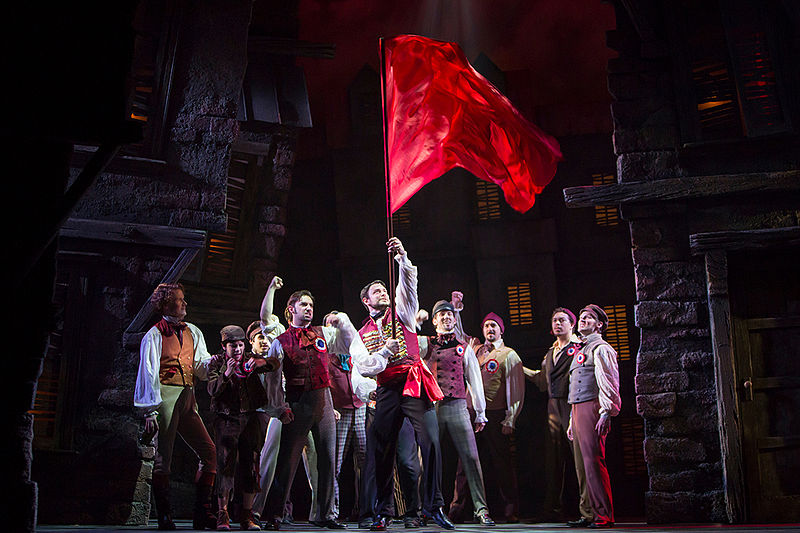
  • October 11, 1987: The musical Les Misérables made its Broadway debut at the Broadway Theatre in New York City. It would go on to become one of the longest-running and most beloved musicals in theater history. (Here’s a unit concerning Les Mis Broadway Musical Guide)
  • If you’d like a biography assignment concerning Julie Andrews, check mine out: Julie Andrews in my TPT store, or in my Payhip store at: Julie Andrews. 

File:Les Misérables.jpg

Be Clever and Unique

I’m all about being innovative.  Using these historical dates are a perfect break in the learning from everything else a teacher’s been teaching.  It would be very easy to lengthen the information I’ve provided here and use it for a whole class period.

  • October 16, 1950: Arthur Miller’s iconic play Death of a Salesman premiered on Broadway at the Morosco Theatre. The play would go on to win the Pulitzer Prize for Drama and become a classic of American theater. (monologue from  Death of a Salesman (3:33 mins.) 
  • October 17, 1935: The Federal Theatre Project (FTP) was established in the United States as part of the Works Progress Administration (WPA) during the Great Depression. This program aimed to provide employment for theater professionals and produced a wide range of theatrical productions across the country. Briefly discuss the Federal Theatre Project.
  • October 30, 1975: The cult classic musical The Rocky Horror Picture Show premiered in theaters. While not initially successful, it became a midnight movie phenomenon with audience participation and interactive screenings, leading to a unique and enduring theatrical experience. ( Start class with dance warm up of Time Warp from Rocky Horror Picture Show.)
  • October 30, 2019: The musical adaptation of the movie Beetlejuice opened on Broadway at the Winter Garden Theatre. While it gained a dedicated fanbase, it closed in 2020 due to the COVID-19 pandemic. (Study the musical through this three day unit, Beetlejuice the Broadway Musical.)

October's Curtain Call: Remarkable Moments in Theater History

If you’d like to do the same thing for another month such as November go to:  Theatre History in November

The Importance of Studying Theatre History

You may think it is not beneficial to study any dates from history focused on theatre history.  I’d have to argue with you about that opinion.  Learning about the history of theatre, even if it’s just the birthdate of a iconic actor, is interesting if not vitally important.  I found this quote in https://www.mooc.org, an online education website, “When we study history, we learn how we got where we are, and why we live the way we do. It’s the study of us—of humans and our place in an ever changing world. Without it, we wouldn’t understand all of our triumphs and failures, and we would continually repeat patterns without building forward to something better.”

These are just a few examples of significant events in theater history that occurred in the month of October. Theater continues to evolve and thrive, with new productions and milestones happening all the time.

Looking for something free for a substitute to teach?  Pick up a free lesson about Audra McDonald at: Audra McDonald

If I were you, I’d create signs which name could be posted on the whiteboard. I’d make a copy of my free template! Since it’s editable, you can use it many times.

WHAT HAPPENED IN THEATRE HISTORY POWERPOINT.

Have you used “Today in theater history…” lessons before?  I’d love to hear about them.  Contact me at DhcBaldwin@gmail.com

Woman behind DramaMommaSpeaks


Share this:

  • Click to share on Tumblr (Opens in new window) Tumblr
  • More
  • Click to share on X (Opens in new window) X
  • Click to share on Facebook (Opens in new window) Facebook
  • Click to share on Pinterest (Opens in new window) Pinterest
  • Click to share on LinkedIn (Opens in new window) LinkedIn
  • Click to email a link to a friend (Opens in new window) Email
  • Click to share on Reddit (Opens in new window) Reddit
  • Click to share on Pocket (Opens in new window) Pocket
  • Click to share on Telegram (Opens in new window) Telegram
  • Click to share on WhatsApp (Opens in new window) WhatsApp

Like this:

Like Loading...

Filed Under: arts education, community theater, drama education, Education, excellence in teaching, middle grades, Teaching, theater, theatre, youth theatre Tagged With: Death of a Salesman, Federal Theatre Project, Hair, Julie Andrews, Les Mis, LIttle Shop of Horror, Wicked

 Exploring the Magic of Jukebox Musicals: When Hits Shape the Stage

August 11, 2023 By dhcbaldwin Leave a Comment

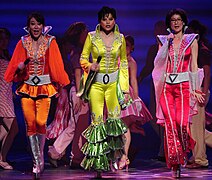
Three female leads of Mama Mia musical
 Exploring the Magic of Jukebox Musicals: When Hits Shape the Stage
In this blog post, we’ll delve into the world of jukebox musicals, understanding what they are, their history, and their enduring charm and go exploring the magic of juke box musicals: when hits shape the stage. When I was nine years old, my parents drove all the way from Kansas to Alaska.  It was a fabulous trip and I loved every minute of it.  I have many memories of that trips.  In fact, I remember more of that vacation than many others.  I wonder why?
 Exploring the Magic of Jukebox Musicals: When Hits Shape the Stage
After driving nearly  4,000 miles to get to Alaska, my father didn’t want to drive the entire way back.  He planned for us to journey back to the states on a ferry.  We had made the trip with another family and their teenage daughters.  Although the girls were much older than I, they were kind and played with me.  Traveling on the ferry took more than a day, I believe. There wasn’t a lot for us to do and we became quickly bored having only the activity of strolling around the ferry.
 Exploring the Magic of Jukebox Musicals: When Hits Shape the Stage

Seeing My Future

The girls invited me along on their walks. I felt so special! We discovered the coffee shop contained a juke box.  I remember the juke box was shiny and the lights which were blue and blinked when a song played.   I’d never played a jukebox before and I was mesmerized by it.  Someone chose Paperback Rider by the Beatles.
Hearing the song, the teens appeared from everywhere jumping up and dancing to the music. My traveling buddies squealed and began dancing, too.  Thinking I was the same age as they, I joined them.  For the first time in my young life, I saw my future full of being a teenager and spontaneously enjoying life like I’ve never done before. I learned the lyrics to Paperback Rider dancing over and over again to the juke box that day.
To this day, whenever I see a juke box (and they are so rare to find anymore), I remember dancing to the ferry boat’s jukebox on the ocean between Alaska and Canada.
Did you know I have the secret to boosting student engagement?  My new book, “We’re Live! Radio Theater #101” explains my journey to implementing this unique tool in the classroom. Check it out here

What are Jukebox Musicals?

Many theater and music students are unfamiliar with the term “jukebox” musicals.  Like other genres in music, it has its place in history.  In an effort to research them, I decided that a blog post focused upon them would be helpful to teachers, too. Of course, my little creative mind is thinking about a juke box musical product, too!
 Exploring the Magic of Jukebox Musicals: When Hits Shape the Stage

 Jukebox musicals are an exciting  genre of theater.  They capitalize on the power of weaving popular songs into the narrative.  In turn, it creates an exciting experience which resonates with both nostalgic fans and newcomers alike.

Are you looking for a unit about musical theater?  Check out this one:  Creating Your Own Juke Box Musical.

Cover of a middle school unit about creating your own juke box musical.

Are Jukebox Musicals Unique? 

At their core, jukebox musicals are a unique type of musical.  However, juke box musicals theatrical productions uses pre-existing popular songs and integrate them into their storylines. These songs are often hits from a particular artist, era, or musical genre. Unlike traditional musicals that feature original scores, jukebox musicals repurpose well-known tunes to enhance the storytelling.  People love juke box musicals! It brings together the familiarity of beloved songs with the excitement of live performance.  Plus, audiences enjoy this unique form of entertainment that blurs the lines between concert and theater. It’s a win-win!

Roots of Jukebox Musicals

The roots of jukebox musicals can be traced back to early musical revues and variety shows. Historically, snippets of popular songs were integrated into the performance. However, the genre truly gained prominence in the latter half of the 20th century. One of the earliest examples is “Ain’t Misbehavin'” (1978), which celebrated the music of Fats Waller. Yet, it was “Mamma Mia!” (1999), featuring the hits of ABBA, that catapulted jukebox musicals into mainstream success.

 Exploring the Magic of Jukebox Musicals: When Hits Shape the Stage

Important Elements of Jukebox Musicals

  1. Song Selection: As you would imagine, what is most important is the choice of song as they can make or break a successful production. The selected tracks must not only fit the narrative but also resonate with the audience’s emotions. These songs serve as emotional points of reference, thereby intensifying the impact of the storyline.
  2. Storyline Integration: Second most important element is the storyline.  It must seamlessly weave the songs into the plot.  We don’t want a scene to be dramatic only to have a humorous song complete it.  The two must jibe.  While some jukebox musicals opt for a biographical approach (e.g., “Jersey Boys” about Frankie Valli and The Four Seasons), others create entirely fictional tales (e.g., “Rock of Ages” and most recently, One More Time–the music of Brittany Spears).
  3. Nostalgia and Familiarity: Audiences enjoy reminiscing, especially through music.  Jukebox musicals often thrive on nostalgia, evoking memories of a particular time or artist. This sense of familiarity draws audiences in and encourages them to relive fond moments.
  4. Creative Reinterpretation: Successful jukebox musicals reimagine songs to fit the context of the story. Sometimes, lyrics take on new meanings when performed in a different context, adding depth and nuance to the original tracks. This is one of my favorite assets of a juke box musical–to use a song in a different way which gives it new meaning. 

(If you’d like to study juke box musicals with your students, check out this low prep unit:  Create Your Own Jukebox Musical

Cover of a middle school unit about creating your own juke box musical.

The Enduring Allure

Jukebox musicals continue to enchant audiences for several reasons:

  1. Familiarity: The comfort of recognizing songs instantly establishes a connection between the audience and the production.
  2. Cross-Generational Appeal: These musicals often introduce classic hits to younger generations, while simultaneously evoking nostalgia for older ones.
  3. Energetic Performances: The fusion of live performance with beloved songs creates a vibrant and captivating atmosphere.
  4. Escape and Emotion: The synergy between music and storytelling allows for immersive emotional experiences that can be both uplifting and cathartic.

My Favorite Jukebox Musicals

I always confidently announce to friends, “There isn’t a musical I don’t like.” Yet, it’s true!  Even if it’s not my favorite, I always appreciate the time it took to craft it, build, rehearse and perform it.  Here are some of my favorites:

1.  Top of the list for me is Mama Mia!

The story: On the eve of her wedding, a daughter’s quest to discover the identity of her father brings three men from her mother’s past back to the island they last visited 20 years ago. Beloved songs such as  I Have A Dream, Honey, Honey, Money, Money, Money, Thank You For The Music, Mamma Mia!, Chiquita, Dancing Queen, Lay All Your Love On Me, Super Trouper, The Name of The Game, Voulez-Vous, S.O.S., Knowing Me, Knowing You, Our Last Summer and  The Winner Takes It All. Wow! 
 Exploring the Magic of Jukebox Musicals: When Hits Shape the Stage
2.  Jersey Boys The story: In the 1960s, four scrappy young men from New Jersey — Frankie Valli (John Lloyd Young), Bob Gaudio (Erich Bergen), Nick Massi (Michael Lomenda) and Tommy DeVito (Vincent Piazza) — have the magic sound that propels them from singing under streetlights to singing in spotlights. With songs like Sherry, Big Girls Don’t Cry and Walk Like a Man,the quartet finds itself at the top of the charts. However, personal and professional problems threaten to tear the group apart.

 Exploring the Magic of Jukebox Musicals: When Hits Shape the Stage

3. Beautiful: The Carol King Musical-The story of Carole King is inspiring  and true.  Beautiful takes  you on an unforgettable journey of a remarkable career. A tapestry of creativity and innovation, Carole King paved the way for female artists for generations to come. Songs you’ll recognize are So Far Away, You’ve Got a Friend, Take Good Care of My Baby, Will You Love Me Tomorrow, I Feel the Earth Move and Locomotion among many others.
 Exploring the Magic of Jukebox Musicals: When Hits Shape the Stage
Create Your Own Musical Unit
Do you want your students to immersive themselves in the basic ideas behind creating a musical? Then check out my unit.  Make sure you follow me, too because soon I will have another coming out on the topic!  (Hint, hint)  Want some advice about directing a musical?  So You Are Directing a Musical…Now What? orYouth Theater Musical Rehearsal: What You Need to Know.
(Psst. Are you following me on Teacherspayteachers.com?  I would.  Whenever I upload a new product, TPT announces it to my followers.  Follow me here: Dramamommaspeaks Store.

Jukebox musicals are a celebration of the timeless power of music.  By artfully blending well-known songs with captivating storytelling, they create an unforgettable experience. Simply put, jukebox musicals resonate with diverse audiences. As the genre continues to evolve, it’s clear that the magic of jukebox musicals lies in their ability to transport us. So, the next time you’re looking for a theatrical journey that combines the best of both music and drama, consider diving into the world of jukebox musicals for a truly enchanting experience. (Want to pick up a free lesson about Myles Frost, the star of MJ the Michael Jackson Jukebox musical?

Here’s a free poster for your classroom of all of the Tony winning musicals here. Tony Award Winning Musicals Poster

What jukebox musicals have you seen?  Which do you enjoy the most?  I’d love to hear about them.

Click here:  We’re Live! Radio Theater #101

Share this:

  • Click to share on Tumblr (Opens in new window) Tumblr
  • More
  • Click to share on X (Opens in new window) X
  • Click to share on Facebook (Opens in new window) Facebook
  • Click to share on Pinterest (Opens in new window) Pinterest
  • Click to share on LinkedIn (Opens in new window) LinkedIn
  • Click to email a link to a friend (Opens in new window) Email
  • Click to share on Reddit (Opens in new window) Reddit
  • Click to share on Pocket (Opens in new window) Pocket
  • Click to share on Telegram (Opens in new window) Telegram
  • Click to share on WhatsApp (Opens in new window) WhatsApp

Like this:

Like Loading...

Filed Under: arts education, arts integration, community theater, drama education, music education, Musical Theatre, Professional Theatre, theater, youth theatre Tagged With: Beautiful: The Carole King Musical, creating a musical, history of musical theater, Jersey Boys, jukebox musicals, Mama Mia

Stage Makeup and Its Transformative Power for Students

July 19, 2023 By dhcbaldwin Leave a Comment

Theater student in stage makeup

I’m mentioned this in the past, but thought I’d reiterate it if you’ve not heard it. Let’s talk about Stage Makeup and Its Transformative Power for Students.

The Transformative Power When Students Apply Stage Makeup

Stage Makeup and Its Transformative Power for Students

This is a true story.

When I was in seventh grade, I wanted to wear makeup. Of course, that was about 100 years ago, so let’s keep it in perspective…My mother wasn’t ready for that step in my life quite yet, but I was.  Boy, was I ready.
I read in a Seventeen magazine that I could make my own “home made” mascara using charcoal and petroleum jelly.  I went to work!
Now I’m not known to be very patient (although I am better now that I have grown older), so I looked around our house for the two ingredients I needed.  Hmmm.  I found a jar of petroleum jelly  in my bathroom cabinet, but charcoal? The only charcoal I knew of was charcoal briquettes.

My Makeup Journey

Briquette - Wikipedia
Being my impulsive self as well and not taking into account that perhaps a charcoal briquette was the wrong kind of charcoal for my DIY mascara, I mixed it into the petroleum jelly anyway.  Yes. I. Used. A. Charcoal. Briquette. No kidding. Needless to say, it was a flop.
Upon entering our dining room for dinner that evening while modeling my  “homemade mascara”, my mother let out an “Oh my!” Not surprisingly, soon after she drove to a Merle Norman store and enrolled me in a class about makeup.

Stage Makeup and Its Transformative Power for Students

Luckily, I learned to apply makeup and in later years discovered in college that I really enjoyed designing stage makeup or theatrical makeup. It seems obvious that students would enjoy studying about stage makeup.  Additionally, it helps so much for novice actors to “see” what their character will look like.  Coupled with a costume, some actors come to life as the character for the first time.  It is really that magical.

Did you know I have the secret to boosting student engagement?  My new book, “We’re Live! Radio Theater #101” explains my journey to implementing this unique tool in the classroom. Check it out here

The Transformative Power When Students Apply Stage Makeup

Reasons To Study Theatrical Makeup

  1. Character Transformation: Stage makeup is a powerful tool that allows actors to transform their appearance and effectively portray a wide range of characters. By studying stage makeup, theater students learn how to use makeup techniques to enhance facial features, create age, gender, or ethnic-specific looks, and convey emotions. This skill helps them bring their characters to life and make them more believable on stage.
  2. Visual Communication: In theater, makeup serves as a visual language that communicates important information to the audience. Different makeup techniques can convey specific time periods, social statuses, or cultural backgrounds of characters. By understanding the principles of stage makeup, theater students learn how to use color, shading, highlighting, and contouring to visually communicate the desired message and enhance storytelling.
  3.  Versatility: Stage makeup is not limited to traditional theater productions. Various performing arts disciplines such as film, television, opera, and dance use stage makeup as well.  Students can study to become a professional stage makeup artist and they’ve got themselves a job!

Reasons to Study Theatrical Makeup

4.  Collaboration and Teamwork: For particular productions using a certain style or concept, stage makeup involves collaboration with other artists, such as costume designers, lighting designers, and directors. One of the most   important skills our students can learn is how to work with others because in the professional world of theater, it’s a team effort for certain. Learn more about how theater skills help in careers here: Why Theater Education Matters: Developing Key Life Skills

5.  Self-Sufficiency: In many theater companies (particularly those with small budget), actors are often responsible for applying their own makeup depending upon the budget of the show. By studying, designing and applying  stage makeup theater students gain the ability to create their own character looks.  Accordingly, this can be particularly beneficial in smaller productions, when working on independent projects. This independence allows actors to take more control over their creative process and in bringing their characters to life. What a terrific differentiation! 

6.   Understanding Lighting and Stage Effects: By studying stage makeup, theater students gain an understanding of how makeup interacts with stage lighting.  Thus, ensuring that their character’s features remain visible and expressive even under different lighting conditions. Having this information helps actors develop  makeup techniques to the specific requirements of a production.  Consequently, this results  in a more polished and professional performance.

A Bundle of Stage Makeup Units

You may be unaware, but I create theater education resources.  You can purchase them here.

I have a bundle of stage makeup units. Here’s its description for you:

SAVE 30%! This bundle contains 4 lessons on stage makeup (old age, neutral, circus, zombie and fantasy) and gives your students a chance to be makeup artists. They’ll view, study, take notes on concepts, apply the knowledge, design and apply their own ideas. These are great for an upper middle school ( a little challenging) or high school drama class.

Each Stage Makeup Lesson includes:

  • Warm-Up Exercises
  • The History of Stage Makeup (separate file of PowerPoint slides & teacher’s lecture notes)
  • Theatre Quote page–great to use for discussion and/or bell ringers
  • Teacher’s Script–what I say and how I say it!
  • Procedures
  • Materials List
  • Source & Video link list ( old age, basic and circus and fantasy makeup tutorials, etc.)
  • Pinterest board links with examples for some lessons
  • Female Makeup Design Template
  • Male Makeup Design Template

My stage makeup studies include entire lessons for you. If you still need some persuading, check out this blog post: Critical Steps in Producing a Play or Musical: Stage Makeup

The Transformative Power When Students Apply Stage Makeup

Choice Boards for Differentiation

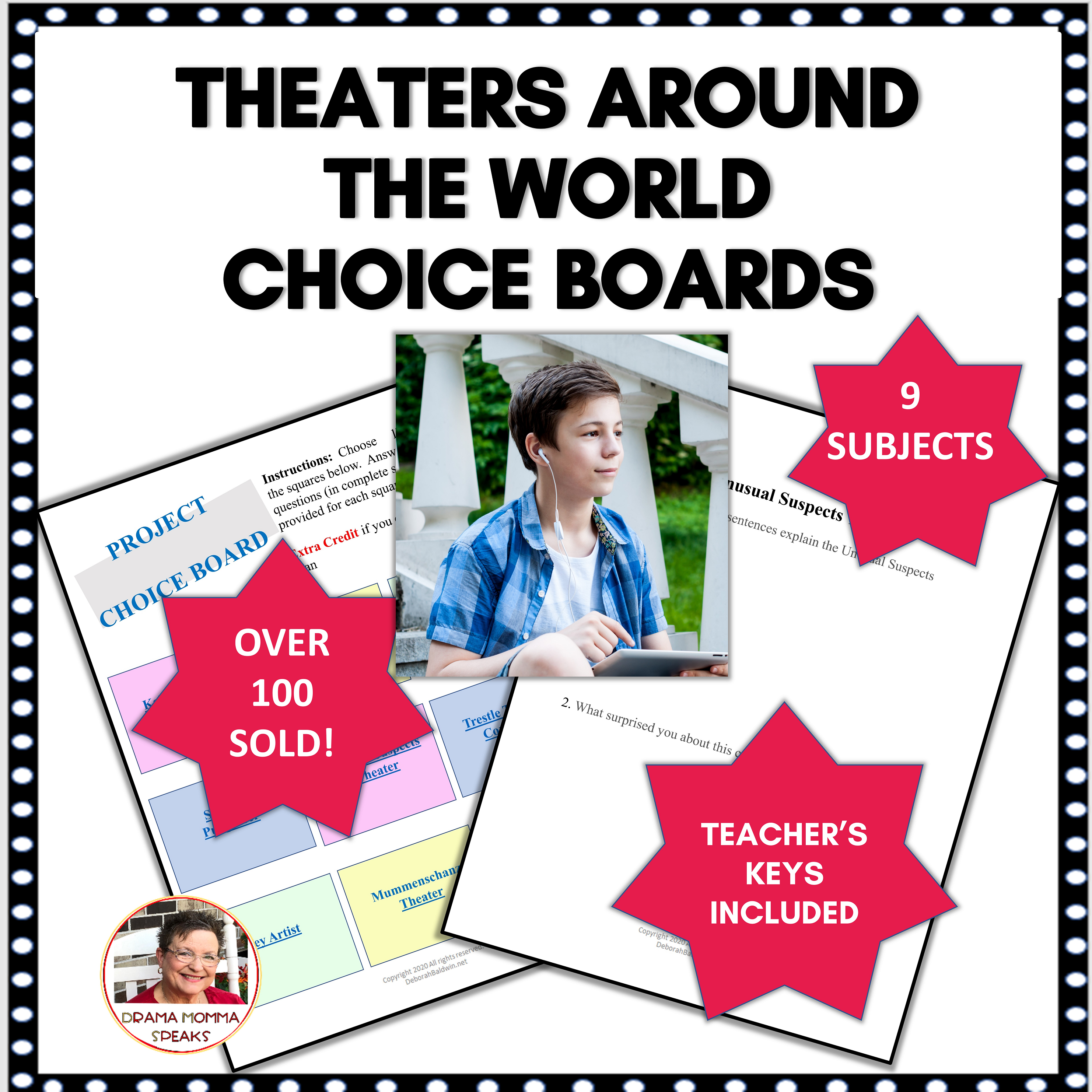
If you are looking for a way to teach students about theaters around the world, check out these Choice Boards. 

What are Choice Boards, you ask?  In this case, my choice boards are a collection of links which lead to video clips.  Students select the subjects they are most interested in, view the video clips and answer the questions.  This is super differentiation! By tailoring instruction to meet individual needs. through content, process, products, the learning environment,  ongoing assessment or  flexible grouping, differentiation creates a successful approach to instruction.

I hope you’ll considering teaching about stage makeup with your students.  It’s so important.  Just watch the transformation of your students as they apply it! Suddenly, you’ll see a student transform into a character.  Costumes do the same thing for them. As I mentioned above, these skills contribute to students’ overall artistic development and enable them to deliver compelling performances that captivate and engage audiences.
What styles of stage makeup design have you taught your students?  Did they enjoy it?  I’d love to learn about it.  Contact me at DhcBaldwin@gmail.com
Woman behind DramaMommaSpeaks

Share this:

  • Click to share on Tumblr (Opens in new window) Tumblr
  • More
  • Click to share on X (Opens in new window) X
  • Click to share on Facebook (Opens in new window) Facebook
  • Click to share on Pinterest (Opens in new window) Pinterest
  • Click to share on LinkedIn (Opens in new window) LinkedIn
  • Click to email a link to a friend (Opens in new window) Email
  • Click to share on Reddit (Opens in new window) Reddit
  • Click to share on Pocket (Opens in new window) Pocket
  • Click to share on Telegram (Opens in new window) Telegram
  • Click to share on WhatsApp (Opens in new window) WhatsApp

Like this:

Like Loading...

Filed Under: arts integration, community theater, drama education, drama integration, Education, excellence in teaching, middle grades, Teacherspayteachers, Teaching, theater, youth theatre Tagged With: choice boards, cooperative learning, differentiation, high school drama class, middle school drama class, stage makeup, stage makeup design, theater profession

What Everyone Should Know About Selecting a Musical For Their School

July 5, 2023 By dhcbaldwin Leave a Comment

Today, I want to talk to you about what everyone should know about selecting a musical for their school. As much as it is exciting to think about what production would serve your students the best, it’s also a huge challenge to do so.

Before you, the director, do anything you of course must read several scripts and select the one you like the most. This needs to occur at least six months in advance–don’t wait on this decision. (Why?  Because everyone and their dog is getting rights to productions.) I suggest you check out: Music Theater International or  Concord Theatrical, but there are many more just as good. 

First, I’d look over the music and make certain you have students who can sing the roles. Check vocal ranges, too.  Musicals are notorious for having many scene and costume changes, so be on the look out for those needs.  All that will matter when you begin to mount the production.  I have a lot of experience with Music Theater International.  Check out this post concerning my opinion of them:  MTI Junior Musicals– A Dream Come True!

My First Choice for a Musical

People ask for my advice concerning which musical they should select.  Generally, if it’s their first musical I suggest the near classic The Music Man.  It is still my go-to if I have the opportunity to choose the production.

What Everyone Should Know About Selecting a Musical For Their School

Selecting a Musical for Your School

Here’s the synopsis straight from Music Theater International, “By turns wicked, funny, warm, romantic and touching, The Music Man is family entertainment at its best. Meredith Willson’s six-time, Tony Award-winning musical comedy has been entertaining audiences since 1957 and is a family-friendly story to be shared with every generation.

The Music Man follows fast-talking traveling salesman, Harold Hill, as he cons the people of River City, Iowa, into buying instruments and uniforms for a boys’ band that he vows to organize – this, despite the fact that he doesn’t know a trombone from a treble clef. His plans to skip town with the cash are foiled when he falls for Marian, the librarian, who transforms him into a respectable citizen by curtain’s fall.”

This script is written very well.  If you’ve ever seen a play written by Neil Simon, you know that no matter who directs it the script will carry the actors’ performances no matter their quality.  Meredith Willson’s book for The Music Man is the same way.  To think that this gem was written in 1957 and still stands the test of time, never feels dated or old is a testament to its quality.

Looking to teach how to write your own musical to beginning students?  Go here.

File:Meredith willson 1937edited.jpg

Meredith Wilson

Selecting a Musical for Your School

Ever heard the phrase “butts in the seats”? In theatre, one of our biggest challenges is paying the bills for a production.  Some companies mount only musicals because they’ve discovered musicals have wide appeal. They are big money makers which is a good thing, because they cost a fortune to just rent!

So, if you want to fill your venue’s seats with more than just parents and students’ friends, pick something like The Music Man as your first production. If you are the first person to begin a program in your school, you want to wow your audience and establish a strong foundation for the future.  I do not recommend you do the latest and trendiest musical right now, whatever it may be.  Establish your program first and then select something more modern.

I recommend Music Man because the show has been around for many years and people have either seen it many times, on screen and a theater or they’ve performed in it.  It’s a staple of most theater companies, especially community theater.

What Everyone Should Know About Selecting a Musical For Their School

Your Objective

It’s important for you to have an objective with your production.  Some questions to ask yourself–Are you trying to establish a new program?  Or establish yourself in the department?  Or do you want a theater program which parents can trust and support?

The selection of your future musicals and plays will address your objective if you first decide upon it. You can always change your mind after a year or two and head a different direction if you aren’t having the success you expect.

The Music

This music has a “toe tappin'” kind of feel.  A lot of the songs are very familiar to people and you will find that your students may not them by having heard them so much.  Songs like “76 Trombones” is the most famous.  Most of the music is easy to learn.

The only difficult is that of the barbershop quartet (aka the School Board) with songs such as “Lida Rose.”  Also, Marion has an exciting one–“My White Knight.” Generally, the music can be learned to sing either unison if you need or several parts or a full out chorus

What Everyone Should Know About Selecting a Musical For Their School

Cast Break down

The show requires thirteen males and females and a chorus.  Your chorus can be as large as you need which in a school setting is so helpful.   Your biggest challenge is finding a male to play Harold Hill, the lead.  If he can act well, but his singing isn’t the best that’s okay.  It’s most important that your female lead, who portrays Marion Paroo, be a lovely singer who sings soprano.

The Music Man is a terrific vehicle for females.  Halleluijah!  If you are producing this at the high school level, you can feature a group of dancers who portray the students in the band at the end of the show.  Also, you need a few younger students.  You can involve elementary students or use students who are small and look younger.

Several of the characters require acting which is comedic and broad. Generally, novice actors  can do this believably.  Directing broad acting is easiest for novice directors as well.  The Mayor, his wife Eulailee,  his daughter Zaneeta, Zaneeta’s boyfriend Tommy, Harold’s friend Nathan.

Plus, some members of the chorus such as the Pick a Little Ladies and the School Board have great moments for comedy.  If the acting becomes too melodramatic, it is easy to direct actors to “pull it back a bit.” I always say if you have a strong Harold Hill and Marion Paroo the show can ride on that!

What Everyone Should Know About Selecting a Musical For Their School

Set Design

Another plus to The Music Man is the set.  There are several settings in the show:  the library, the Paroo home and porch, the school gymnasium and the town square. They can be depicted with the use of flats made into periaktois which display the different places in the story.

If you have room for a turntable, it’s useful in this situation and keeps the production moving along smoothly.  If you have room for platforms, you could use them instead.  And the use of white lattices goes a long way to give the idea of a small town at the turn of the century.

What Everyone Should Know About Selecting a Musical For Their School

Costumes

As we probably know, costumes play a vital role in a production.  This show is set in the early 1900s.  Never you mind about that!  I’ve found that if you have one costume per person for this production you can get by adequately.  The woman need long skirts, long sleeved blouses with high collars.

The girls need calf length skirts and blouses like the ladies. The men and boys need trousers, a long sleeved shirt and a hat.  Generally, my Harold and Marion have several costumes. There is a barbershop quartet which are fun to dress alike and a group of ladies who dress in Grecian togas for one scene.  Everything is up to your concept, so just do the best you can. 

Here’s a secret.  If everyone has the proper shoe wear for the show, you can pull it off.  So, women in heeled lace up boots (which look like the time period), and children in a neutral shoe like a short boot or girls in a black flat are adequate.

A good place to find hats for this musical is Amazon.  I see they have skimmer hats for men.  Or you can purchase  inexpensive simmer hats which are made of  sytrofoam  and paint them with craft paint to look more believable.  In the past, my ladies purchased hats with large brims. They’d get together and have a hat party decorating their hat for their character. I’d suggest a few of these hats. Hot glue some flowers on these babies and you are good to go!

The only big challenge in costuming are the marching band uniforms.  Your solution is to talk with your music departments and see if they keep their old marching band uniforms.  If they do, you can use those.

What Everyone Should Know About Selecting a Musical For Their School

Stage Properties

Most of the stage props are simple to collect though a few are tricky. You need a firecracker or something that makes the sound of a firecracker for the gymnasium scene.  This show requires band instruments for your “kid band” to hold near the end of the musical  They don’t have to work very well.  Your students don’t need to play them so if they are broken but look fine, that’s okay.

I’ll be honest here. I know I’m partial to this musical.  My husband  and I met while he conducted the orchestra for a production of it and I played Marion.  In addition, I’ve produced and directed both the adult version and junior versions four times.

All I can say friend is, it works.  It works. every. time. If you are looking for a Broadway musical to study with your students, check out my Broadway Musical and Unit of The Music Man. It contains everything a busy teacher needs to be successful in teaching it and engaging their students.

So there you have it–what everyone should know about selecting a musical for their school.  What musical do you suggest to new directors?  I have several others I suggest as well.  They are another blog post.

Woman behind DramaMommaSpeaks


Share this:

  • Click to share on Tumblr (Opens in new window) Tumblr
  • More
  • Click to share on X (Opens in new window) X
  • Click to share on Facebook (Opens in new window) Facebook
  • Click to share on Pinterest (Opens in new window) Pinterest
  • Click to share on LinkedIn (Opens in new window) LinkedIn
  • Click to email a link to a friend (Opens in new window) Email
  • Click to share on Reddit (Opens in new window) Reddit
  • Click to share on Pocket (Opens in new window) Pocket
  • Click to share on Telegram (Opens in new window) Telegram
  • Click to share on WhatsApp (Opens in new window) WhatsApp

Like this:

Like Loading...

Filed Under: acting, Arts, arts education, Broadway, community theater, directing experiences, drama education, music education, Musical Theatre, Producing plays and musicals, youth theatre Tagged With: casting, community theater, costume design, directing advice, set design, stage production advice, stage properties, The Music Man Broadway musical, themes

« Previous Page
Next Page »

Footer

Follow Us

logo3.png

FOLLOW US

Facebook X-twitter Pinterest Instagram Envelope Rss

Goodreads: read

Malibu Rising
Malibu Rising
by Taylor Jenkins Reid
People We Meet on Vacation
by Emily Henry
The Last Thing He Told Me
by Laura Dave
Faking It
Faking It
by Cora Carmack
Losing It
Losing It
by Cora Carmack

goodreads.com
Copyright © 2024 · Wellness Pro on Genesis Framework · WordPress.com.Log in
 

Loading Comments...
 

    %d