• Skip to primary navigation
  • Skip to main content
  • Skip to footer

Join Me in my new Facebook Group! https://www.facebook.com/groups/417126059784261

Menu
  • Meet Deb – The Heart Behind DramaMommaSpeaks
    • Work with Me! 
    • Photo Gallery of DramaMommaSpeaks
    • Directorial Credits
  • I Give Book Talks! 
    • Book Talk Through Skype
    • Books
  • Freebies!
  • Bumbling Bea
  • Teaching Resume
  • Acting Resume
  • Contact Me
  • Blog
    • Drama Education
    • Arts Education
    • Youth Theatre
    • Middle Grades
    • Musical Theatre
    • Teaching
  • Meet Deb – The Heart Behind DramaMommaSpeaks
    • Work with Me! 
    • Photo Gallery of DramaMommaSpeaks
    • Directorial Credits
  • I Give Book Talks! 
    • Book Talk Through Skype
    • Books
  • Freebies!
  • Bumbling Bea
  • Teaching Resume
  • Acting Resume
  • Contact Me
  • Blog
    • Drama Education
    • Arts Education
    • Youth Theatre
    • Middle Grades
    • Musical Theatre
    • Teaching

drama education

The Power of Creativity: Nurturing Innovation in Students

January 8, 2025 By dhcbaldwin Leave a Comment

The Power of Creativity: Nurturing Innovation in Students

I worry about our students.  Specifically, as a drama teacher and working with all things theater, I’m concerned about our students’ creativity.  So let’s consider that today–the power of creativity: nurturing innovation in students. In a world increasingly shaped by rapid technological advancements and complex global challenges, creativity has never been more essential.

Schools are not just places where students learn facts and figures. They are incubators for innovative thinkers, problem solvers, and dreamers. I believe that nurturing creativity in students is not only a vital aspect of their development but also an investment in the future.

The Power of Creativity: Nurturing Innovation in Students

Why Creativity Matters

This is a generality–many people believe they are not creative. One of my friends, who has a beautifully decorated home told me, “I’m not creative like you.”  What? Of course,  I disagree with her. Creativity is not just about art, music, or theater. It is the foundation of critical thinking, adaptability, and innovation. When students learn to think creatively, they develop skills that help them approach problems from new perspectives. They explore unconventional solutions, and express their individuality. Since this is a drama education blog, I’m going to consider creativity from that standpoint.

The Power of Creativity: Nurturing Innovation in Students

Creativity in Action: Building Skills Through the Arts

For example:

  • Problem-Solving: Creativity helps students develop resilience and resourcefulness when facing challenges, fostering a mindset of possibilities rather than obstacles. Set design is an excellent example of problem solving.  Students envision their design, draw and build a model of it.
  • Innovation: Many of today’s most groundbreaking advancements come from those who think outside the box, whether in science, business, or technology. The War Horse play is wildly innovative using life size puppets of horses to tell the story.
  • Emotional Growth: Creativity allows students to express their feelings, build confidence, and develop empathy by exploring diverse narratives and perspectives. Writing a monologue, a form of playwriting, about a Christmas gift a student is given is non-threatening and something they can relate to quite easily.

The Power of Creativity: Nurturing Innovation in Students

Strategies to Cultivate Creativity in the Classroom

  1. Encourage Open-Ended Exploration Let students experiment with ideas and projects without fear of being “wrong.” Open-ended assignments promote originality and allow them to explore their interests. Several times in a semester, I give students an opportunity to improv. a particular theme using tableaux or movement like the Tricicle Theater Company.
  2. Incorporate Arts into the Curriculum Theater, music, visual arts, and creative writing engage students in ways that traditional lectures cannot. These disciplines help students develop a broader range of cognitive and emotional skills. Teaching students about building a mood through sound effects and music is always fun.
  3. Provide Opportunities for Collaboration Group projects encourage students to build on each other’s ideas, learning how to synthesize diverse perspectives into something greater than the sum of its parts. For example, if students create their own juke box musical they must work together to create a dynamic and finished product.
  4. Value the Process Over the Product Celebrating effort and experimentation reduces the pressure to “succeed” and helps students take risks, an essential part of creative growth. Designing a costume and using only newspaper and painter’s tape to secure it nurtures ingenuity.  
  5. Model Creativity Teachers who demonstrate their own creative processes—whether through storytelling, problem-solving, or innovation in teaching methods—instill a sense of curiosity and possibility in their students.  When teaching storytelling, I always model a story for my storytelling unit.
  6. If you’d like to learn about the importance of drama education to a student’s life, check out my Litpick.com article.

The Power of Creativity: Nurturing Innovation in Students

The Long-Term Impact

Are you a day dreamer? Sometimes I daydream when I’m create new resources such as the Sonologue unit.  According to the American Psychological Association, “Studies indicate that creativity involves the interaction of multiple neural networks. For instance, the default mode network, associated with mind-wandering and spontaneous thinking, collaborates with the executive control network, responsible for focused attention, during creative tasks. This interplay allows individuals to generate original ideas and critically evaluate them.

As a teacher, one of the best things you can do is praise your students when they are creative, no matter the quality of their project.  When creativity is nurtured, students carry these skills far beyond the classroom. They learn at an early age that having creative ideas will pay off for them.  They become innovators in their fields. Additionally, they are compassionate leaders, and individuals who view the world through a lens of possibility. My advice?  Be as free with them as you possibly can and just watch them light up! 
The Power of Creativity: Nurturing Innovation in Students
Here’s a new warm-up exercise which I think will help you and your students greatly as they hone their creativity: Exploration Game
Moreover, creative education helps students develop a lifelong love of learning, which is critical in an ever-changing world. Learn about my former student, Brandon Davis and how he used set design as a student and turned it into a professional career. The Five Reasons Your Students Will Love Set Design
The Power of Creativity: Nurturing Innovation in Students

The Link Between Personality, Creativity, and Joy

Personality traits such as openness to experience have been consistently linked to higher creativity. Individuals high in this trait tend to be more imaginative.  Additionally they are curious, and open to new experiences.  These quality all contribute to creative thinking. in a recent study sponsored by YouGov which surveyed 700 children, “Creative activities help children recognize their unique talents and develop a deeper belief in their abilities—giving children an incredible sense of joy and accomplishment,” says Cheri Sterman, senior director of education for Crayola. For more information, check out: www.parents.com 

Final Thoughts

I hope my friend re-considers her creativity.  It would be sad to think someone stunted their creativity and imagination just because they don’t think they are capable.  And here’s another thing–creativity has nothing to do with talent! Whoa, that’s a heady thought.  Someone can be talented and not creative.

For instance, your student is a math wizard–that takes analytical thought and problem solving.  That doesn’t necessarily take talent.  Or your teacher is an incredible singer–they are expressive and skilled. Her prowess was probably built through much hard work and practice. I would argue that both people are creative. Do you agree? 

Investing in creativity in education is about more than preparing students for careers—it’s about preparing them for life. When schools make room for creativity, they  enrich students’ academic experiences. Furthermore, they empower them to shape a better future. As educators and mentors, we hold the key to unlocking the potential of the next generation. Let’s use it to inspire a world filled with imagination, innovation, and boundless opportunities.

How do you nurture creativity in your classroom? Share your strategies and success stories in the comments below!

Woman behind DramaMommaSpeaks

Share this:

  • Click to share on Tumblr (Opens in new window) Tumblr
  • More
  • Click to share on X (Opens in new window) X
  • Click to share on Facebook (Opens in new window) Facebook
  • Click to share on Pinterest (Opens in new window) Pinterest
  • Click to share on LinkedIn (Opens in new window) LinkedIn
  • Click to email a link to a friend (Opens in new window) Email
  • Click to share on Reddit (Opens in new window) Reddit
  • Click to share on Pocket (Opens in new window) Pocket
  • Click to share on Telegram (Opens in new window) Telegram
  • Click to share on WhatsApp (Opens in new window) WhatsApp

Like this:

Like Loading...

Filed Under: acting, Arts, arts education, arts integration, community theatre, creative movement, Creativity, drama education, drama integration, Education, Education, elementary, High School, middle grades, performing arts, set design, storytelling, Teacherspayteachers, theatre Tagged With: children, costume design, elementary, high school, litpick.com, Middle school, movement, set design, sonologue, sound effects, storytelling, tableau, yougov

Epic Theater Evolution: A Journey Through Time

December 11, 2024 By dhcbaldwin Leave a Comment

Let’s talk about epic theater evolution: a journey through time, shall we?  I’ll admit it.  I wasn’t much for history when I was a young student.  However, as I’ve aged, I’ve become more interested in it.  I guess that is what age does to you?

Epic Theater Evolution: A Journey Through Time

Theater has been an integral part of human culture for thousands of years.  It evolved through various forms and styles to become the dynamic and diverse art form we enjoy today. Let’s journey through the fascinating history of theater, from its origins in ancient Greece to the innovative virtual productions of the modern era.

Epic Theater Evolution: A Journey Through Time

Ancient Greek Theater

Last summer we had the amazing opportunity to tour Greece!  Before traveling there, I hadn’t researched the tour because I like to learn about the sites more spontaneously. We purposely chose this trip so that we could see all of the ruins of Greek theaters. Wow, did we see a lot.

The origins of Western theater trace back to ancient Greece, around the 5th century BCE. This era gave birth to the seminal genres of tragedy and comedy. Greek tragedies, often based on mythological themes, explored human emotions.  Playwrights like Aeschylus, Sophocles, and Euripides are still revered for their contributions, with works like “Oedipus Rex” and “Medea” continuing to be studied and performed. If you’ve never read a Greek play, I’d encourage you to do so.  They are amazing and as timely now as then.

Greek comedies, penned by playwrights such as Aristophanes, offered satirical takes on contemporary society and politics. The amphitheaters of ancient Greece, with their impressive acoustics and grand stages, became the blueprint for future theater architecture.

Epic Theater Evolution: A Journey Through Time

The Renaissance and Shakespearean Era

Several years ago, we traveled to England and saw the birthplace of William Shakespeare. Wow!   The Renaissance period was a period of revival and innovation in the arts, and theater was no exception. This era saw the emergence of new theatrical forms and the construction of iconic venues like The Globe Theatre in London. ‘

William Shakespeare, perhaps the most celebrated playwright of all time, emerged during this period. His plays, ranging from the tragic “Hamlet” to the comedic “A Midsummer Night’s Dream,” have left an indelible mark on literature and theater. If you’d like to learn more about Shakespeare, check out: What is Shakespeare in the Park and Why Should I Like It?

Shakespeare’s works explored the complexity of the human condition.  In addition, his mastery of language and characterization has influenced countless playwrights and actors. The Renaissance also saw the development of opera and ballet, further enriching the theatrical landscape.

Epic Theater Evolution: A Journey Through Time

The 19th and 20th Centuries

In the 19th century theater shifted towards realism and naturalism.  Playwrights like Henrik Ibsen and Anton Chekhov leading the way. Ibsen’s “A Doll’s House” and Chekhov’s “The Cherry Orchard” focused on everyday life and the intricacies of human relationships, departing from the melodramatic styles of earlier periods. Sometime ask me about my experience being part of the live sound effects crew on Chekhov’s play, “Three Sisters”. There were these sleigh bells on a piece of wire and I was to “canter” with them…Oh my gosh, it was a funny experience~

Musical Kinky Boots

The Birth of Musical Theater

Probably my most favorite time in theater history was when the 20th century witnessed the rise of musical theater.  Musicals with legendary collaborations like Rodgers and Hammerstein producing classics such as “The Sound of Music“ and “Oklahoma!” continue to be popular to this day.  This period also introduced groundbreaking works from playwrights like Arthur Miller and Tennessee Williams, whose plays delved into the complexities of American life. Read this post if you are interested in additional historical information about musical theater– Showtime Chronicles: History of Musical Theater Unveiled

Epic Theater Evolution: A Journey Through Time

 Contemporary Theater

Today, theater is more diverse and experimental than ever. Personally, I’m pleased to see this.  Modern productions often incorporate multimedia elements, breaking traditional boundaries to create immersive experiences. Playwrights like Tony Kushner and directors like Julie Taymor have pushed the envelope with innovative storytelling and staging techniques.

Furthermore, the inclusion of diverse voices and stories has enriched contemporary theater.  Thus, making it a more inclusive space that reflects a wide range of experiences and perspectives. For example, in New York City, the popular theatre attraction “Sleep No More” pushes the audience’s a-typical standards of plays by introducing Shakespeare’s Macbeth almost as if it were an exhibit piece. Requiring the audience to remain silent throughout, audience members are asked to analyze complicated set pieces and follow fast-paced actors running through rooms to understand the story. How fascinating.

undefined

An excellent musical which just recently ran on Broadway was How to Dance in Ohio.   At a group counseling center in Columbus, Ohio, seven autistic young adults prepare for a spring formal dance–a rite of passage that breaks open their routines and sets off hilarious and heartbreaking encounters with love, stress, excitement, and independence.

Scientifically accurate atomic model of the external structure of SARS-CoV-2. Each "ball" is an atom.

The Rise of Virtual and Online Theater

The COVID-19 pandemic brought unprecedented challenges to the performing arts.  However, it also spurred a surge in virtual and online theater. Companies adapted by streaming performances and creating interactive digital experiences. Productions like the National Theatre’s “Frankenstein” and Zoom-based plays have demonstrated the potential of virtual theater. Those of you who teach theater used every means possible to allow your students to perform.  Some even used radio theater! As great as it sounds, Covid nearly ruined theater.  Check out: TheConversation.com article: The Pandemic Nearly Killed Theater

As we move forward, hybrid models combining live and digtal elements are likely to become more common, expanding the reach and accessibility of theater. I’m thrilled to see more recorded live theater performances such as National Theatre Home.

Onthestage.com, states, “Perhaps the biggest added value of VOD (video on demand)  is the flexibility it brings to audiences. Maybe someone across the country is interested in viewing your show, but doesn’t have the means to get there. Or, in today’s uncertain climate, it’s likely someone might fall ill during show week and can’t attend in-person. There are some, even, that may prefer to watch the show from the comfort of their own homes just because. You give those potential audience members more options to experience your work.”

And isn’t that what we want?  There’s a place for everyone in theater–onstage, backstage and even in the house.

In conclusion, theater has always been a reflection of the society it inhabits.  It cleverly evolved to meet the changing tastes and challenges of its audience. From the grand amphitheaters of ancient Greece to the digital stages of today, theater remains a vital and dynamic form of expression.

Preview of Free Drama Lesson The Origin of Theatre 1

Teaching about the origin of theater?  Pick up this FREE lesson in my Teacherspayteachers store.

What are your favorite theater memories? How has theater impacted your life? Share your thoughts in the comments below and join the conversation about the enduring magic of theater.

If you’d like to teach about the origin of theater, check out this FREE resource: The Origin of Theater

Share this:

  • Click to share on Tumblr (Opens in new window) Tumblr
  • More
  • Click to share on X (Opens in new window) X
  • Click to share on Facebook (Opens in new window) Facebook
  • Click to share on Pinterest (Opens in new window) Pinterest
  • Click to share on LinkedIn (Opens in new window) LinkedIn
  • Click to email a link to a friend (Opens in new window) Email
  • Click to share on Reddit (Opens in new window) Reddit
  • Click to share on Pocket (Opens in new window) Pocket
  • Click to share on Telegram (Opens in new window) Telegram
  • Click to share on WhatsApp (Opens in new window) WhatsApp

Like this:

Like Loading...

Filed Under: arts education, drama education, Education, excellence in teaching, performing arts, plays, Teacherspayteachers, theater, theatre, Tony Awards, youth theatre Tagged With: aeschylus, aristophanes, autistic actors, diverse population, england, greek history, hamlet, history of theater, Shakespeare, sophocles

Exploring Social Issues Through Plays: A Guide for Middle School

November 19, 2024 By dhcbaldwin Leave a Comment

Wooden game pieces of different colors facing each other as if in a war.

Exploring Social Issues Through Plays: A Guide for Middle School

Today, I want to reflect on the my blog post title,  exploring social issues through plays: a guide for middle School. Theater is a powerful tool for middle school students to explore and discuss social issues. By stepping into the shoes of characters dealing with real-world challenges, students develop empathy, critical thinking, and teamwork. Plays such as The Yellow Boat, Ama and the White Cranes, and The Third Wave provide age-appropriate ways to delve into complex topics, making them ideal for young performers.

The Power of Theater in the Classroom: Inspiring Change Through Stories

I believe one of our missions as teachers is to make the world a better place.  As theater teachers, we have an incredibly useful tool at our fingertips–plays or musicals.  No other art form can do what theater can do!  I think you’d agree with me that the best way to reach people is through a story. Theater is non-confrontational and provides important universal themes.

In our classrooms, students can read or perform plays just for the sure fun or experience of it.  Consequently, students can experience diverse perspectives and learn to understand others’ emotions and struggles. Plus, plays can structure an environment for discussing sensitive topics. Additionally,  theater challenges students to examine societal issues in-depth and consider their roles in creating change.

Exploring Social Issues Through Plays: A Guide for Middle School

Here are a few plays I recommend to you.  Your students could read one of these plays in your class or better yet, produce it for the public.  (That’s the real elixir.)

Exploring Social Issues Through Plays: A Guide for Middle School

My Recommendations for Middle School Reading

 1. Peer Pressure, Authority, and Group Dynamics

—The Third Wave Based on a true story, this gripping play explores the dangers of groupthink and authoritarianism. It recounts a high school teacher’s experiment to demonstrate how easily individuals can be drawn into totalitarian systems. The Wave provides a thought-provoking look at peer pressure and critical thinking, making it highly relevant for middle schoolers.

Exploring Social Issues Through Plays: A Guide for Middle School

2. Illness, Resilience, and Family

– The Yellow Boat by David Saar. This deeply moving play is based on the true story of Benjamin Saar, a young boy born with congenital hemophilia. Through his vivid imagination and artistic talent, Benjamin navigates the joys and struggles of his life, including his battle with HIV/AIDS, contracted from a blood transfusion. His journey, filled with creativity, resilience, and love, celebrates the power of art and human connection. The play is a poignant exploration of hope, loss, and the enduring spirit of a child, offering audiences a heartfelt and uplifting experience. A heartwarming and imaginative story about a young boy living with a terminal illness. This play offers an opportunity for students to explore themes of resilience, creativity, and the bonds of family.

Exploring Social Issues Through Plays: A Guide for Middle School

3. Cultural Identity and Environmental Awareness

– Ama and the  White Cranes  This is a poignant play that blends Japanese folklore with contemporary themes of resilience and tradition. It follows Ama, a skilled pearl diver, who finds herself at odds with her village’s changing ways. When a mysterious white crane begins appearing during her dives, Ama discovers it is the spirit of her late mother, guiding her to protect the ocean and its treasures from exploitation. Ama struggles to reconcile her personal desires with her duty to her heritage. The story unfolds into a beautiful tale of sacrifice, love, and the enduring bond between humanity and nature. This is a  beautiful play that introduces Japanese culture while exploring themes of courage, family, and environmental responsibility.

Timeless Stories: Exploring Empathy and Justice Through Adapted Plays

4. Bullying and Kindness

–The Hundred Dresses: This play adapted from the book of the same name,  centers on Wanda Petronski, a Polish-American girl who is ridiculed by her classmates for wearing the same faded blue dress daily. In response to the teasing, Wanda claims to own one hundred beautiful dresses at home, a statement that becomes a focal point of the narrative. The book explores themes of bullying, empathy, and the consequences of prejudice. First published in 1944, this book and story survive the test of time.

-Holes– by Louis Sachar. This play adaptation of the book of the same name, is the story of Stanley Yelnats who is wrongly accused of theft.  Stanley Yelnats is sent to Camp Green Lake, where boys dig holes daily as part of their punishment. As Stanley uncovers secrets about the camp, his family’s past, and the outlaw Kissin’ Kate Barlow, themes of justice, fate, and friendship come to light. (It seems to be out of printing as of this writing, but do check back to see if it’s re-appeared.)

Exploring Social Issues Through Plays: A Guide for Middle School

5. Leadership and Community

– The Giver: Based on Lois Lowry’s novel, this play encourages students to reflect on freedom, individuality, and the responsibilities of leadership. Set in a seemingly utopian society where pain, conflict, and choice are eliminated. Jonas, a 12-year-old boy, is chosen to inherit the role of the Receiver of Memories. The Receiver is the only individual who holds the truth of the world’s past. As he learns from The Giver, Jonas begins to see the dark truths behind his community’s controlled existence. Confronted with the weight of memory and emotion, Jonas questions whether to accept the status quo or risk everything to bring freedom and individuality back to his world. For more information, read my post–The Reasons I Love The Giver Play

Exploring Social Issues Through Plays: A Guide for Middle School

Cultivating Community and Resilience: Plays That Inspire Connection

– Seedfolks: This is a touching play adaptation of Paul Fleischman’s novel, weaving together the stories of diverse individuals in a struggling urban neighborhood. When a young girl plants a handful of beans in a vacant lot, her small act inspires others to transform the space into a thriving community garden. Each character contributes their unique voice, sharing personal struggles.  Most importantly, while they share cultural perspectives, unexpected connections arise. As the garden grows, so does the sense of hope, unity, and understanding among the neighbors. This poignant story celebrates the power of small acts to foster change and build community.

-Esperanza Rising–  This play is a heartfelt adaptation of Pam Muñoz Ryan’s acclaimed novel, following Esperanza Ortega, a privileged young girl in 1930s Mexico. When her family’s fortunes are shattered by tragedy, Esperanza and her mother are forced to flee to California.  There they work as migrant laborers. Facing the hardship of poverty, prejudice, and back-breaking labor, Esperanza learns the value of resilience, community, and hope. This powerful coming-of-age story celebrates the strength of the human spirit and the importance of staying rooted in love and compassion during times of great change.

Discussing Social Issues in the Middle School Classroom


Exploring Social Issues Through Plays: A Guide for Middle School

6. Diversity and Acceptance

—The Watsons Go to Birmingham--1963: Ten-year-old Kenny narrates a life-changing summer for his family. Hoping to reform troublemaking Byron, the Watsons travel to Birmingham, Alabama.  They face the tragic 1963 church bombing. This moving and humorous story, based on Christopher Paul Curtis’ novel, explores family and resilience during a pivotal moment in history.

—Bud Not Buddy–-Set in 1930s Michigan, 10-year-old Bud Caldwell, an orphan fleeing abusive foster homes, embarks on a journey to find his father. Guided by a flier for a jazz band, Herman E. Calloway and the Dusky Devastators of the Depression, Bud travels to Grand Rapids.  He believes Calloway to be his father. Along the way, Bud encounters trouble, humor, and wisdom, using his “Rules and Things” to navigate a challenging world.

Exploring Social Issues Through Plays: A Guide for Middle School


The Third Wave: A Powerful Lesson in Authority and Responsibility

At this point in our country’s history, it is vitally important that we dramatize stories whose themes are especially powerful to our students.  We are at a real crossroads.  It is up to us to stand and be counted.

The Third Wave is particularly impactful for middle school students. Foremost, it dives into the issues they can relate to, such as peer pressure, the influence of authority figures, and the need to belong. The play demonstrates how quickly groupthink can take over.  Additionally, it encourages students to think critically about their choices and the importance of standing up for what’s right.

By dramatizing this real-life experiment, The Third Wave helps middle school students understand the dangers of blindly following authority or succumbing to social pressures. It’s a powerful conversation starter about history, psychology, and personal responsibility. Lastly, I challenge you to select this play for production at your school–you won’t regret it!

Incorporating These Plays into the Classroom

Wondering how to introduce students to the themes and moments in history or cultural contexts? If you’re using the play in your middle school classroom,  encourage students to write reflections. For example, they could be written from their characters’ perspectives to deepen their engagement. Additionally,  you can facilitate a discussion about the play’s messages and how they relate to students’ lives.

Ready to inspire your students and tackle these critical topics? The stage is waiting!

What plays do you read aloud in your middle school classroom or have staged that held important themes and messages?  I’d love to learn about them.

Email me at DhcBaldwin@gmail.com

Woman behind DramaMommaSpeaks

Share this:

  • Click to share on Tumblr (Opens in new window) Tumblr
  • More
  • Click to share on X (Opens in new window) X
  • Click to share on Facebook (Opens in new window) Facebook
  • Click to share on Pinterest (Opens in new window) Pinterest
  • Click to share on LinkedIn (Opens in new window) LinkedIn
  • Click to email a link to a friend (Opens in new window) Email
  • Click to share on Reddit (Opens in new window) Reddit
  • Click to share on Pocket (Opens in new window) Pocket
  • Click to share on Telegram (Opens in new window) Telegram
  • Click to share on WhatsApp (Opens in new window) WhatsApp

Like this:

Like Loading...

Filed Under: acting, community theatre, drama education, drama integration, Education, Education, elementary, gifted and talented, middle grades, multiculturalism, plays, Producing plays and musicals, reading skills, storytelling, Teaching, theater, theatre, youth theatre Tagged With: Ama and the White Cranes, Bud not Buddy, Esperanza Rising, Holes, social issues, The Giver, The Hundred Dresses, The Seedfolks, The Third Wave, The Watsons Go to Birmingham, The Yellow Boat

The Benefits of Music in Your Classroom: Boosting Learning

November 2, 2024 By dhcbaldwin Leave a Comment

A young boy listening to music and seeing the notes in front of him.

The Benefits of Music in Your Classroom: Boosting Learning

The Benefits of Music in Your Classroom: Boosting Learning My piano practicing partner.

Today, I want to blog about boosting learning: the benefits of music in your classroom. When I was a child I had a beloved Beagle,  Frisky John, who we discovered loved to sing while I practiced the piano. I don’t know if my mother and Frisky got together and conspired to get me to practice every day, but as long as Frisky was sitting by me, I practiced! Can your dog sing on command?

With and without Frisky, I have loved music my entire life.  It is not uncommon for me to listen to several genres of music every day. Listening to  classical music to Broadway, solo singers like Joni Mitchell to pop singers like Taylor Swift enriches my day.  Above all, music is essential to my soul.  It heightens my mood, helps me concentrate, destresses and allows me to go somewhere else in my day dreams.

Nearly every day, I hear another teacher worried about their students lack of engagement in the learning.  Usually, when a teacher asks for suggestions to boost student engagement, I first suggest they integrate drama into their classroom.  It’s much easier than you think, too.  You can learn about that here: How to Excite Students With Drama Integration

 The Benefits of Music in Your Classroom: Boosting Learning

The Power of Music in the Classroom: How Music Benefits Students’ Learning

I am going out on a limb here.  Also, I  think if you can incorporate music into your lessons, a teacher will find it helps to students learn.  What, you say? Hear me out. When I taught theater, no matter the grade level, I always played music in the background.  Generally, we listened to classical music which was serene. (Remember, I use music to relax me.)  Sometimes I played film scores when the students were working on their own. 

Depending upon the energy level I required from the students, I’d play particular songs that boosted students’ energy.  If they were too wound up, I’d play something more calm.  Usually, they kicked into the energy level I required. If you’d like a lessons about movement, check it out here: Movement Lesson

 The Benefits of Music in Your Classroom: Boosting Learning

Enhancing Learning Through the Power of Music

Adding music to the mix can be a game-changer. Music has a unique way of activating various parts of the brain. Moreover, it can create a learning environment that fosters focus, creativity, and emotional regulation—all essential for academic success. Again, just like drama, the transition to playing music in the classroom is seamless and always fun.

Let’s explore how using music as a learning tool can help transform your classroom.

 The Benefits of Music in Your Classroom: Boosting Learning

Enhances Focus and Attention

Music can be an excellent tool for focusing students’ attention.  For instance, its useful when transitioning between activities or during individual work time. According to the National Library of Medicine,  studies have shown that background music can improve concentration. By providing a steady rhythm, music supports cognitive tasks. Interestingly, this is especially true for extrovertive personalities. 

Introverts may enjoy soft classical music or instrumental tunes work well as background music. Additionally, they help students tune out distractions and channel their energy toward the task at hand. My students always enjoyed Thomas Newman’s film track from Finding Nemo.

Reduces Stress and Creates a Calming Atmosphere

For many students, school can be a source of stress, and music offers a natural way to create a calming atmosphere. For instance, when playing soft and soothing music during challenging times, it can lower stress and anxiety levels. This calming influence helps students approach learning with a relaxed mindset.  Thus, music boosts their ability to retain new information.

In an article on   www.nature.com  music in particular has been proposed as a promising tool to explore imagination, as more than 70% of music listeners indicate that they experience visual imagery when listening to music. It has even been found helpful in treating patients with traumatic event disorder. Check out this blog post about Arts Quote We Love #4–Civilizations Remembered for Their Arts

 The Benefits of Music in Your Classroom: Boosting Learning

Inspires Creativity

When I begin planning a play that I will be directing, I first pick out music for the production. This helps me in two ways. First, it quickly kicks me in to the mood of the production.  Secondly because of its positive distraction, I more easily harness my ideas.   I listen to many pieces of music every day.   Consequently, while listening  my imagination soars. By seeing with my “mind’s eye”, I find it effortless to picture what the production will look and feel like.

Since music is a form of art, incorporating it into the classroom encourages students to think creatively. Music is useful in every classroom. Whether used as a warm-up for a creative writing session or as background music for art projects, music can spark students’ imaginations.

For example, playing different genres of music might inspire students to create stories. Furthermore, visual artwork can be based on the emotions or images that the music evokes. It can’t help but broaden their creative horizons. One of my favorite pieces to use is Holst’s, The Planets.

 The Benefits of Music in Your Classroom: Boosting Learning

Builds Cultural Awareness and Inclusivity

I am always looking for ways to engage students.  By engaging them, I believe they will learn. One of the best ways to expose students to cultures is through music.  For example, a diverse range of music from around the world helps them appreciate and respect different cultures. By using music from various traditions, teachers can create an inclusive classroom environment quite effortlessly. 

By listening to music from many cultures students learn to value diversity and  cultures. One group I always played was Ladysmith Black Mambazo. This musical exploration can lead to discussions about cultural backgrounds, traditions, and perspectives. By enriching students’ worldviews their appreciation for diversity grows. A film score I would have used is  The Black Panther , The Water Fall scene.

Boosts Memory and Retention

Have you ever heard a song from your high school years and you were immediately pulled back in your memory to those times? Me, too. Music has been shown to improve memory retention. Setting information to music can be a highly effective mnemonic tool.  This works especially for younger students.

My personal favorite music are the songs from Schoolhouse Rock such as I’m Just a Bill!  In fact, teachers can create simple songs for memorizing multiplication tables, vocabulary words, or historical dates. I remember our daughters learning a song about the state capitols–State Capitols Song. This “music in your classroom” approach helps students retain information long-term and makes learning more enjoyable. That’s the key here, friend.

 The Benefits of Music in Your Classroom: Boosting Learning

Improves Language Skills

As you might expect, Language and music share common neural pathways.  In a 2017 study shared on Sciencedirect.com, a group of scientists found that making music is an effective way to enhance language development. By listening to songs with rich vocabulary, rhythm, and rhymes a student can improve language comprehension and vocabulary. 

Especially, this is useful for students learning a new language. Incorporating music into reading activities, for example, by using song lyrics as reading material, provides a fun way to strengthen literacy skills. Have you ever assigned your students to perform a “songologue”? Check out this article in dramatics.org.

Encourages Positive Classroom Behavior

Using music strategically can help manage classroom behavior. For instance, playing upbeat music during clean-up time. Plus, using it for  transitions can make routine tasks feel more enjoyable. Generally, I find students participate enthusiastically. You can even use music as a cue, signaling that it’s time for a specific activity.

One of my favorites things to say to students while they are working is, “When you hear ‘Shark bait, who haha”, it’s time to stop.  With time, students learn to associate certain music with certain activities.  This helps with classroom routines and behavior management. I say…whatever it takes to make it easier on your and fun for your students is the right tool for me!

 The Benefits of Music in Your Classroom: Boosting Learning

Tips for Using Music in the Classroom

Lastly, here are a few suggestions of mine how to uses music in your classroom:

1. Choose Music Purposefully: First, think about the goal—whether it’s focusing, energizing, or calming students—and select music accordingly.
2. Set the Volume Appropriately: Background music should be subtle, not distracting. However, make sure it’s low enough to allow for easy conversation and focus.
3. Experiment with Genres: Don’t limit yourself to one style! From classical and jazz to world music, try various genres to see what resonates best with your students.
4. Create a Playlist:  Having a playlist ready can save time and ensure a smooth transition between activities. Plus, consider creating different playlists for different parts of the day or tasks.
5. Be Mindful of Lyrics: When possible, use instrumental music or songs with positive messages. Consequently, this will aid you maintaing a respectful and inclusive atmosphere.

As you might expect, I’m listening to music right now as I write this.  Today, I feel like listening to the film score of Dune.  I hope I’ve convinced you to experiment with music in your classroom.  Personally, to me it’s like icing on the cake!

Do you use music in your classroom?  I’d love to know about it.  Feel free to email me at DhcBaldwin@gmail.com

Woman behind DramaMommaSpeaks

Share this:

  • Click to share on Tumblr (Opens in new window) Tumblr
  • More
  • Click to share on X (Opens in new window) X
  • Click to share on Facebook (Opens in new window) Facebook
  • Click to share on Pinterest (Opens in new window) Pinterest
  • Click to share on LinkedIn (Opens in new window) LinkedIn
  • Click to email a link to a friend (Opens in new window) Email
  • Click to share on Reddit (Opens in new window) Reddit
  • Click to share on Pocket (Opens in new window) Pocket
  • Click to share on Telegram (Opens in new window) Telegram
  • Click to share on WhatsApp (Opens in new window) WhatsApp

Like this:

Like Loading...

Filed Under: acting, arts education, arts integration, creative dramatics, creative movement, Creativity, drama education, drama integration, Education, Education, gifted and talented, middle grades, multiculturalism, music education, New Teacher, Teaching, teaching strategies, youth theatre

How BookTix Turns Theatre Teachers into Confident Producers

October 18, 2024 By dhcbaldwin Leave a Comment

Every so often, I’m fortunate in having a company contact me and ask if I would be willing to recommend them to you.  Today, I’m excited to blog about how BookTix turns theatre teachers into confident producers. I’ve directed, taught and produced for over thirty-eight years. As you might expect, I have many memories of box office fiascos.   About twenty years ago, I administrated a summer theater camp in Missouri.  They were a small company with a large theater venue. Like many of us at the time  they were selling their tickets only at the door prior to performance time.
Their biggest problem wasn’t filling the seats. They had no lobby for the audience to wait prior to curtain or stand in a queue to pick up their tickets.  Invariably, the ticket line snaked out the door and around the building.  What a hassle!

How BookTix Turns Theatre Teachers into Confident Producers

Not only that, but with no box office purchasing system, selling in this manner makes for a late curtain. Consequently, audience members become anxious when they have to wait before a production begins. It can even discourage their applause. I’ve even heard an audience member say,  “Why did we have to wait so long for the show to begin? This better be good!”
Additionally, when people see a line at the door, they often assume the event is sold out. I’ve personally seen attendees leave the theater, believing there were no tickets available, simply because we lacked a system to sell tickets in advance. Yikes!

How BookTix Turns Theatre Teachers into Confident Producers

BookTix is one of the first companies in the country (and the world) to address this issue.
Who is BookTix?  From their owner,  “BookTix helps theatre teachers see themselves as producers – they handle so many roles – fundraising, marketing, ticket sales, etc. We help solve those pieces that become headaches so they can focus on the fun stuff – making art. It’s all about making the lives of teachers easier. We attend many conferences to meet the educators and brainstorm solutions. We pride ourselves helping teachers find loyal audiences and fundraise options so they can have financial and artistic freedom to the work they want to do.”
All ready they sound great, huh?

With BookTix, you will receive access to your own customized selling platform. Your patrons (customers) will be able to click from your website directly to your BookTix portal. This portal is customized to match the branding of your website for a seamless experience for the end user. Your staff will have access to your administrative portal, where they can customize events, items, season passes, donation campaigns and so much more!

Seamless Support and Innovation: How BookTix Elevates Your Production Process

They also provide a platform for you to use and they provide a highly trained customer support team with tons of experience in the event industry. This team can assist you and your staff in setting up & running your portal. If you want to set it up yourself, they include a base of articles or a teacher can sign up for a Webinar to learn how to use the BookTix platform.

BookTix Provides: A state-of-the-art platform that is always updating based on customer feedback and current industry trends; a fully staffed customer support center available by online chat, email, submit a ticket or phone call. We are here for you every step of the way!

What am I expected to provide? As you might expect, you provide the computers, tablets, mobile devices for using the system – as an administrator, box office rep or usher. (We offer support on compatible equipment that is available to purchase.) You provide all staffing and internet for running the system on your end.
How BookTix Turns Theatre Teachers into Confident Producers

BookTix: Simplifying Ticketing with Innovation and Industry Expertise

BookTix is a turnkey system created for the performing arts, and quickly expanded to include all types of events, by individuals that have worked in the industry in various capacities. After building a system for a limited run of an Off-Broadway show, co-owners Jason Goldstein & Tim DiVito knew it was too good to keep to themselves. As producers, they know how complicated ticketing can be. The staff at BookTix is also passionate about the arts and brings many levels of understanding to the development and support offered by the company.

The primary goal of BookTix is to make ticketing easy and affordable. First, BookTix offers a positive patron and brand experience. They are always embracing new technologies to enhance our features. This allows for a diverse array of analytic capabilities and reporting functions. Anticipating the future of ticketing, recently they completely redesigned their  system using 15 years of feedback.  It is their forward thinking and new tech to deliver an unparalleled system that sets them apart from others.

New 2024 Rollout: Affordable, Feature-Rich System Favored Nationwide

This system began rolling out in early 2024. From the feedback that they gathered, the low cost & improved features make this system preferred to other systems on the market. Booktix works with many towns, cities, counties, school districts, performing arts centers. Additionally, they help athletic associations and other organizations that offer a myriad of events throughout the United States and Canada.

How BookTix Turns Theatre Teachers into Confident Producers

Their system utilizes a digital ticket which patrons can scan at the door when attending events. There is also an option for patrons to print at home, or for the box office to print physical tickets and hold at Will Call. BookTix offers easy to understand reporting and real-time updating of tickets purchased both online and at the box office. Plus, they offer general admission ticketing, reserved seating and even a combination of both!

I think this next asset is incredigle! Their team will create a customized seating chart based on your venue and patrons can select their seats with ease, automatically blocking those seats out for others purchasing concurrently. We offer the ability to include sponsors on your tickets and on your ticketing site. Most features are fully customizable based on your organization’s needs.

How BookTix Turns Theatre Teachers into Confident Producers

Comprehensive Support: Expert Guidance from Setup to Sales with BookTix

BookTix not only checks every box for the technical needs in ticketing, but also brings a team of passionate employees who are ready to assist with any issues that may arise. Additionally, their sales & onboarding teams are available for personalized and group demos to help walk your team through the system. They are happy to answer any questions as you begin your ticketing journey with BookTix, too. Do you need some assistance with logos, color selections, etc?  Booktix will help you get set up & make sure your branding is en pointe and will double check that your initial events are all entered correctly and are ready for sales.

Another plus is that their company is their customer support team.  It is available 7 days a week and is actively online any time we have an event running in our system. We also have an emergency support line for urgent matters 24/7. Not only is someone available, but they are eager to help you understand the system and sell more tickets! New to teaching and directing on your own? This post is a must-read for you! Play Production for Newbie Theater Teachers: Expectations Versus Reality

How BookTix Turns Theatre Teachers into Confident Producers

Transparent, Flexible Pricing: BookTix Ensures Smooth, Fee-Free Ticketing

And that brings me to my next point about BookTix. They only make money when you sell tickets, so our goal is to ensure your ticketing process is always smooth. There are zero up front charges (unless you are purchasing equipment) and zero monthly or annual fees. We charge 3.75% plus 90¢ USD ($1.20CAD) per ticket. Cash & comp tickets are always FREE! This fee includes credit card fees processed by our partner, Stripe.

Most importantly, you never have to worry about any other fees. When you set up your tickets in the system, you will be able to see what their fees are and adjust your patron fees accordingly.  This ensures you receive exactly what you need per ticket. BookTix is 100% cloud based and each organization is provided with their own customizable URL. Patrons use this URL to find information about the organization and all of the events for which they are selling tickets.

Flexible Ticketing and Packages: Simplifying Sales for Any Event or Venue

Do you require package deals for a production such as group rates? Not a problem.  The site allows for the unlimited sale of tickets, packages, items and donations for multiple departments.  If that isn’t enough for you, they can provide tickets for multiple events at multiple venues all simultaneously. Events can be scheduled for a single date/time or for a range of dates/times.

How BookTix Turns Theatre Teachers into Confident Producers

Introducing the Worry-Free Queue: Stress-Free Ticket Sales Management

One of their newest features is our Worry Free Queue! This new upgrade puts your buyers in a dynamic line to reduce stress on the system and give customers more effective seat selection. You will never have to worry about overloading the system when tickets go on sale!

Additionally, they’ve recently rolled out a new Fundraising Suite. Talk about stress free! You can stay on top of donations, track your goals and thank donors easily with their new array of features designed to make fundraising easier for your organization.

BookTix: A Trusted Leader in Ticketing for Schools and Theaters Across North America

BookTix operates remotely, primarily out of New Jersey, USA. They are pleased to be the de facto ticketing system for school and performing arts organizations across the US and Canada. I can tell they take a lot of pride in being the top choice for many schools and theaters. As you might expect, they have an international footprint and are endorsed and partnered with many industry organizations.
In 2024, BookTix was honored with the Organization of the Year award from the Virginia Thespians for our expertise in online ticketing for their annual event. Moreover, they continue to be a proud member and supporter of the Association of School Business Officials (ASBO) as well as the Educational Theatre Association (EdTA). Lastly, they receive the   American Association of Community Theater Corporate Award presented to businesses and corporations for significant financial support of community theatre on a regional or national basis.
In conclusion, because of my extensive personal experiences as producer, director and teacher I can recommend BookTix to you with my utmost support. In today’s world, it’s rare to find a company as excellent, helpful and trustworthy as BookTix.
Do you use a platform to handle your box office needs? Looking for something better?  I’d love to hear about it.  Email me at DhcBaldwin@gmail.com
Woman behind DramaMommaSpeaks

Share this:

  • Click to share on Tumblr (Opens in new window) Tumblr
  • More
  • Click to share on X (Opens in new window) X
  • Click to share on Facebook (Opens in new window) Facebook
  • Click to share on Pinterest (Opens in new window) Pinterest
  • Click to share on LinkedIn (Opens in new window) LinkedIn
  • Click to email a link to a friend (Opens in new window) Email
  • Click to share on Reddit (Opens in new window) Reddit
  • Click to share on Pocket (Opens in new window) Pocket
  • Click to share on Telegram (Opens in new window) Telegram
  • Click to share on WhatsApp (Opens in new window) WhatsApp

Like this:

Like Loading...

Filed Under: arts education, community theater, community theatre, drama education, Education, High School, Producing plays and musicals, Production Questions, youth theatre

Teaching Stage Legends: Burnett, Andrews, Jones, and Van Dyke

October 3, 2024 By dhcbaldwin Leave a Comment

Teaching Stage Legends: Burnett, Andrews, Jones, and Van Dyke

Today, I want to discuss several lessons which teachers may not have thought of, but students will enjoy–Teaching Stage Legends: Burnett, Andrews, Jones, and Van Dyke. In today’s world, people are living longer and healthier lives. Isn’t it amazing? Some of our greatest entertainers are continuing to inspire new generations well into their later years. Icons like Carol Burnett, Julie Andrews, James Earl Jones, and Dick Van Dyke are shining examples.

Teaching Stage Legends: Burnett, Andrews, Jones, and Van Dyke

Teaching Stage Legends: Burnett, Andrews, Jones, and Van Dyke

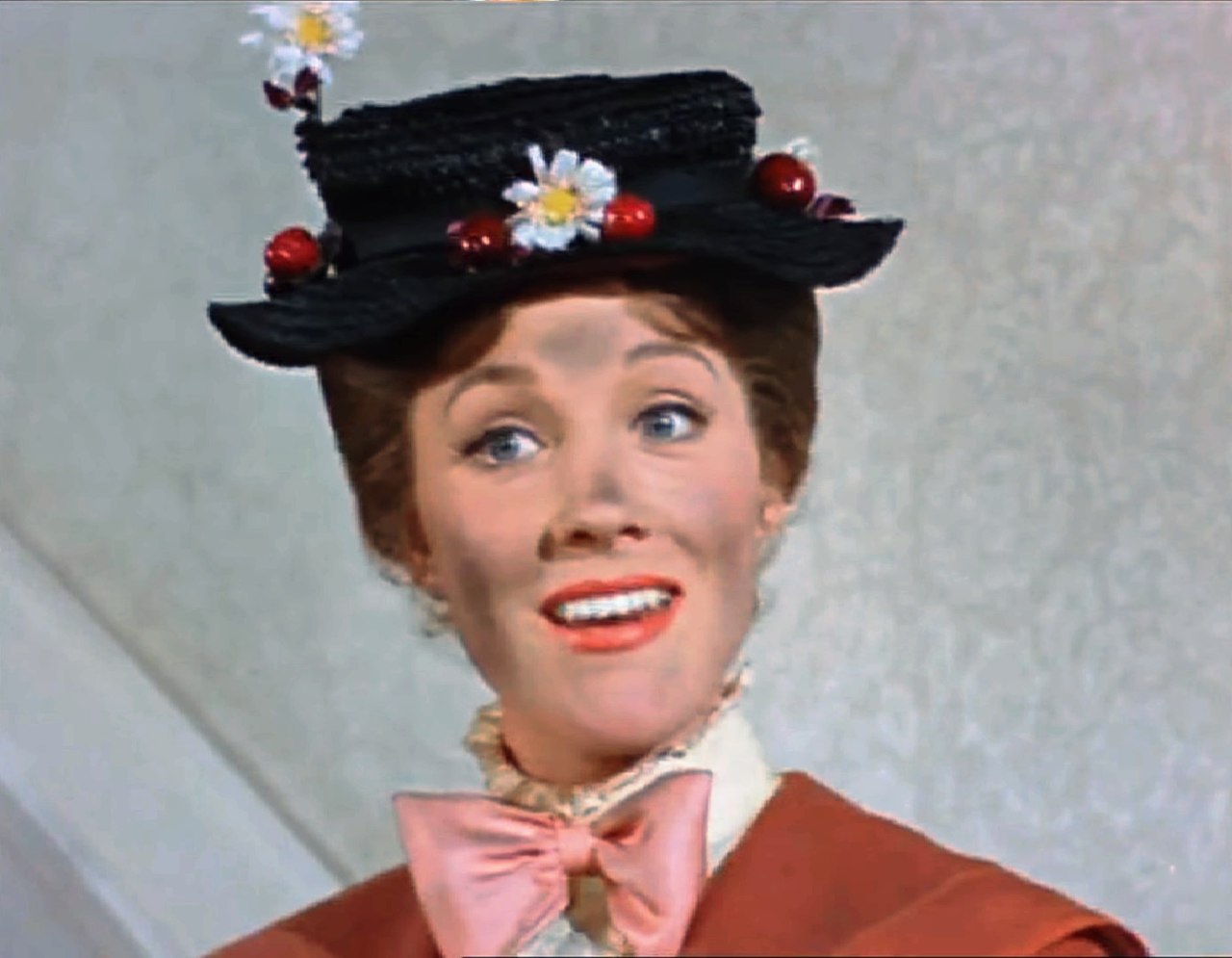
I grew up with these stars as role models in my life, so you know they are dear to me.  Watching  Julie Andrews and Dick Van Dyke singing and dancing in Mary Poppins is still a vivid memory for me.  I was ten years old.  Convincing myself I could direct (where did I get that, I wonder?) in my backyard,  my plan was to  have my father rent a helicopter to fly me in.  You understand this was 1966.  Ha!

And James Earl Jones?  Wow, what a presence!  I mean, to just use your voice to create a character for Darth Vader in Star Wars and Mufasa in The Lion King is a testament to his incredible talent.  By the same token, I remember laughing hysterically at Carol Burnett’s antics on her television show, The Carol Burnett show.  Nothing could be funnier than her dressed with a curtain rod as part of her Gone with the Wind costume.

Teaching Stage Legends: Burnett, Andrews, Jones, and Van Dyke


These four icons have captivated audiences for decades.  Their remarkable talents leave an indelible mark on stage, screen, and beyond. First, let’s take a closer look at the five reasons for students to study these iconic performing artists.

Teaching Stage Legends: Burnett, Andrews, Jones, and Van Dyke

Five Reasons to Study Iconic Performing Artists

1. Mastery of Technique: These performers demonstrate exceptional control over their voices and physicality. Additionally, by studying their techniques students learn to refine their vocal and acting skills, from projection to emotional expression.

2. Longevity in the Arts: These icons have had careers spanning decades, teaching students the importance of persistence, adaptability, and commitment to their craft. Consequently, their careers can inspire students to envision long-term success in the performing arts.

3. Versatility Across Genres: Whether in comedy, drama, musical theater, or film, these performers have excelled in a variety of genres. Furthermore, by observing their versatility students are encouraged to explore different styles of performance and expand their own artistic range.

4. Character Development: Each of these stars is known for portraying deeply memorable characters. By studying how they developed their roles, students can gain insight into creating authentic and compelling characters in their own performances.

5. Cultural and Historical Impact: These legends have shaped the entertainment industry and influenced global audiences. Analyzing their work gives students a deeper understanding of how the performing arts reflect and affect culture.  Thereby encouraging them to consider their own impact as artists.

Teaching Stage Legends: Burnett, Andrews, Jones, and Van Dyke

Dick Van Dyke: A Master of Comedy and Charm

With a career spanning over seven decades, Dick Van Dyke remains one of Hollywood’s most beloved performers. To begin with, his early days as a radio DJ and television host paved the way.  Not surprisingly, his breakout role in The Dick Van Dyke Show, a sitcom that became a staple of American television. Van Dyke’s effortless blend of physical comedy and heartwarming charm made him a household name.  However, it was his role as the lovable chimney sweep Bert in Mary Poppins that cemented his legacy as a film star.

Van Dyke’s career is defined by versatility.  One can’t forget his slapstick humor in Chitty Chitty Bang Bang, his dramatic turns on Diagnosis: Murder, or his smooth song-and-dance performances. Thankfully, his energy and enthusiasm continue to inspire generations of performers. In recent years, he has remained active, appearing in the 2018 sequel Mary Poppins Returns with the same sprightly charisma that audiences have come to love. Isn’t that wonderful?

Most importantly, let’s not forget his Tony award winning performing in Bye Bye Birdie! Check him out here. 

Why Students Should Study Dick Van Dyke:

Van Dyke exemplifies the art of physical comedy and timing, key skills for any actor to master. i find that his ability to blend humor with heartfelt emotion teaches students to be vulnerable. Lastly, Van Dyke’s longevity in the industry also serves as a model for persistence, adaptability, and passion in the arts. He is ninety-eight years young.

Teaching Stage Legends: Burnett, Andrews, Jones, and Van Dyke

Julie Andrews: The Queen of Grace and Song

Julie Andrews’ soaring voice and elegant demeanor have made her one of the most revered performers of all time. Known for her unforgettable roles in The Sound of Music and Mary Poppins, Andrews’ impact on both Broadway and Hollywood is nothing short of extraordinary. Her impeccable soprano voice and acting abilities catapulted her to stardom on stage, beginning with her acclaimed performance in My Fair Lady on Broadway. Check out her performance here.

Teaching Stage Legends: Burnett, Andrews, Jones, and Van Dyke

Teaching Stage Legends: Burnett, Andrews, Jones, and Van Dyke

Her transition to film came with equal success, winning the Academy Award for Best Actress for Mary Poppins in 1964. Andrews’ portrayal of Maria in The Sound of Music only fortified her standing as a true legend.  Despite a vocal injury that affected her ability to sing, she has continued to contribute to the arts.  Andrews has lent her voice to beloved characters in animated films.  Plus, she writes children’s books with her daughter.  Always seeking new challenges, she voices Lady Whistledown in the very popular Bridgerton television series.

Andrews is three-quarters of the way to EGOT status. She has won two Emmys, two Grammys (plus a lifetime achievement award) and an Oscar, but has yet to win a Tony, despite three nominations. Several years ago, she appeared to finally be headed for a Tony win in 1996 for her lead role in the Broadway adaptation of Victor/Victoria. However, she turned down the nomination because no one else from the cast was nominated.  What a classy lady!

What is an EGOT winner?  Check out: EGOT Award Winners: A Closer Look at Their Most Iconic Roles and Performances

Why Students Should Study Julie Andrews:
Julie Andrews’ extraordinary vocal technique and range make her a prime example for students studying musical theater and voice. Additionally, her seamless transition from stage to film provides a blueprint for how actors can adapt their talents across mediums. Andrews also models resilience, having faced and overcome significant challenges throughout her career, such as her vocal injury.


Teaching Stage Legends: Burnett, Andrews, Jones, and Van Dyke

James Earl Jones: A Voice Like No Other

James Earl Jones is known as much for his commanding presence as for his iconic voice, which is recognized instantly across the globe. From the moment he stepped onto the stage in the 1950s, Jones has been a powerhouse of the theater world, earning acclaim for his portrayal of Shakespearean roles and tackling complex, socially relevant themes. His work in Othello, King Lear, and Fences solidified his status as one of the most talented actors in theater history.

Of course, his distinctive voice became legendary in its own right.  Most beloved for his portrayal of Darth Vader in Star Wars and as Mufasa in The Lion King. His voice work combined with his stage presence has earned him multiple Tony Awards, including one for his role in The Great White Hope. Jones portrayed heavyweight boxer Jack Jefferson. Watch James Earl Jones here in Field of Dreams. I always thought he was the man’s voice on the Arby’s commercials, but I was incorrect.  Click here to see who is.

Why Students Should Study James Earl Jones:

James Earl Jones is the quintessential example of how voice and presence can elevate a performance. Students can learn from his mastery of classical texts.  Plus, his ability to command attention with every word spoken is exemplary. Jones’ journey, overcoming a childhood stutter to become one of the most recognized voices in the world, is an inspiring lesson in perseverance and the transformative power of the arts.

Carol Burnett: The Queen of Comedy

I couldn’t leave out Carol Burnett, one of my personal favorites! Burnett’s remarkable ability to command the stage with her wit and comedic timing continues today.  She has been thrice nominated for Tony and Grammy awards.

Why Should Students Study Carol Burnett?

1. Master of Improvisation: Burnett’s quick thinking and ability to improvise in live performances teach students how to adapt on stage, think creatively, and maintain energy even in unscripted moments.

2. Groundbreaking Female Comedian: As one of the first women to host her own variety show, Burnett broke barriers in comedy, inspiring students—especially young women—to challenge stereotypes and pursue careers in traditionally male-dominated fields. (Did you know her Broadway break was in Once Upon a Mattress?)

3. Versatility in Performance: From slapstick comedy to heartfelt drama, Burnett’s range of characters highlights the importance of versatility in the performing arts. Students can learn to stretch their own abilities and explore different types of roles. (Watch her in Once Upon a Mattress here.

4. Collaboration and Ensemble Work: Burnett’s success on *The Carol Burnett Show* came from her ability to collaborate effectively with a talented ensemble cast. Studying her work emphasizes the value of teamwork in creating memorable performances.

5. Connection with Audiences: Burnett had an exceptional ability to engage with audiences, whether through humor, empathy, or breaking the fourth wall. Students can learn from her how to connect with their audience on a deeper level, making their performances more impactful.

A Legacy of Excellence

Dick Van Dyke, Julie Andrews, and James Earl Jones are living embodiments of the timeless magic that the performing arts can bring. Each has made distinct and significant contributions to the entertainment industry. They talent continues to shape the way we experience comedy, music, drama, and storytelling.

Their combined influence on both stage and screen will never be forgotten.  As you might expect, they’ve set the standard for excellence in performance. From the whimsical worlds of Mary Poppins to the inspiring drama of Fences, and the unforgettable voice of Darth Vader, these four legends continue to captivate audiences and serve as enduring symbols of what it means to be truly great at one’s craft.

Why Students Should Study These Icons?

I hope that I’ve made it convincing for you to teach about these amazing artists.  By studying these four legends  students can explore a diverse range of performance techniques. By examining their careers, students can gain a deeper appreciation for the craft of acting and the impact that a single performer can have on audiences worldwide.

If you are looking for biographies of these artists (all but Burnett) go here.

I’d love to hear about your favorite iconic performers.  Email me at DhcBaldwin@gmail.com and we’ll chat!

Share this:

  • Click to share on Tumblr (Opens in new window) Tumblr
  • More
  • Click to share on X (Opens in new window) X
  • Click to share on Facebook (Opens in new window) Facebook
  • Click to share on Pinterest (Opens in new window) Pinterest
  • Click to share on LinkedIn (Opens in new window) LinkedIn
  • Click to email a link to a friend (Opens in new window) Email
  • Click to share on Reddit (Opens in new window) Reddit
  • Click to share on Pocket (Opens in new window) Pocket
  • Click to share on Telegram (Opens in new window) Telegram
  • Click to share on WhatsApp (Opens in new window) WhatsApp

Like this:

Like Loading...

Filed Under: acting, Arts, arts education, Broadway, drama education, Musical Theatre, performing arts, Teacherspayteachers, theater, theatre, Tony Awards

« Previous Page
Next Page »

Footer

Follow Us

logo3.png

FOLLOW US

Facebook X-twitter Pinterest Instagram Envelope Rss

Goodreads: read

Malibu Rising
Malibu Rising
by Taylor Jenkins Reid
People We Meet on Vacation
by Emily Henry
The Last Thing He Told Me
by Laura Dave
Faking It
Faking It
by Cora Carmack
Losing It
Losing It
by Cora Carmack

goodreads.com
Copyright © 2024 · Wellness Pro on Genesis Framework · WordPress.com.Log in
 

Loading Comments...
 

    %d