• Skip to primary navigation
  • Skip to main content
  • Skip to footer

Join Me in my new Facebook Group! https://www.facebook.com/groups/417126059784261

Menu
  • Meet Deb – The Heart Behind DramaMommaSpeaks
    • Work with Me! 
    • Photo Gallery of DramaMommaSpeaks
    • Directorial Credits
  • I Give Book Talks! 
    • Book Talk Through Skype
    • Books
  • Freebies!
  • Bumbling Bea
  • Teaching Resume
  • Acting Resume
  • Contact Me
  • Blog
    • Drama Education
    • Arts Education
    • Youth Theatre
    • Middle Grades
    • Musical Theatre
    • Teaching
  • Meet Deb – The Heart Behind DramaMommaSpeaks
    • Work with Me! 
    • Photo Gallery of DramaMommaSpeaks
    • Directorial Credits
  • I Give Book Talks! 
    • Book Talk Through Skype
    • Books
  • Freebies!
  • Bumbling Bea
  • Teaching Resume
  • Acting Resume
  • Contact Me
  • Blog
    • Drama Education
    • Arts Education
    • Youth Theatre
    • Middle Grades
    • Musical Theatre
    • Teaching

middle grades

Unlocking Creativity: Teaching Storytelling in the Classroom

January 3, 2024 By dhcbaldwin Leave a Comment

Stick person telling a story from a book.

“Unlocking Creativity: Teaching Storytelling in the Classroom” is not just a title, it’s an invitation to explore strategies that make teaching this timeless skill an enriching and transformative experience for both educators and students alike. Let’s dive into the art of storytelling and discover how it opens doors to boundless creativity within the classroom.

Did you know I have the secret to boosting student engagement?  My new book, “We’re Live! Radio Theater #101” explains my journey to implementing this unique tool in the classroom. Check it out here

Unlocking Creativity: Teaching Storytelling in the Classroom

Understanding the Basics of Storytelling:

In my experience, I’ve found that students enjoy storytelling.  In a theater class, it is much lesson threatening than performing a monologue. Consequently, I always include a storytelling unit in my yearly lesson plans. When you begin teaching storytelling to your students, first introduce the fundamental elements of a story. Although your students may be aware of these elements, sometimes a quick review of the key components is necessary.  Reiterate stories which have  characters, setting, plot, conflict, and resolution. Use examples from literature, movies, or real-life situations to illustrate these concepts.  This makes the learning more relatable to your students. Or use storytelling as a warm up exercise for several days.  Check out:  Storytelling Postcard Stories in my TPT store, or my Payhip store.

Unlocking Creativity: Teaching Storytelling in the Classroom

Immersive Storytelling Activities for Early Finishers:

Engage your students in interactive activities that immerse them in the world of storytelling. One idea is to create a storytelling corner in your classroom.  Your early finishers will appreciate this. Encourage them to collaborate on developing and sharing their stories. Again, a reminder of a story’s components  could be useful, especially if students are working independently.  Generally, students need your help in the fleshing out of the story–that is describing settings, characters, and emotions. 

Essentially, you each them the five C’s, Circumstance, Curiosity, Characters, Conversations, and Conflicts that captivate audiences’ interest. The circumstance is all about establishing the scene. A storyteller must provide essential information to their audience including — when, where, and why.

In addition, after a teacher finishes teaching storytelling the culminating activity could be a storytelling day. If you’d like a one week lesson which teaches  storytelling, check out this one at ( Teacherspayteachers.com ) or at my Payhip store).

Unlocking Creativity: Teaching Storytelling in the Classroom

Utilize Technology:

Embrace technology as a tool to enhance storytelling experiences. Platforms like digital storytelling apps, interactive whiteboards, or podcast creation tools can make the process more dynamic. Students can explore multimedia elements to enhance their narratives, including images, music, and sound effects. There are a plethora’s worth of apps. for storytelling whether your students are in lower elementary or high school.  If you are looking for a site where your students can generate stories on line, check out Boomwriter, Nawal, Storybird.

Unlocking Creativity: Teaching Storytelling in the Classroom


Encourage Freewriting Sessions:

Foster a love for writing by incorporating freewriting sessions into your lessons. Set aside dedicated time for students to let their imaginations run wild without worrying about grammar or structure. This practice helps them discover their unique voice and allows creativity to flow freely.  The Writing Process, expresses it, “ increases the flow of ideas and reduces the chance that you’ll accidentally censor a good idea. Additionally, it helps to increase fluency second-language learners—i.e., the ability to produce written language easily as opposed to accuracy.”

Unlocking Creativity: Teaching Storytelling in the Classroom

Showcase Diverse Stories:

Introduce a variety of stories from different cultures, genres, and perspectives. Exposing students to diverse narratives  only helps to broaden their understanding of the world.  Additionally, it inspires them to explore various storytelling styles. Teachers can encourage discussions about the cultural and emotional aspects of these stories. Plus, it is such fun!  If you are ready to embark on reader’s theater  or play production as vehicles for storytelling, check out my blog post, The Reasons Teaching Multiculturalism in the Classroom is Vitally Important

Have you introduced your students to Kamishibai storytelling?  Check it out here

Unlocking Creativity: Teaching Storytelling in the Classroom

Incorporate Storytelling in Different Subjects

I strongly urge you to integrate storytelling into various subjects, not just drama class or language arts. Whether it’s creating historical narratives, science fiction stories, or math-related scenarios, connecting storytelling to different subjects makes learning more holistic and enjoyable. One of our biggest challenges in this great big world is understanding one another, especially our cultures.  If you’d like to learn more about integrating drama into core classes, check out: How to Excite Students With Drama Integration

Unlocking Creativity: Teaching Storytelling in the Classroom

Peer Feedback and Collaboration:

I find it you foster a collaborative environment where students can share their stories with peers, reluctant students are less disinterested in your class. Implement peer feedback sessions, emphasizing constructive criticism and positive reinforcement. This not only improves storytelling skills but also enhances communication and teamwork. Here’s a way to incorporate Kamishibai storytelling in the elementary classroom: Storytelling| Student Created Pictures Unit for Upper Elementary. 

Dramamommaspeaks blog

Celebrate Student Achievements:

Another way to create opportunities for students is to showcase their storytelling prowess. Whether through class presentations, storytelling festivals, or publishing a class anthology, celebrating their achievements builds confidence and reinforces the value of storytelling. Pick up a FREE speech rubric here:  Free Speech Communications Editable Persuasive Speech Rubric. 

Unlocking Creativity: Teaching Storytelling in the Classroom

Guest Speakers and Storytelling Experts:

Invite storytellers, authors, or professionals to share their experiences with your students. Guest speakers can provide valuable insights, tips, and inspiration.  Plus they can reinforce the idea that storytelling is a skill with real-world applications. If you pick up a copy of this storytelling unit, I included links to professional storytellers’ performances. 


Dramamommaspeaks Blog

Assessment through Reflection:

Choosing what a teacher wants to focus on in storytelling is important.  My advice is to focus on creativity, clarity, and emotional impact. Encourage your students to reflect on their own storytelling journey, identifying areas of growth and setting goals for improvement. This reflective process reinforces the learning experience and encourages a growth mindset.

In conclusion, teaching storytelling in the classroom is more than imparting a set of skills. It’s about nurturing creativity, empathy, and effective communication. By implementing these strategies, we empower our students to become confident storytellers. It  equips with the tools they need to navigate the complexities of the world with imagination and resilience. I encourage you to embrace the power of storytelling, and watch your students’ narratives unfold into vibrant tapestries of expression and understanding.

Recently, my daughter asked me to record the story of the time I saw my father’s ghost walking in a hospital’s hallways.  I was flattered that she remembered the story and wanted to share it with others.  Do you think people would like to hear this story? It’s a true story.

How have you used storytelling in your classroom?  I’d love to hear about it.  You can contact me at DhcBaldwin@gmail.com.

Woman behind DramaMommaSpeaks

Share this:

  • Click to share on Tumblr (Opens in new window) Tumblr
  • More
  • Click to share on X (Opens in new window) X
  • Click to share on Facebook (Opens in new window) Facebook
  • Click to share on Pinterest (Opens in new window) Pinterest
  • Click to share on LinkedIn (Opens in new window) LinkedIn
  • Click to email a link to a friend (Opens in new window) Email
  • Click to share on Reddit (Opens in new window) Reddit
  • Click to share on Pocket (Opens in new window) Pocket
  • Click to share on Telegram (Opens in new window) Telegram
  • Click to share on WhatsApp (Opens in new window) WhatsApp

Like this:

Like Loading...

Filed Under: arts education, arts integration, creative dramatics, drama education, drama integration, Education, Education, elementary, English Language Learners, excellence in teaching, Free Products, High School, middle grades, plays, readers theater, Reading Literacy, reading skills, storytelling, Teacherspayteachers, Teaching, teaching strategies, theatre Tagged With: arts integration, creativity, drama education, drama units, elementary, ELL students, high school, Kamishibai Storytelling, Middle school, reluctant students, storytelling postcard stories, storytelling unit, successful teaching methods, Teaching

Showtime Chronicles: History of Musical Theater Unveiled

December 20, 2023 By dhcbaldwin Leave a Comment

A photo of a red top hat and red stage curtains

Today, I want to give you a brief history of showtime chronicles: history of musical theater unveiled. Musical theater is one of my favorite genres to teach to theater students.  It’s fascinating!

Honestly, I  shouldn’t be surprised by my love of musical theater.  It’s in the family genes. Permit me to explain.

Showtime Chronicles: History of Musical Theater Unveiled

Musical Theater Talent is in the Genes

My grandparents were missionaries in Japan in the 1900s to late 1930s.  My mother was born and raised there.  At that time,  there were few Americans living in Japan.  Additionally, my grandparent’s presence was always in the public eye. My grandfather was a minister; my grandmother created the very first kindergarten in Japan.  Consequently, the Japanese government was familiar with them.

When my mother was eleven years old, she was invited to sing the Japanese national anthem at a prestigious ceremony for Emperor Hirohito. I’m sure it was an amazing experience for everyone, including my grandparents.  However, throughout my mother’s life, she had many regrets for her performance. She should have basked in the once in a lifetime experience as a fond memory.

Unfortunately,  she forgot the words to the anthem. Sadly, that’s all she remembered about the experience. Did I mention she was singing in Japanese? That was a big ask of a little shy girl to sing for important people and the public. She had a lovely voice.

Showtime Chronicles: History of Musical Theater Unveiled

Musical Theater is Our Family’s Jam

My elementary music teacher, who also a member of our church, noticed my singing voice when I was about the same age. She planned for me to sing “Oh Holy Night” for a Christmas service. As you’d expect, I was ecstatic about this opportunity and hugely disappointed when it didn’t occur.  Looking back, I wasn’t ready to sing solos publicly.  It took me more than six years before I felt comfortable singing solos in choir and musicals.

However, to this day I enjoy singing in large groups but I especially enjoy singing in musicals. Once I was confident, I never looked back! (Above I am playing the role of Nancy in Oliver! with Columbia Entertainment Company.)

Not surprisingly, my own daughters have performed in several musicals.  One is a professional actress and continues to perform.  (Below, she is performing in Man of La Mancha at Musical Theatre Heritage.)

Looking for emergency sub plans which are unique, creative and engaging?  Check out the Broadway Musical Composers Bundle. 

Drama in Song: The Story of Musical Theater

In the grand tapestry of performing arts, few genres have captivated audiences and transcended cultural boundaries quite like musical theater. From the magical notes of Broadway to the charming tunes of the West End, the history of musical theater is a vibrant journey that intertwines with the evolution of society.  In addition, it demonstrates the resilience of human creativity. Let’s embark on a melodious voyage through the fascinating history of musical theater.

Showtime Chronicles: History of Musical Theater Unveiled

Act 1: The Birth of a Genre

“The Black Crook” (1866): Often considered the first American musical, The Black Crook combined elements of a French ballet with a melodramatic plot. This groundbreaking production set the stage for the integration of music, dance, and drama.

Show Boat (1927): Adapted from Edna Ferber’s novel, this musical by Jerome Kern and Oscar Hammerstein II tackled serious themes such as racial prejudice and spousal abuse. Most importantly, Show Boat is recognized for its innovation in storytelling and integration of music and plot.

Showtime Chronicles: History of Musical Theater Unveiled

Act 2: The Golden Age of Broadway

Carousel (1945): A collaboration between Richard Rodgers and Oscar Hammerstein II, Carousel delved into deeper and more complex themes than its predecessor, Oklahoma! The musical explored issues of love, redemption, and second chances.

The Sound of Music (1959):** Another masterpiece by Rodgers and Hammerstein, The Sound of Music became one of the most beloved musicals of all times, telling the heartwarming story of the von Trapp family against the backdrop of Nazi-occupied Austria. Looking for a Broadway musical unit to teach of Sound of Music?  Check out– Sound of Music.

Showtime Chronicles: History of Musical Theater Unveiled

Act 3: Evolution and Experimentation

Rent (1996):This rock musical by Jonathan Larson was a modern reimagining of Puccini’s opera La Bohème. Rent addressed contemporary issues such as AIDS, poverty, and the struggle for artistic expression, marking a departure from traditional musical theater themes.

Wicked(2003): With music and lyrics by Stephen Schwartz, Wicked offered a fresh perspective on the classic story of “The Wizard of Oz.” Interestingly, it explored the untold backstory of the Wicked Witch of the West and the Good Witch of the North, challenging perceptions of good and evil. Pick up my four day unit for Wicked, the Broadway Musical.

Showtime Chronicles: History of Musical Theater Unveiled

Act 4: Diversity and Inclusion

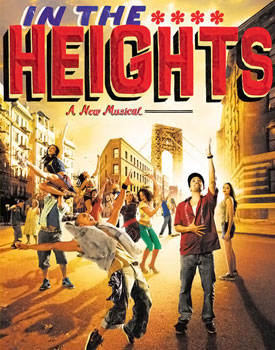
In the Heights (2008): Created by Lin-Manuel Miranda, In the Heights celebrates the vibrant culture of the Washington Heights neighborhood in New York City. With a fusion of hip-hop, salsa, and traditional musical styles, the show highlighted the dreams and struggles of a diverse community. Pick up my unit of it here. 

Fun Home (2013): Based on Alison Bechdel‘s graphic memoir, Fun Home marked a shift towards more personal and introspective storytelling. It explores themes of family, sexuality, and self-discovery, receiving acclaim for its emotional depth and authenticity. Looking for a Broadway unit for Fun Home?  Check out–Fun Home

Showtime Chronicles: History of Musical Theater Unveiled

Six Reasons Students Should Study the History of Musical Theater:

Studying the history of musical theater is not just a journey through captivating stories and enchanting melodies. It can be a transformative experience for some students. Obviously, theater and music students benefit the most.   Here are six reasons why delving into this rich history is a must for aspiring performers, directors, and creators:

1. Cultural Insight: The evolution of musical theater mirrors the cultural shifts of different eras. Understanding this history provides students with insights into the societal norms, values, and challenges that influenced the creation of iconic productions.

2. Artistic Evolution: The history of musical theater showcases the ever-changing landscape of artistic expression. Because there is a plethora of them, students can witness the evolution of musical styles and storytelling techniques. Reviewing the traditional melodies of the Golden Age to the experimental sounds of contemporary productions is simply fascinating! 

3. Innovation and Experimentation: Aspiring theater professionals can draw inspiration from the innovative spirit of past musicals. For example, when students explore groundbreaking productions like Rent and Wicked they are encouraged to push boundaries, experiment with new forms, and challenge the status quo in their own creative endeavors.

4. Social Commentary: Many musicals serve as powerful tools for social commentary. When examining works like West Side Story and Fun Home, students can gain a deeper understanding of how musical theater addresses and challenges societal issues.  Additionally, it  fosters a sense of responsibility in using their art. The musicals themes provoke thought and discussion.

5. Collaboration and Teamwork: The collaborative nature of musical theater is a unique aspect that sets it apart from other art forms. More over, studying the history of successful collaborations between composers, lyricists, directors, choreographers, and performers emphasizes the importance of teamwork in creating memorable and impactful productions. Looking for a bundle’s worth of unique lessons?   Pick up:  Year Long Theater Curriculum

undefined

6. Diversity and Representation: The recent emphasis on diversity and inclusion in musical theater opens up new narratives and perspectives. Consequently, students exploring productions like In the Heights can appreciate the importance of representing diverse voices on stage and the potential for musical theater to be a platform for social change.

Musical Theater and Its Evolution

In conclusion, I say safely say that the study of musical theater history is not just a journey. It’s a vibrant tapestry reflecting society’s evolution and the unstoppable force of creative expression. The show goes on, my friends, with new influences and stories captivating audiences worldwide.

Have you considered teaching your students about Juke Box Musicals?  Check out this blog post  Exploring the Magic of Jukebox Musicals: When Hits Shape the Stage

I wonder what musical will next be created. What musical do your students enjoy the most?  I’d love to hear about it.  Feel free to email me at DhcBaldwin@gmail.com

Deborah Baldwin, Dramamommaspeaks


Share this:

  • Click to share on Tumblr (Opens in new window) Tumblr
  • More
  • Click to share on X (Opens in new window) X
  • Click to share on Facebook (Opens in new window) Facebook
  • Click to share on Pinterest (Opens in new window) Pinterest
  • Click to share on LinkedIn (Opens in new window) LinkedIn
  • Click to email a link to a friend (Opens in new window) Email
  • Click to share on Reddit (Opens in new window) Reddit
  • Click to share on Pocket (Opens in new window) Pocket
  • Click to share on Telegram (Opens in new window) Telegram
  • Click to share on WhatsApp (Opens in new window) WhatsApp

Like this:

Like Loading...

Filed Under: arts integration, drama education, drama integration, Education, Education, excellence in teaching, High School, middle grades, music education, Musical Theatre, performing arts, Teacherspayteachers, youth theatre Tagged With: Fun Home, history of musical theater, in the heights, musical theater history, Rent, Show Boat, Sound of Music, The Black Crooke, Wicked

Middle School Drama Success: Choice Boards in Action

October 18, 2023 By dhcbaldwin Leave a Comment

Students studying with an ipad

Middle School Drama Success: Choice Boards in Action

If you are like me, you like to make choices for yourself.  That’s one of the cool things about being an adult, don’t you think? We make a lot of choices for ourselves. However, our students don’t have the opportunity to make decisions for themselves very often.  Let’s help them learn how to do so while learning from the subjects that interested them.  Today I’m going talk about setting the Stage for Success: Middle School Drama Meets Choice Boards.

Middle School Students are the Best

Middle School Drama Success: Choice Boards in Action

Middle school students are my favorite grades to teach.  In particular, they are vibrant, still curious and resilient.  Personally, I believe that teaching  middle school theater is the door to nurturing young talents. I find they are intensely interested in many subjects at this age.  Plus, creativity knows no bounds, and their self-expression takes center stage.

Middle school students can be engaged far faster than high school students.  They are just young enough to remember their beloved elementary teachers who they trusted.  Consequently, they quickly trust you when you propose an concept to them. Read this post, if you’d like more of my reflections about middle school students: Striking a Balance with Students in Their Middle School Years

In the heart of this theatrical journey lies a powerful tool – choice boards. Imagine giving your students the freedom to explore and make decisions in their drama education. First, let’s dive into how these versatile tools can breathe life into your drama classroom.

Setting the Stage for Success: Middle School Drama Meets Choice Boards

What Are Choice Boards?

Choice boards are visual organizers that present students with a variety of options for how they can engage with and demonstrate their learning. Consequently, they empower students to take ownership of their education by allowing them to choose activities that resonate with their interests, learning styles, and abilities.

Why Do Teachers Use Choice Boards in Drama?

  1. Individualized Learning: Middle school students are at an age where they’re discovering their unique talents and interests. Choice boards offer a range of activities, catering to diverse learning styles and abilities.
  2. Enhanced Engagement: When students have a say in their learning, they’re more invested in the process. Drama is all about passion and expression, and choice boards can ignite that spark.
  3. Creativity Unleashed: Drama thrives on creativity. Choice boards encourage students to think outside the box, explore different aspects of theater, and come up with fresh ideas.
  4. Differentiated Instruction: Drama classrooms often have a mix of skill levels. Choice boards allow the teacher to provide activities that cater to both beginners and experienced performers. Additionally, it’s effortless for the teacher to do so.

Did you know I have the secret to boosting student engagement?  My new book, “We’re Live! Radio Theater #101” explains my journey to implementing this unique tool in the classroom. Check it out here

Middle School Drama Success: Choice Boards in Action

Benefits for Drama Students

Implementing choice boards in your middle school drama classroom can lead to:

  • Increased Confidence: Students gain confidence as they engage in activities that align with their interests and strengths. It is far easier to be successful when learning something new if you are interested in the subject.  What a plus!

  • Broadened Horizons: Exposure to a variety of drama aspects can help students discover new passions within the world of theater.  As a matter of fact, my Choice Board products receive many 5 star reviews. In addition, teachers express their excitement to have taught something unique to their students which they would not have the time to study in depth.
  • Ownership of Learning: Empowering students to make choices fosters a sense of ownership over their education. Here’s that choice thing again.  By making choices for themselves, students see themselves as independent and capable.  Aren’t those attributes we want for them?
  • Joy in Learning: Drama should be fun! Choice boards infuse a sense of joy and excitement into the classroom. I think we’d all agree it’s difficult to compete with fun, yes?

Middle School Drama Success: Choice Boards in Action

My Choice Board Resources

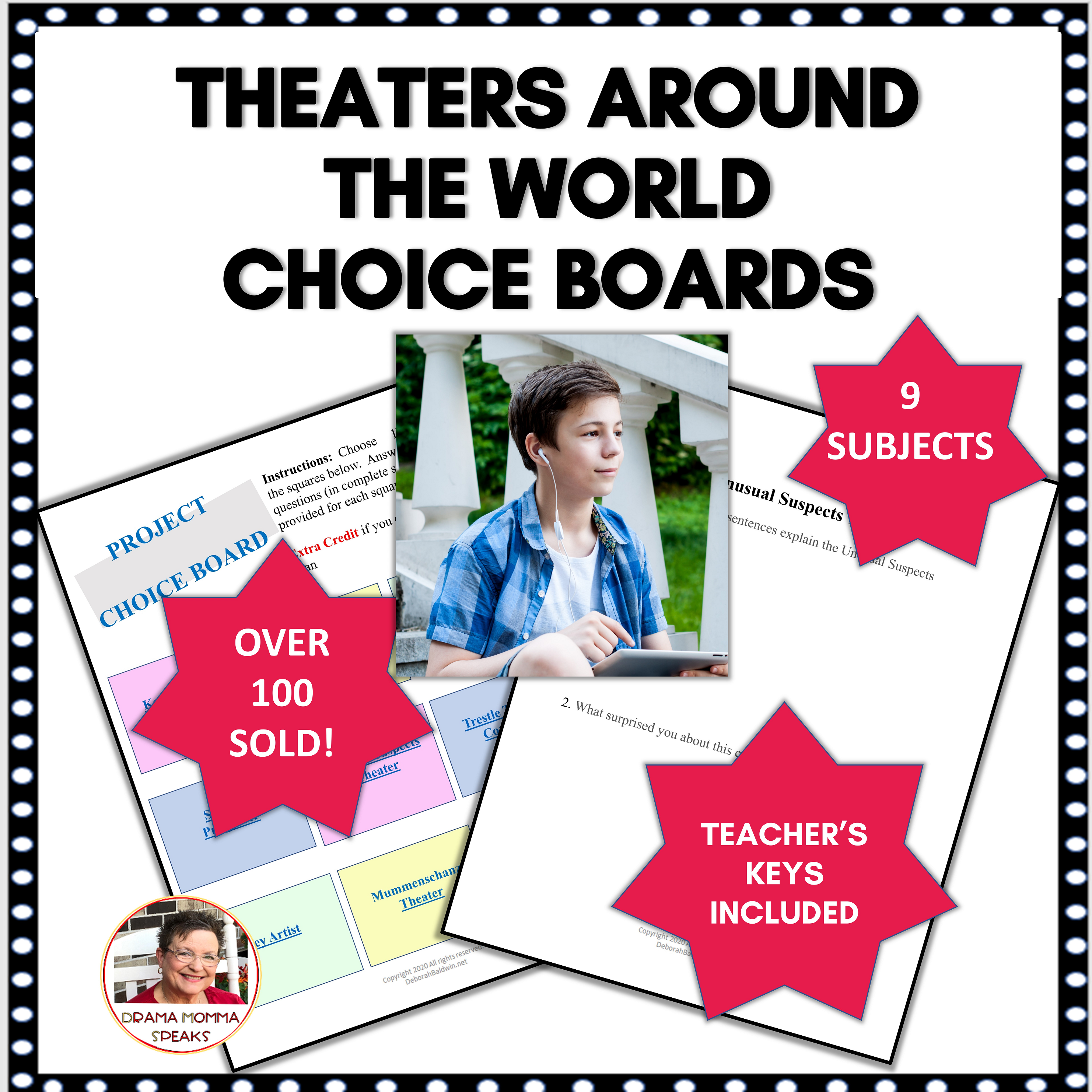
I have three choice board resources ready for you to use.  One pertains to theaters around the world.  This low prep- high student engagement lesson gives students an opportunity to learn about various theater companies such as Mummenschanz, Deaf West, Trestle Theatre, Kabuki Theater,Marcel Marceau or what is means to be a Foley Engineer. Additionally, they are excellent for gifted learners or students who need independent study or an alternative assignment.

Got some introverted students in your class?  Check out: Drama Games for the Introvertive Student 

The resource includes:

  • Teachers Letter
  • 9 Choices on a colorful board which can be displayed on a white board
  • 21 Questions–no sets of questions are alike
  • Teacher’s Key–hooray! (many possible answers are included for each clip)
  • Live Links– ready to go

Middle School Drama Success: Choice Boards in Action

Another choice board product concerns technical theater. This product is wildly popular!

This resource includes:

  • Teacher’s Letter
  • 9 Choices on a colorful board which can be displayed on a white board
  • 48 Questions–no two set of questions are alike (shows–Wicked, Hamilton, Spongebob Squarepants, War Horse, School of Rock)
  • Teacher’s Key–hooray!
  • Live Links– ready to go

The third is brand new.  You know how your students become chatty when you are focused on a small group and their rehearsal?  This is the answer to your problem.  Students learn about virtually every aspect of play or musical production from designing poster, drawing a costume or creating a movement piece concerning one of the themes of the production.  Students can be assigned to complete every choice or only a few.

Play production choice board cover

This board has 16 engaging assignments to keep everyone interested and busy creating.  There is plenty of room for individuality and some group work, too.  You can find it at:  Drama Class Production Choice Board

Looking for something free?  Pick up this one.

Middle School Drama Success: Choice Boards in Action

An Alternative Choice Board Format

If your students do not have I-pads,  access to the computer or WIFI, a teacher can use these resources instead. They are basically the same as the Choice Boards, however a student receives the link from the teacher. These are excellent for a substitute to use, too.

Middle School Drama Success: Choice Boards in Action        Middle School Drama Success: Choice Boards in Action

Students could vote on the subject they’d like to learn about and view the video clips which pertain to that subject.  Accordingly,  students are assigned to watch the video clips on their own at home.  You will find these products here.

Incorporating choice boards in your middle school drama classroom is like handing the spotlight to your students. It allows them to explore, express, and create in ways that resonate with their unique personalities. So, go ahead and embrace this dynamic tool to ignite the passion for drama in your middle school students’ hearts. The stage is set, and the choice is theirs!

Have you used Choice Boards in your classroom?  I’d love to hear how you have used them.  Feel free to email me at DhcBaldwin@gmail.com
Woman behind DramaMommaSpeaks


Share this:

  • Click to share on Tumblr (Opens in new window) Tumblr
  • More
  • Click to share on X (Opens in new window) X
  • Click to share on Facebook (Opens in new window) Facebook
  • Click to share on Pinterest (Opens in new window) Pinterest
  • Click to share on LinkedIn (Opens in new window) LinkedIn
  • Click to email a link to a friend (Opens in new window) Email
  • Click to share on Reddit (Opens in new window) Reddit
  • Click to share on Pocket (Opens in new window) Pocket
  • Click to share on Telegram (Opens in new window) Telegram
  • Click to share on WhatsApp (Opens in new window) WhatsApp

Like this:

Like Loading...

Filed Under: arts education, arts integration, creative dramatics, creative movement, drama education, drama integration, Education, middle grades, Teacherspayteachers, Teaching, teaching strategies Tagged With: choice boards, Deaf West, differentation, Hamilton, Kabuki Theater, Marcel Marceau, Mummenschanz, School of Rockical, spongebob squarepants, Trestle Theatre, War Horse, Wicked

How to Celebrate Hispanic and Latino Heritage Month in the Drama Classroom

September 27, 2023 By dhcbaldwin Leave a Comment

A sombrero celebrating national HIspanic and Latino culture month

How to Celebrate Hispanic and Latino Heritage Month in the Drama Classroom

How to Celebrate Hispanic and Latino Heritage Month in the Drama Classroom

In this blog post, let’s discuss How to Celebrate Hispanic and Latino Heritage Month in the Drama Classroom. First, I want to share a little memory of mine…When I was in my teens, my father, mother and I traveled to Mexico driving from Kansas.  Needless to say, it was an amazing trip full of wrong turns, teen angst and hilarity.

The Language Barrier Gone Amok

Anyway, we hadn’t studied the Mexican language prior to traveling there.  Consequently, communicating with the Mexican people was difficult for us. One day, somehow, we ended up in the middle of a car race. My father turned a corner too tightly and put our travel trailer up on a curb where we were stuck for several hours. The racing cars had to slow down because of us.

When the policeman scolded my dad, I remember my mother (who was raised in Japan) and my father (who fought in WWII) began speaking in Japanese and German to him. Of course, he became even more furious.  Needless to say, it was embarrassing and humiliating to poor little fourteen-year-old me. Remember being fourteen?

Fortunately, we were lucky enough to see the Folklorico Ballet of Mexico one evening.  As you would expect, it was absolutely amazing! For me, it was the highlight of the entire trip. That, and the really cute boys hanging out on the Matzatland beach.

Our Family Trip to Mexico

Accordingly, we returned home and that was the end of my education about the Mexican culture.  I studied French in high school, never once considering I might enjoy learning to speak Spanish.  At the time, social studies classes didn’t study different cultures.  Surprisingly, I believe we only studied the United States. Talk about living in a bubble!

However, you and your students can celebrate different cultures right in your drama classroom.  Let’s begin with Hispanic and Latino Heritage Month.  When I began researching this subject, I was pleasantly surprised by the volume of resources available for this celebratory month.  Plus, there are many sources in theater for this celebration.  Therefore, not only do you have an opportunity to study a different culture, albeit briefly, you also can integrate drama (or vice versa) into your class.

How to Celebrate Hispanic and Latino Heritage Month in the Drama Classroom

National Hispanic and Latino Heritage Month’s Beginnings

The year was 1970 only two years after President Johnson proclaimed a week-long celebration of Hispanic people and their culture.  However President Reagan expanded the week to a month in 1988 and it was titled National Hispanic Heritage month!

If you are unfamiliar with National Hispanic and Latino Heritage month it is a time to honor and celebrate the rich cultural contributions of Hispanic and Latinx communities in the United States.  September 15 to October 15 gives a teacher  an excellent opportunity to engage their students in a diverse and immersive experience within a drama class. I think you’ll be surprised by how easy it is to celebrate the culture through your drama curriculum.  Additionally, you can foster cultural awareness, appreciation, and creativity in your students. Want to learn more about this subject? Check out another blog post, Celebrate National Hispanic Heritage Month in Your Drama Classroom Tomorrow

How to Celebrate Hispanic and Latino Heritage Month in the Drama Classroom

Seven Ways to Celebrate National Hispanic and Latino Heritage Month

  1. Exploring Hispanic Playwrights and Theater

One of the best ways to immerse your drama class in Hispanic culture is by introducing them to renowned Hispanic playwrights and their works. Discussing plays by writers such as Lin Manuel Miranda opens up conversations about the Hispanic experience, identity, and history. If you teach middle school students,  you can study Lin Manuel Miranda through these two resources:  Newspaper Article or pick up this free lesson here. Or pick up a biography lesson and one pager assignment concerning Anthony Ramos here.

  1. Performing Hispanic Plays

Organize a class performance of a Hispanic play or scene. You can select a one-act play or adapt a scene from a famous Hispanic playwright’s work. This hands-on experience will not only deepen your students’ understanding of Hispanic culture but also enhance their acting skills. I suggest purchasing a copy of Esperanza Rising play to use as a read aloud. Want to know more about the theater? Check out: The Seven Reasons I Recommend Plays for New Audiences Scripts

How to Celebrate Hispanic and Latino Heritage Month in the Drama Classroom

  1. Guest Speakers and Workshops

If possible, I’d suggest inviting guest speaker or theater professionals with a Hispanic heritage to share their experiences and insights with your drama class. They can discuss their journey in the theater world, the importance of representation, and the cultural significance of their work. Workshops on Latinx theater techniques, dance, or music can also add a dynamic dimension to your drama curriculum. Or maybe you want to show your students what is possible for them if they are of Hispanic descent and interested in a professional career.  Use this video clip to teach about Hispanic American Theatre  Want to know other ways to use video in your classroom?  Check out:  Underestimate the Influence of Teaching with Videos

More Celebration Ideas

  1. Research and Presentations

Another idea is to assign students to complete a short research project focused on a prominent Hispanic actor, director, or playwright. They can explore their contributions to the theater world and the impact of their work on Hispanic culture. Require your students to make a presentation of it.  However, if your students don’t have time to study anyone in depth, check out: Designing Broadway:  On Your Feet!  Costume Designer Emilio Sosa. 

How to Celebrate Hispanic and Latino Heritage Month in the Drama Classroom

  1. Bilingual Performances

Although this is a little difficult to do, it would be very interesting for your students to perform a scene or monologue in both English and Spanish. This exercise not only improves their language skills but also allows them to connect with the material on a deeper level.

Most importantly, it emphasizes the importance of language as a bridge between cultures. Here are some you could use: Quiara Alegría Hudes: Barrio Girl. Dramatic Publishing. Luis Alfaro. Black Butterfly, Jaguar Girl, Piñata Woman and Other Superhero Girls, Like Me. Playscripts, Coleman A. Jennings: Nine plays by José Cruz González (anthology). Dramatic Publishing. or Karen Zacarías: Cinderella Eats Rice and Beans. How the Garcia Girls Lost their Accent. Looking for Roberto Clemente. Magical Piñata. Frida Libre. Dramatic Publishing.

  1. Cultural Immersion

To truly celebrate Hispanic culture, consider organizing a cultural immersion day. This could include a screening of a Hispanic film, a salsa dancing lesson or perform a readers theater script. Any of these activities will engage your students.  By immersing students in the sights, sounds, and flavors of Hispanic culture can be a memorable and enjoyable experience. Check out these units:  The Magic Lake (Peruvian Legend), The Legend of the Poinsettia (Mexican Legend) or In the Heights Broadway Musical Unit (Latino culture).

How to Celebrate Hispanic and Latino Heritage Month in the Drama Classroom

Collaborative Projects

Lastly, students enjoy learning with a partner. Additionally, they enjoy costume design.  How about assigning students to design costumes for a Hispanic version of  the story of Cinderella in play form  using Vogue magazine fashion design sketching app.? Or creating a stage property with a Latin theme using an app. like Tinkercard.com?

The Hispanic Culture and Heritage is Deserves Our Respect

I’ve only scratched the surface as far as the resources available to use when celebrating this terrific culture.  Just remember that celebrating Hispanic and Latino Heritage month in drama class is not only educational but also a celebration of the rich tapestry of American culture.  Lastly, I hope you embrace this month as an occasion to broaden horizons, encourage empathy, and promote the importance of diversity and inclusion in the world of theater. Because as I always say…there’s no better place to learn than through theater! 

What celebrations do you have planned for your students?  I’d love to hear about them.  Contact me at DhcBaldwin@gmail.com and we’ll chat!

Woman behind DramaMommaSpeaks


Share this:

  • Click to share on Tumblr (Opens in new window) Tumblr
  • More
  • Click to share on X (Opens in new window) X
  • Click to share on Facebook (Opens in new window) Facebook
  • Click to share on Pinterest (Opens in new window) Pinterest
  • Click to share on LinkedIn (Opens in new window) LinkedIn
  • Click to email a link to a friend (Opens in new window) Email
  • Click to share on Reddit (Opens in new window) Reddit
  • Click to share on Pocket (Opens in new window) Pocket
  • Click to share on Telegram (Opens in new window) Telegram
  • Click to share on WhatsApp (Opens in new window) WhatsApp

Like this:

Like Loading...

Filed Under: acting, Arts, arts education, community theater, drama education, drama integration, Education, excellence in teaching, High School, middle grades, Teacherspayteachers, Teaching, teaching strategies, theater, theatre Tagged With: Barrio Girl. Dramatic Publishing. Luis Alfaro. Black Butterfly, drama class, Dramatic Publishing, high school theater, Hispanic American Theatre, Hispanic culture, In the Heights Broadway Musical, Jaguar Girl, Like Me. Playscripts, Lin Manuel Miranda, Middle school, Piñata Woman and Other Superhero Girls, The Legend of the Poinsettia Readers Theater Unit, The Magic Lake Readers Theater Unit

October’s Curtain Call: Remarkable Moments in Theater History

September 13, 2023 By dhcbaldwin Leave a Comment

October's Curtain Call: Remarkable Moments in Theater History

When I began this blog in 2014, my hope was that I could be of assistance to theater teachers around the world.  Thousands of people read my blog every year and for that I am honored. Today I want to discuss lesson plan ideas which take very little time and effort which are prompted by the calendar for October. Here’s my blog post– October’s Curtain Call: Remarkable Moments in Theatre history.

In 1981 (I know it’s difficult to believe) when I began teaching language arts, education was a quite different then. One aspect I remember vividly is the lack of resources for teachers.  Friend, there was simply nothing created for us to use in the classroom. Consequently, I created everything I needed. The job was difficult enough without that added challenge. I hold language arts teachers in high esteem.  Truthfully, I’m not much of a language arts teacher but hey, I needed a job. Not surprisingly I’m a much better writer now because I taught the basics of writing to students all those many years ago.

Teaching Theatre in Middle School

In 1995 I was hired to teach a pre-elective drama class in a brand new middle school.  Again, there were even fewer resources to teach the class–such as teaching units, games, play anthologies, posters or textbooks.

As a member of various theater teacher and director Facebook groups, I read posts nearly everyday of teachers needed everything from lessons to ways to decorate their room.  For example, here is one easy way to decorate your room with little work. If you’d like to read another post about decorating your classroom, check out: My Theatre Vocabulary List for the Classroom

October's Curtain Call: Remarkable Moments in Theater History

Uses in the Classroom

There are many ways to uses these historical dates in your teaching.  With each date, I’ve included suggestions to give you an idea about how to utilize them.  Firstly, one way you could use a historical date is to merely post it on the bulletin board or display on your whiteboard. Discuss the historical moment and leave it at that.

Another choice is to teach a quick lesson using the topic of the historical date.

Here are a few notable events from theater history which took place in October:

  • October 1, 1935 : Birthday of Broadway leading lady Julie Andrews, who stars in The Boy Friend, My Fair Lady, Camelot, and Victor/Victoria—but never wins a Tony Award (she famously renounces her nomination for Victor/Victoria when the rest of the cast was “egregiously overlooked”). She wins an Oscar for playing the title role in the Disney movie musical Mary Poppins.  (Teach with this lesson: Julie Andrew Biography)
  • October 2, 2003: Hunter Foster and Kerry Butler star in a Broadway production of Alan Menken and Howard Ashman‘s musical Little Shop of Horrors, which ran for several years Off-Broadway in the 1980s, but only now makes its Broadway debut. The production runs 10 months at the Virginia Theatre. (show a video clip from the production–Feed Me Seymour (Note:  Bad language at 3:44)
  • October 6, 2003: The musical Wicked, based on the novel by Gregory Maguire and featuring music and lyrics by Stephen Schwartz, premiered on Broadway at the Gershwin Theatre. It quickly became a commercial and critical success. (Teach the lesson and Create costume designs for Wicked.)
  • October 9, 1968 Dude, Gerome Ragni and Galt MacDermot’s musical follow-up to megahit Hair, opens on Broadway—and falls flat on its face, getting roasted by critics and running just 16 performances. (It might be fun to talk about some Broadway shows which were flops.)
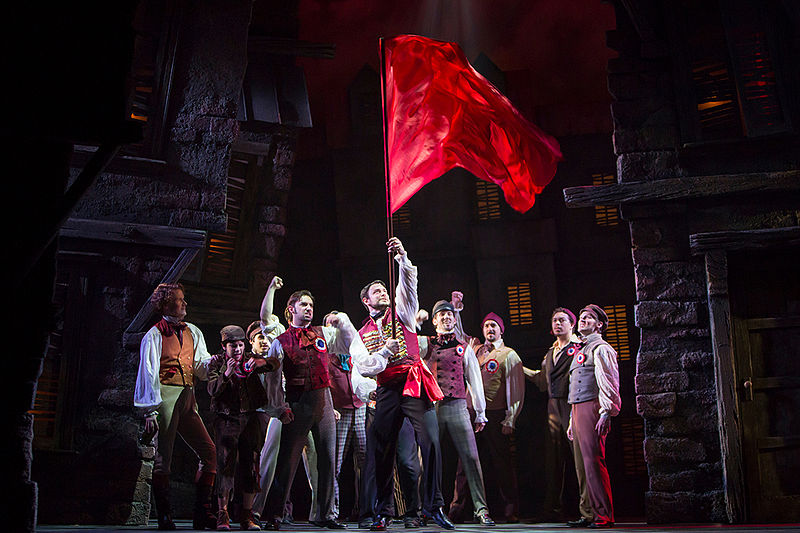
  • October 11, 1987: The musical Les Misérables made its Broadway debut at the Broadway Theatre in New York City. It would go on to become one of the longest-running and most beloved musicals in theater history. (Here’s a unit concerning Les Mis Broadway Musical Guide)
  • If you’d like a biography assignment concerning Julie Andrews, check mine out: Julie Andrews in my TPT store, or in my Payhip store at: Julie Andrews. 

File:Les Misérables.jpg

Be Clever and Unique

I’m all about being innovative.  Using these historical dates are a perfect break in the learning from everything else a teacher’s been teaching.  It would be very easy to lengthen the information I’ve provided here and use it for a whole class period.

  • October 16, 1950: Arthur Miller’s iconic play Death of a Salesman premiered on Broadway at the Morosco Theatre. The play would go on to win the Pulitzer Prize for Drama and become a classic of American theater. (monologue from  Death of a Salesman (3:33 mins.) 
  • October 17, 1935: The Federal Theatre Project (FTP) was established in the United States as part of the Works Progress Administration (WPA) during the Great Depression. This program aimed to provide employment for theater professionals and produced a wide range of theatrical productions across the country. Briefly discuss the Federal Theatre Project.
  • October 30, 1975: The cult classic musical The Rocky Horror Picture Show premiered in theaters. While not initially successful, it became a midnight movie phenomenon with audience participation and interactive screenings, leading to a unique and enduring theatrical experience. ( Start class with dance warm up of Time Warp from Rocky Horror Picture Show.)
  • October 30, 2019: The musical adaptation of the movie Beetlejuice opened on Broadway at the Winter Garden Theatre. While it gained a dedicated fanbase, it closed in 2020 due to the COVID-19 pandemic. (Study the musical through this three day unit, Beetlejuice the Broadway Musical.)

October's Curtain Call: Remarkable Moments in Theater History

If you’d like to do the same thing for another month such as November go to:  Theatre History in November

The Importance of Studying Theatre History

You may think it is not beneficial to study any dates from history focused on theatre history.  I’d have to argue with you about that opinion.  Learning about the history of theatre, even if it’s just the birthdate of a iconic actor, is interesting if not vitally important.  I found this quote in https://www.mooc.org, an online education website, “When we study history, we learn how we got where we are, and why we live the way we do. It’s the study of us—of humans and our place in an ever changing world. Without it, we wouldn’t understand all of our triumphs and failures, and we would continually repeat patterns without building forward to something better.”

These are just a few examples of significant events in theater history that occurred in the month of October. Theater continues to evolve and thrive, with new productions and milestones happening all the time.

Looking for something free for a substitute to teach?  Pick up a free lesson about Audra McDonald at: Audra McDonald

If I were you, I’d create signs which name could be posted on the whiteboard. I’d make a copy of my free template! Since it’s editable, you can use it many times.

WHAT HAPPENED IN THEATRE HISTORY POWERPOINT.

Have you used “Today in theater history…” lessons before?  I’d love to hear about them.  Contact me at DhcBaldwin@gmail.com

Woman behind DramaMommaSpeaks


Share this:

  • Click to share on Tumblr (Opens in new window) Tumblr
  • More
  • Click to share on X (Opens in new window) X
  • Click to share on Facebook (Opens in new window) Facebook
  • Click to share on Pinterest (Opens in new window) Pinterest
  • Click to share on LinkedIn (Opens in new window) LinkedIn
  • Click to email a link to a friend (Opens in new window) Email
  • Click to share on Reddit (Opens in new window) Reddit
  • Click to share on Pocket (Opens in new window) Pocket
  • Click to share on Telegram (Opens in new window) Telegram
  • Click to share on WhatsApp (Opens in new window) WhatsApp

Like this:

Like Loading...

Filed Under: arts education, community theater, drama education, Education, excellence in teaching, middle grades, Teaching, theater, theatre, youth theatre Tagged With: Death of a Salesman, Federal Theatre Project, Hair, Julie Andrews, Les Mis, LIttle Shop of Horror, Wicked

Stage Makeup and Its Transformative Power for Students

July 19, 2023 By dhcbaldwin Leave a Comment

Theater student in stage makeup

I’m mentioned this in the past, but thought I’d reiterate it if you’ve not heard it. Let’s talk about Stage Makeup and Its Transformative Power for Students.

The Transformative Power When Students Apply Stage Makeup

Stage Makeup and Its Transformative Power for Students

This is a true story.

When I was in seventh grade, I wanted to wear makeup. Of course, that was about 100 years ago, so let’s keep it in perspective…My mother wasn’t ready for that step in my life quite yet, but I was.  Boy, was I ready.
I read in a Seventeen magazine that I could make my own “home made” mascara using charcoal and petroleum jelly.  I went to work!
Now I’m not known to be very patient (although I am better now that I have grown older), so I looked around our house for the two ingredients I needed.  Hmmm.  I found a jar of petroleum jelly  in my bathroom cabinet, but charcoal? The only charcoal I knew of was charcoal briquettes.

My Makeup Journey

Briquette - Wikipedia
Being my impulsive self as well and not taking into account that perhaps a charcoal briquette was the wrong kind of charcoal for my DIY mascara, I mixed it into the petroleum jelly anyway.  Yes. I. Used. A. Charcoal. Briquette. No kidding. Needless to say, it was a flop.
Upon entering our dining room for dinner that evening while modeling my  “homemade mascara”, my mother let out an “Oh my!” Not surprisingly, soon after she drove to a Merle Norman store and enrolled me in a class about makeup.

Stage Makeup and Its Transformative Power for Students

Luckily, I learned to apply makeup and in later years discovered in college that I really enjoyed designing stage makeup or theatrical makeup. It seems obvious that students would enjoy studying about stage makeup.  Additionally, it helps so much for novice actors to “see” what their character will look like.  Coupled with a costume, some actors come to life as the character for the first time.  It is really that magical.

Did you know I have the secret to boosting student engagement?  My new book, “We’re Live! Radio Theater #101” explains my journey to implementing this unique tool in the classroom. Check it out here

The Transformative Power When Students Apply Stage Makeup

Reasons To Study Theatrical Makeup

  1. Character Transformation: Stage makeup is a powerful tool that allows actors to transform their appearance and effectively portray a wide range of characters. By studying stage makeup, theater students learn how to use makeup techniques to enhance facial features, create age, gender, or ethnic-specific looks, and convey emotions. This skill helps them bring their characters to life and make them more believable on stage.
  2. Visual Communication: In theater, makeup serves as a visual language that communicates important information to the audience. Different makeup techniques can convey specific time periods, social statuses, or cultural backgrounds of characters. By understanding the principles of stage makeup, theater students learn how to use color, shading, highlighting, and contouring to visually communicate the desired message and enhance storytelling.
  3.  Versatility: Stage makeup is not limited to traditional theater productions. Various performing arts disciplines such as film, television, opera, and dance use stage makeup as well.  Students can study to become a professional stage makeup artist and they’ve got themselves a job!

Reasons to Study Theatrical Makeup

4.  Collaboration and Teamwork: For particular productions using a certain style or concept, stage makeup involves collaboration with other artists, such as costume designers, lighting designers, and directors. One of the most   important skills our students can learn is how to work with others because in the professional world of theater, it’s a team effort for certain. Learn more about how theater skills help in careers here: Why Theater Education Matters: Developing Key Life Skills

5.  Self-Sufficiency: In many theater companies (particularly those with small budget), actors are often responsible for applying their own makeup depending upon the budget of the show. By studying, designing and applying  stage makeup theater students gain the ability to create their own character looks.  Accordingly, this can be particularly beneficial in smaller productions, when working on independent projects. This independence allows actors to take more control over their creative process and in bringing their characters to life. What a terrific differentiation! 

6.   Understanding Lighting and Stage Effects: By studying stage makeup, theater students gain an understanding of how makeup interacts with stage lighting.  Thus, ensuring that their character’s features remain visible and expressive even under different lighting conditions. Having this information helps actors develop  makeup techniques to the specific requirements of a production.  Consequently, this results  in a more polished and professional performance.

A Bundle of Stage Makeup Units

You may be unaware, but I create theater education resources.  You can purchase them here.

I have a bundle of stage makeup units. Here’s its description for you:

SAVE 30%! This bundle contains 4 lessons on stage makeup (old age, neutral, circus, zombie and fantasy) and gives your students a chance to be makeup artists. They’ll view, study, take notes on concepts, apply the knowledge, design and apply their own ideas. These are great for an upper middle school ( a little challenging) or high school drama class.

Each Stage Makeup Lesson includes:

  • Warm-Up Exercises
  • The History of Stage Makeup (separate file of PowerPoint slides & teacher’s lecture notes)
  • Theatre Quote page–great to use for discussion and/or bell ringers
  • Teacher’s Script–what I say and how I say it!
  • Procedures
  • Materials List
  • Source & Video link list ( old age, basic and circus and fantasy makeup tutorials, etc.)
  • Pinterest board links with examples for some lessons
  • Female Makeup Design Template
  • Male Makeup Design Template

My stage makeup studies include entire lessons for you. If you still need some persuading, check out this blog post: Critical Steps in Producing a Play or Musical: Stage Makeup

The Transformative Power When Students Apply Stage Makeup

Choice Boards for Differentiation

If you are looking for a way to teach students about theaters around the world, check out these Choice Boards. 

What are Choice Boards, you ask?  In this case, my choice boards are a collection of links which lead to video clips.  Students select the subjects they are most interested in, view the video clips and answer the questions.  This is super differentiation! By tailoring instruction to meet individual needs. through content, process, products, the learning environment,  ongoing assessment or  flexible grouping, differentiation creates a successful approach to instruction.

I hope you’ll considering teaching about stage makeup with your students.  It’s so important.  Just watch the transformation of your students as they apply it! Suddenly, you’ll see a student transform into a character.  Costumes do the same thing for them. As I mentioned above, these skills contribute to students’ overall artistic development and enable them to deliver compelling performances that captivate and engage audiences.
What styles of stage makeup design have you taught your students?  Did they enjoy it?  I’d love to learn about it.  Contact me at DhcBaldwin@gmail.com
Woman behind DramaMommaSpeaks

Share this:

  • Click to share on Tumblr (Opens in new window) Tumblr
  • More
  • Click to share on X (Opens in new window) X
  • Click to share on Facebook (Opens in new window) Facebook
  • Click to share on Pinterest (Opens in new window) Pinterest
  • Click to share on LinkedIn (Opens in new window) LinkedIn
  • Click to email a link to a friend (Opens in new window) Email
  • Click to share on Reddit (Opens in new window) Reddit
  • Click to share on Pocket (Opens in new window) Pocket
  • Click to share on Telegram (Opens in new window) Telegram
  • Click to share on WhatsApp (Opens in new window) WhatsApp

Like this:

Like Loading...

Filed Under: arts integration, community theater, drama education, drama integration, Education, excellence in teaching, middle grades, Teacherspayteachers, Teaching, theater, youth theatre Tagged With: choice boards, cooperative learning, differentiation, high school drama class, middle school drama class, stage makeup, stage makeup design, theater profession

« Previous Page
Next Page »

Footer

Follow Us

logo3.png

FOLLOW US

Facebook X-twitter Pinterest Instagram Envelope Rss

Goodreads: read

Malibu Rising
Malibu Rising
by Taylor Jenkins Reid
People We Meet on Vacation
by Emily Henry
The Last Thing He Told Me
by Laura Dave
Faking It
Faking It
by Cora Carmack
Losing It
Losing It
by Cora Carmack

goodreads.com
Copyright © 2024 · Wellness Pro on Genesis Framework · WordPress.com.Log in
 

Loading Comments...
 

    %d