

Today, I want to discuss several lessons which teachers may not have thought of, but students will enjoy–Teaching Stage Legends: Burnett, Andrews, Jones, and Van Dyke. In today’s world, people are living longer and healthier lives. Isn’t it amazing? Some of our greatest entertainers are continuing to inspire new generations well into their later years. Icons like Carol Burnett, Julie Andrews, James Earl Jones, and Dick Van Dyke are shining examples.
Teaching Stage Legends: Burnett, Andrews, Jones, and Van Dyke
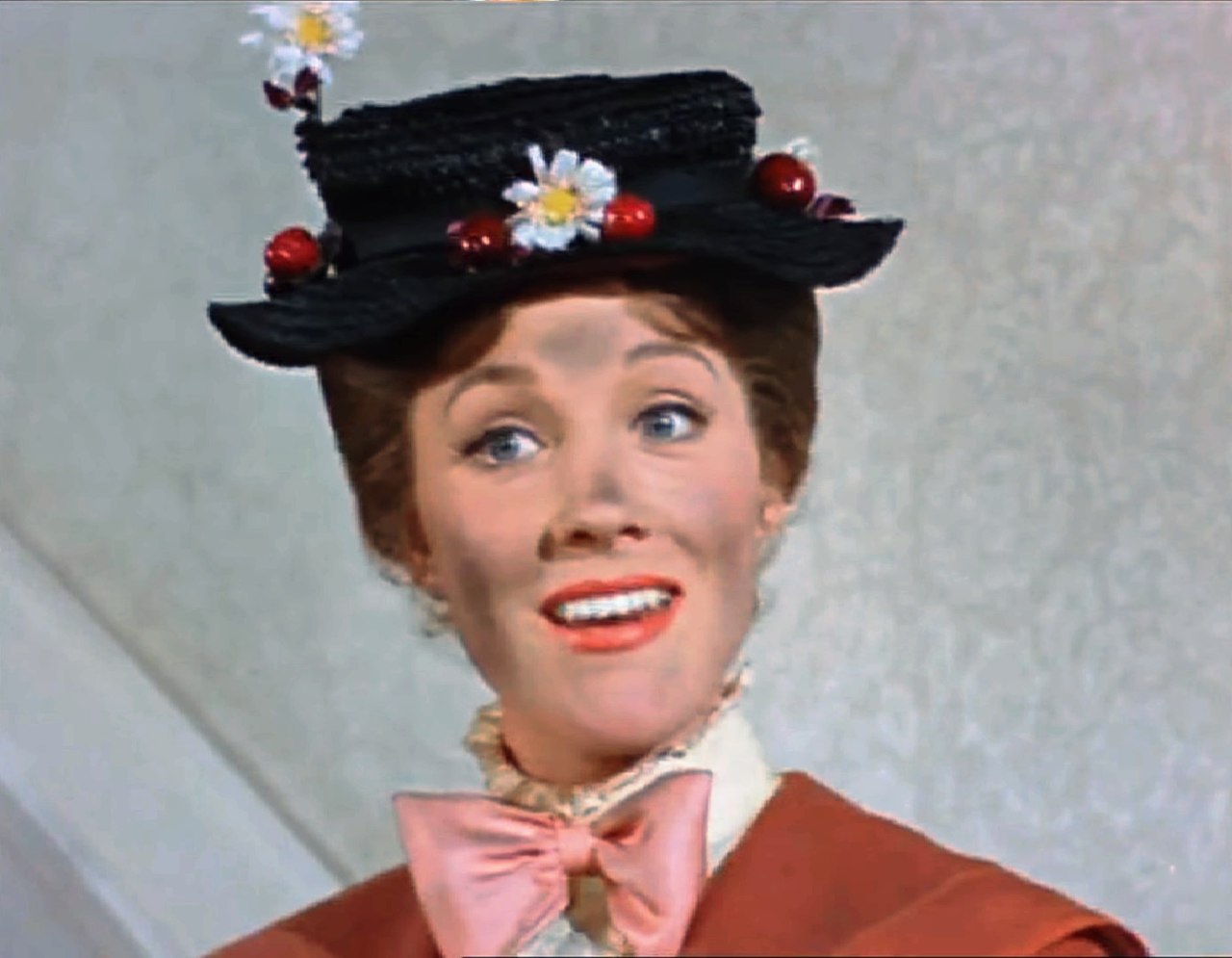
I grew up with these stars as role models in my life, so you know they are dear to me. Watching Julie Andrews and Dick Van Dyke singing and dancing in Mary Poppins is still a vivid memory for me. I was ten years old. Convincing myself I could direct (where did I get that, I wonder?) in my backyard, my plan was to have my father rent a helicopter to fly me in. You understand this was 1966. Ha!
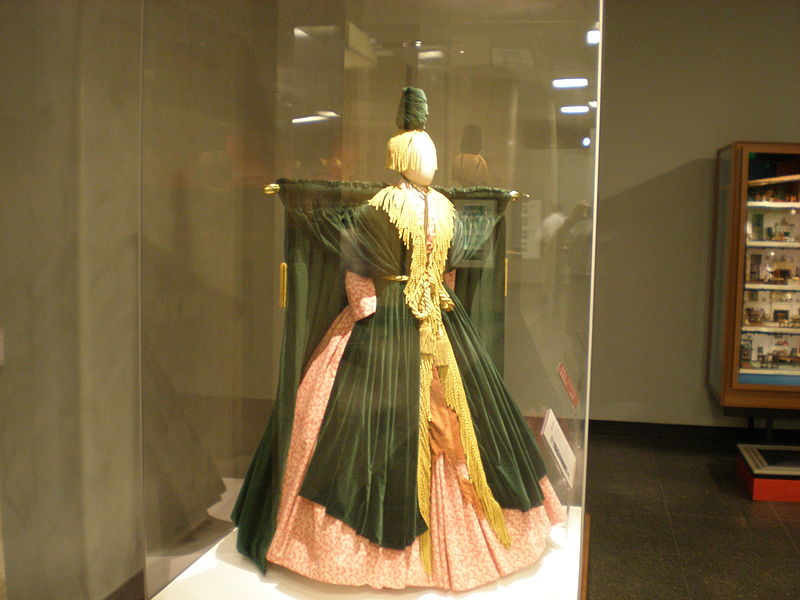
And James Earl Jones? Wow, what a presence! I mean, to just use your voice to create a character for Darth Vader in Star Wars and Mufasa in The Lion King is a testament to his incredible talent. By the same token, I remember laughing hysterically at Carol Burnett’s antics on her television show, The Carol Burnett show. Nothing could be funnier than her dressed with a curtain rod as part of her Gone with the Wind costume.
These four icons have captivated audiences for decades. Their remarkable talents leave an indelible mark on stage, screen, and beyond. First, let’s take a closer look at the five reasons for students to study these iconic performing artists.

Five Reasons to Study Iconic Performing Artists
1. Mastery of Technique: These performers demonstrate exceptional control over their voices and physicality. Additionally, by studying their techniques students learn to refine their vocal and acting skills, from projection to emotional expression.
2. Longevity in the Arts: These icons have had careers spanning decades, teaching students the importance of persistence, adaptability, and commitment to their craft. Consequently, their careers can inspire students to envision long-term success in the performing arts.
3. Versatility Across Genres: Whether in comedy, drama, musical theater, or film, these performers have excelled in a variety of genres. Furthermore, by observing their versatility students are encouraged to explore different styles of performance and expand their own artistic range.
4. Character Development: Each of these stars is known for portraying deeply memorable characters. By studying how they developed their roles, students can gain insight into creating authentic and compelling characters in their own performances.
5. Cultural and Historical Impact: These legends have shaped the entertainment industry and influenced global audiences. Analyzing their work gives students a deeper understanding of how the performing arts reflect and affect culture. Thereby encouraging them to consider their own impact as artists.

Dick Van Dyke: A Master of Comedy and Charm
With a career spanning over seven decades, Dick Van Dyke remains one of Hollywood’s most beloved performers. To begin with, his early days as a radio DJ and television host paved the way. Not surprisingly, his breakout role in The Dick Van Dyke Show, a sitcom that became a staple of American television. Van Dyke’s effortless blend of physical comedy and heartwarming charm made him a household name. However, it was his role as the lovable chimney sweep Bert in Mary Poppins that cemented his legacy as a film star.
Van Dyke’s career is defined by versatility. One can’t forget his slapstick humor in Chitty Chitty Bang Bang, his dramatic turns on Diagnosis: Murder, or his smooth song-and-dance performances. Thankfully, his energy and enthusiasm continue to inspire generations of performers. In recent years, he has remained active, appearing in the 2018 sequel Mary Poppins Returns with the same sprightly charisma that audiences have come to love. Isn’t that wonderful?
Most importantly, let’s not forget his Tony award winning performing in Bye Bye Birdie! Check him out here.
Why Students Should Study Dick Van Dyke:
Van Dyke exemplifies the art of physical comedy and timing, key skills for any actor to master. i find that his ability to blend humor with heartfelt emotion teaches students to be vulnerable. Lastly, Van Dyke’s longevity in the industry also serves as a model for persistence, adaptability, and passion in the arts. He is ninety-eight years young.

Julie Andrews: The Queen of Grace and Song
Julie Andrews’ soaring voice and elegant demeanor have made her one of the most revered performers of all time. Known for her unforgettable roles in The Sound of Music and Mary Poppins, Andrews’ impact on both Broadway and Hollywood is nothing short of extraordinary. Her impeccable soprano voice and acting abilities catapulted her to stardom on stage, beginning with her acclaimed performance in My Fair Lady on Broadway. Check out her performance here.

Teaching Stage Legends: Burnett, Andrews, Jones, and Van Dyke
Her transition to film came with equal success, winning the Academy Award for Best Actress for Mary Poppins in 1964. Andrews’ portrayal of Maria in The Sound of Music only fortified her standing as a true legend. Despite a vocal injury that affected her ability to sing, she has continued to contribute to the arts. Andrews has lent her voice to beloved characters in animated films. Plus, she writes children’s books with her daughter. Always seeking new challenges, she voices Lady Whistledown in the very popular Bridgerton television series.
Andrews is three-quarters of the way to EGOT status. She has won two Emmys, two Grammys (plus a lifetime achievement award) and an Oscar, but has yet to win a Tony, despite three nominations. Several years ago, she appeared to finally be headed for a Tony win in 1996 for her lead role in the Broadway adaptation of Victor/Victoria. However, she turned down the nomination because no one else from the cast was nominated. What a classy lady!
What is an EGOT winner? Check out: EGOT Award Winners: A Closer Look at Their Most Iconic Roles and Performances
Why Students Should Study Julie Andrews:
Julie Andrews’ extraordinary vocal technique and range make her a prime example for students studying musical theater and voice. Additionally, her seamless transition from stage to film provides a blueprint for how actors can adapt their talents across mediums. Andrews also models resilience, having faced and overcome significant challenges throughout her career, such as her vocal injury.

James Earl Jones: A Voice Like No Other
James Earl Jones is known as much for his commanding presence as for his iconic voice, which is recognized instantly across the globe. From the moment he stepped onto the stage in the 1950s, Jones has been a powerhouse of the theater world, earning acclaim for his portrayal of Shakespearean roles and tackling complex, socially relevant themes. His work in Othello, King Lear, and Fences solidified his status as one of the most talented actors in theater history.
Of course, his distinctive voice became legendary in its own right. Most beloved for his portrayal of Darth Vader in Star Wars and as Mufasa in The Lion King. His voice work combined with his stage presence has earned him multiple Tony Awards, including one for his role in The Great White Hope. Jones portrayed heavyweight boxer Jack Jefferson. Watch James Earl Jones here in Field of Dreams. I always thought he was the man’s voice on the Arby’s commercials, but I was incorrect. Click here to see who is.
Why Students Should Study James Earl Jones:
James Earl Jones is the quintessential example of how voice and presence can elevate a performance. Students can learn from his mastery of classical texts. Plus, his ability to command attention with every word spoken is exemplary. Jones’ journey, overcoming a childhood stutter to become one of the most recognized voices in the world, is an inspiring lesson in perseverance and the transformative power of the arts.

Carol Burnett: The Queen of Comedy
I couldn’t leave out Carol Burnett, one of my personal favorites! Burnett’s remarkable ability to command the stage with her wit and comedic timing continues today. She has been thrice nominated for Tony and Grammy awards.
Why Should Students Study Carol Burnett?
1. Master of Improvisation: Burnett’s quick thinking and ability to improvise in live performances teach students how to adapt on stage, think creatively, and maintain energy even in unscripted moments.
2. Groundbreaking Female Comedian: As one of the first women to host her own variety show, Burnett broke barriers in comedy, inspiring students—especially young women—to challenge stereotypes and pursue careers in traditionally male-dominated fields. (Did you know her Broadway break was in Once Upon a Mattress?)
3. Versatility in Performance: From slapstick comedy to heartfelt drama, Burnett’s range of characters highlights the importance of versatility in the performing arts. Students can learn to stretch their own abilities and explore different types of roles. (Watch her in Once Upon a Mattress here.
4. Collaboration and Ensemble Work: Burnett’s success on *The Carol Burnett Show* came from her ability to collaborate effectively with a talented ensemble cast. Studying her work emphasizes the value of teamwork in creating memorable performances.
5. Connection with Audiences: Burnett had an exceptional ability to engage with audiences, whether through humor, empathy, or breaking the fourth wall. Students can learn from her how to connect with their audience on a deeper level, making their performances more impactful.
A Legacy of Excellence
Dick Van Dyke, Julie Andrews, and James Earl Jones are living embodiments of the timeless magic that the performing arts can bring. Each has made distinct and significant contributions to the entertainment industry. They talent continues to shape the way we experience comedy, music, drama, and storytelling.
Their combined influence on both stage and screen will never be forgotten. As you might expect, they’ve set the standard for excellence in performance. From the whimsical worlds of Mary Poppins to the inspiring drama of Fences, and the unforgettable voice of Darth Vader, these four legends continue to captivate audiences and serve as enduring symbols of what it means to be truly great at one’s craft.

Why Students Should Study These Icons?
I hope that I’ve made it convincing for you to teach about these amazing artists. By studying these four legends students can explore a diverse range of performance techniques. By examining their careers, students can gain a deeper appreciation for the craft of acting and the impact that a single performer can have on audiences worldwide.
If you are looking for biographies of these artists (all but Burnett) go here.
I’d love to hear about your favorite iconic performers. Email me at DhcBaldwin@gmail.com and we’ll chat!
Leave a Reply