• Skip to primary navigation
  • Skip to main content
  • Skip to footer

Join Me in my new Facebook Group! https://www.facebook.com/groups/417126059784261

Menu
  • Meet Deb – The Heart Behind DramaMommaSpeaks
    • Work with Me! 
    • Photo Gallery of DramaMommaSpeaks
    • Directorial Credits
  • I Give Book Talks! 
    • Book Talk Through Skype
    • Books
  • Freebies!
  • Bumbling Bea
  • Teaching Resume
  • Acting Resume
  • Contact Me
  • Blog
    • Drama Education
    • Arts Education
    • Youth Theatre
    • Middle Grades
    • Musical Theatre
    • Teaching
  • Meet Deb – The Heart Behind DramaMommaSpeaks
    • Work with Me! 
    • Photo Gallery of DramaMommaSpeaks
    • Directorial Credits
  • I Give Book Talks! 
    • Book Talk Through Skype
    • Books
  • Freebies!
  • Bumbling Bea
  • Teaching Resume
  • Acting Resume
  • Contact Me
  • Blog
    • Drama Education
    • Arts Education
    • Youth Theatre
    • Middle Grades
    • Musical Theatre
    • Teaching

gifted and talented

Why Drama Circles Work in the Elementary Classroom

November 21, 2025 By dhcbaldwin Leave a Comment

Why Drama Circles Work So Well for Elementary Students

Why Drama Circles Work in the Elementary Classroom

Why Drama Circles Work in the Elementary Classroom

“How Drama Circles work in the Elementary Classroom” is a topic that’s close to my heart—mostly because you are far “more fortunate than I ever was. When I began teaching, I had absolutely no resources for the theater classes I taught. I was constantly tweaking college-level acting lessons for my very young students. Not the best idea…

But lucky you! After thirty-eight years (and then some), I’ve perfected my lessons to help you. Drama teachers have known for decades that movement, imagination, and storytelling help students learn. But what if you could combine all of those elements into a simple, low-prep activity that works in any classroom?  Plus, you were relegated to using a stage? There’s the secret sauce!

Enter: Drama Circles.

Drama Circles are quick, engaging activities which invite students to take turns acting out prompts, exploring characters, and stretching their creativity in a structured, supportive way. Best of all, drama circles require no costumes, no rehearsals, and no performance pressure. All you need is a printed set of cards (or a list of prompts) and a group of students ready to have fun.

Why Drama Circles Work in the Elementary Classroom

What Is a Drama Circle?

To begin, a drama circle is a simple activity where students stand or sit in a circle, draw a prompt, and act it out for the group.

The prompts can focus on:

  • Movement–“You are a squirrel trying to teach a walnut too far out of your reach.”

  • Vocal expression–“You are a gruff, old bear looking for berries to eat before you hibernate.”

  • Characters–“You are a grandmother who has proudly made the Thanksgiving turkey for the family only to find its burned.”

  • Emotions--“You are a clown who doesn’t know how to juggle.”

  • Seasonal themes–” You are one of the elves and you accidentally wrapped yourself up in the package you were wrapping.”

  • “Curriculum concepts–“You and your friend show us a tableau of  scene from Red Riding Hood.”

It’s worth noting, that the beauty of drama circles is that they allow every child to participate at their comfort level. In addition, they encourage bold choices and imagination.


Why Drama Circles Work in the Elementary Classroom

Why Drama Circles Work So Well for Elementary Students

Drama circles align beautifully with what elementary learners need:

1. They support whole-body learning.

Young children make meaning through movement. To that end, drama circles channel wiggles productively while strengthening coordination, spatial awareness, and expressive movement. Check out this blog post for more information about movement: Creative Movement: Elementary and Middle School Teachers – Ready to Move?

2. They build confidence.

Drama circles even nurture shy children to take risks.  Because students “perform” only for their classmates in a casual, low-stakes manner. One prompt at a time is far less intimidating than performing a whole scene.

3. They promote speaking and listening skills.

Every prompt becomes an opportunity for students to practice pacing, volume, and clarity.  These are all important communication skills that support reading fluency. Check out this post for more information about reader theater:  Unveiling Reader’s Theater: What You Never Knew

4. They encourage creative thinking.

A simple prompt like “Walk as if you’re on the moon” sparks imagination, problem-solving, and character interpretation. Pick up this drama circle is you really want to stretch your students’ imagination! Drama Circle Lost in Space:  The Star Voyager Chronicle

5. They strengthen classroom community.

Laughter, shared creativity, and positive peer feedback help build trust among students. Drama circles make classrooms feel safe and joyful. Check out this article on how laughter leads students to learn.


Why Drama Circles Work in the Elementary Classroom

How to Use Drama Circles in Your Elementary Classroom

Drama circles are incredibly versatile. Here are several ways teachers can integrate them seamlessly into the school day.

1. Use them as a warm-up activity.

Start your morning meeting or ELA block with a few prompts to energize your students. It sets a positive tone for the day.

2. Add them to transitions.

A two-minute elementary drama circle between subjects helps refocus brains after worksheets or independent work. This is such a great idea!  Check out this FREE drama circle: Drama Circle Winter Holidays

3. Use them as brain breaks.

Instead of turning to YouTube videos, let your students act out “Ride a roller coaster!” or “Be a sleepy dragon waking up.”

4. Tie them into seasonal celebrations.

Holiday-themed drama circles (like Thanksgiving, Winter Holidays, or Valentine’s Day) make festive weeks more manageable while keeping students on-task. Here is one for Thanksgiving: Drama Circle Thanksgiving Theme

5. Use them in literacy instruction.

Warm ups for kids through drama circles help students explore:

  • Character traits–“Show us you are proud of yourself having run the race.”

  • Emotion vocabulary–“Show us you are laughing hysterically at your friend.”

  • Setting–“Show us you are sitting near a mountain creek with your feet dangling in the freezing cold water.”

  • Action verbs–“Show us you are carrying heavy groceries into your house.”

  • Dialogue delivery–“Show us by saying this sentence in an unusual manner–Close the door.” (I’ve used this one for years.)

They’re also a great way to introduce reader’s theater or creative writing.

6. Substitute Plans Made Easy

Left with a day’s notice? Drama circles in the elementary classroom require almost no explanation. Plus, they  work perfectly as a structured, engaging sub activity. Because you can do so many activities with them, a substitute will feel at ease using them, especially if they are not a drama teacher. 


Why Drama Circles Work in the Elementary Classroom

Tips for Successful Drama Circles

Here are a few tricks I used for 38 years in the drama classroom—and they work beautifully in elementary settings:

✔ Keep prompts short and clear.

Elementary students respond best to simple phrases they can interpret creatively.

✔ Model the first prompt.

A quick demonstration helps them understand there are no “right answers.” This is essential in any situation!

✔ Encourage big choices.

Tell students, “Make it bigger than you think!” They’ll surprise you.

✔ Celebrate every attempt.

Applause, snaps, and positive comments build a feeling of success for all students. Here’s the importance of applause. Why Do We  Clap at the Theater? 

✔ Offer adaptation options.

Let anxious students perform with a partner, freeze-pose their prompt, or describe what they would do.


Drama Circle Activity Growing Bundle Improvisation Acting Holidays

Drama Circles Fit Everywhere

Whether you teach in a traditional classroom, a drama room, or a homeschool environment, drama circles are a joyful way to build creativity, communication, and confidence. They’re easy to implement. Drama Circles require virtually no prep, and ignite the kind of imaginative play that elementary students love. Who doesn’t love that?

If you’re looking for ready-to-print drama circles—seasonal themes, holidays, character challenges, and more—I have a growing collection created specifically for the elementary classroom. First and foremost, they’re classroom-tested and developmentally appropriate.  Plus, they are designed by a veteran drama teacher who believes learning should be joyful.

Why is a growing bundle a good deal?  Because if you get in now, you will receive every new drama circle I add to it for FREE!  (And as this bundle grows, the price will go up for new buyers.) You can check them out here:  Drama Circle Growing Bundle

I hope you will take me up on using drama circles in the elementary classroom. Honestly, they will not disappoint you.  You will be astounded at how quickly your students pick up the directions and engage!

Have you used drama circles in your elementary classroom?  I’d love to hear how they have worked for you.  Feel free to email me at DhcBaldwin@gmail.com

Deb

Photo Gallery of DramaMommaSpeaks
Directing

Share this:

  • Click to share on Tumblr (Opens in new window) Tumblr
  • More
  • Click to share on X (Opens in new window) X
  • Click to share on Facebook (Opens in new window) Facebook
  • Click to share on Pinterest (Opens in new window) Pinterest
  • Click to share on LinkedIn (Opens in new window) LinkedIn
  • Click to email a link to a friend (Opens in new window) Email
  • Click to share on Reddit (Opens in new window) Reddit
  • Click to share on Pocket (Opens in new window) Pocket
  • Click to share on Telegram (Opens in new window) Telegram
  • Click to share on WhatsApp (Opens in new window) WhatsApp

Like this:

Like Loading...

Filed Under: arts education, arts integration, creative dramatics, creative movement, Creativity, drama education, drama integration, Education, elementary, English Language Learners, excellence in teaching, gifted and talented, middle grades, readers theater, storytelling, Teaching, youth theatre Tagged With: build confidence, characters, collaboration, creative dramatics, creativity, elementary, emotions, Imagination, movement, seasonal themes, self esteem, vocal expression

Readers Theater: The Secret Tool for Social Studies

November 7, 2025 By dhcbaldwin Leave a Comment

Readers Theater: The Secret Tool for Social Studies

I wanted to write “Readers Theater: The Secret Tool for Social Studies” because so many teachers are searching for new ways to keep students engaged in social studies. When most teachers hear “Readers Theater,” they picture ELA fluency, reading  or drama class, or a fun break from routine. But Readers Theater is far more powerful than that—especially in the social studies classroom.

Social studies is filled with people, decisions, and moments that shaped the world. Readers Theater brings those stories to life.

Readers Theater: The Secret Tool for Social Studies

Why It Works

Personally, I believe Readers Theater is one of the most useful teaching tools we teachers have at our disposal. First, Readers Theater requires no costumes, sets, and maybe most importantly–no memorization. (I’m aware that I am repetitive here, but not having to memorize lines could be the single greatest asset of Readers Theater.) Talking about making it easy on the teacher! Plus, students remain seated and bring characters to life using only their voices. Stay seated, you say?  Plus, everyone faces forward.  Consequently, there is not much opportunity for shenanigans.  Since the pressure of performance is removed, even shy or reluctant learners can participate successfully.

It’s simple, low-prep, and high-engagement—just what teachers need when the curriculum feels heavy.

Readers Theater: The Secret Tool for Social Studies


✅ 1. Readers Theater Builds Historical Empathy

As we know, understanding history is more than memorizing dates. I remember when I was in social studies class, I had a difficult time with all of the facts.  Students learn why people behaved as they did, how they felt, and what values shaped their choices.

Here’s a tip:  When students “step into” a historical figure’s role—even just by reading lines—they connect emotionally with the past. That’s powerful. 

  • What did enslaved families risk on the Underground Railroad?

  • How did immigrant children feel arriving at Ellis Island?

  • What was it like to hear Lincoln’s words at Gettysburg?

Readers Theater turns history from a timeline into a human experience.

Readers Theater: The Secret Tool for Social Studies


✅ 2. It Gives Voice to Multiple Perspectives

Good social studies teaching includes multiple viewpoints. Readers Theater makes that visible and audible.

A script can feature:

  • Leaders and everyday citizens

  • Soldiers, nurses, and workers–Veterans Day One Act

  • Children’s voices from different cultures–check out Magic Lake (a Peruvian story about a little girl who saves the prince)

  • Opposing sides of an issue–It Could Always Be Worse is an excellent example of being grateful

Students begin to recognize that history isn’t one story—it’s many. I find that learning that other cultures have the same issues that I have makes me feel better about my particular issue at the time.

Readers Theater: The Secret Tool for Social Studies
My ESL Drama Club in Smithton Middle School, 2001

✅ 3. It Supports ELLs and Struggling Readers

Because students read aloud together, Readers Theater:

  • Encourages repeated reading (which boosts comprehension)

  • Builds vocabulary naturally

  • Strengthens speaking and listening skills

  • Reduces anxiety—no memorization, no performing alone

ELL students in particular benefit from hearing fluent reading modeled by classmates while having the chance to participate at their comfort level. About twenty years ago, I sponsored an ESL Drama Club.  What a tremendous experience that was.  We performed a Readers Theater script by Aaron Shepherd. 

Readers Theater: The Secret Tool for Social Studies


✅ 4. It Turns Primary Sources Into Something Students Can Understand

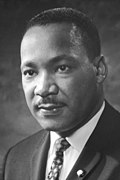
Primary documents are rich—but intimidating. Once a student is intimidated, they can’t learn.  Readers Theater helps teachers “translate” them into accessible language without losing meaning. For example, a student could learn about Martin Luther King through a Readers Theater script.  

A script can simplify:

  • Speeches

  • Letters

  • Newspaper accounts

  • Diaries

  • Oral histories

Additionally, if a teacher uses the Readers Theater script for a performance, such the Martin Luther King holiday, students begin to internalize content instead of just decoding it. I know that when my teachers used Readers Theater in our classes, I remembered the information much more easily.

Readers Theater: The Secret Tool for Social Studies


✅ 5. It Encourages Collaboration and Critical Thinking

Social studies is filled with cause and effect, motives, and outcomes. Readers Theater takes those ideas off the page and puts them into dialogue, letting students hear history instead of just reading about it.

After a script, students can discuss:

  • Who had power in the situation?

  • What choices did characters have? Li Chi The Serpent Slayer is a fantastic Chinese folk tale about a girl volunteering herself to save her village.

  • What might you have done differently?

  • What bias or point of view appears in the story?

Readers Theater: The Secret Tool for Social Studies

How Readers Theater Turns Passive Readers into Powerful Thinkers

Suddenly, they’re not just reading history—they’re interrogating it. When students interrogate information—asking questions, challenging assumptions, and discussing why events happened—they are no longer passive receivers of content. They become active thinkers. That shift builds confidence.

  • They learn that their ideas and questions matter.
    When students are encouraged to question the text, they begin to trust their own reasoning. Without a doubt, trusting one’s self is monumentally important.

  • They discover they can figure things out on their own.
    Instead of waiting for the teacher to supply answers, they explore possibilities and defend their thinking. For that reason, their sense of ownership becomes a heady experience.  One experience a students doesn’t easily forget!

  • They practice speaking up.
    Discussing motives, cause and effect, and different perspectives helps students find their voice and participate more boldly. Using Readers Theater as the vehicle for your teaching is a sly way to engage students. Personally, I think it is magical.

  • They realize there is not always one “right answer.”
    In social studies, interpretation is part of learning. When students see that they can contribute, analyze, and debate, their confidence grows. Additionally, as confidence grows, a teacher may discover that the most reluctant student feels comfortable speaking up.  Readers Theater is non-threatening.

Additionally, interrogating information isn’t just academic—it’s empowering. Readers Theater makes this even more accessible because students hear viewpoints aloud, react to them, and respond in real time. As a result, that experience helps them feel capable, engaged, and confident in the classroom. And…it’s effortless teaching, I promise you.


✅ Ideas for Using Readers Theater in Social Studies

  • Biographies (Harriet Tubman, Cesar Chavez, Sojourner Truth, Eleanor Roosevelt)

  • World cultures and holidays ( Día de (los) Muertos–Day of the Dead)

  • Indigenous stories and oral traditions (How the Bee Got Its Singer-a Cherokee Creation Myth)

  • Immigration experiences

  • Civil Rights Movement

  • World War II home front

  • Constitutional Convention debates

  • Historical folktales and legends ( The Fall of the Spider Man–a Canadian Folk Tale)

Short scripts can be used during:

  • Introduction to a Unit

  • Stations

  • Friday fun days

  • Sub plans

  • Intervention groups

  • Literacy centers

  • Class performance days


✅ Final Thoughts

I hope you’ll consider including Readers Theater scripts into your social studies curriculum. Social studies should never feel like a silent subject. It should be full of voices, stories, and perspectives.

Readers Theater does exactly that—bringing history to life in a way that is meaningful, accessible, and unforgettable.

How have you used Readers Theater in your social studies classroom?  I’d love to hear about it.  Feel free to email me at DhcBaldwin@gmail.com

   Have you heard the news?  We’re Live! Radio Theater #101 was awarded a 5 star review of excellence.  Get your copy here! We’re Live! Radio Theater #101

Share this:

  • Click to share on Tumblr (Opens in new window) Tumblr
  • More
  • Click to share on X (Opens in new window) X
  • Click to share on Facebook (Opens in new window) Facebook
  • Click to share on Pinterest (Opens in new window) Pinterest
  • Click to share on LinkedIn (Opens in new window) LinkedIn
  • Click to email a link to a friend (Opens in new window) Email
  • Click to share on Reddit (Opens in new window) Reddit
  • Click to share on Pocket (Opens in new window) Pocket
  • Click to share on Telegram (Opens in new window) Telegram
  • Click to share on WhatsApp (Opens in new window) WhatsApp

Like this:

Like Loading...

Filed Under: arts integration, drama education, drama integration, Education, Education, elementary, English Language Learners, excellence in teaching, gifted and talented, middle grades, multiculturalism, readers theater, reading skills, Teacherspayteachers, Teaching, teaching strategies Tagged With: elementary school, listening skills, Middle school, multiculturalism, readers theater, social studies, speaking skills

Who Is Springboard to Action and Why It Matters

October 8, 2025 By dhcbaldwin Leave a Comment

Every so often, someone reaches out to me and asks if I can help spread the word about an organization that’s making a real difference in theater education. I’m always willing to consider it.  That’s part of my mission statement.  When I see a program that opens doors for students and inspires teachers, I’m always eager to share it. Today’s spotlight is on one of those opportunities: Who Is Springboard to Action and Why It Matters.

Who Is Springboard to Action and Why It Matters

Who is Springboard to Design and Why It Matters

Springboard to Design encourages and mentors high school students from underrepresented populations to explore the process of theatrical collaboration and the many avenues of American Theatre design. Led by renowned members of the contemporary theatre in the heart of NYC, the Springboard to Design curriculum includes workshops, seminars, and access to important work on and off Broadway.

Springboard to Action

Instructors consist of award-winning artists who create a collaborative environment for students, as they explore costume, set, lighting, projection, hair, makeup, and sound design. How wonderful this is for the students! Knowing that someone who the students can relate to because of their background or culture or ethnicity is important.  Such an approach ensures that the program is not all about teaching and learning—it’s about connection.

Springboard to Design is an initiative by Design Action, an intergenerational coalition of BIPOC and white designers working to end racial inequities in North American theatre. The program was incubated in collaboration with the American Theatre Wing in 2021. In the summer of 2025, Springboard to Design was hosted at The Harvey Fierstein Theatre Lab housed in The New York Public Library for the Performing Arts in the heart of Lincoln Center.

Who Is Springboard to Action and Why It Matters

Benefits of Springboard to Design

In case you want to share this information with your students, here’s a quick list of how this program benefits students:

  • Accessibility – Tuition, housing, and program costs are fully covered, making it possible for all students to attend.
  • Representation Matters – Students work with professional designers who reflect diverse backgrounds and lived experiences.
  • Professional Mentorship – Award-winning artists guide students through real-world design challenges.
  • Hands-On Training – Workshops let students experiment with costume, set, lighting, projection, hair, makeup, and sound design.
  • Career Exploration – Students discover design pathways beyond acting, expanding their vision of what a future in theatre can be.
  • Community Building – The program fosters collaboration, teamwork, and friendships with peers who share the same passions.
  • Networking in NYC – Students gain exposure to Broadway professionals and experience theatre in the cultural hub of the U.S.
  • Recognition – Being part of a nationally recognized program (Anthem Award winner) adds prestige to a student’s portfolio or college application.

Isn’t this is exciting?  I wish I had students that I could introduce to this program.  If you need an answer to the question, “How is theater useful in the outside world”, read: Why Theater Education Matters: Developing Key Life Skills

Who Is Springboard to Action and Why It Matters

Breaking Barriers for Future Theater Artists

The program includes workshops and mentorship from award-winning artists. Students explore costume, set, lighting, sound, hair, makeup, and projection design in the heart of New York City. Here’s the exciting part—the SB2D program is FREE to all students.

Springboard to Design (SB2D) gives students the chance to dive into the world of theatre design and discover new artistic possibilities, no experience required! With housing available and tuition fully covered, this program is built to remove barriers for the next generation of theatre designers. Thus, students expand their sense of community, collaboration, and imagination.

Springboard to Design is all ready a winner!  The program was recognized by the 2022 and 2023 Anthem Awards as a Bronze Winner for Education, Arts, & Culture – Community Engagement.

Who Is Springboard to Action and Why It Matters

Application Details and Deadlines

The applications for the 2026 program are open from September 15th to December 15th, 2025.

The application will include a few short essays, a brief introduction video, and an original piece of artwork.

There is a $25 application fee. If for any reason you are unable to afford the fee, or if it causes stress on family finances. If so, please contact us to receive a voucher. This application fee goes directly back into the program and helps keep the week-long experience free for students.

The Power of Finding Your Community

I can only speak from personal experience.  When I attended college I finally found people who were just like me with the same interests and goal.  I was much more willing to show up for myself.  Sounds to me like Springboard to Action is the opportunity and growth we’d all like to give our students an opportunity to attain.  For more information about the program, go to Springboard for Action.

I give drama teachers advise nearly weekly.  If you have any questions or need some help, just email me at DhcBaldwin@gmail.com

Woman behind DramaMommaSpeaks

Share this:

  • Click to share on Tumblr (Opens in new window) Tumblr
  • More
  • Click to share on X (Opens in new window) X
  • Click to share on Facebook (Opens in new window) Facebook
  • Click to share on Pinterest (Opens in new window) Pinterest
  • Click to share on LinkedIn (Opens in new window) LinkedIn
  • Click to email a link to a friend (Opens in new window) Email
  • Click to share on Reddit (Opens in new window) Reddit
  • Click to share on Pocket (Opens in new window) Pocket
  • Click to share on Telegram (Opens in new window) Telegram
  • Click to share on WhatsApp (Opens in new window) WhatsApp

Like this:

Like Loading...

Filed Under: Arts, arts education, Broadway, Christmas memories, community theater, Creativity, Distance Learning, drama education, Education, Education, gifted and talented, immigrants, performing arts, Play, play reading, plays, Radio Theatre, Readers Favorite, readers theater, set design, The Wheel Education, theater, theatre Tagged With: BIPOC, drama class, high school, Middle school, minorities in theater, NC, New York, summer programs for minorities, theater class

Easy-to-Use Middle School Drama Lessons: Volume 1

June 25, 2025 By dhcbaldwin Leave a Comment

middle school students working together on a drama class project by Dramamommaspeaks

Easy-to-Use Middle School Drama Lessons: Volume 1

My second year of teaching
School photo of my second year of teaching

Today, let’s talk about easy-to-use middle school drama lessons, volume 1, shall we? I bet you’d agree with me–teachers are conscientious people. We are like a dog with a bone–we just don’t give up.  When I began teaching, my first three years of teaching (English) were exhausting and challenging.  In fact, I had never student taught the subject.  Plus, I was on my own  trying to understand the scope and sequence pacing.

Back then, we did not have mentor teachers. A nice, equally young teacher  gave me a huge tome complete with English department standards with outcomes expected by grade level.  It was filled with jargon which I had to translate into laymen terms before I could even consider teaching them! Talk about overwhelm. However, I never gave up and learned tons from teaching English for those three years.

From Grad School to the Classroom: What Really Works with Middle Schoolers

Time went by and I survived those first years of teaching.  Later, when I began teaching a pre-elective drama class for middle schoolers, I had just finished my M.Ed. in Creative Arts Learning. It was perfect timing—I ended up using so many of those teaching methods in the classroom right away.

What I learned over many years is that middle school students need variety and short bursts of learning.  Of course, it’s good if it’s fun, too.  (Trust me, here.  My students and I laugh a lot in a class period.) Looking for a play to direct? Check out: 8 Middle School Plays That Work Every Time

My lessons generally followed this pattern:

  • warm up (15 mins.)
  • teacher lesson (10 to 20 mins.)
  • student application (15 mins.)
  • cool down, exit slip, etc. (5-10 mins.)

What’s Inside Volume 1?

Easy-to-Use Middle School Drama Lessons: Volume 1

Even though this was a pass/fail class, I had the opportunity to teach as much or as little theater information as I liked. The principal left it up to me which was gratifying to way the least.   Also, I taught them the rudimentary concepts of stage geography, stage positions, blocking positions, acting positions, and movement. Most youth theater and school theater programs focus on the actor.  I knew that the concepts of stage orientation would be needed no matter what program or class they enrolled in next time.

Hooked from the Start: Building Excitement and Ownership in Drama Class

Additionally, students learned about the origin of theater (did it begin through myth or ritual?).  We had  lively debates discussing their opinions.  By establishing the class with this resource, a teacher can put their students in the driver’s seat right off the bat.  They learn that their opinions count!

Always I kept it in mind that I wanted my students to enroll in another drama class after mine.  Most importantly, I wanted them to leave my class so in love with theater arts they couldn’t wait to learn more about it.

Easy-to-Use Middle School Drama Lessons: Volume 1

Why Teachers Love It

It is not out of the ordinary for me to receive a positive review.  I’m thrilled that I helped a teacher! 

“My students loved this unit for my theater class.  I have always struggled on how to teach set deisng in this class and your presesntation took me step by step through the procerss! Plus, I was able to modify it for my Behavior Theater class who loved the hands on aspects of this unit. ”

“Thank you for the teacher’s script and details. YOu could easily print and use this in your classroom immediately. SO MUCH DETAILS and SO MANY OPTIONS! I can use it all or in pieces as time allows. Thank you.”

My Favorite Lessons in the Volume

Easy-to-Use Middle School Drama Lessons: Volume 1

One of my favorite units to teach is set design.  Students enjoy it because it’s concrete.  It’s not that scary acting/ emotion stuff! Plus, I focus on fairy tales as the theme.  When I first began teaching this unit, fairy tales hadn’t become as popular as they are at present.  In fact, some students weren’t even familiar with the story of The Three Little Pigs!

However, now that fairy tales are popular in television and film, students nearly jump at the opportunity to create their own set for whatever fairy tale story they choose. The unit includes titles such as Cinderella, Little Red Riding Hood or Jack and the Beanstalk.

Storytelling Japan Student Created Pictures Drama Lesson Kamishibai Drawing

In addition, I enjoy teaching about Kamishibai Storytelling.  If you are unfamiliar with Kamishibai, you’ll enjoy how well it works in the classroom.  Got shy students?  You can encourage to break out of their shell through this unit.  First, you’ll put your students into teams of two to create their stories. They draw their story and finally they perform them in tandem.  Talk about win-win!

How to Use It Throughout the Year

Easy-to-Use Middle School Drama Lessons: Volume 1

Have you picked up a copy of my Scope and Sequence resource of drama lessons?  It’s free to you and will give you a comprehensive and organized plan.  You can find it here: Scope and Sequence, Vol. 1.

When you pick up the scope and sequence guide, you’ll notice that I suggest beginning the learning with the basic components of theater.  They include tableaux, movement, sound effects, improvisation, movement, etc.  Furthermore, there is time for designing a set and costumes, too.  I’ve included everything a teacher may need from teacher’s scripts (so you know what to say) to procedures (with time stamps) to warm-up exercises, live video clip links and a rubric or two.

Drama Class Theater Curriculum Middle School Vol. 1 Acting Improvisation Plays

So, there you have it!  I hope you’ll grab Volume 1 here to take the guesswork out of teaching drama! Or…buy Volume 1 and 2 here: Bundle Volume 1 and 2 Middle School

Looking for more?  Check out my new book, We’re Live! Radio Theater #101–all about how to use radio theater to engage students in any classroom.

Easy-to-Use Middle School Drama Lessons: Volume 1

Got a question or request?  Just email me at DhcBaldwin@gmail.com.  I’d be happy to help you!

Woman behind DramaMommaSpeaks

P.S.  If you all ready own these, check out volume 3!  It’s brand new:  BUNDLE MIDDLE SCHOOL CURRICULUM VOLUME 3

Click here:  We’re Live! Radio Theater #101


Share this:

  • Click to share on Tumblr (Opens in new window) Tumblr
  • More
  • Click to share on X (Opens in new window) X
  • Click to share on Facebook (Opens in new window) Facebook
  • Click to share on Pinterest (Opens in new window) Pinterest
  • Click to share on LinkedIn (Opens in new window) LinkedIn
  • Click to email a link to a friend (Opens in new window) Email
  • Click to share on Reddit (Opens in new window) Reddit
  • Click to share on Pocket (Opens in new window) Pocket
  • Click to share on Telegram (Opens in new window) Telegram
  • Click to share on WhatsApp (Opens in new window) WhatsApp

Like this:

Like Loading...

Filed Under: acting, arts education, arts integration, Back to School, creative dramatics, creative movement, drama education, drama integration, Education, Education, excellence in teaching, gifted and talented, performing arts, readers theater, set design, storytelling, Teacherspayteachers, teaching strategies, youth theatre Tagged With: 'tweens, arts integration, costume design, creative dramatics, drama education, drama lessons, drama units, Kamishibai Storytelling, Middle school, radio theater, set design

Boost Drama Class with These 5 Teacher Favorites

June 9, 2025 By dhcbaldwin Leave a Comment

A wooden figure leaning up against a stack of books

Boost Drama Class with These 5 Teacher Favorites

To begin with, as theater teachers, we often face a familiar set of challenges: limited prep time and diverse student needs. Plus, these are coupled  with th desire to build a strong classroom community while still hitting learning goals. How can we do that? What resources will it require?  Let’s discuss how to boost drama class with these five teacher favorites!  Whether you’re just starting out or looking to refresh your curriculum, the right resource can make all the difference.

Over time, I’ve created and refined dozens of drama education materials that aim to solve these challenges. These aren’t just popular—they’ve been tested by real teachers and praised for how well they support classroom success. (Proof of Concept?  To date, over 23,000 teachers have purchased from my Dramamommaspeaks store.)

Boost Drama Class with These 5 Teacher Favorites

Boost Drama Class with These 5 Teacher Favorites

1. Drama Ice Breakers and Ensemble Builders

Why it helps:
A strong ensemble is the heartbeat of any theater classroom. These ice breakers and team-building games are more than just “fun activities”.  They teach students how to collaborate, listen actively, and take creative risks in a low-pressure environment. I’ve used these same  for questions for years to help my students become confident and connected performers.

What’s included:

  • Engaging warm-ups for all experience levels
  • Games that promote trust and communication
  • Easy-to-follow instructions for quick implementation

As a result, this is a teacher favorite because:
They save you time and get your students up and moving—essential in the first few weeks of school.

One reviewer wrote, “These helped my students open up immediately and created a supportive classroom culture.”

Boost Drama Class with These 5 Teacher Favorites

Boost Drama Class with These 5 Teacher Favorites

Daily Drama That Delivers: Engage Every Student, Every Day

2. Morning Meeting Bell Ringers: Tony Award-Winning Plays

Why it helps:
These 24 bell ringers bring Broadway into your classroom through bite-sized lessons that celebrate Tony award-winning plays. Each includes a brief synopsis, the awards it won, and a thoughtful question to encourage discussion or journal writing. In addition, they’re great for daily warm-ups or as part of a broader curriculum on theater history.

What’s included:

  • 24 ready-to-use slides
  • Tony-winning play summaries and awards
  • Video clip links for reference
  • Critical thinking questions to prompt student reflection

Teacher favorite because:
They introduce important theatrical works without adding to your prep load. Consequently, students get exposed to a wide range of plays, and teachers love the simplicity and depth. “These were a great way to start my class and got my students talking about theater right away,” one educator said.

Boost Drama Class with These 5 Teacher Favorites

3. Radio Theater Unit

Why it helps:
This unit taps into the often-overlooked world of radio drama.  It is ideal for classrooms with limited space or performance anxiety. Students learn about sound effects, vocal inflection, and character development. Lastly, they create and perform their own radio commercials. Pick up one of my radio play scripts and you’ve got three weeks of learning!

What’s included:

  • A full unit guide with daily procedures for 12 days
  • Warm-ups and vocal exercises
  • Radio play scripts and sound design activities

Altogether, this is a teacher favorite because:
It combines performance, technical design, and storytelling into one seamless unit. One teacher shared, “My class LOVED this! It allowed even shy students to shine and brought a new energy to our drama time.”

Boost Drama Class with These 5 Teacher Favorites

Connect with Culture and Creativity

4. The Story of Lin-Manuel Miranda: Read-Aloud Biography Unit

Why it helps:
Students are always more engaged when they can relate to the subject. This biography of Lin-Manuel Miranda—complete with prompts and journaling ideas—makes for a great literacy integration!  Plus, it’a super jumping-off point for conversations about creativity, diversity, and perseverance. 

What’s included:

  • A read-aloud biography concerning his life, education, journey to Broadway and accolades he’s won
  • Student discussion questions
  • Journal writing prompts for reflection and connection

Teacher favorite because:
It inspires students with a story they care about while encouraging thoughtful writing. Additionally, teachers often use this during Hispanic Heritage Month, literacy blocks, or between units. One teacher remarked, “My students really enjoyed this lesson. The resources were great and they loved putting together the rap!”

Check out this blog post for other famous Broadway actor biographies: Teaching Stage Legends: Burnett, Andrews, Jones, and Van Dyke

Boost Drama Class with These 5 Teacher Favorites

5. Costume Design for Beginners

Why it helps: Costume design is a fantastic entry point into technical theater.  Furthermore, it helps students think critically about character, mood, and time period. This beginner-friendly unit introduces students to the basics of costume design through research, drawing, and hands-on activities.

What’s included:

  • Introduction to costume design principles
  • Guided drawing and analysis assignments
  • Creative prompts for designing original character costumes

Teacher favorite because: It taps into visual learning and creativity while supporting script analysis and design thinking. One teacher noted, “This was a perfect way to engage students who love art and fashion while still connecting back to theater concepts.”

Pick up a FREE holiday parade costume design lesson here:

In Conclusion

Lastly,  you’re looking for materials that are trusted, easy to implement, and designed with teachers in mind, give these a try. Check out this post for additional resources which can help you:  5 Easy Drama Games for Emergency Sub Plans

Have a favorite you’d like me to feature next? Drop me a message—I love hearing how these resources work in your classroom. Also, I’m so pleased to announce that my blog is one of the top 5 for drama teachers in the world. 

Learn more here:

This may contain: the top drama teacher blog badge with gold stars on it and text reading top drama teacher blog

Deborah Baldwin of Dramamommaspeaks
When I portrayed MIss Prism in The Importance of Being Earnest

Deb

Share this:

  • Click to share on Tumblr (Opens in new window) Tumblr
  • More
  • Click to share on X (Opens in new window) X
  • Click to share on Facebook (Opens in new window) Facebook
  • Click to share on Pinterest (Opens in new window) Pinterest
  • Click to share on LinkedIn (Opens in new window) LinkedIn
  • Click to email a link to a friend (Opens in new window) Email
  • Click to share on Reddit (Opens in new window) Reddit
  • Click to share on Pocket (Opens in new window) Pocket
  • Click to share on Telegram (Opens in new window) Telegram
  • Click to share on WhatsApp (Opens in new window) WhatsApp

Like this:

Like Loading...

Filed Under: acting, arts education, arts integration, drama education, drama integration, Education, Education, English Language Learners, excellence in teaching, Free Products, gifted and talented, High School, middle grades, Radio Theatre, Teacherspayteachers, Teaching, teaching strategies, theater, theatre, Tony Awards, youth theatre Tagged With: ice reaker exercises, Lin Manuel Miranda, morning meeting Tony awards, radio theater, teaching tools introduction to costume design

The Power of Play: Teaching Children Through Creative Dramatics

May 22, 2025 By dhcbaldwin Leave a Comment

A little girl blowing on an imaginary star


The Power of Play: Teaching Children Through Creative Dramatics

The Power of Play: Teaching Children Through Creative Dramatics

When I was a young child, I spent many an hour playing in the forsythia bush on the side of our home.  To me, it was the perfect place to hide away–just close enough so my mother could see me from the kitchen window and just far enough away that I could pretend anything my heart desired.  Today, let’s talk about The Power of Play: Teaching Children Through Creative Dramatics.

Picture this: a group of five-year-old’s flapping their arms like birds, pretending to soar through a jungle canopy. To an outsider, it might look like simple and unimportant play—but to a drama educator, it’s the beginning of something profound. Creative dramatics, or informal, process-centered dramatic play, is a powerful tool in the early childhood classroom. It supports developmental milestones in ways that worksheets and structured lessons simply can’t.

So why should we encourage young learners to step into someone else’s shoes—literally and figuratively? Here’s why creative dramatics deserves a starring role in every early childhood curriculum. Looking for superhero creative dramatics lessons? Go to: Super Hero Lesson Bundle 

The Power of Play: Teaching Children Through Creative Dramatics

1. Builds Language and Communication Skills

When children act out stories, they’re not just having fun—they’re expanding their vocabulary, practicing sentence structure, and learning how to listen and respond. Additionally, if they are like me they pick up accents they hear in movies and television and use them without being aware. Or they imitate a person’s vocal inflection (remember “E Gods!” in The Music Man?) Whether it’s a spontaneous pirate adventure or a dramatized retelling of The Three Little Pigs, drama provides a low-pressure environment to explore language.

Bonus: Shy children often feel more comfortable speaking through a character, which helps build confidence.

The Power of Play: Teaching Children Through Creative Dramatics

2. Encourages Empathy and Emotional Intelligence

Perhaps the most important aspect of creative dramatics is that it invites children to be someone else—an important exercise in empathy. What does it feel like to be the Big Bad Wolf? Or the lost kitten? Children begin to understand and name emotions. Thereby recognizing how others might feel in different situations. This is a gigantic skill! Plus, they can learn the early foundations of kindness and perspective-taking. Read my blog post for my reasons to direct The Diary of Anne Frank: The Most Important Play I’ve Directed

The Power of Play: Teaching Children Through Creative Dramatics

Teamwork in Action: Building Social Skills Through Shared Stories

3. Supports Social Development and Collaboration

Drama is almost never a solo activity. In fact, when young children create scenes together, they learn to naturally take turns, listen actively, negotiate roles, and solve conflicts. Who wouldn’t agree that learning to solve conflicts is a vital skill we all need to work on? It’s teamwork in its most joyful form. And for students still developing their interpersonal skills, creative dramatics offers a safe, playful setting to practice.

Although I enjoy directing production because I get the chance to see my vision come to fruition. I’m also aware that I couldn’t have had a successful production without the cast, crew and creative staff.  To learn more about my directing experiences, check out: The Reasons I Love the Giver

The Power of Play: Teaching Children Through Creative Dramatics

4. Stimulates Imagination and Critical Thinking

Pretend play is the root of innovation.  Through dramatics, children learn to invent, problem-solve, and think outside the box. A single scarf becomes a crown, a blanket turns into a mountain, and suddenly—there’s a kingdom to save! This kind of flexible thinking fuels creativity across subjects, from storytelling to science. Personally, I find that pretending is very relaxing. Download this wonderful exercise if you are in need of something to boost your students creativity: Wax Museum

The Power of Play: Teaching Children Through Creative Dramatics

5. Promotes Physical Coordination and Motor Skills

Young children need to move—and drama gives them a purpose to do so. Acting out actions like climbing, sneaking, galloping, or twirling engages the imagination. Do you teach about verbs?  Use creative movement to teach it!  Consequently, it also strengthens gross motor skills and body awareness. Add in props and costume pieces, and you’ve also got fine motor practice at your fingertips. Need a lesson to teach creative movement? Check out: Drama Lesson Creative Movement 

The Power of Play: Teaching Children Through Creative Dramatics

6. Fosters a Love of Stories and Literacy

Many drama lessons stem from beloved books and folktales. Children who act out a story become more engaged readers and listeners.  When they act out a story, they begin to understand narrative structure, identify characters and settings, and retell events in sequence. It’s one of the most powerful ways to nurture pre-literacy skills. Here’s a FREE Japanese folk tale which is all told through movement and narration:  Ojisan and the Grateful Statues

Needing a book of ideas?  Pick up Viola Spolin’s book, Theater Games for the Classroom.  It’s chock full of exercises with side coaching advice and clear procedures.

My Final Thoughts

As I mentioned, I have fond memories of playing under the forsythia bushes in our backyard when I was a child.  Between them and the upstairs porch in our home, I had plenty of time to hone my imagination. It is one of my abilities of which I am most proud. Check out my directing resume and see what I mean–About Me

 Creative dramatics may look like play—and that’s exactly the point. It’s learning through joy, movement, voice, and imagination. As educators and parents, we owe it to our youngest learners to offer them opportunities to express themselves freely and learn through doing. Trust me, if you introduce them to pretend play they will join you with open arms.

Whether it’s a simple “pretend we’re animals” warm-up or a more structured story reenactment, every moment of creative drama helps a child grow. So grab a scarf, a hat, or just an idea, and let the story begin!

Needing a book of ideas?  Pick up Viola Spolin’s book, Theater Games for the Classroom.  It’s chock full of exercises with side coaching advice and clear procedures.

What book are you go-tos?  I’d love to hear about them.  Email me at DhcBaldwin@gmail.com.

Woman behind DramaMommaSpeaks                                                                                                                              

Share this:

  • Click to share on Tumblr (Opens in new window) Tumblr
  • More
  • Click to share on X (Opens in new window) X
  • Click to share on Facebook (Opens in new window) Facebook
  • Click to share on Pinterest (Opens in new window) Pinterest
  • Click to share on LinkedIn (Opens in new window) LinkedIn
  • Click to email a link to a friend (Opens in new window) Email
  • Click to share on Reddit (Opens in new window) Reddit
  • Click to share on Pocket (Opens in new window) Pocket
  • Click to share on Telegram (Opens in new window) Telegram
  • Click to share on WhatsApp (Opens in new window) WhatsApp

Like this:

Like Loading...

Filed Under: Arts, arts education, arts integration, Back to School, creative dramatics, creative movement, Creativity, drama integration, elementary, excellence in teaching, gifted and talented, Teacherspayteachers, teaching strategies, youth theatre Tagged With: collaboration, creativity, critical thinking, emotional intelligence, empathy, Imagination, problem solving, social development, teamwork, The Giver, thinking outside the box Albert Einstein

Next Page »

Footer

Follow Us

logo3.png

FOLLOW US

Facebook X-twitter Pinterest Instagram Envelope Rss

Goodreads: read

Malibu Rising
Malibu Rising
by Taylor Jenkins Reid
People We Meet on Vacation
by Emily Henry
The Last Thing He Told Me
by Laura Dave
Faking It
Faking It
by Cora Carmack
Losing It
Losing It
by Cora Carmack

goodreads.com
Copyright © 2024 · Wellness Pro on Genesis Framework · WordPress.com.Log in
 

Loading Comments...
 

    %d