• Skip to primary navigation
  • Skip to main content
  • Skip to footer

Join Me in my new Facebook Group! https://www.facebook.com/groups/417126059784261

Menu
  • Meet Deb – The Heart Behind DramaMommaSpeaks
    • Work with Me! 
    • Photo Gallery of DramaMommaSpeaks
    • Directorial Credits
  • I Give Book Talks! 
    • Book Talk Through Skype
    • Books
  • Freebies!
  • Bumbling Bea
  • Teaching Resume
  • Acting Resume
  • Contact Me
  • Blog
    • Drama Education
    • Arts Education
    • Youth Theatre
    • Middle Grades
    • Musical Theatre
    • Teaching
  • Meet Deb – The Heart Behind DramaMommaSpeaks
    • Work with Me! 
    • Photo Gallery of DramaMommaSpeaks
    • Directorial Credits
  • I Give Book Talks! 
    • Book Talk Through Skype
    • Books
  • Freebies!
  • Bumbling Bea
  • Teaching Resume
  • Acting Resume
  • Contact Me
  • Blog
    • Drama Education
    • Arts Education
    • Youth Theatre
    • Middle Grades
    • Musical Theatre
    • Teaching

Musical Theatre

Should Middle School Directors Cast Every Student?

December 21, 2025 By dhcbaldwin Leave a Comment

Should Middle School Directors Cast Every Student?

Should Middle School Directors Cast Every Student?

Part of my weekly activities is reading  various Facebook drama teachers group posts.  One subject is  mentioned at least once a month.  So let’s discuss Should Middle School Directors Cast Every Student?

No matter the grade level, whenever you direct (and produce) a youth theater play, one of the biggest challenges is auditions.  Every middle school theatre director eventually faces this question. Auditions are over, the sign-up sheet is full, and more students showed up than the script allows. Though exciting that many students want to be involved in your program it can be a worry, too!

Do you cast every student who auditions—or do you stick to the number of roles written in the script?

There isn’t a single “right” answer. But there are thoughtful, student-centered ways to approach the decision.

first rehearsal
First rehearsal of Oklahoma!

Why This Question Comes Up So Often in Middle School

Middle school students are incredibly brave just for auditioning. Many are trying theatre for the first time, stepping outside their comfort zone. Or they audition  responding to encouragement from a teacher or friend. Directors feel a natural pull to reward that courage with a role. We know how much a student’s life can change by being a part of the school production–it’s transformative.

There’s also the practical reality–numbers. Programs need participation to survive. This challenge is a every year.  I know I’ve sweated it out myself.  Administrators and parents often view theatre as inclusive by nature. Plus, teachers don’t want to discourage students from coming back. Even the most shy students can blossom on a stage.  Consequently, we like to include those students to see if it helps them.

These are valid concerns—and they deserve thoughtful consideration.

Should Middle School Directors Cast Every Student?

When Casting Every Student Can Be the Right Choice

Casting every student can work well in certain situations, especially when the show itself allows flexibility. Flexibility is the key. This approach tends to succeed when:

The script includes an ensemble, chorus, or expandable roles–this is the easiest way to include more students.

Additional characters can be added without harming the story–instead of one policeman, you have two. Instead of four children, you have six.

Every student has a clear purpose onstage. This is something you’ll have to teach them.  Use the 9 questions as a guide for them to create a character.  You can find out about them at: Uta Hagen’s Nine Questions resource.

Rehearsal time, space, and supervision allow for a larger cast. A word of warning here–you have to recruit extra adults to help oversee them. Without the supervision, a director can’t expect these students to behave appropriately. They are still learning theater etiquette.  Additionally, they are learning how to become an adult! Plus, it’s a liability issue. Usually, I had an adult assistant director who “rode the herd”, so to speak.

Should Middle School Directors Cast Every Student?

Inclusive Theater: When To Cast Everyone in Middle School

When I directed Fiddler on the Roof, Jr., I remember hearing a surprising amount of gossip about the single bed we had preset backstage. Comments like, “So-and-so were sitting too close—I bet they like each other,” circulated even though an adult was present at all times.

If the middle school Are you considering process or product with the show?  If it’s process, then casting many students will not impeded the show.  However, it is difficult to keep large numbers of children (because they still are) focused for longer than fifteen minutes.  Remember, their teachers usually change activities in their classes every fifteen or twenty minutes.  These brief learning times carries over to rehearsal and some students can’t adjust.

The key is intention. Casting everyone should mean actively including students—not simply placing them onstage with nothing meaningful to do. I know of one director who cast three different groups of Oompa Loompas for Willy Wonka and the Chocolate Factory.  Now, that’s just a crime.  No one really gets anything out of that kind of arrangement.

Should Middle School Directors Cast Every Student?

Two Very Different Casting Realities

In summer camps, I usually cast everyone because for some students this is the only time they can participate, especially if they are from a small town with no formal theater programs in their schools.

However, this idea did not work in a school production.  The principal manipulated me into casting 68 (yes, you read that correctly) middle school students in Fiddler on the Roof, Jr.  It was extremely stressful not just because of the numbers. Because these students were also involved in track and their coach wanted them at practices just as much as I did at rehearsals.  I tried to drop the students from the production, but the principal got in the way of that.  Oh, it was a terrible experience.

Should Middle School Directors Cast Every Student?

When Following the Script Makes Sense

It is also completely appropriate—and sometimes necessary—to limit the cast.

Following the script closely may be the best choice when:

The story relies on specific, well-defined roles.  If the play is titled, Five Little Peppers and How They Grew, there can only be five children. Or casting the class and very popular Sound of Music–-everyone knows there were only seven children.

Adding characters would weaken the storytelling.  Adding an extra Dracula to the play would not work at all.  You get what I mean.

Should Middle School Directors Cast Every Student?

Should Middle School Directors Cast Every Student?

Rehearsal logistics become unmanageable. Usually, middle school productions are relegated to the school cafetorium.  If you are unfamiliar with them think of a cafeteria with a stage located at the end of one wall.  It’s horrible, but it can work.

Students would be underused or disengaged. Yes, that occurs sometimes when a director/teacher pads roles.

The director wants to honor the playwright’s structure and intent. By far this is the best reason!

Not every “no” is a rejection. Sometimes it’s a way of protecting the quality of the production. If the musical needs good singers who can sing difficult music, then including someone who doesn’t see well can hamper the atmosphere.

The learning experience of the students could be hindered if too many people were added to the production. If a production is a classic such as The Sound of Music, it just doesn’t help the story if you add twenty-five extra nuns.  There is simply not enough for them to do in the production.  If the student feels taken advantage of or patronized, they may never audition for you again. Tip:  If you call your ensemble make certain your rehearse them that day. If not, you are sure to lose cast members.

Should Middle School Directors Cast Every Student?

Finding the Middle Ground

For many directors, the best solution lives somewhere in between. Personally, I like to double cast youth theater productions. Check out this blog post for more information about my opinion: Double Casting a Show? Here’s Advice. Usually, when I double cast, I’m guaranteed to have one of the double cast students  attend rehearsals.  I don’t like conflicts, but I discovered most of the time students are absent is because of illness.

Some alternatives to consider:

Creating understudy or swing positions.  Personally, I think there is little payoff to being an understudy.  Students this age don’t consider this an honor or compliment.  I think it sends a message of, “Your audition was good, but just not good enough to warrant a role.”  Eek.

Adding narrators or small featured moments.  Yes, this is a good way to include more students.  At the beginning of Into the Woods I’ve added additional narrators and created a chorus for particular moments in the music which sort of invite extra character such as at the end of act one.

Should Middle School Directors Cast Every Student?
First rehearsal of Mulan, Jr.

Keeping the Door Open: More Ways for Students to Belong

Offering meaningful technical theatre roles with real responsibility. A great way to learn more about the theater is to work on the stage crew.  In college, the theater department required freshmen to put in hours on crew or work in the stage or costume shops.  Because I worked backstage, I learned how important every technical aspect was to the success of the show.

Providing additional performance opportunities through class projects, readers or radio theatre, or showcases. One of the reasons this is a good idea is that is demonstrates there is more to theater than just a play or musical.  Maybe they are excellent mimics and great at creating a voice for a character?

Tell them about the readers theater or radio theater shows you have planned for later in the year.  By doing so, it keeps a door with more opportunities open for them. Here’s a radio theater play that gets lots of stars:  The Monkey’s Paw Radio Play.  Also popular is the readers theater script of The Little Girl and the Winter Whirlwinds. I adapted them to include more students than you’d expect, but it works well in both pieces.

Should Middle School Directors Cast Every Student?

What I always tell my students after casting

After auditions, I would remind my students that the production is not a be-all-end all situation. I invite them to look around the community and see where else they can audition for a production.  Community theater is a super place for these students. In a community theater, they’ll meet people who enjoy theater as much as they do.  They’ll make friends with adults, too.  Some students have little exposure to adults and observing them rehearsing or how they behave, teaches them a lot.

If a student can afford it, I suggest to them to take voice and dance lessons. Several of my students took voice lessons and strengthen their singing and confidence.  A dance class can build their coordination. Or join the drama club if you have one.  It’s another place students can spend time with their friends just enjoying the art form for fun.  If you need a resource for this, check out: Fairy Tale Camp

However, don’t be surprised if they never audition again. They may have found something else they want to do with their time such as sports.  Sometimes a student will take off a year and then return the following year.  My casts become like family and the student may miss that comradery, especially if they don’t feel seen the rest of the time at school.

Lastly, these options reinforce an important lesson: theatre is more than being center stage. This is so important to learn at a young age.

Should Middle School Directors Cast Every Student?
Alice in Wonderland, Jr.

What Matters Most

Middle school theatre is not about perfection. It’s about growth.

Students learn courage by auditioning and resilience by not always being cast.  Additionally, they learn to collaborate by working toward a shared goal. Directors serve students best when they are honest, thoughtful, and intentional—not when they try to please everyone. Casting decisions aren’t just about filling roles. They’re about creating the strongest learning environment possible for the students you serve. Let’s not even begin to discuss what to do with disgruntled parents after auditions…

What kind of audition challenges have you had with your productions?  I’d love to hear about them.  Contact me at DhcBaldwin@gmail.com

Click the image below and check out my new book! Or click here:  We’re Live! Radio Theater #101

Share this:

  • Click to share on Tumblr (Opens in new window) Tumblr
  • More
  • Click to share on X (Opens in new window) X
  • Click to share on Facebook (Opens in new window) Facebook
  • Click to share on Pinterest (Opens in new window) Pinterest
  • Click to share on LinkedIn (Opens in new window) LinkedIn
  • Click to email a link to a friend (Opens in new window) Email
  • Click to share on Reddit (Opens in new window) Reddit
  • Click to share on Pocket (Opens in new window) Pocket
  • Click to share on Telegram (Opens in new window) Telegram
  • Click to share on WhatsApp (Opens in new window) WhatsApp

Like this:

Like Loading...

Filed Under: acting, arts education, arts integration, community theater, community theatre, directing experiences, drama education, drama integration, High School, middle grades, music education, Musical Theatre, performing arts, Play, plays, Producing plays and musicals, Production Questions, Radio Theatre, Readers Favorite, Teacherspayteachers, theater, theatre Tagged With: 'tweens, casting, drama education, large cast versus small cast, Middle school, middle school drama teacher, production tips, youth theater

Women Who Shaped Theater: Sarah Bernhardt to Audra McDonald

March 15, 2025 By dhcbaldwin Leave a Comment

Pink roses in the background with photos of actresses Sarah Bernhardt and Audra McDonald

Women Who Shaped Theater: Sarah Bernhardt to Audra McDonald

Theater has long been a space for storytelling, creativity, and performance. Yet, for much of history, women struggled to claim their rightful place on stage and behind the scenes. Despite these challenges, countless women have shaped the theatrical world, pushing boundaries and redefining the art form. In this post, we’ll explore the women who shaped theater: Sarah Bernhardt to Audra McDonald.

As a woman myself, I am always aware of women’s contribution to theater. In particular, I want to focus not only Sara and Audra, but also Lorraine Hansberry, Ethel Merman, Julie Taymor, Rita Moreno and Sarah Bareilles. Each of these trailblazers changed the industry in profound ways, leaving a lasting impact on performers, playwrights, and audiences alike. If you’d like to learn about other theater artists, check out: Teaching Stage Legends: Burnett, Andrews, Jones, and Van Dyke 

File:Sarah Bernhardt by Sarony cph.3a38656.jpg

Women Who Shaped Theater: Sarah Bernhardt to Audra McDonald

Sarah Bernhardt

My mother used to call me “Sarah Bernhardt” and at the rip age of twelve I didn’t know who she was.  I think in my mother’s own way, she was trying to tease me.  But now that I know about Ms. Bernhardt, I’m flattered! Before Broadway, before Hollywood, there was Sarah Bernhardt (1844–1923). A French actress renowned for her dramatic flair and commanding stage presence, Bernhardt became one of the world’s first global celebrities.

  • She was known as “The Divine Sarah” and performed in roles traditionally played by men, including Hamlet.
  • Bernhardt toured internationally, bringing high art to audiences around the world.
  • She defied expectations by continuing to perform even after losing her leg in her later years.
  •  Bernhardt originally planned to become a nun but instead enrolled in the Paris Conservatory when she was 16. However with the support and encouragement of her mother’s wealthy lover, her prolific theatrical career was ignited

Bernhardt’s daring choices and larger-than-life persona set the stage for future actors to embrace their individuality and take risks in their careers.

File:Ethel merman 1967.JPG

Ethel Merman: The Queen of Broadway

If you think of Broadway belters, one name comes to mind first: Ethel Merman (1908–1984). Known for her powerful voice and impeccable comedic timing, Merman became one of the most influential musical theater performers of all time.

  • She originated some of Broadway’s most famous roles, including Annie Oakley in Annie Get Your Gun and Reno Sweeney in Anything Goes.
  • Her strong, brassy voice set the standard for musical theater vocalists.
  • She worked with legendary composers like Cole Porter, George Gershwin, and Irving Berlin—many of whom wrote songs specifically for her.
  • She was a favorite of Cole Porter, who wrote Anything Goes and DuBarry Was a Lady specifically for her.

Merman proved that musical theater could be just as electrifying as a dramatic play, paving the way for powerhouse performers like Patti LuPone and Idina Menzel.

Lorraine Hansberry: A Playwright Who Changed History

While many women made their mark on stage, Lorraine Hansberry (1930–1965) changed theater history with her words. Her groundbreaking play A Raisin in the Sun (1959) was the first play written by a Black woman to be performed on Broadway. When teachers ask of a recommendation for someone to teach about during Black History month, I always suggest Lorraine Hansberry.

  • A Raisin in the Sun tackled themes of racial injustice, family struggles, and the pursuit of dreams, resonating with audiences of all backgrounds.
  • Hansberry was the first Black woman to win the New York Drama Critics’ Circle Award.
  • She used her platform to advocate for civil rights, influencing both the arts and activism.
  • Her close friend Nina Simone wrote the song “To Be Young, Gifted and Black” in Hansberry’s honor after her passing.

Hansberry’s work opened doors for future generations of playwrights, including Lynn Nottage, Suzan-Lori Parks, and Dominique Morisseau, whose works continue to challenge and inspire audiences today. Pick up a FREE biography lesson about Cynthia Erivo!

File:Julie Taymor 2 Shankbone 2009 Metropolitan Opera.jpg

Julie Taymor: A Visionary Director

Women have historically been underrepresented in directing and design, but Julie Taymor (b. 1952) shattered expectations with her revolutionary approach to theater.

  • She became the first woman to win a Tony Award for Best Direction of a Musical with The Lion King (1997).
  • She designed over 230 puppets for The Lion King, blending African and Asian theatrical traditions.
  • Taymor has directed not only on Broadway but also in opera and film, proving that theatrical storytelling transcends mediums.
  • In 1991, she received the MacArthur Fellowship, recognizing her innovative approach to theater.

In addition, her work paved the way for other female directors like Diane Paulus, Rachel Chavkin, and Liesl Tommy, showing that women can lead bold, visually stunning productions.

File:Audra McDonald (1).jpg

Audra McDonald: A Record-Breaking Star

No list of influential women in theater is complete without Audra McDonald (b. 1970). She is known for her astonishing vocal range and acting talent.  And get this:  McDonald has won more Tony Awards than any other performer—six and counting!

  • She is the only performer to win a Tony in all four acting categories (Best Actress and Featured Actress in both plays and musicals).
  • Her roles range from classic musicals (Carousel, Ragtime) to powerful dramas (Master Class, Lady Day at Emerson’s Bar & Grill).
  • First Black Woman to Play Mother Abbess in The Sound of Music Live! (2013) and Bess in Porgy and Bess on Broadway.
  • She has used her platform to advocate for diversity and inclusion in theater, supporting young artists and underserved communities.

McDonald continues to redefine what it means to be a Broadway star, inspiring new generations of performers to pursue excellence on their own terms.

File:Rita Moreno (78th Peabody Awards) 2 (cropped).jpg

Rita Moreno: A Trailblazing Triple Threat

It’s important to mention that women from many backgrounds and cultures blazed the trail for females. Few performers can match the versatility and longevity of Rita Moreno (b. 1931). One of the few EGOT (Emmy, Grammy, Oscar, and Tony) winners, Moreno has influenced generations of actors in both film and theater.

  • She made history as Anita in the 1961 film version of West Side Story, winning the Academy Award for Best Supporting Actress—the first Latina to do so.
  • On stage, she starred in Broadway productions such as The Ritz (for which she won a Tony) and The Odd Couple.
  • She appeared in both the 1961 and 2021 versions of West Side Story—winning an Oscar for playing Anita in the original and portraying Valentina in the remake.
  • Moreno has long been an advocate for Latinx representation in entertainment, paving the way for performers like Lin-Manuel Miranda and Daphne Rubin-Vega.

At 90+ years old, Moreno continues to perform, proving that great artistry knows no age.

File:Joni Mitchell 1143 05 (cropped).jpg

Sara Bareilles: A Modern Broadway Powerhouse

One of my personal favorite creators if Sarah Bareilles.  While many know Sara Bareilles (b. 1979) for her pop hits like Love Song and Brave, she has become a major force in modern musical theater.

  • She composed and wrote the lyrics for Waitress (2016), becoming one of the few female composers to write a full Broadway score.
  • She later stepped into the lead role of Jenna, proving her talent as a performer as well.
  • Her song “King of Anything” was a response to people constantly giving her unsolicited advice—especially about her music career.
  • Bareilles has continued her Broadway career with projects like Into the Woods and Girls5eva, inspiring more women to pursue composing and writing in theater.

Bareilles represents the future of musical theater, where women are not just stars but also creators shaping the stories we see on stage.

Preview of Drama Musical Theater Empowering Women Study Guides History Tony Awards 1

If you want to celebrate National Women’s Month in March, check out this bundle.  It’s full of information about four musicals which had women at the forefront and helm.

How have you celebrated National Women’s Month in your classroom?  Please share. You can email me at DhcBaldwin@gmail.com

Woman behind DramaMommaSpeaks

Share this:

  • Click to share on Tumblr (Opens in new window) Tumblr
  • More
  • Click to share on X (Opens in new window) X
  • Click to share on Facebook (Opens in new window) Facebook
  • Click to share on Pinterest (Opens in new window) Pinterest
  • Click to share on LinkedIn (Opens in new window) LinkedIn
  • Click to email a link to a friend (Opens in new window) Email
  • Click to share on Reddit (Opens in new window) Reddit
  • Click to share on Pocket (Opens in new window) Pocket
  • Click to share on Telegram (Opens in new window) Telegram
  • Click to share on WhatsApp (Opens in new window) WhatsApp

Like this:

Like Loading...

Filed Under: acting, arts education, Broadway, community theater, community theatre, drama education, drama integration, Education, Education, High School, middle grades, music education, Musical Theatre, performing arts, Professional Theatre, Teacherspayteachers, theater, theatre, Tony Awards, youth theatre Tagged With: Ethel Merman, Julie Taymore, Lorraine Hansberry, Rita Moreno, Sarah Bareilles, Sarah Bernhardt

Why Every High School Theater Needs a Rehearsal Contract

February 6, 2025 By dhcbaldwin 3 Comments

Cast of Oklahoma and their first read thru


Why Every High School Theater Needs a Rehearsal Contract

Let’s talk about why every high school theater (and even middle school) needs a rehearsal contract. When I first began directing youth theater plays, I ran everything like a professional theater company.  That’s all I knew. Don’t be like me. It’s a wonder any students continued working with me.  I’m sure I was too strict, too rigid and too professional.  These are kids for heaven’s sake.  However, running a high school play or musical is no small task.

Between casting, scheduling, and final performances, there are countless moving pieces that require organization and commitment. One of the best ways to establish expectations from the start is through a rehearsal contract. If you do so, you will have less issues to deal with and that’s tantamount to keeping the stress at bay. Wondering about all the details of directing?  Check out:  Ten Important Elements to Consider When Directing a Youth Theater Production

You ask, what is a rehearsal contract?  A rehearsal contract is a simple document that outlines responsibilities, schedules, and rules for everyone involved in a production. It ensures that students, parents, and staff are on the same page, helping to create a smooth and professional rehearsal process.

Why Every High School Theater Needs a Rehearsal Contract

Why Every High School Theater Needs a Rehearsal Contract

  1. Attendance Policy
    Too often, I read in Facebook theater teacher groups about directors losing students to conflicts they never mentioned prior to casting the show.  Students should understand that theater is a team effort, and absences affect everyone. The contract should outline expectations regarding:
  • Required attendance for rehearsals and performances You need to decide how much you are willing to acquiesce to students’.  Me?  I don’t budge.  
  • Consequences for excessive absences.  Will they be dropped from the show?  
  • Procedures for notifying the director in case of emergencies–Do you want it in an email?  You must state this. 
  1. Rehearsal Schedule
    A clear schedule helps students plan accordingly. The contract should include:
  • Weekly rehearsal days and times  My advice is to begin and end promptly at the time you set.  Inform the students to arrive early if they want to visit.
  • Tech week expectations (longer rehearsals, no absences) If it’s over a meal time.  Will you feed them? 
  • Acknowledgment that last-minute changes may occur. Will you send out an email stating these or post it outside of your classroom? 

Why Every High School Theater Needs a Rehearsal Contract

Rehearsal Conflict: Calling the Right Actors at the Right Time

Note:  I’m a little different here–I only call the actors I need to work with in a particular scene.  Everyone is not called for rehearsal every day. If the scene includes other characters but they are not important to the blocking (a large cast scene, for example), I don’t require them until later.

Why?  Because the non-speaking characters can become bored very quickly. Or they might feel taken advantage of to have to rehearse when they aren’t the focus of the scene. (All actors have egos!) Check out my blog about double casting: Double Casting a Show? Here’s Advice

3.  Behavior Expectations
A rehearsal is only as productive as the attitude of the cast and crew. Guidelines should address:

  • Respect for directors, stage managers, and fellow cast members–Maintaining a quiet atmosphere is important
  • Staying focused and engaged during rehearsals–No talking during rehearsals
  • Cell phone usage and socializing limits–I don’t allow cell phones in rehearsals.  They are a huge distraction to everyone.  I warn everyone once.  After that, I begin taking phones away and setting them on the edge of the stage.

4. Line and Blocking Memorization
Deadlines for memorization help keep the production on track. The contract can specify:

  • When actors must be off-book.  For instance, when we block a scene, I remind them that  the next time we hearse this scene, I require them to be off book–they may ask for lines at this rehearsal, however.
  • The importance of learning blocking and choreography–I’m a real stickler for blocking. Additionally, I take great care and time pre-blocking the production and I have reasons that  I want the actors to use my blocking.  The blocking always motivates the lines. 
  • You may need to teach your students how to memorize lines and blocking.  Check out this post for help:  Three Ways to Memorize Lines for a Play or Musical
  • Consequences for failing to meet deadlines. If you set up rehearsals and expectations properly, you will not need consequences.  You could use a “three strikes and you are out” rule.

Why Every High School Theater Needs a Rehearsal Contract

Costumes, Props & Backstage Expectations: Taking Responsibility for the Details

5.  Technical and Costuming Responsibilities
The backstage crew and actors share responsibility for props, set pieces, and costumes. The contract should include:

  • Care and handling of costumes, props, and set pieces You need to make a list of what you expect here.  Do you expect the students to wash their clothes between shows?  Wearing deodorant? How about hanging them up properly?
  • Expectations for costume fittings–I also remind the students that they are wearing costume not a cute outfit to school.  It is different.  Plus, It is not uncommon for them to not like how they look in the costume (teenage angst) , but they will learn how to accept this in time.
  • Any personal items students need to provide (shoes, base clothing, etc.)

6.  Parent/Guardian Acknowledgment
Since high school theater often involves extended hours, transportation, and possible fees, the contract should require a          parent/guardian signature. This ensures:

  • Parents are aware of the time commitment  Spell it out several times. For instance, “Rehearsals run from 4:30 to 6:30 Monday, Wednesday and Friday. Then, beginning February 18, they will run Monday, Tuesday, Wednesday, and Thursday from 4:30 to 7:00 p.m.”
  • They understand financial obligations. Usually, I suggest mentioning this right up front.  This may keep some students from participating.
  • They are encouraged to support their child’s participation. Welcome your parents to be involved as chairs for committees such as box office, concessions, building the set, props and costumes. I’ve made great friendships with my students’ parents.  They are terrific cheerleaders for your program!

Why Every High School Theater Needs a Rehearsal Contract

The Benefits of Using a Rehearsal Contract

Sometimes, you will find that you are teaching the parents and the students how to rehearse and what is expected of them.  Remember:  A contract does more than just enforce rules—it builds accountability. Not only does it help students treat the production with a higher level of professionalism, it  prepares them for future performance experiences.

Additionally, it reduces confusion and ensures that parents, students, and staff share the same expectations from day one. By implementing a rehearsal contract, you’re setting your cast and crew up for success, creating a smoother process for everyone involved.

Looking for more information about directing a production with students?  Check out: Critical Steps in Producing a Play or Musical: Costumesor Critical Steps in Selecting a Play or Musical: Casting

A Freebie Just for You! 


Like always, it is my goal to help teachers by providing resources that lighten their teaching. Check out this rehearsal contract and see if it has what you need.  I’ve created a word doc. of it!! You can download it and work it from there.  I hope this helps you!  Click here: Rehearsal Contract

first rehearsal
First rehearsal of Oklahoma!


High School Theater Rehearsal Contract

Production Title: [Insert Play/Musical Name]
School Name: [Insert School Name]
Director: [Insert Director’s Name]
Rehearsal Start Date: [Insert Date]
Performance Dates: [Insert Dates]

1. Attendance Policy

The success of our production depends on everyone’s commitment. Cast and crew members agree to:

  • Attend all scheduled rehearsals unless excused in advance.
  • Arrive on time and remain for the full duration of rehearsal.
  • Notify the director at least 24 hours in advance if an absence is unavoidable.
  • Limit absences to [insert allowed number] before roles may be reassigned.
  • Be present for all mandatory rehearsals, including tech week and performances (no absences permitted).

2. Rehearsal Schedule

  • Rehearsals will be held on [insert days and times].
  • Tech week and additional rehearsals may be scheduled as needed.
  • Students must check the callboard/email for updated schedules.

3. Rehearsal Etiquette

  • Arrive prepared with your script, notes, and any necessary materials.
  • Give full attention to the director, stage manager, and crew.
  • Respect the rehearsal space—clean up after yourself and take care of props/costumes.
  • Keep talking and cell phone use to a minimum unless permitted by the director.
  • Support your fellow cast and crew members with a positive attitude.

4. Line and Blocking Memorization

  • Lines must be memorized by [insert deadline].
  • Blocking and choreography must be fully learned and retained.
  • Failure to meet deadlines may result in removal from the production.

5. Costume and Technical Responsibilities

  • Actors will be responsible for attending all costume fittings.
  • Proper care must be taken with all props, costumes, and set pieces.
  • Actors may be required to provide certain personal costume items (shoes, undergarments, etc.).

6. Behavioral Expectations

  • Treat directors, stage managers, cast, and crew with respect.
  • Disruptive behavior, excessive tardiness, or refusal to cooperate may result in dismissal from the production.
  • Follow all school rules and adhere to safety protocols.

7. Parent/Guardian Acknowledgment

Parents/guardians must acknowledge the commitment required:

  • Students may have extended rehearsals leading up to the show.
  • Parents are responsible for transportation and ensuring their child arrives on time.
  • There may be financial responsibilities for costume items or production fees (if applicable).

Agreement and Signatures

By signing this contract, I acknowledge my role in this production and agree to adhere to the rehearsal expectations. I understand that failure to comply with these terms may result in consequences, including removal from the production.

Student Name (Print): ____________________________
Student Signature: ____________________________ Date: ____________

Parent/Guardian Name (Print): ____________________________
Parent/Guardian Signature: ____________________________ Date: ____________

Director Signature: ____________________________ Date: ____________


This contract sets clear expectations while reinforcing professionalism in high school theater. Let me know if you’d like any modifications!

I hope this post gives you all the answers you are looking for, but if not feel free to email me at DhcBaldwin@gmail.com and ask me any questions you have.

Woman behind DramaMommaSpeaks

Share this:

  • Click to share on Tumblr (Opens in new window) Tumblr
  • More
  • Click to share on X (Opens in new window) X
  • Click to share on Facebook (Opens in new window) Facebook
  • Click to share on Pinterest (Opens in new window) Pinterest
  • Click to share on LinkedIn (Opens in new window) LinkedIn
  • Click to email a link to a friend (Opens in new window) Email
  • Click to share on Reddit (Opens in new window) Reddit
  • Click to share on Pocket (Opens in new window) Pocket
  • Click to share on Telegram (Opens in new window) Telegram
  • Click to share on WhatsApp (Opens in new window) WhatsApp

Like this:

Like Loading...

Filed Under: acting, arts education, community theater, community theatre, directing experiences, drama education, Education, High School, middle grades, Musical Theatre, Producing plays and musicals, Teacherspayteachers, theater, theatre, youth theatre Tagged With: attendance policy, behavior expectations, costume responsibilities, directing advice, high school actors, lines and blocking memorization, parental involvement, rehearsal schedule, technical responsibilities

Teaching Stage Legends: Burnett, Andrews, Jones, and Van Dyke

October 3, 2024 By dhcbaldwin Leave a Comment

Teaching Stage Legends: Burnett, Andrews, Jones, and Van Dyke

Today, I want to discuss several lessons which teachers may not have thought of, but students will enjoy–Teaching Stage Legends: Burnett, Andrews, Jones, and Van Dyke. In today’s world, people are living longer and healthier lives. Isn’t it amazing? Some of our greatest entertainers are continuing to inspire new generations well into their later years. Icons like Carol Burnett, Julie Andrews, James Earl Jones, and Dick Van Dyke are shining examples.

Teaching Stage Legends: Burnett, Andrews, Jones, and Van Dyke

Teaching Stage Legends: Burnett, Andrews, Jones, and Van Dyke

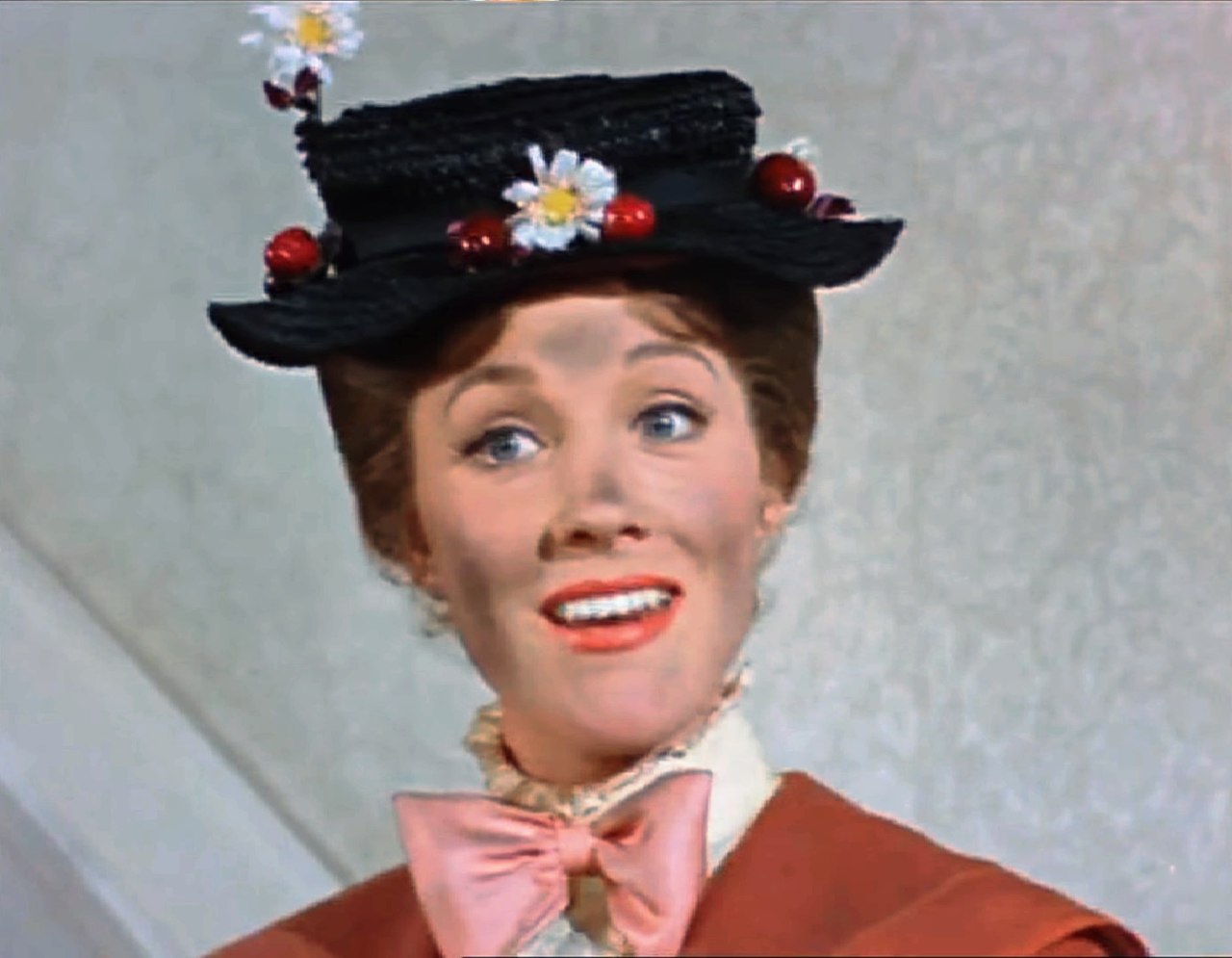
I grew up with these stars as role models in my life, so you know they are dear to me.  Watching  Julie Andrews and Dick Van Dyke singing and dancing in Mary Poppins is still a vivid memory for me.  I was ten years old.  Convincing myself I could direct (where did I get that, I wonder?) in my backyard,  my plan was to  have my father rent a helicopter to fly me in.  You understand this was 1966.  Ha!

And James Earl Jones?  Wow, what a presence!  I mean, to just use your voice to create a character for Darth Vader in Star Wars and Mufasa in The Lion King is a testament to his incredible talent.  By the same token, I remember laughing hysterically at Carol Burnett’s antics on her television show, The Carol Burnett show.  Nothing could be funnier than her dressed with a curtain rod as part of her Gone with the Wind costume.

Teaching Stage Legends: Burnett, Andrews, Jones, and Van Dyke


These four icons have captivated audiences for decades.  Their remarkable talents leave an indelible mark on stage, screen, and beyond. First, let’s take a closer look at the five reasons for students to study these iconic performing artists.

Teaching Stage Legends: Burnett, Andrews, Jones, and Van Dyke

Five Reasons to Study Iconic Performing Artists

1. Mastery of Technique: These performers demonstrate exceptional control over their voices and physicality. Additionally, by studying their techniques students learn to refine their vocal and acting skills, from projection to emotional expression.

2. Longevity in the Arts: These icons have had careers spanning decades, teaching students the importance of persistence, adaptability, and commitment to their craft. Consequently, their careers can inspire students to envision long-term success in the performing arts.

3. Versatility Across Genres: Whether in comedy, drama, musical theater, or film, these performers have excelled in a variety of genres. Furthermore, by observing their versatility students are encouraged to explore different styles of performance and expand their own artistic range.

4. Character Development: Each of these stars is known for portraying deeply memorable characters. By studying how they developed their roles, students can gain insight into creating authentic and compelling characters in their own performances.

5. Cultural and Historical Impact: These legends have shaped the entertainment industry and influenced global audiences. Analyzing their work gives students a deeper understanding of how the performing arts reflect and affect culture.  Thereby encouraging them to consider their own impact as artists.

Teaching Stage Legends: Burnett, Andrews, Jones, and Van Dyke

Dick Van Dyke: A Master of Comedy and Charm

With a career spanning over seven decades, Dick Van Dyke remains one of Hollywood’s most beloved performers. To begin with, his early days as a radio DJ and television host paved the way.  Not surprisingly, his breakout role in The Dick Van Dyke Show, a sitcom that became a staple of American television. Van Dyke’s effortless blend of physical comedy and heartwarming charm made him a household name.  However, it was his role as the lovable chimney sweep Bert in Mary Poppins that cemented his legacy as a film star.

Van Dyke’s career is defined by versatility.  One can’t forget his slapstick humor in Chitty Chitty Bang Bang, his dramatic turns on Diagnosis: Murder, or his smooth song-and-dance performances. Thankfully, his energy and enthusiasm continue to inspire generations of performers. In recent years, he has remained active, appearing in the 2018 sequel Mary Poppins Returns with the same sprightly charisma that audiences have come to love. Isn’t that wonderful?

Most importantly, let’s not forget his Tony award winning performing in Bye Bye Birdie! Check him out here. 

Why Students Should Study Dick Van Dyke:

Van Dyke exemplifies the art of physical comedy and timing, key skills for any actor to master. i find that his ability to blend humor with heartfelt emotion teaches students to be vulnerable. Lastly, Van Dyke’s longevity in the industry also serves as a model for persistence, adaptability, and passion in the arts. He is ninety-eight years young.

Teaching Stage Legends: Burnett, Andrews, Jones, and Van Dyke

Julie Andrews: The Queen of Grace and Song

Julie Andrews’ soaring voice and elegant demeanor have made her one of the most revered performers of all time. Known for her unforgettable roles in The Sound of Music and Mary Poppins, Andrews’ impact on both Broadway and Hollywood is nothing short of extraordinary. Her impeccable soprano voice and acting abilities catapulted her to stardom on stage, beginning with her acclaimed performance in My Fair Lady on Broadway. Check out her performance here.

Teaching Stage Legends: Burnett, Andrews, Jones, and Van Dyke

Teaching Stage Legends: Burnett, Andrews, Jones, and Van Dyke

Her transition to film came with equal success, winning the Academy Award for Best Actress for Mary Poppins in 1964. Andrews’ portrayal of Maria in The Sound of Music only fortified her standing as a true legend.  Despite a vocal injury that affected her ability to sing, she has continued to contribute to the arts.  Andrews has lent her voice to beloved characters in animated films.  Plus, she writes children’s books with her daughter.  Always seeking new challenges, she voices Lady Whistledown in the very popular Bridgerton television series.

Andrews is three-quarters of the way to EGOT status. She has won two Emmys, two Grammys (plus a lifetime achievement award) and an Oscar, but has yet to win a Tony, despite three nominations. Several years ago, she appeared to finally be headed for a Tony win in 1996 for her lead role in the Broadway adaptation of Victor/Victoria. However, she turned down the nomination because no one else from the cast was nominated.  What a classy lady!

What is an EGOT winner?  Check out: EGOT Award Winners: A Closer Look at Their Most Iconic Roles and Performances

Why Students Should Study Julie Andrews:
Julie Andrews’ extraordinary vocal technique and range make her a prime example for students studying musical theater and voice. Additionally, her seamless transition from stage to film provides a blueprint for how actors can adapt their talents across mediums. Andrews also models resilience, having faced and overcome significant challenges throughout her career, such as her vocal injury.


Teaching Stage Legends: Burnett, Andrews, Jones, and Van Dyke

James Earl Jones: A Voice Like No Other

James Earl Jones is known as much for his commanding presence as for his iconic voice, which is recognized instantly across the globe. From the moment he stepped onto the stage in the 1950s, Jones has been a powerhouse of the theater world, earning acclaim for his portrayal of Shakespearean roles and tackling complex, socially relevant themes. His work in Othello, King Lear, and Fences solidified his status as one of the most talented actors in theater history.

Of course, his distinctive voice became legendary in its own right.  Most beloved for his portrayal of Darth Vader in Star Wars and as Mufasa in The Lion King. His voice work combined with his stage presence has earned him multiple Tony Awards, including one for his role in The Great White Hope. Jones portrayed heavyweight boxer Jack Jefferson. Watch James Earl Jones here in Field of Dreams. I always thought he was the man’s voice on the Arby’s commercials, but I was incorrect.  Click here to see who is.

Why Students Should Study James Earl Jones:

James Earl Jones is the quintessential example of how voice and presence can elevate a performance. Students can learn from his mastery of classical texts.  Plus, his ability to command attention with every word spoken is exemplary. Jones’ journey, overcoming a childhood stutter to become one of the most recognized voices in the world, is an inspiring lesson in perseverance and the transformative power of the arts.

Carol Burnett: The Queen of Comedy

I couldn’t leave out Carol Burnett, one of my personal favorites! Burnett’s remarkable ability to command the stage with her wit and comedic timing continues today.  She has been thrice nominated for Tony and Grammy awards.

Why Should Students Study Carol Burnett?

1. Master of Improvisation: Burnett’s quick thinking and ability to improvise in live performances teach students how to adapt on stage, think creatively, and maintain energy even in unscripted moments.

2. Groundbreaking Female Comedian: As one of the first women to host her own variety show, Burnett broke barriers in comedy, inspiring students—especially young women—to challenge stereotypes and pursue careers in traditionally male-dominated fields. (Did you know her Broadway break was in Once Upon a Mattress?)

3. Versatility in Performance: From slapstick comedy to heartfelt drama, Burnett’s range of characters highlights the importance of versatility in the performing arts. Students can learn to stretch their own abilities and explore different types of roles. (Watch her in Once Upon a Mattress here.

4. Collaboration and Ensemble Work: Burnett’s success on *The Carol Burnett Show* came from her ability to collaborate effectively with a talented ensemble cast. Studying her work emphasizes the value of teamwork in creating memorable performances.

5. Connection with Audiences: Burnett had an exceptional ability to engage with audiences, whether through humor, empathy, or breaking the fourth wall. Students can learn from her how to connect with their audience on a deeper level, making their performances more impactful.

A Legacy of Excellence

Dick Van Dyke, Julie Andrews, and James Earl Jones are living embodiments of the timeless magic that the performing arts can bring. Each has made distinct and significant contributions to the entertainment industry. They talent continues to shape the way we experience comedy, music, drama, and storytelling.

Their combined influence on both stage and screen will never be forgotten.  As you might expect, they’ve set the standard for excellence in performance. From the whimsical worlds of Mary Poppins to the inspiring drama of Fences, and the unforgettable voice of Darth Vader, these four legends continue to captivate audiences and serve as enduring symbols of what it means to be truly great at one’s craft.

Why Students Should Study These Icons?

I hope that I’ve made it convincing for you to teach about these amazing artists.  By studying these four legends  students can explore a diverse range of performance techniques. By examining their careers, students can gain a deeper appreciation for the craft of acting and the impact that a single performer can have on audiences worldwide.

If you are looking for biographies of these artists (all but Burnett) go here.

I’d love to hear about your favorite iconic performers.  Email me at DhcBaldwin@gmail.com and we’ll chat!

Share this:

  • Click to share on Tumblr (Opens in new window) Tumblr
  • More
  • Click to share on X (Opens in new window) X
  • Click to share on Facebook (Opens in new window) Facebook
  • Click to share on Pinterest (Opens in new window) Pinterest
  • Click to share on LinkedIn (Opens in new window) LinkedIn
  • Click to email a link to a friend (Opens in new window) Email
  • Click to share on Reddit (Opens in new window) Reddit
  • Click to share on Pocket (Opens in new window) Pocket
  • Click to share on Telegram (Opens in new window) Telegram
  • Click to share on WhatsApp (Opens in new window) WhatsApp

Like this:

Like Loading...

Filed Under: acting, Arts, arts education, Broadway, drama education, Musical Theatre, performing arts, Teacherspayteachers, theater, theatre, Tony Awards

License Training Musicals: Why You Need to Know Them Now

July 24, 2024 By dhcbaldwin 1 Comment

License Training Musicals: Why You Need to Know Them Now

License Training Musicals: Why You Need to Know Them Now

As a respectful product adopter, I try new products early but carefully. I’m thrilled to share License Training Musicals: Why You Need to Know Them Now. You are going to want to know more about them, too!

I keep up an active Instagram account through my Dramamommaspeaks page.  Primarily, teachers follow me there but from time to time other groups join–play publishers, authors and youth theater companies.  Recently, a new company joined me.  Being the dutiful marketing person that I aspire to be, I checked them out.  Simply put, once you learn about this company it is going to rock your world!

License Training Musicals: Why You Need to Know Them Now

License Training Musicals: Why You Need to Know Them Now

License Training Musicals creates specially crafted scripts and resources designed to change the way actors are trained. They provide true equity in learning with equal lines of dialogue, singing solos, and dance opportunities.  In addition, these training musicals are a truly unique and fun way to approach musical theater training for school drama teachers, community theaters, students and adults alike!

Are you understanding this yet?  Here’s a scenario for you:  You are a harried high school theater teacher.  Additionally, you are half way through the school year and it is time to study musical theater.  You all ready know that your students are wild  about musical theater–they sing songs and quote lines from musicals every single day.  Having their engagement to the subject isn’t the problem.   The problem is everyone wants to be the lead!  That’s a wonderful problem to have, but how do you accomplish this?

Of course, you can double cast the show.  That’s one of my most favorite ways to give more students stage time. You can learn more about my double casting adventures at: Double Casting a Show? Here’s Advice. What do you do about the rest?  More importantly, how do you encourage a student who may have the ability but needs to build their confidence so they feel comfortable singing louder or carrying a show?  After searching exhaustively on the web, you discover a new company,  License Training Musicals or LTM.com.  You are ecstatic!   Finally, someone that has solved this problem.

License Training Musicals: Why You Need to Know Them Now

What Makes LTM special?

First, I appreciate their mission statement: “To revolutionize the way musical theater is taught, by eliminating inequity and empowering all students to train as leads on and off the stage!”  Inequity is a big challenge theater teachers address every time they cast a show.  Plus, inequity can ruin the cast’s  chemistry.

Secondly, License Training Musicals creates one act musicals for casts of 1 to 8.  Here’s the kicker–everyone has the same amount of lines and songs. What?! Yes, you read that correctly.

Thirdly, the music is just great!  It isn’t preachy or juvenile as I find so many other places.

Their show kits contain: 

  • Triple Threat Training Script .PDF
  • Lead Sheet Music .PDF
  • Demo Vocal Track .Wav
  • Piano Melody With Click Track For Rehearsal .Wav
  • Piano Melody With Instrumental For Rehearsal .Wav
  • Instrumental Performance Track .Wav

Fourth, and this is almost too good to be true–they really want to HELP your students.

  • Flexible for any cast type
  • Affordable for any budget
  • Includes ALL resources for rehearsals AND performances
  • Royalty Free FOREVER

If you’d like to learn more about License Training Musicals, watch this youtube video

License Training Musicals: Why You Need to Know Them Now

Let’s Meet the Owners

Pamela Atkinson is the executive director and founder of the company. Among other things, Pam has a Masters in Educ. , Bachelors in Education and a B.S in Business. In addition,  she is certified to teach theater.   Pam has been on stage as a dancer, actress in print and television, and professional singer in Hawaii, California, Washington State, New York, and in Utah. Along with that, ask her to show you, “Body Language” music video (sort of a joke).

Pamela’s Creativity

She directed choirs, and orchestras, owned a big city dance studio, as well as produced shows and musicals.  Pam created a public school dance program called A Step Ahead,  and directed collegiate and community dance companies. Also, she  danced/choreographed for the  NBA Sacramento Kings Fastbreak Dance team.  Currently, she is the tech theater teacher in the Nebo School district.

Through her 45 + years in the industry, License Training Musicals is the culmination of her effort to fulfill that mission. You can learn more about her here: LicenseTrainingMusicals

Katie D Higley

Katie Higley is the artistic director, music composer and curriculum creator of the company.  At six months old Katie’s mom discovered her humming Silent Night. By age three, she belted out gibberish at the top of her lungs while holding aloft a Readers Digest magazine on the pot!

Since then, she has blossomed into an accomplished “triple threat” performer having been in 22 musicals before graduating high school. Interestingly, she’s a multi-instrumentalist who made it to Hollywood Week as an American Idol contestant not once, but twice!

Katie’s Accomplishments

Katie loves teaching the gifts of music to hundreds of students for the last 16 years as a professional artist development coach. She’s a motivational TEDx speaker, custom songwriter, author of the well loved “Uke Hymnbook”, a screen composer at Primer Chord Production Music in Australia and a self published producer with her music placed worldwide!

As you might expect, Katie has a Bachelor’s Degree in Commercial Music from BYU, she’s certified in Music Technology from RCC with an Honorary Chaplain of Spiritual Music Credential from the WSHO. She serves as the Head Chair of Spanish Fork’s Got Talent Show at Spanish Fork City’s Fiesta Days.

License Training Musicals: Why You Need to Know Them Now

Jessica NS Blackhurst

Jessica NS Blackhurst’s self-proclaimed super power is her ability to find and create stories that remind our souls who we really are and the truth of what this life is all about.

As a youth Jessica coped with loss, financial hardship, and constantly moving for her father’s work by making the theater her home and diving deep into the sacred and uplifting power of storytelling. These passions set her on a course of leadership through storytelling.

Jessica’s Education

Jessica pursued education in every medium through which it is possible to enlighten and uplift with story. For example, she studied English literature, written novels.  She trained in stage acting and public speaking, competed in playwriting competitions.  Plus, Jessica studied the art of screenwriting and directing (receiving a bachelor’s in media arts from BYU).  Jessica has an experienced and proficient hand in songwriting with an emphasis on lyricism.  On a daily basis, she applies herself to mastering the particular crafts of a musical theater librettist and lyricist.

Jessica met Katie Higley at BYU in 2010.  They have a long history of writing amazing songs and inspiring musicals together many of which they now bring to you here!

Join their Beta Program Now

Are you excited about the possibilities here?  Here is where it gets really exciting–LTM is looking for partners who will take time to simply fill out a survey about the shows they finished. They would love feedback on the shows you think may need improvement. Hearing about your experiences helps us create the best possible musical theater resources for your classroom.

Furthermore, they  also hope you’ll let us know if there is anything else we can include to make these tools more useful for you and your students!

For more information about the Beta program go to: LTM Beta Program

As an early adopter, I can say without a doubt–you NEED to check out this company now.  You won’t regret it. Just think how much better your year will go knowing there is a company creating musical theater resources to better things for your students and you.

Are you all ready familiar with LTM?  I’d love to hear your thoughts about them.  Feel free to email me at DhcBaldwin@gmail.com

Looking for a unique tool to boost student engagement?  Check out my new book, now available as a PDF: We’re Live! Radio Theater #101

Woman behind DramaMommaSpeaks


Share this:

  • Click to share on Tumblr (Opens in new window) Tumblr
  • More
  • Click to share on X (Opens in new window) X
  • Click to share on Facebook (Opens in new window) Facebook
  • Click to share on Pinterest (Opens in new window) Pinterest
  • Click to share on LinkedIn (Opens in new window) LinkedIn
  • Click to email a link to a friend (Opens in new window) Email
  • Click to share on Reddit (Opens in new window) Reddit
  • Click to share on Pocket (Opens in new window) Pocket
  • Click to share on Telegram (Opens in new window) Telegram
  • Click to share on WhatsApp (Opens in new window) WhatsApp

Like this:

Like Loading...

Filed Under: Arts, arts education, community theater, community theatre, drama education, drama integration, Education, excellence in teaching, gifted and talented, music education, Musical Theatre, Producing plays and musicals, teaching strategies, theater, theatre Tagged With: effective teaching methods, high school musical theater, high school theater, high school vocal music, license training musicals, musical theater, teaching method, teaching tool

Jimmy Awards: Honoring High School Musical Theatre Talent

June 26, 2024 By dhcbaldwin Leave a Comment

Jimmy Awards: Honoring High School Musical Theatre Talent

When I was a high school student I discovered my love for musical theater.   Several years later and a whole lot of training, I gained the confidence to audition for the musicals. While in college, I worked my way to portraying lead roles in college. However, there was no such thing as the Jimmy Awards.  I would have jumped at the chance to audition for this amazing award!  Today, my blog post is, Jimmy Awards: Celebrating High School Musical Theatre Talent.

If you’re a fan of musical theatre, you might already know about the Tony Awards. However, like me you may have never heard of the Jimmy Awards. It is officially known as the National High School Musical Theatre Awards (NHSMTA).  The Jimmy Awards shine a spotlight on the best and brightest high school musical theatre talent in the United States.

Named in honor of Broadway impresario James M. Nederlander, this annual event is a testament to the dedication, passion, and talent of young performers across the country. Check out this blog post if you are interested in the history of musical theater: Showtime Chronicles: History of Musical Theater Unveiled.

Jimmy Awards: Honoring High School Musical Theatre Talent

Honoring High School Musical Theatre Talent

Although I’d heard of Mr. Nederlander, I didn’t actually know why he was important., often referred to as Jimmy Nederlander, was a prominent American theatre owner and producer. Born on March 31, 1922, and passing away on July 25, 2016, Nederlander was a key figure in the Broadway community. Serving as the head of the Nederlander Organization, he was one of the most influential theatre operators and producers in the world. He is credited with overseeing a vast network of theatres, including nine Broadway venues. Wow!

Under his leadership, the Nederlander Organization produced numerous successful Broadway shows, including hits like Rent, Wicked, and The Lion King. His contributions to the theatre industry were immense, and he played a significant role in shaping modern Broadway.

Jimmy Awards: Honoring High School Musical Theatre Talent

The History of the Jimmy Awards

The Jimmy Awards were established in 2009 to recognize and celebrate outstanding achievement in high school musical theatre. Students from regional theatre awards programs participate in a week-long intensive in New York City, where they receive training from industry professionals and compete for scholarships and awards. The experience culminates in a dazzling showcase at a Broadway theatre, where the top performers are selected as finalists and given the chance to perform solos and group numbers. Two main awards are given each year, Best Performance by an Actress and Best Performance by an Actor.

Jimmy Awards: Honoring High School Musical Theatre Talent

The Journey to the Jimmy Awards

To make it to the Jimmy Awards, students must first excel in their local or regional theatre competitions. These regional awards programs, known as “Theatre Awards,” exist in various cities and states across the country. Winners of these regional programs then advance to the national level—the Jimmy Awards. The program impacts over 140,000 students annually who participate in high school musical theatre competitions sponsored by over forty professional theatres throughout the US. Amazing! 

The Jimmy Award nominees travel to New York City for a week in June.  I’m certain that  the opportunity to travel to NYC is exciting enough for the young people.  The week culminates with a live show in which the winners are determined. During the week, the nominees rehearse their performances for the award show and receive coaching from industry professionals.

The Jimmy Awards Show

The show begins with an opening number (typically a “mega-mix of contemporary Broadway hits”) involving all nominees, followed by a series of “showcase medleys”, in which several nominees appear in costume in the role they performed in their high school’s musical, each in turn singing a short solo, while the remaining performers act as backup singers and dancers. These medleys have gained a cult following, with fans appreciating the crossover between disparate popular musicals.Since 2016, due to an increasing number of nominees and time limitations, only a portion of nominees have participated in showcase medleys, with the remainder instead performing in a group number. 

Judging at the Jimmy Awards

During an intermission, a panel of experts selects about eight finalists. During the show’s second half, the finalists each perform a solo, and the winners are announced. All finalists also receive a $3,000 scholarship toward their future education. In addition to the main awards of Best Performance by an Actress and Best Performance by an Actor, other awards are given out with smaller prizes. In 2023, awards were given for Best Dancer, Rising Star, Best Performance in an Ensemble, and Spirit of the Jimmys.  Additionally, each  of these aforementioned awards include a $2,000 scholarship. 

The week-long program  is rigorous and transformative. Participants attend masterclasses, workshops, and rehearsals led by Broadway professionals. Also, they have the opportunity to meet and learn from peers who share their passion for theatre. As you would expect, they become part of a  a supportive and inspiring community. If you’d like to teach your students about the Tony awards, check out: Drama Class Tony Awards Study and Game 

Eva Noblezda
Eva Noblezda, winner of Jimmy Awards, 2019

The Impact of the Jimmys

The Jimmy Awards make a profound impact on the lives of young performers. Many past participants go on to successful careers in theatre, film, and television. Notable alumni include Eva Noblezada, who starred in Miss Saigon and Hadestown on Broadway, and Andrew Barth Feldman, playing the title role in Dear Evan Hansen.

The exposure and training provided by the Jimmys can open doors to prestigious performing arts colleges and professional opportunities. In addition to the invaluable experience, students also compete for significant scholarships, helping to ease the financial burden of pursuing a career in the arts. If you are looking for an excellent theatre program in a small college, check out my Alma Mater, Stephens College.  

Why the Jimmys Matter

Perhaps this is the best reason for the Jimmy Awards.  They not only recognize and reward talent but also highlight the importance of arts education in schools. With school systems making cuts to the arts almost on a daily basis, this award is hugely important.  Musical theatre programs provide students with a creative outlet.  Additionally, they  teach valuable life skills, and foster a sense of community. The Jimmy awards celebrate the hard work of students, teachers, and schools, encouraging the continued support and development of arts programs nationwide.

Dramamommaspeaks

How to Support the Jimmy Awards

There are several ways to support the Jimmy Awards and the young performers they celebrate. As simple as it sounds, please attend local high school musical productions.  Or you can donate to arts education programs. Or help spread the word about the importance of the arts in schools. Additionally, watching the Jimmy Awards ceremony you can help raise awareness and appreciation for these talented young artists. There are plenty of theater teachers desperate for funds.  

In conclusion, as you can see here, the Jimmy Awards are more than just a competition. They are a celebration of the future of musical theatre. The Jimmy awards play a crucial role in ensuring that the magic of Broadway continues to thrive for generations to come.

This year’s Master of Ceremonies for the evening was Josh Groban, star of the recent revival of Sweeney Todd: the Demon Barber of Fleet Street. Talk about a talent!  If you are interested in teaching your students about Josh Groban, pick up this Dramamommaspeaks resource: Josh Groban Biography Lesson and One Pager Assignment.

Are you and your students familiar with The Jimmy Awards?  I’d love to hear about it. Email me at DhcBaldwin@gmail.com


Share this:

  • Click to share on Tumblr (Opens in new window) Tumblr
  • More
  • Click to share on X (Opens in new window) X
  • Click to share on Facebook (Opens in new window) Facebook
  • Click to share on Pinterest (Opens in new window) Pinterest
  • Click to share on LinkedIn (Opens in new window) LinkedIn
  • Click to email a link to a friend (Opens in new window) Email
  • Click to share on Reddit (Opens in new window) Reddit
  • Click to share on Pocket (Opens in new window) Pocket
  • Click to share on Telegram (Opens in new window) Telegram
  • Click to share on WhatsApp (Opens in new window) WhatsApp

Like this:

Like Loading...

Filed Under: acting, Arts, arts education, Broadway, drama education, Education, Education, High School, music education, Musical Theatre, performing arts, Teacherspayteachers, Tony Awards, youth theatre Tagged With: Broadway, Eva Noblezda, James M. Nederlander, Jimmy Awards, Josh Groban

Next Page »

Footer

Follow Us

logo3.png

FOLLOW US

Facebook X-twitter Pinterest Instagram Envelope Rss

Goodreads: read

Malibu Rising
Malibu Rising
by Taylor Jenkins Reid
People We Meet on Vacation
by Emily Henry
The Last Thing He Told Me
by Laura Dave
Faking It
Faking It
by Cora Carmack
Losing It
Losing It
by Cora Carmack

goodreads.com
Copyright © 2024 · Wellness Pro on Genesis Framework · WordPress.com.Log in
 

Loading Comments...
 

    %d