• Skip to primary navigation
  • Skip to main content
  • Skip to footer

Join Me in my new Facebook Group! https://www.facebook.com/groups/417126059784261

Menu
  • Meet Deb – The Heart Behind DramaMommaSpeaks
    • Work with Me! 
    • Photo Gallery of DramaMommaSpeaks
    • Directorial Credits
  • I Give Book Talks! 
    • Book Talk Through Skype
    • Books
  • Freebies!
  • Bumbling Bea
  • Teaching Resume
  • Acting Resume
  • Contact Me
  • Blog
    • Drama Education
    • Arts Education
    • Youth Theatre
    • Middle Grades
    • Musical Theatre
    • Teaching
  • Meet Deb – The Heart Behind DramaMommaSpeaks
    • Work with Me! 
    • Photo Gallery of DramaMommaSpeaks
    • Directorial Credits
  • I Give Book Talks! 
    • Book Talk Through Skype
    • Books
  • Freebies!
  • Bumbling Bea
  • Teaching Resume
  • Acting Resume
  • Contact Me
  • Blog
    • Drama Education
    • Arts Education
    • Youth Theatre
    • Middle Grades
    • Musical Theatre
    • Teaching

Tony Awards

Boost Drama Class with These 5 Teacher Favorites

June 9, 2025 By dhcbaldwin Leave a Comment

A wooden figure leaning up against a stack of books

Boost Drama Class with These 5 Teacher Favorites

To begin with, as theater teachers, we often face a familiar set of challenges: limited prep time and diverse student needs. Plus, these are coupled  with th desire to build a strong classroom community while still hitting learning goals. How can we do that? What resources will it require?  Let’s discuss how to boost drama class with these five teacher favorites!  Whether you’re just starting out or looking to refresh your curriculum, the right resource can make all the difference.

Over time, I’ve created and refined dozens of drama education materials that aim to solve these challenges. These aren’t just popular—they’ve been tested by real teachers and praised for how well they support classroom success. (Proof of Concept?  To date, over 23,000 teachers have purchased from my Dramamommaspeaks store.)

Boost Drama Class with These 5 Teacher Favorites

Boost Drama Class with These 5 Teacher Favorites

1. Drama Ice Breakers and Ensemble Builders

Why it helps:
A strong ensemble is the heartbeat of any theater classroom. These ice breakers and team-building games are more than just “fun activities”.  They teach students how to collaborate, listen actively, and take creative risks in a low-pressure environment. I’ve used these same  for questions for years to help my students become confident and connected performers.

What’s included:

  • Engaging warm-ups for all experience levels
  • Games that promote trust and communication
  • Easy-to-follow instructions for quick implementation

As a result, this is a teacher favorite because:
They save you time and get your students up and moving—essential in the first few weeks of school.

One reviewer wrote, “These helped my students open up immediately and created a supportive classroom culture.”

Boost Drama Class with These 5 Teacher Favorites

Boost Drama Class with These 5 Teacher Favorites

Daily Drama That Delivers: Engage Every Student, Every Day

2. Morning Meeting Bell Ringers: Tony Award-Winning Plays

Why it helps:
These 24 bell ringers bring Broadway into your classroom through bite-sized lessons that celebrate Tony award-winning plays. Each includes a brief synopsis, the awards it won, and a thoughtful question to encourage discussion or journal writing. In addition, they’re great for daily warm-ups or as part of a broader curriculum on theater history.

What’s included:

  • 24 ready-to-use slides
  • Tony-winning play summaries and awards
  • Video clip links for reference
  • Critical thinking questions to prompt student reflection

Teacher favorite because:
They introduce important theatrical works without adding to your prep load. Consequently, students get exposed to a wide range of plays, and teachers love the simplicity and depth. “These were a great way to start my class and got my students talking about theater right away,” one educator said.

Boost Drama Class with These 5 Teacher Favorites

3. Radio Theater Unit

Why it helps:
This unit taps into the often-overlooked world of radio drama.  It is ideal for classrooms with limited space or performance anxiety. Students learn about sound effects, vocal inflection, and character development. Lastly, they create and perform their own radio commercials. Pick up one of my radio play scripts and you’ve got three weeks of learning!

What’s included:

  • A full unit guide with daily procedures for 12 days
  • Warm-ups and vocal exercises
  • Radio play scripts and sound design activities

Altogether, this is a teacher favorite because:
It combines performance, technical design, and storytelling into one seamless unit. One teacher shared, “My class LOVED this! It allowed even shy students to shine and brought a new energy to our drama time.”

Boost Drama Class with These 5 Teacher Favorites

Connect with Culture and Creativity

4. The Story of Lin-Manuel Miranda: Read-Aloud Biography Unit

Why it helps:
Students are always more engaged when they can relate to the subject. This biography of Lin-Manuel Miranda—complete with prompts and journaling ideas—makes for a great literacy integration!  Plus, it’a super jumping-off point for conversations about creativity, diversity, and perseverance. 

What’s included:

  • A read-aloud biography concerning his life, education, journey to Broadway and accolades he’s won
  • Student discussion questions
  • Journal writing prompts for reflection and connection

Teacher favorite because:
It inspires students with a story they care about while encouraging thoughtful writing. Additionally, teachers often use this during Hispanic Heritage Month, literacy blocks, or between units. One teacher remarked, “My students really enjoyed this lesson. The resources were great and they loved putting together the rap!”

Check out this blog post for other famous Broadway actor biographies: Teaching Stage Legends: Burnett, Andrews, Jones, and Van Dyke

Boost Drama Class with These 5 Teacher Favorites

5. Costume Design for Beginners

Why it helps: Costume design is a fantastic entry point into technical theater.  Furthermore, it helps students think critically about character, mood, and time period. This beginner-friendly unit introduces students to the basics of costume design through research, drawing, and hands-on activities.

What’s included:

  • Introduction to costume design principles
  • Guided drawing and analysis assignments
  • Creative prompts for designing original character costumes

Teacher favorite because: It taps into visual learning and creativity while supporting script analysis and design thinking. One teacher noted, “This was a perfect way to engage students who love art and fashion while still connecting back to theater concepts.”

Pick up a FREE holiday parade costume design lesson here:

In Conclusion

Lastly,  you’re looking for materials that are trusted, easy to implement, and designed with teachers in mind, give these a try. Check out this post for additional resources which can help you:  5 Easy Drama Games for Emergency Sub Plans

Have a favorite you’d like me to feature next? Drop me a message—I love hearing how these resources work in your classroom. Also, I’m so pleased to announce that my blog is one of the top 5 for drama teachers in the world. 

Learn more here:

This may contain: the top drama teacher blog badge with gold stars on it and text reading top drama teacher blog

Deborah Baldwin of Dramamommaspeaks
When I portrayed MIss Prism in The Importance of Being Earnest

Deb

Share this:

  • Click to share on Tumblr (Opens in new window) Tumblr
  • More
  • Click to share on X (Opens in new window) X
  • Click to share on Facebook (Opens in new window) Facebook
  • Click to share on Pinterest (Opens in new window) Pinterest
  • Click to share on LinkedIn (Opens in new window) LinkedIn
  • Click to email a link to a friend (Opens in new window) Email
  • Click to share on Reddit (Opens in new window) Reddit
  • Click to share on Pocket (Opens in new window) Pocket
  • Click to share on Telegram (Opens in new window) Telegram
  • Click to share on WhatsApp (Opens in new window) WhatsApp

Like this:

Like Loading...

Filed Under: acting, arts education, arts integration, drama education, drama integration, Education, Education, English Language Learners, excellence in teaching, Free Products, gifted and talented, High School, middle grades, Radio Theatre, Teacherspayteachers, Teaching, teaching strategies, theater, theatre, Tony Awards, youth theatre Tagged With: ice reaker exercises, Lin Manuel Miranda, morning meeting Tony awards, radio theater, teaching tools introduction to costume design

Women Who Shaped Theater: Sarah Bernhardt to Audra McDonald

March 15, 2025 By dhcbaldwin Leave a Comment

Pink roses in the background with photos of actresses Sarah Bernhardt and Audra McDonald

Women Who Shaped Theater: Sarah Bernhardt to Audra McDonald

Theater has long been a space for storytelling, creativity, and performance. Yet, for much of history, women struggled to claim their rightful place on stage and behind the scenes. Despite these challenges, countless women have shaped the theatrical world, pushing boundaries and redefining the art form. In this post, we’ll explore the women who shaped theater: Sarah Bernhardt to Audra McDonald.

As a woman myself, I am always aware of women’s contribution to theater. In particular, I want to focus not only Sara and Audra, but also Lorraine Hansberry, Ethel Merman, Julie Taymor, Rita Moreno and Sarah Bareilles. Each of these trailblazers changed the industry in profound ways, leaving a lasting impact on performers, playwrights, and audiences alike. If you’d like to learn about other theater artists, check out: Teaching Stage Legends: Burnett, Andrews, Jones, and Van Dyke 

File:Sarah Bernhardt by Sarony cph.3a38656.jpg

Women Who Shaped Theater: Sarah Bernhardt to Audra McDonald

Sarah Bernhardt

My mother used to call me “Sarah Bernhardt” and at the rip age of twelve I didn’t know who she was.  I think in my mother’s own way, she was trying to tease me.  But now that I know about Ms. Bernhardt, I’m flattered! Before Broadway, before Hollywood, there was Sarah Bernhardt (1844–1923). A French actress renowned for her dramatic flair and commanding stage presence, Bernhardt became one of the world’s first global celebrities.

  • She was known as “The Divine Sarah” and performed in roles traditionally played by men, including Hamlet.
  • Bernhardt toured internationally, bringing high art to audiences around the world.
  • She defied expectations by continuing to perform even after losing her leg in her later years.
  •  Bernhardt originally planned to become a nun but instead enrolled in the Paris Conservatory when she was 16. However with the support and encouragement of her mother’s wealthy lover, her prolific theatrical career was ignited

Bernhardt’s daring choices and larger-than-life persona set the stage for future actors to embrace their individuality and take risks in their careers.

File:Ethel merman 1967.JPG

Ethel Merman: The Queen of Broadway

If you think of Broadway belters, one name comes to mind first: Ethel Merman (1908–1984). Known for her powerful voice and impeccable comedic timing, Merman became one of the most influential musical theater performers of all time.

  • She originated some of Broadway’s most famous roles, including Annie Oakley in Annie Get Your Gun and Reno Sweeney in Anything Goes.
  • Her strong, brassy voice set the standard for musical theater vocalists.
  • She worked with legendary composers like Cole Porter, George Gershwin, and Irving Berlin—many of whom wrote songs specifically for her.
  • She was a favorite of Cole Porter, who wrote Anything Goes and DuBarry Was a Lady specifically for her.

Merman proved that musical theater could be just as electrifying as a dramatic play, paving the way for powerhouse performers like Patti LuPone and Idina Menzel.

Lorraine Hansberry: A Playwright Who Changed History

While many women made their mark on stage, Lorraine Hansberry (1930–1965) changed theater history with her words. Her groundbreaking play A Raisin in the Sun (1959) was the first play written by a Black woman to be performed on Broadway. When teachers ask of a recommendation for someone to teach about during Black History month, I always suggest Lorraine Hansberry.

  • A Raisin in the Sun tackled themes of racial injustice, family struggles, and the pursuit of dreams, resonating with audiences of all backgrounds.
  • Hansberry was the first Black woman to win the New York Drama Critics’ Circle Award.
  • She used her platform to advocate for civil rights, influencing both the arts and activism.
  • Her close friend Nina Simone wrote the song “To Be Young, Gifted and Black” in Hansberry’s honor after her passing.

Hansberry’s work opened doors for future generations of playwrights, including Lynn Nottage, Suzan-Lori Parks, and Dominique Morisseau, whose works continue to challenge and inspire audiences today. Pick up a FREE biography lesson about Cynthia Erivo!

File:Julie Taymor 2 Shankbone 2009 Metropolitan Opera.jpg

Julie Taymor: A Visionary Director

Women have historically been underrepresented in directing and design, but Julie Taymor (b. 1952) shattered expectations with her revolutionary approach to theater.

  • She became the first woman to win a Tony Award for Best Direction of a Musical with The Lion King (1997).
  • She designed over 230 puppets for The Lion King, blending African and Asian theatrical traditions.
  • Taymor has directed not only on Broadway but also in opera and film, proving that theatrical storytelling transcends mediums.
  • In 1991, she received the MacArthur Fellowship, recognizing her innovative approach to theater.

In addition, her work paved the way for other female directors like Diane Paulus, Rachel Chavkin, and Liesl Tommy, showing that women can lead bold, visually stunning productions.

File:Audra McDonald (1).jpg

Audra McDonald: A Record-Breaking Star

No list of influential women in theater is complete without Audra McDonald (b. 1970). She is known for her astonishing vocal range and acting talent.  And get this:  McDonald has won more Tony Awards than any other performer—six and counting!

  • She is the only performer to win a Tony in all four acting categories (Best Actress and Featured Actress in both plays and musicals).
  • Her roles range from classic musicals (Carousel, Ragtime) to powerful dramas (Master Class, Lady Day at Emerson’s Bar & Grill).
  • First Black Woman to Play Mother Abbess in The Sound of Music Live! (2013) and Bess in Porgy and Bess on Broadway.
  • She has used her platform to advocate for diversity and inclusion in theater, supporting young artists and underserved communities.

McDonald continues to redefine what it means to be a Broadway star, inspiring new generations of performers to pursue excellence on their own terms.

File:Rita Moreno (78th Peabody Awards) 2 (cropped).jpg

Rita Moreno: A Trailblazing Triple Threat

It’s important to mention that women from many backgrounds and cultures blazed the trail for females. Few performers can match the versatility and longevity of Rita Moreno (b. 1931). One of the few EGOT (Emmy, Grammy, Oscar, and Tony) winners, Moreno has influenced generations of actors in both film and theater.

  • She made history as Anita in the 1961 film version of West Side Story, winning the Academy Award for Best Supporting Actress—the first Latina to do so.
  • On stage, she starred in Broadway productions such as The Ritz (for which she won a Tony) and The Odd Couple.
  • She appeared in both the 1961 and 2021 versions of West Side Story—winning an Oscar for playing Anita in the original and portraying Valentina in the remake.
  • Moreno has long been an advocate for Latinx representation in entertainment, paving the way for performers like Lin-Manuel Miranda and Daphne Rubin-Vega.

At 90+ years old, Moreno continues to perform, proving that great artistry knows no age.

File:Joni Mitchell 1143 05 (cropped).jpg

Sara Bareilles: A Modern Broadway Powerhouse

One of my personal favorite creators if Sarah Bareilles.  While many know Sara Bareilles (b. 1979) for her pop hits like Love Song and Brave, she has become a major force in modern musical theater.

  • She composed and wrote the lyrics for Waitress (2016), becoming one of the few female composers to write a full Broadway score.
  • She later stepped into the lead role of Jenna, proving her talent as a performer as well.
  • Her song “King of Anything” was a response to people constantly giving her unsolicited advice—especially about her music career.
  • Bareilles has continued her Broadway career with projects like Into the Woods and Girls5eva, inspiring more women to pursue composing and writing in theater.

Bareilles represents the future of musical theater, where women are not just stars but also creators shaping the stories we see on stage.

Preview of Drama Musical Theater Empowering Women Study Guides History Tony Awards 1

If you want to celebrate National Women’s Month in March, check out this bundle.  It’s full of information about four musicals which had women at the forefront and helm.

How have you celebrated National Women’s Month in your classroom?  Please share. You can email me at DhcBaldwin@gmail.com

Woman behind DramaMommaSpeaks

Share this:

  • Click to share on Tumblr (Opens in new window) Tumblr
  • More
  • Click to share on X (Opens in new window) X
  • Click to share on Facebook (Opens in new window) Facebook
  • Click to share on Pinterest (Opens in new window) Pinterest
  • Click to share on LinkedIn (Opens in new window) LinkedIn
  • Click to email a link to a friend (Opens in new window) Email
  • Click to share on Reddit (Opens in new window) Reddit
  • Click to share on Pocket (Opens in new window) Pocket
  • Click to share on Telegram (Opens in new window) Telegram
  • Click to share on WhatsApp (Opens in new window) WhatsApp

Like this:

Like Loading...

Filed Under: acting, arts education, Broadway, community theater, community theatre, drama education, drama integration, Education, Education, High School, middle grades, music education, Musical Theatre, performing arts, Professional Theatre, Teacherspayteachers, theater, theatre, Tony Awards, youth theatre Tagged With: Ethel Merman, Julie Taymore, Lorraine Hansberry, Rita Moreno, Sarah Bareilles, Sarah Bernhardt

Epic Theater Evolution: A Journey Through Time

December 11, 2024 By dhcbaldwin Leave a Comment

Let’s talk about epic theater evolution: a journey through time, shall we?  I’ll admit it.  I wasn’t much for history when I was a young student.  However, as I’ve aged, I’ve become more interested in it.  I guess that is what age does to you?

Epic Theater Evolution: A Journey Through Time

Theater has been an integral part of human culture for thousands of years.  It evolved through various forms and styles to become the dynamic and diverse art form we enjoy today. Let’s journey through the fascinating history of theater, from its origins in ancient Greece to the innovative virtual productions of the modern era.

Epic Theater Evolution: A Journey Through Time

Ancient Greek Theater

Last summer we had the amazing opportunity to tour Greece!  Before traveling there, I hadn’t researched the tour because I like to learn about the sites more spontaneously. We purposely chose this trip so that we could see all of the ruins of Greek theaters. Wow, did we see a lot.

The origins of Western theater trace back to ancient Greece, around the 5th century BCE. This era gave birth to the seminal genres of tragedy and comedy. Greek tragedies, often based on mythological themes, explored human emotions.  Playwrights like Aeschylus, Sophocles, and Euripides are still revered for their contributions, with works like “Oedipus Rex” and “Medea” continuing to be studied and performed. If you’ve never read a Greek play, I’d encourage you to do so.  They are amazing and as timely now as then.

Greek comedies, penned by playwrights such as Aristophanes, offered satirical takes on contemporary society and politics. The amphitheaters of ancient Greece, with their impressive acoustics and grand stages, became the blueprint for future theater architecture.

Epic Theater Evolution: A Journey Through Time

The Renaissance and Shakespearean Era

Several years ago, we traveled to England and saw the birthplace of William Shakespeare. Wow!   The Renaissance period was a period of revival and innovation in the arts, and theater was no exception. This era saw the emergence of new theatrical forms and the construction of iconic venues like The Globe Theatre in London. ‘

William Shakespeare, perhaps the most celebrated playwright of all time, emerged during this period. His plays, ranging from the tragic “Hamlet” to the comedic “A Midsummer Night’s Dream,” have left an indelible mark on literature and theater. If you’d like to learn more about Shakespeare, check out: What is Shakespeare in the Park and Why Should I Like It?

Shakespeare’s works explored the complexity of the human condition.  In addition, his mastery of language and characterization has influenced countless playwrights and actors. The Renaissance also saw the development of opera and ballet, further enriching the theatrical landscape.

Epic Theater Evolution: A Journey Through Time

The 19th and 20th Centuries

In the 19th century theater shifted towards realism and naturalism.  Playwrights like Henrik Ibsen and Anton Chekhov leading the way. Ibsen’s “A Doll’s House” and Chekhov’s “The Cherry Orchard” focused on everyday life and the intricacies of human relationships, departing from the melodramatic styles of earlier periods. Sometime ask me about my experience being part of the live sound effects crew on Chekhov’s play, “Three Sisters”. There were these sleigh bells on a piece of wire and I was to “canter” with them…Oh my gosh, it was a funny experience~

Musical Kinky Boots

The Birth of Musical Theater

Probably my most favorite time in theater history was when the 20th century witnessed the rise of musical theater.  Musicals with legendary collaborations like Rodgers and Hammerstein producing classics such as “The Sound of Music“ and “Oklahoma!” continue to be popular to this day.  This period also introduced groundbreaking works from playwrights like Arthur Miller and Tennessee Williams, whose plays delved into the complexities of American life. Read this post if you are interested in additional historical information about musical theater– Showtime Chronicles: History of Musical Theater Unveiled

Epic Theater Evolution: A Journey Through Time

 Contemporary Theater

Today, theater is more diverse and experimental than ever. Personally, I’m pleased to see this.  Modern productions often incorporate multimedia elements, breaking traditional boundaries to create immersive experiences. Playwrights like Tony Kushner and directors like Julie Taymor have pushed the envelope with innovative storytelling and staging techniques.

Furthermore, the inclusion of diverse voices and stories has enriched contemporary theater.  Thus, making it a more inclusive space that reflects a wide range of experiences and perspectives. For example, in New York City, the popular theatre attraction “Sleep No More” pushes the audience’s a-typical standards of plays by introducing Shakespeare’s Macbeth almost as if it were an exhibit piece. Requiring the audience to remain silent throughout, audience members are asked to analyze complicated set pieces and follow fast-paced actors running through rooms to understand the story. How fascinating.

undefined

An excellent musical which just recently ran on Broadway was How to Dance in Ohio.   At a group counseling center in Columbus, Ohio, seven autistic young adults prepare for a spring formal dance–a rite of passage that breaks open their routines and sets off hilarious and heartbreaking encounters with love, stress, excitement, and independence.

Scientifically accurate atomic model of the external structure of SARS-CoV-2. Each "ball" is an atom.

The Rise of Virtual and Online Theater

The COVID-19 pandemic brought unprecedented challenges to the performing arts.  However, it also spurred a surge in virtual and online theater. Companies adapted by streaming performances and creating interactive digital experiences. Productions like the National Theatre’s “Frankenstein” and Zoom-based plays have demonstrated the potential of virtual theater. Those of you who teach theater used every means possible to allow your students to perform.  Some even used radio theater! As great as it sounds, Covid nearly ruined theater.  Check out: TheConversation.com article: The Pandemic Nearly Killed Theater

As we move forward, hybrid models combining live and digtal elements are likely to become more common, expanding the reach and accessibility of theater. I’m thrilled to see more recorded live theater performances such as National Theatre Home.

Onthestage.com, states, “Perhaps the biggest added value of VOD (video on demand)  is the flexibility it brings to audiences. Maybe someone across the country is interested in viewing your show, but doesn’t have the means to get there. Or, in today’s uncertain climate, it’s likely someone might fall ill during show week and can’t attend in-person. There are some, even, that may prefer to watch the show from the comfort of their own homes just because. You give those potential audience members more options to experience your work.”

And isn’t that what we want?  There’s a place for everyone in theater–onstage, backstage and even in the house.

In conclusion, theater has always been a reflection of the society it inhabits.  It cleverly evolved to meet the changing tastes and challenges of its audience. From the grand amphitheaters of ancient Greece to the digital stages of today, theater remains a vital and dynamic form of expression.

Preview of Free Drama Lesson The Origin of Theatre 1

Teaching about the origin of theater?  Pick up this FREE lesson in my Teacherspayteachers store.

What are your favorite theater memories? How has theater impacted your life? Share your thoughts in the comments below and join the conversation about the enduring magic of theater.

If you’d like to teach about the origin of theater, check out this FREE resource: The Origin of Theater

Share this:

  • Click to share on Tumblr (Opens in new window) Tumblr
  • More
  • Click to share on X (Opens in new window) X
  • Click to share on Facebook (Opens in new window) Facebook
  • Click to share on Pinterest (Opens in new window) Pinterest
  • Click to share on LinkedIn (Opens in new window) LinkedIn
  • Click to email a link to a friend (Opens in new window) Email
  • Click to share on Reddit (Opens in new window) Reddit
  • Click to share on Pocket (Opens in new window) Pocket
  • Click to share on Telegram (Opens in new window) Telegram
  • Click to share on WhatsApp (Opens in new window) WhatsApp

Like this:

Like Loading...

Filed Under: arts education, drama education, Education, excellence in teaching, performing arts, plays, Teacherspayteachers, theater, theatre, Tony Awards, youth theatre Tagged With: aeschylus, aristophanes, autistic actors, diverse population, england, greek history, hamlet, history of theater, Shakespeare, sophocles

Teaching Stage Legends: Burnett, Andrews, Jones, and Van Dyke

October 3, 2024 By dhcbaldwin Leave a Comment

Teaching Stage Legends: Burnett, Andrews, Jones, and Van Dyke

Today, I want to discuss several lessons which teachers may not have thought of, but students will enjoy–Teaching Stage Legends: Burnett, Andrews, Jones, and Van Dyke. In today’s world, people are living longer and healthier lives. Isn’t it amazing? Some of our greatest entertainers are continuing to inspire new generations well into their later years. Icons like Carol Burnett, Julie Andrews, James Earl Jones, and Dick Van Dyke are shining examples.

Teaching Stage Legends: Burnett, Andrews, Jones, and Van Dyke

Teaching Stage Legends: Burnett, Andrews, Jones, and Van Dyke

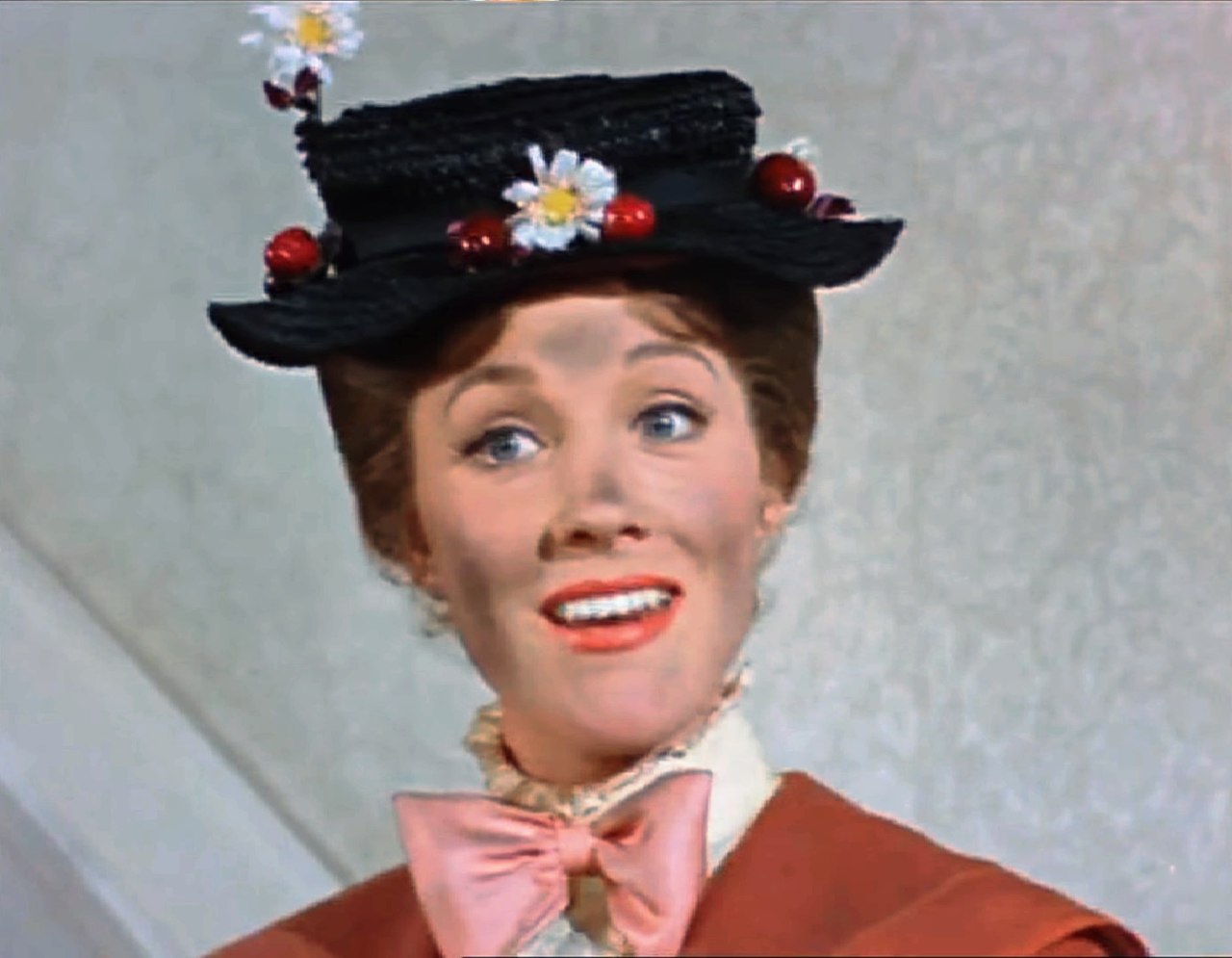
I grew up with these stars as role models in my life, so you know they are dear to me.  Watching  Julie Andrews and Dick Van Dyke singing and dancing in Mary Poppins is still a vivid memory for me.  I was ten years old.  Convincing myself I could direct (where did I get that, I wonder?) in my backyard,  my plan was to  have my father rent a helicopter to fly me in.  You understand this was 1966.  Ha!

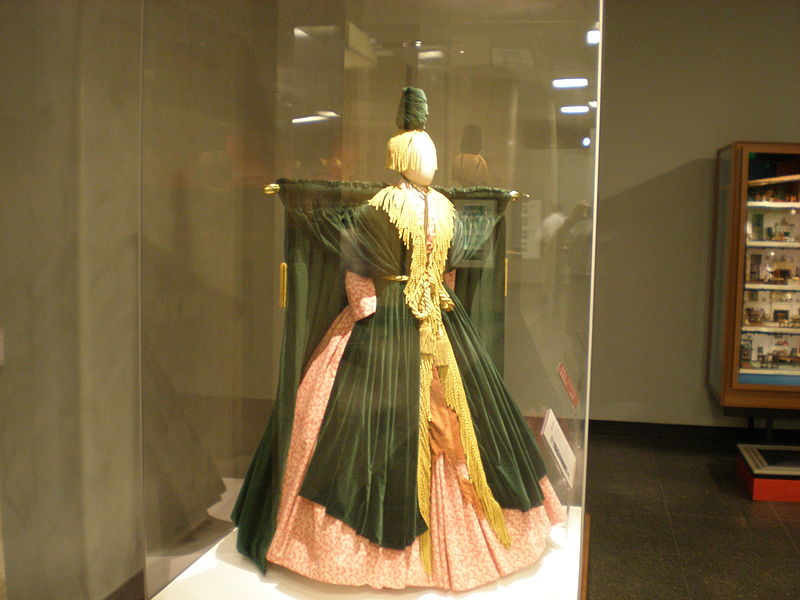
And James Earl Jones?  Wow, what a presence!  I mean, to just use your voice to create a character for Darth Vader in Star Wars and Mufasa in The Lion King is a testament to his incredible talent.  By the same token, I remember laughing hysterically at Carol Burnett’s antics on her television show, The Carol Burnett show.  Nothing could be funnier than her dressed with a curtain rod as part of her Gone with the Wind costume.

Teaching Stage Legends: Burnett, Andrews, Jones, and Van Dyke


These four icons have captivated audiences for decades.  Their remarkable talents leave an indelible mark on stage, screen, and beyond. First, let’s take a closer look at the five reasons for students to study these iconic performing artists.

Teaching Stage Legends: Burnett, Andrews, Jones, and Van Dyke

Five Reasons to Study Iconic Performing Artists

1. Mastery of Technique: These performers demonstrate exceptional control over their voices and physicality. Additionally, by studying their techniques students learn to refine their vocal and acting skills, from projection to emotional expression.

2. Longevity in the Arts: These icons have had careers spanning decades, teaching students the importance of persistence, adaptability, and commitment to their craft. Consequently, their careers can inspire students to envision long-term success in the performing arts.

3. Versatility Across Genres: Whether in comedy, drama, musical theater, or film, these performers have excelled in a variety of genres. Furthermore, by observing their versatility students are encouraged to explore different styles of performance and expand their own artistic range.

4. Character Development: Each of these stars is known for portraying deeply memorable characters. By studying how they developed their roles, students can gain insight into creating authentic and compelling characters in their own performances.

5. Cultural and Historical Impact: These legends have shaped the entertainment industry and influenced global audiences. Analyzing their work gives students a deeper understanding of how the performing arts reflect and affect culture.  Thereby encouraging them to consider their own impact as artists.

Teaching Stage Legends: Burnett, Andrews, Jones, and Van Dyke

Dick Van Dyke: A Master of Comedy and Charm

With a career spanning over seven decades, Dick Van Dyke remains one of Hollywood’s most beloved performers. To begin with, his early days as a radio DJ and television host paved the way.  Not surprisingly, his breakout role in The Dick Van Dyke Show, a sitcom that became a staple of American television. Van Dyke’s effortless blend of physical comedy and heartwarming charm made him a household name.  However, it was his role as the lovable chimney sweep Bert in Mary Poppins that cemented his legacy as a film star.

Van Dyke’s career is defined by versatility.  One can’t forget his slapstick humor in Chitty Chitty Bang Bang, his dramatic turns on Diagnosis: Murder, or his smooth song-and-dance performances. Thankfully, his energy and enthusiasm continue to inspire generations of performers. In recent years, he has remained active, appearing in the 2018 sequel Mary Poppins Returns with the same sprightly charisma that audiences have come to love. Isn’t that wonderful?

Most importantly, let’s not forget his Tony award winning performing in Bye Bye Birdie! Check him out here. 

Why Students Should Study Dick Van Dyke:

Van Dyke exemplifies the art of physical comedy and timing, key skills for any actor to master. i find that his ability to blend humor with heartfelt emotion teaches students to be vulnerable. Lastly, Van Dyke’s longevity in the industry also serves as a model for persistence, adaptability, and passion in the arts. He is ninety-eight years young.

Teaching Stage Legends: Burnett, Andrews, Jones, and Van Dyke

Julie Andrews: The Queen of Grace and Song

Julie Andrews’ soaring voice and elegant demeanor have made her one of the most revered performers of all time. Known for her unforgettable roles in The Sound of Music and Mary Poppins, Andrews’ impact on both Broadway and Hollywood is nothing short of extraordinary. Her impeccable soprano voice and acting abilities catapulted her to stardom on stage, beginning with her acclaimed performance in My Fair Lady on Broadway. Check out her performance here.

Teaching Stage Legends: Burnett, Andrews, Jones, and Van Dyke

Teaching Stage Legends: Burnett, Andrews, Jones, and Van Dyke

Her transition to film came with equal success, winning the Academy Award for Best Actress for Mary Poppins in 1964. Andrews’ portrayal of Maria in The Sound of Music only fortified her standing as a true legend.  Despite a vocal injury that affected her ability to sing, she has continued to contribute to the arts.  Andrews has lent her voice to beloved characters in animated films.  Plus, she writes children’s books with her daughter.  Always seeking new challenges, she voices Lady Whistledown in the very popular Bridgerton television series.

Andrews is three-quarters of the way to EGOT status. She has won two Emmys, two Grammys (plus a lifetime achievement award) and an Oscar, but has yet to win a Tony, despite three nominations. Several years ago, she appeared to finally be headed for a Tony win in 1996 for her lead role in the Broadway adaptation of Victor/Victoria. However, she turned down the nomination because no one else from the cast was nominated.  What a classy lady!

What is an EGOT winner?  Check out: EGOT Award Winners: A Closer Look at Their Most Iconic Roles and Performances

Why Students Should Study Julie Andrews:
Julie Andrews’ extraordinary vocal technique and range make her a prime example for students studying musical theater and voice. Additionally, her seamless transition from stage to film provides a blueprint for how actors can adapt their talents across mediums. Andrews also models resilience, having faced and overcome significant challenges throughout her career, such as her vocal injury.


Teaching Stage Legends: Burnett, Andrews, Jones, and Van Dyke

James Earl Jones: A Voice Like No Other

James Earl Jones is known as much for his commanding presence as for his iconic voice, which is recognized instantly across the globe. From the moment he stepped onto the stage in the 1950s, Jones has been a powerhouse of the theater world, earning acclaim for his portrayal of Shakespearean roles and tackling complex, socially relevant themes. His work in Othello, King Lear, and Fences solidified his status as one of the most talented actors in theater history.

Of course, his distinctive voice became legendary in its own right.  Most beloved for his portrayal of Darth Vader in Star Wars and as Mufasa in The Lion King. His voice work combined with his stage presence has earned him multiple Tony Awards, including one for his role in The Great White Hope. Jones portrayed heavyweight boxer Jack Jefferson. Watch James Earl Jones here in Field of Dreams. I always thought he was the man’s voice on the Arby’s commercials, but I was incorrect.  Click here to see who is.

Why Students Should Study James Earl Jones:

James Earl Jones is the quintessential example of how voice and presence can elevate a performance. Students can learn from his mastery of classical texts.  Plus, his ability to command attention with every word spoken is exemplary. Jones’ journey, overcoming a childhood stutter to become one of the most recognized voices in the world, is an inspiring lesson in perseverance and the transformative power of the arts.

Carol Burnett: The Queen of Comedy

I couldn’t leave out Carol Burnett, one of my personal favorites! Burnett’s remarkable ability to command the stage with her wit and comedic timing continues today.  She has been thrice nominated for Tony and Grammy awards.

Why Should Students Study Carol Burnett?

1. Master of Improvisation: Burnett’s quick thinking and ability to improvise in live performances teach students how to adapt on stage, think creatively, and maintain energy even in unscripted moments.

2. Groundbreaking Female Comedian: As one of the first women to host her own variety show, Burnett broke barriers in comedy, inspiring students—especially young women—to challenge stereotypes and pursue careers in traditionally male-dominated fields. (Did you know her Broadway break was in Once Upon a Mattress?)

3. Versatility in Performance: From slapstick comedy to heartfelt drama, Burnett’s range of characters highlights the importance of versatility in the performing arts. Students can learn to stretch their own abilities and explore different types of roles. (Watch her in Once Upon a Mattress here.

4. Collaboration and Ensemble Work: Burnett’s success on *The Carol Burnett Show* came from her ability to collaborate effectively with a talented ensemble cast. Studying her work emphasizes the value of teamwork in creating memorable performances.

5. Connection with Audiences: Burnett had an exceptional ability to engage with audiences, whether through humor, empathy, or breaking the fourth wall. Students can learn from her how to connect with their audience on a deeper level, making their performances more impactful.

A Legacy of Excellence

Dick Van Dyke, Julie Andrews, and James Earl Jones are living embodiments of the timeless magic that the performing arts can bring. Each has made distinct and significant contributions to the entertainment industry. They talent continues to shape the way we experience comedy, music, drama, and storytelling.

Their combined influence on both stage and screen will never be forgotten.  As you might expect, they’ve set the standard for excellence in performance. From the whimsical worlds of Mary Poppins to the inspiring drama of Fences, and the unforgettable voice of Darth Vader, these four legends continue to captivate audiences and serve as enduring symbols of what it means to be truly great at one’s craft.

Why Students Should Study These Icons?

I hope that I’ve made it convincing for you to teach about these amazing artists.  By studying these four legends  students can explore a diverse range of performance techniques. By examining their careers, students can gain a deeper appreciation for the craft of acting and the impact that a single performer can have on audiences worldwide.

If you are looking for biographies of these artists (all but Burnett) go here.

I’d love to hear about your favorite iconic performers.  Email me at DhcBaldwin@gmail.com and we’ll chat!

Share this:

  • Click to share on Tumblr (Opens in new window) Tumblr
  • More
  • Click to share on X (Opens in new window) X
  • Click to share on Facebook (Opens in new window) Facebook
  • Click to share on Pinterest (Opens in new window) Pinterest
  • Click to share on LinkedIn (Opens in new window) LinkedIn
  • Click to email a link to a friend (Opens in new window) Email
  • Click to share on Reddit (Opens in new window) Reddit
  • Click to share on Pocket (Opens in new window) Pocket
  • Click to share on Telegram (Opens in new window) Telegram
  • Click to share on WhatsApp (Opens in new window) WhatsApp

Like this:

Like Loading...

Filed Under: acting, Arts, arts education, Broadway, drama education, Musical Theatre, performing arts, Teacherspayteachers, theater, theatre, Tony Awards

Jimmy Awards: Honoring High School Musical Theatre Talent

June 26, 2024 By dhcbaldwin Leave a Comment

Jimmy Awards: Honoring High School Musical Theatre Talent

When I was a high school student I discovered my love for musical theater.   Several years later and a whole lot of training, I gained the confidence to audition for the musicals. While in college, I worked my way to portraying lead roles in college. However, there was no such thing as the Jimmy Awards.  I would have jumped at the chance to audition for this amazing award!  Today, my blog post is, Jimmy Awards: Celebrating High School Musical Theatre Talent.

If you’re a fan of musical theatre, you might already know about the Tony Awards. However, like me you may have never heard of the Jimmy Awards. It is officially known as the National High School Musical Theatre Awards (NHSMTA).  The Jimmy Awards shine a spotlight on the best and brightest high school musical theatre talent in the United States.

Named in honor of Broadway impresario James M. Nederlander, this annual event is a testament to the dedication, passion, and talent of young performers across the country. Check out this blog post if you are interested in the history of musical theater: Showtime Chronicles: History of Musical Theater Unveiled.

Jimmy Awards: Honoring High School Musical Theatre Talent

Honoring High School Musical Theatre Talent

Although I’d heard of Mr. Nederlander, I didn’t actually know why he was important., often referred to as Jimmy Nederlander, was a prominent American theatre owner and producer. Born on March 31, 1922, and passing away on July 25, 2016, Nederlander was a key figure in the Broadway community. Serving as the head of the Nederlander Organization, he was one of the most influential theatre operators and producers in the world. He is credited with overseeing a vast network of theatres, including nine Broadway venues. Wow!

Under his leadership, the Nederlander Organization produced numerous successful Broadway shows, including hits like Rent, Wicked, and The Lion King. His contributions to the theatre industry were immense, and he played a significant role in shaping modern Broadway.

Jimmy Awards: Honoring High School Musical Theatre Talent

The History of the Jimmy Awards

The Jimmy Awards were established in 2009 to recognize and celebrate outstanding achievement in high school musical theatre. Students from regional theatre awards programs participate in a week-long intensive in New York City, where they receive training from industry professionals and compete for scholarships and awards. The experience culminates in a dazzling showcase at a Broadway theatre, where the top performers are selected as finalists and given the chance to perform solos and group numbers. Two main awards are given each year, Best Performance by an Actress and Best Performance by an Actor.

Jimmy Awards: Honoring High School Musical Theatre Talent

The Journey to the Jimmy Awards

To make it to the Jimmy Awards, students must first excel in their local or regional theatre competitions. These regional awards programs, known as “Theatre Awards,” exist in various cities and states across the country. Winners of these regional programs then advance to the national level—the Jimmy Awards. The program impacts over 140,000 students annually who participate in high school musical theatre competitions sponsored by over forty professional theatres throughout the US. Amazing! 

The Jimmy Award nominees travel to New York City for a week in June.  I’m certain that  the opportunity to travel to NYC is exciting enough for the young people.  The week culminates with a live show in which the winners are determined. During the week, the nominees rehearse their performances for the award show and receive coaching from industry professionals.

The Jimmy Awards Show

The show begins with an opening number (typically a “mega-mix of contemporary Broadway hits”) involving all nominees, followed by a series of “showcase medleys”, in which several nominees appear in costume in the role they performed in their high school’s musical, each in turn singing a short solo, while the remaining performers act as backup singers and dancers. These medleys have gained a cult following, with fans appreciating the crossover between disparate popular musicals.Since 2016, due to an increasing number of nominees and time limitations, only a portion of nominees have participated in showcase medleys, with the remainder instead performing in a group number. 

Judging at the Jimmy Awards

During an intermission, a panel of experts selects about eight finalists. During the show’s second half, the finalists each perform a solo, and the winners are announced. All finalists also receive a $3,000 scholarship toward their future education. In addition to the main awards of Best Performance by an Actress and Best Performance by an Actor, other awards are given out with smaller prizes. In 2023, awards were given for Best Dancer, Rising Star, Best Performance in an Ensemble, and Spirit of the Jimmys.  Additionally, each  of these aforementioned awards include a $2,000 scholarship. 

The week-long program  is rigorous and transformative. Participants attend masterclasses, workshops, and rehearsals led by Broadway professionals. Also, they have the opportunity to meet and learn from peers who share their passion for theatre. As you would expect, they become part of a  a supportive and inspiring community. If you’d like to teach your students about the Tony awards, check out: Drama Class Tony Awards Study and Game 

Eva Noblezda
Eva Noblezda, winner of Jimmy Awards, 2019

The Impact of the Jimmys

The Jimmy Awards make a profound impact on the lives of young performers. Many past participants go on to successful careers in theatre, film, and television. Notable alumni include Eva Noblezada, who starred in Miss Saigon and Hadestown on Broadway, and Andrew Barth Feldman, playing the title role in Dear Evan Hansen.

The exposure and training provided by the Jimmys can open doors to prestigious performing arts colleges and professional opportunities. In addition to the invaluable experience, students also compete for significant scholarships, helping to ease the financial burden of pursuing a career in the arts. If you are looking for an excellent theatre program in a small college, check out my Alma Mater, Stephens College.  

Why the Jimmys Matter

Perhaps this is the best reason for the Jimmy Awards.  They not only recognize and reward talent but also highlight the importance of arts education in schools. With school systems making cuts to the arts almost on a daily basis, this award is hugely important.  Musical theatre programs provide students with a creative outlet.  Additionally, they  teach valuable life skills, and foster a sense of community. The Jimmy awards celebrate the hard work of students, teachers, and schools, encouraging the continued support and development of arts programs nationwide.

Dramamommaspeaks

How to Support the Jimmy Awards

There are several ways to support the Jimmy Awards and the young performers they celebrate. As simple as it sounds, please attend local high school musical productions.  Or you can donate to arts education programs. Or help spread the word about the importance of the arts in schools. Additionally, watching the Jimmy Awards ceremony you can help raise awareness and appreciation for these talented young artists. There are plenty of theater teachers desperate for funds.  

In conclusion, as you can see here, the Jimmy Awards are more than just a competition. They are a celebration of the future of musical theatre. The Jimmy awards play a crucial role in ensuring that the magic of Broadway continues to thrive for generations to come.

This year’s Master of Ceremonies for the evening was Josh Groban, star of the recent revival of Sweeney Todd: the Demon Barber of Fleet Street. Talk about a talent!  If you are interested in teaching your students about Josh Groban, pick up this Dramamommaspeaks resource: Josh Groban Biography Lesson and One Pager Assignment.

Are you and your students familiar with The Jimmy Awards?  I’d love to hear about it. Email me at DhcBaldwin@gmail.com


Share this:

  • Click to share on Tumblr (Opens in new window) Tumblr
  • More
  • Click to share on X (Opens in new window) X
  • Click to share on Facebook (Opens in new window) Facebook
  • Click to share on Pinterest (Opens in new window) Pinterest
  • Click to share on LinkedIn (Opens in new window) LinkedIn
  • Click to email a link to a friend (Opens in new window) Email
  • Click to share on Reddit (Opens in new window) Reddit
  • Click to share on Pocket (Opens in new window) Pocket
  • Click to share on Telegram (Opens in new window) Telegram
  • Click to share on WhatsApp (Opens in new window) WhatsApp

Like this:

Like Loading...

Filed Under: acting, Arts, arts education, Broadway, drama education, Education, Education, High School, music education, Musical Theatre, performing arts, Teacherspayteachers, Tony Awards, youth theatre Tagged With: Broadway, Eva Noblezda, James M. Nederlander, Jimmy Awards, Josh Groban

The Resonance of Stereophonic: A Tony Award Nominee

May 28, 2024 By dhcbaldwin Leave a Comment

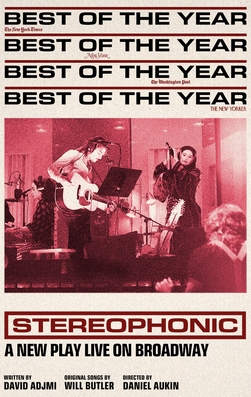
Blog post concerning Stereophonic, a new Broadway musical

The Resonance of Stereophonic: A Tony Award Nominee

Humans like to reminisce. Currently, the 1970s are popular. Did you know the 1970s fashion is a throw back in 2024? Clothes such as bell bottoms, flowy dresses.  In fact, even the furniture and housewares remind me of the 1970s.  How fortuitous for a new musical, Stereophonic, set in the 1970s to have opened on Broadway recently. Let’s discuss the resonance of Stereophonic: a Tony Award Nominee.

Stereophonic falls into the genre of a play with music.  Although they are considered musicals, they are different from most musicals.  However, they are just as important as others. First, let’s dive into what makes Stereophonic a standout production and why it has garnered such prestigious recognition.

The Resonance of Stereophonic: A Tony Award Nominee

This is my good friend and R and B player @kelleyhuntmusic, circa 1979.

I am part of the Baby Boomer echo generation. The term “Baby Boomer echo” refers to the demographic phenomenon that followed the post-World War II baby boom generation. Baby boomers are those born roughly between 1946 and 1964, a period characterized by a significant increase in birth rates. 

My generation saw many changes in our society which were reflected in the music of the times as well.  Groups such as Fleetwood Mac, Journey and America were extremely popular bands of the times. The 1970s saw hard rock get harder, soft rock get softer, and artists frustrated with standard musical forms tossing them aside and starting their own styles.  This phenomena is part of the mystique of a new play with music, Stereophonic.

The Resonance of Stereophonic, a Play with Music

Stereophonic stands out with its unique blend of music, storytelling, and innovation. Set in the 1970s,  Stereophonic has captivated audiences and critics alike. It has all ready earned its place among the most celebrated theatrical works of the season.

The Resonance of Stereophonic: A Tony Award Nominee

Stereophonic, a Symphony of Sound and Story

At its core, Stereophonic is a celebration of music and its profound impact on our lives. What makes Stereophonic different from other musicals is the way the play ingeniously intertwines an evocative narrative with a rich, immersive soundscape.  This intertwining creates an experience that is both sensory and emotional. The story follows a group of characters whose lives are intricately connected through music, exploring themes of love, loss, and the search for identity.

Stereophonic is the inside story of a Fleetwood Mac-style band Stereophonic, which tracks the volatile creation of a rock and roll album over the course of a year in the 1970s. The title, Stereophonic, itself hints at the dual nature of the story – one that resonates on multiple levels. The use of stereophonic sound technology within the production adds a unique layer of depth.  The score makes the audience feel as though they are part of the musical journey. This innovative use of sound design is one of the reasons Stereophonic stands out in a season filled with remarkable productions.


The Resonance of Stereophonic: A Tony Award Nominee

Stellar Cast and Direction

As you might expect, a production is only as strong as its cast and crew.  Stereophonic boasts some of the finest talents in the industry. The ensemble cast delivers powerful performances that bring the intricate characters to life. Each actor’s ability to convey the emotional depth and complexity of their role adds to the overall impact of the story.

The direction of Stereophonic is masterful, seamlessly blending the elements of music and narrative. I viewed a video clip of the production which was on Jimmy Farrell’s Late Night Show.  It’s fascinating, because although we know they are acting it feels like you are sitting in on a band’s recording session. The cast appears unaware of the audience–that’s so intriguing. The director, Daniel Aukin’s vision to create an immersive experience has paid off, with audiences often describing the play as a visceral and transformative journey. The meticulous attention to detail in both the staging, a recording studio, and the sound design is evident.

230px

Critical Acclaim and Audience Reception

Stereophonic mines the agony and the ecstasy of creation as it zooms in on a music studio in 1976. Here, an up-and-coming rock band recording a new album finds itself suddenly on the cusp of superstardom. The ensuing pressures could spark their breakup — or their breakthrough. As someone who lived during the 1970s when the production is placed, I hear my high school days in their music!

Not surprisingly, Stereophonic has received rave reviews from critics, who have praised its innovative approach and emotional depth. Many have noted the seamless integration of the musical and narrative elements.  The production pushes the boundaries of traditional theater. The critical acclaim is matched by audience reactions. Reports from media say that many theatergoers describing the show as an unforgettable experience. And the show hasn’t even been featured on the Tony awards yet!

The production’s nomination for multiple Tony Awards is a testament to its excellence. Categories include Best Play, Best Direction, Best Sound Design, and several acting nominations, reflecting the all-around strength of the show. Winning a Tony is one of the highest honors in the theater world, and Stereophonic’s multiple nominations underscore its impact and quality.

undefined

The Musical Play Genre: Other Noteworthy Examples

You may not have realized that Stereophonic is part of a rich tradition of plays that incorporate music to enhance storytelling.

Here are some other notable examples:

  • Fela! – This vibrant musical play tells the story of Fela Kuti, the Nigerian musician and political activist. Known for its dynamic choreography and powerful music, Fela! immerses the audience in the world of Afrobeat and Kuti’s fight against oppression.
  • Once – Based on the Academy Award-winning film, Once is a poignant love story set in Dublin. The play features actors who double as musicians, playing instruments live on stage, creating an intimate and immersive experience that highlights the power of music in bringing people together.
  • The Band’s Visit – This Tony Award-winning musical tells the story of an Egyptian police band stranded in a small Israeli town. Through its hauntingly beautiful score and heartfelt narrative, The Band’s Visit explores themes of connection and the universality of human experience.
  • Passing Strange – A semi-autobiographical musical by Stew, Passing Strange follows a young African American’s journey to find “the real” through music and art. The play is noted for its rock concert-like atmosphere and its exploration of identity and self-discovery.
  • Spring Awakening – This rock musical adaptation of Frank Wedekind’s 1891 play tackles the struggles of adolescence and sexual awakening. The integration of modern rock music with a period setting creates a powerful and resonant experience for contemporary audiences.

Plays with Music for Students to Perform

If you are looking for a play with music for your students to perform.  I suggest checking out:

  • Bridge to Terabithia–-This powerful adaptation, supported by a lyrical score, focuses the humor, warmth and emotional intensity of Katherine Paterson’s Newbery Award winning novel. Jesse, alienated from the pragmatism of his family and rural Virginia culture, draws and dreams of becoming something special. Leslie, the new girl from the city and the ultimate outsider, opens a world of imagination, art and literature for him. Together they create Terabithia, a fantasy kingdom where they are safe from those who don’t understand them. Their friendship grows as Jesse’s world expands.

Looking for a lesson concerning the Tony awards?  Go here.

 The Future of Theatrical Innovation

I had never heard Stereophonic ‘s music until recently when I was listening to the Sirius station, Broadway.  Wow!  Whenever a theatrical production is unique, it paves the way for others to do the same.  It sort of whets a potential audience’s appetite,  demonstrating how traditional storytelling can be enhanced through modern technology and creative sound design. As audiences continue to seek out new and immersive experiences, productions like Stereophonic encourage others to follow.

As I mentioned previously, the 1970s are all the rage again.  It’s fun for me to reminisce about that important time in my life.  If for no other reason, I’d like to see Stereophonic and watch it winds its way through my memories.   As we await the results of the Tony Awards, one thing is clear: Stereophonic has made an indelible mark on the world of theater, and its influence will be felt for years to come.

Were you a student in the 1970s?  If not, do you enjoy listening to 70s music?  I’d love to hear from you.  Just email me at DhcBaldwin@gmail.com

The Transformative Power When Students Apply Stage Makeup
Graduation photo, 1974

Dramamommaspeaks** is dedicated to exploring the vibrant world of theater, offering insights and reviews on the latest productions, trends, and industry news. Stay tuned for more updates and in-depth analyses of your favorite shows and emerging talents.

Share this:

  • Click to share on Tumblr (Opens in new window) Tumblr
  • More
  • Click to share on X (Opens in new window) X
  • Click to share on Facebook (Opens in new window) Facebook
  • Click to share on Pinterest (Opens in new window) Pinterest
  • Click to share on LinkedIn (Opens in new window) LinkedIn
  • Click to email a link to a friend (Opens in new window) Email
  • Click to share on Reddit (Opens in new window) Reddit
  • Click to share on Pocket (Opens in new window) Pocket
  • Click to share on Telegram (Opens in new window) Telegram
  • Click to share on WhatsApp (Opens in new window) WhatsApp

Like this:

Like Loading...

Filed Under: arts education, Broadway, drama education, Education, Education, music education, Musical Theatre, plays, Teacherspayteachers, theater, theatre, Tony Awards Tagged With: 1970s, baby boomer echo, broadway musical, musical theater, plays with music, theater, tony award

Next Page »

Footer

Follow Us

logo3.png

FOLLOW US

Facebook X-twitter Pinterest Instagram Envelope Rss

Goodreads: read

Malibu Rising
Malibu Rising
by Taylor Jenkins Reid
People We Meet on Vacation
by Emily Henry
The Last Thing He Told Me
by Laura Dave
Faking It
Faking It
by Cora Carmack
Losing It
Losing It
by Cora Carmack

goodreads.com
Copyright © 2024 · Wellness Pro on Genesis Framework · WordPress.com.Log in
 

Loading Comments...
 

    %d