• Skip to primary navigation
  • Skip to main content
  • Skip to footer

Join Me in my new Facebook Group! https://www.facebook.com/groups/417126059784261

Menu
  • Meet Deb – The Heart Behind DramaMommaSpeaks
    • Work with Me! 
    • Photo Gallery of DramaMommaSpeaks
    • Directorial Credits
  • I Give Book Talks! 
    • Book Talk Through Skype
    • Books
  • Freebies!
  • Bumbling Bea
  • Teaching Resume
  • Acting Resume
  • Contact Me
  • Blog
    • Drama Education
    • Arts Education
    • Youth Theatre
    • Middle Grades
    • Musical Theatre
    • Teaching
  • Meet Deb – The Heart Behind DramaMommaSpeaks
    • Work with Me! 
    • Photo Gallery of DramaMommaSpeaks
    • Directorial Credits
  • I Give Book Talks! 
    • Book Talk Through Skype
    • Books
  • Freebies!
  • Bumbling Bea
  • Teaching Resume
  • Acting Resume
  • Contact Me
  • Blog
    • Drama Education
    • Arts Education
    • Youth Theatre
    • Middle Grades
    • Musical Theatre
    • Teaching

high school

Who Is Springboard to Action and Why It Matters

October 8, 2025 By dhcbaldwin Leave a Comment

Every so often, someone reaches out to me and asks if I can help spread the word about an organization that’s making a real difference in theater education. I’m always willing to consider it.  That’s part of my mission statement.  When I see a program that opens doors for students and inspires teachers, I’m always eager to share it. Today’s spotlight is on one of those opportunities: Who Is Springboard to Action and Why It Matters.

Who Is Springboard to Action and Why It Matters

Who is Springboard to Design and Why It Matters

Springboard to Design encourages and mentors high school students from underrepresented populations to explore the process of theatrical collaboration and the many avenues of American Theatre design. Led by renowned members of the contemporary theatre in the heart of NYC, the Springboard to Design curriculum includes workshops, seminars, and access to important work on and off Broadway.

Springboard to Action

Instructors consist of award-winning artists who create a collaborative environment for students, as they explore costume, set, lighting, projection, hair, makeup, and sound design. How wonderful this is for the students! Knowing that someone who the students can relate to because of their background or culture or ethnicity is important.  Such an approach ensures that the program is not all about teaching and learning—it’s about connection.

Springboard to Design is an initiative by Design Action, an intergenerational coalition of BIPOC and white designers working to end racial inequities in North American theatre. The program was incubated in collaboration with the American Theatre Wing in 2021. In the summer of 2025, Springboard to Design was hosted at The Harvey Fierstein Theatre Lab housed in The New York Public Library for the Performing Arts in the heart of Lincoln Center.

Who Is Springboard to Action and Why It Matters

Benefits of Springboard to Design

In case you want to share this information with your students, here’s a quick list of how this program benefits students:

  • Accessibility – Tuition, housing, and program costs are fully covered, making it possible for all students to attend.
  • Representation Matters – Students work with professional designers who reflect diverse backgrounds and lived experiences.
  • Professional Mentorship – Award-winning artists guide students through real-world design challenges.
  • Hands-On Training – Workshops let students experiment with costume, set, lighting, projection, hair, makeup, and sound design.
  • Career Exploration – Students discover design pathways beyond acting, expanding their vision of what a future in theatre can be.
  • Community Building – The program fosters collaboration, teamwork, and friendships with peers who share the same passions.
  • Networking in NYC – Students gain exposure to Broadway professionals and experience theatre in the cultural hub of the U.S.
  • Recognition – Being part of a nationally recognized program (Anthem Award winner) adds prestige to a student’s portfolio or college application.

Isn’t this is exciting?  I wish I had students that I could introduce to this program.  If you need an answer to the question, “How is theater useful in the outside world”, read: Why Theater Education Matters: Developing Key Life Skills

Who Is Springboard to Action and Why It Matters

Breaking Barriers for Future Theater Artists

The program includes workshops and mentorship from award-winning artists. Students explore costume, set, lighting, sound, hair, makeup, and projection design in the heart of New York City. Here’s the exciting part—the SB2D program is FREE to all students.

Springboard to Design (SB2D) gives students the chance to dive into the world of theatre design and discover new artistic possibilities, no experience required! With housing available and tuition fully covered, this program is built to remove barriers for the next generation of theatre designers. Thus, students expand their sense of community, collaboration, and imagination.

Springboard to Design is all ready a winner!  The program was recognized by the 2022 and 2023 Anthem Awards as a Bronze Winner for Education, Arts, & Culture – Community Engagement.

Who Is Springboard to Action and Why It Matters

Application Details and Deadlines

The applications for the 2026 program are open from September 15th to December 15th, 2025.

The application will include a few short essays, a brief introduction video, and an original piece of artwork.

There is a $25 application fee. If for any reason you are unable to afford the fee, or if it causes stress on family finances. If so, please contact us to receive a voucher. This application fee goes directly back into the program and helps keep the week-long experience free for students.

The Power of Finding Your Community

I can only speak from personal experience.  When I attended college I finally found people who were just like me with the same interests and goal.  I was much more willing to show up for myself.  Sounds to me like Springboard to Action is the opportunity and growth we’d all like to give our students an opportunity to attain.  For more information about the program, go to Springboard for Action.

I give drama teachers advise nearly weekly.  If you have any questions or need some help, just email me at DhcBaldwin@gmail.com

Woman behind DramaMommaSpeaks

Share this:

  • Click to share on Tumblr (Opens in new window) Tumblr
  • More
  • Click to share on X (Opens in new window) X
  • Click to share on Facebook (Opens in new window) Facebook
  • Click to share on Pinterest (Opens in new window) Pinterest
  • Click to share on LinkedIn (Opens in new window) LinkedIn
  • Click to email a link to a friend (Opens in new window) Email
  • Click to share on Reddit (Opens in new window) Reddit
  • Click to share on Pocket (Opens in new window) Pocket
  • Click to share on Telegram (Opens in new window) Telegram
  • Click to share on WhatsApp (Opens in new window) WhatsApp

Like this:

Like Loading...

Filed Under: Arts, arts education, Broadway, Christmas memories, community theater, Creativity, Distance Learning, drama education, Education, Education, gifted and talented, immigrants, performing arts, Play, play reading, plays, Radio Theatre, Readers Favorite, readers theater, set design, The Wheel Education, theater, theatre Tagged With: BIPOC, drama class, high school, Middle school, minorities in theater, NC, New York, summer programs for minorities, theater class

The Power of Creativity: Nurturing Innovation in Students

January 8, 2025 By dhcbaldwin Leave a Comment

The Power of Creativity: Nurturing Innovation in Students

I worry about our students.  Specifically, as a drama teacher and working with all things theater, I’m concerned about our students’ creativity.  So let’s consider that today–the power of creativity: nurturing innovation in students. In a world increasingly shaped by rapid technological advancements and complex global challenges, creativity has never been more essential.

Schools are not just places where students learn facts and figures. They are incubators for innovative thinkers, problem solvers, and dreamers. I believe that nurturing creativity in students is not only a vital aspect of their development but also an investment in the future.

The Power of Creativity: Nurturing Innovation in Students

Why Creativity Matters

This is a generality–many people believe they are not creative. One of my friends, who has a beautifully decorated home told me, “I’m not creative like you.”  What? Of course,  I disagree with her. Creativity is not just about art, music, or theater. It is the foundation of critical thinking, adaptability, and innovation. When students learn to think creatively, they develop skills that help them approach problems from new perspectives. They explore unconventional solutions, and express their individuality. Since this is a drama education blog, I’m going to consider creativity from that standpoint.

The Power of Creativity: Nurturing Innovation in Students

Creativity in Action: Building Skills Through the Arts

For example:

  • Problem-Solving: Creativity helps students develop resilience and resourcefulness when facing challenges, fostering a mindset of possibilities rather than obstacles. Set design is an excellent example of problem solving.  Students envision their design, draw and build a model of it.
  • Innovation: Many of today’s most groundbreaking advancements come from those who think outside the box, whether in science, business, or technology. The War Horse play is wildly innovative using life size puppets of horses to tell the story.
  • Emotional Growth: Creativity allows students to express their feelings, build confidence, and develop empathy by exploring diverse narratives and perspectives. Writing a monologue, a form of playwriting, about a Christmas gift a student is given is non-threatening and something they can relate to quite easily.

The Power of Creativity: Nurturing Innovation in Students

Strategies to Cultivate Creativity in the Classroom

  1. Encourage Open-Ended Exploration Let students experiment with ideas and projects without fear of being “wrong.” Open-ended assignments promote originality and allow them to explore their interests. Several times in a semester, I give students an opportunity to improv. a particular theme using tableaux or movement like the Tricicle Theater Company.
  2. Incorporate Arts into the Curriculum Theater, music, visual arts, and creative writing engage students in ways that traditional lectures cannot. These disciplines help students develop a broader range of cognitive and emotional skills. Teaching students about building a mood through sound effects and music is always fun.
  3. Provide Opportunities for Collaboration Group projects encourage students to build on each other’s ideas, learning how to synthesize diverse perspectives into something greater than the sum of its parts. For example, if students create their own juke box musical they must work together to create a dynamic and finished product.
  4. Value the Process Over the Product Celebrating effort and experimentation reduces the pressure to “succeed” and helps students take risks, an essential part of creative growth. Designing a costume and using only newspaper and painter’s tape to secure it nurtures ingenuity.  
  5. Model Creativity Teachers who demonstrate their own creative processes—whether through storytelling, problem-solving, or innovation in teaching methods—instill a sense of curiosity and possibility in their students.  When teaching storytelling, I always model a story for my storytelling unit.
  6. If you’d like to learn about the importance of drama education to a student’s life, check out my Litpick.com article.

The Power of Creativity: Nurturing Innovation in Students

The Long-Term Impact

Are you a day dreamer? Sometimes I daydream when I’m create new resources such as the Sonologue unit.  According to the American Psychological Association, “Studies indicate that creativity involves the interaction of multiple neural networks. For instance, the default mode network, associated with mind-wandering and spontaneous thinking, collaborates with the executive control network, responsible for focused attention, during creative tasks. This interplay allows individuals to generate original ideas and critically evaluate them.

As a teacher, one of the best things you can do is praise your students when they are creative, no matter the quality of their project.  When creativity is nurtured, students carry these skills far beyond the classroom. They learn at an early age that having creative ideas will pay off for them.  They become innovators in their fields. Additionally, they are compassionate leaders, and individuals who view the world through a lens of possibility. My advice?  Be as free with them as you possibly can and just watch them light up! 
The Power of Creativity: Nurturing Innovation in Students
Here’s a new warm-up exercise which I think will help you and your students greatly as they hone their creativity: Exploration Game
Moreover, creative education helps students develop a lifelong love of learning, which is critical in an ever-changing world. Learn about my former student, Brandon Davis and how he used set design as a student and turned it into a professional career. The Five Reasons Your Students Will Love Set Design
The Power of Creativity: Nurturing Innovation in Students

The Link Between Personality, Creativity, and Joy

Personality traits such as openness to experience have been consistently linked to higher creativity. Individuals high in this trait tend to be more imaginative.  Additionally they are curious, and open to new experiences.  These quality all contribute to creative thinking. in a recent study sponsored by YouGov which surveyed 700 children, “Creative activities help children recognize their unique talents and develop a deeper belief in their abilities—giving children an incredible sense of joy and accomplishment,” says Cheri Sterman, senior director of education for Crayola. For more information, check out: www.parents.com 

Final Thoughts

I hope my friend re-considers her creativity.  It would be sad to think someone stunted their creativity and imagination just because they don’t think they are capable.  And here’s another thing–creativity has nothing to do with talent! Whoa, that’s a heady thought.  Someone can be talented and not creative.

For instance, your student is a math wizard–that takes analytical thought and problem solving.  That doesn’t necessarily take talent.  Or your teacher is an incredible singer–they are expressive and skilled. Her prowess was probably built through much hard work and practice. I would argue that both people are creative. Do you agree? 

Investing in creativity in education is about more than preparing students for careers—it’s about preparing them for life. When schools make room for creativity, they  enrich students’ academic experiences. Furthermore, they empower them to shape a better future. As educators and mentors, we hold the key to unlocking the potential of the next generation. Let’s use it to inspire a world filled with imagination, innovation, and boundless opportunities.

How do you nurture creativity in your classroom? Share your strategies and success stories in the comments below!

Woman behind DramaMommaSpeaks

Share this:

  • Click to share on Tumblr (Opens in new window) Tumblr
  • More
  • Click to share on X (Opens in new window) X
  • Click to share on Facebook (Opens in new window) Facebook
  • Click to share on Pinterest (Opens in new window) Pinterest
  • Click to share on LinkedIn (Opens in new window) LinkedIn
  • Click to email a link to a friend (Opens in new window) Email
  • Click to share on Reddit (Opens in new window) Reddit
  • Click to share on Pocket (Opens in new window) Pocket
  • Click to share on Telegram (Opens in new window) Telegram
  • Click to share on WhatsApp (Opens in new window) WhatsApp

Like this:

Like Loading...

Filed Under: acting, Arts, arts education, arts integration, community theatre, creative movement, Creativity, drama education, drama integration, Education, Education, elementary, High School, middle grades, performing arts, set design, storytelling, Teacherspayteachers, theatre Tagged With: children, costume design, elementary, high school, litpick.com, Middle school, movement, set design, sonologue, sound effects, storytelling, tableau, yougov

Unlocking Creativity: Teaching Storytelling in the Classroom

January 3, 2024 By dhcbaldwin Leave a Comment

Stick person telling a story from a book.

“Unlocking Creativity: Teaching Storytelling in the Classroom” is not just a title, it’s an invitation to explore strategies that make teaching this timeless skill an enriching and transformative experience for both educators and students alike. Let’s dive into the art of storytelling and discover how it opens doors to boundless creativity within the classroom.

Did you know I have the secret to boosting student engagement?  My new book, “We’re Live! Radio Theater #101” explains my journey to implementing this unique tool in the classroom. Check it out here

Unlocking Creativity: Teaching Storytelling in the Classroom

Understanding the Basics of Storytelling:

In my experience, I’ve found that students enjoy storytelling.  In a theater class, it is much lesson threatening than performing a monologue. Consequently, I always include a storytelling unit in my yearly lesson plans. When you begin teaching storytelling to your students, first introduce the fundamental elements of a story. Although your students may be aware of these elements, sometimes a quick review of the key components is necessary.  Reiterate stories which have  characters, setting, plot, conflict, and resolution. Use examples from literature, movies, or real-life situations to illustrate these concepts.  This makes the learning more relatable to your students. Or use storytelling as a warm up exercise for several days.  Check out:  Storytelling Postcard Stories in my TPT store, or my Payhip store.

Unlocking Creativity: Teaching Storytelling in the Classroom

Immersive Storytelling Activities for Early Finishers:

Engage your students in interactive activities that immerse them in the world of storytelling. One idea is to create a storytelling corner in your classroom.  Your early finishers will appreciate this. Encourage them to collaborate on developing and sharing their stories. Again, a reminder of a story’s components  could be useful, especially if students are working independently.  Generally, students need your help in the fleshing out of the story–that is describing settings, characters, and emotions. 

Essentially, you each them the five C’s, Circumstance, Curiosity, Characters, Conversations, and Conflicts that captivate audiences’ interest. The circumstance is all about establishing the scene. A storyteller must provide essential information to their audience including — when, where, and why.

In addition, after a teacher finishes teaching storytelling the culminating activity could be a storytelling day. If you’d like a one week lesson which teaches  storytelling, check out this one at ( Teacherspayteachers.com ) or at my Payhip store).

Unlocking Creativity: Teaching Storytelling in the Classroom

Utilize Technology:

Embrace technology as a tool to enhance storytelling experiences. Platforms like digital storytelling apps, interactive whiteboards, or podcast creation tools can make the process more dynamic. Students can explore multimedia elements to enhance their narratives, including images, music, and sound effects. There are a plethora’s worth of apps. for storytelling whether your students are in lower elementary or high school.  If you are looking for a site where your students can generate stories on line, check out Boomwriter, Nawal, Storybird.

Unlocking Creativity: Teaching Storytelling in the Classroom


Encourage Freewriting Sessions:

Foster a love for writing by incorporating freewriting sessions into your lessons. Set aside dedicated time for students to let their imaginations run wild without worrying about grammar or structure. This practice helps them discover their unique voice and allows creativity to flow freely.  The Writing Process, expresses it, “ increases the flow of ideas and reduces the chance that you’ll accidentally censor a good idea. Additionally, it helps to increase fluency second-language learners—i.e., the ability to produce written language easily as opposed to accuracy.”

Unlocking Creativity: Teaching Storytelling in the Classroom

Showcase Diverse Stories:

Introduce a variety of stories from different cultures, genres, and perspectives. Exposing students to diverse narratives  only helps to broaden their understanding of the world.  Additionally, it inspires them to explore various storytelling styles. Teachers can encourage discussions about the cultural and emotional aspects of these stories. Plus, it is such fun!  If you are ready to embark on reader’s theater  or play production as vehicles for storytelling, check out my blog post, The Reasons Teaching Multiculturalism in the Classroom is Vitally Important

Have you introduced your students to Kamishibai storytelling?  Check it out here

Unlocking Creativity: Teaching Storytelling in the Classroom

Incorporate Storytelling in Different Subjects

I strongly urge you to integrate storytelling into various subjects, not just drama class or language arts. Whether it’s creating historical narratives, science fiction stories, or math-related scenarios, connecting storytelling to different subjects makes learning more holistic and enjoyable. One of our biggest challenges in this great big world is understanding one another, especially our cultures.  If you’d like to learn more about integrating drama into core classes, check out: How to Excite Students With Drama Integration

Unlocking Creativity: Teaching Storytelling in the Classroom

Peer Feedback and Collaboration:

I find it you foster a collaborative environment where students can share their stories with peers, reluctant students are less disinterested in your class. Implement peer feedback sessions, emphasizing constructive criticism and positive reinforcement. This not only improves storytelling skills but also enhances communication and teamwork. Here’s a way to incorporate Kamishibai storytelling in the elementary classroom: Storytelling| Student Created Pictures Unit for Upper Elementary. 

Dramamommaspeaks blog

Celebrate Student Achievements:

Another way to create opportunities for students is to showcase their storytelling prowess. Whether through class presentations, storytelling festivals, or publishing a class anthology, celebrating their achievements builds confidence and reinforces the value of storytelling. Pick up a FREE speech rubric here:  Free Speech Communications Editable Persuasive Speech Rubric. 

Unlocking Creativity: Teaching Storytelling in the Classroom

Guest Speakers and Storytelling Experts:

Invite storytellers, authors, or professionals to share their experiences with your students. Guest speakers can provide valuable insights, tips, and inspiration.  Plus they can reinforce the idea that storytelling is a skill with real-world applications. If you pick up a copy of this storytelling unit, I included links to professional storytellers’ performances. 


Dramamommaspeaks Blog

Assessment through Reflection:

Choosing what a teacher wants to focus on in storytelling is important.  My advice is to focus on creativity, clarity, and emotional impact. Encourage your students to reflect on their own storytelling journey, identifying areas of growth and setting goals for improvement. This reflective process reinforces the learning experience and encourages a growth mindset.

In conclusion, teaching storytelling in the classroom is more than imparting a set of skills. It’s about nurturing creativity, empathy, and effective communication. By implementing these strategies, we empower our students to become confident storytellers. It  equips with the tools they need to navigate the complexities of the world with imagination and resilience. I encourage you to embrace the power of storytelling, and watch your students’ narratives unfold into vibrant tapestries of expression and understanding.

Recently, my daughter asked me to record the story of the time I saw my father’s ghost walking in a hospital’s hallways.  I was flattered that she remembered the story and wanted to share it with others.  Do you think people would like to hear this story? It’s a true story.

How have you used storytelling in your classroom?  I’d love to hear about it.  You can contact me at DhcBaldwin@gmail.com.

Woman behind DramaMommaSpeaks

Share this:

  • Click to share on Tumblr (Opens in new window) Tumblr
  • More
  • Click to share on X (Opens in new window) X
  • Click to share on Facebook (Opens in new window) Facebook
  • Click to share on Pinterest (Opens in new window) Pinterest
  • Click to share on LinkedIn (Opens in new window) LinkedIn
  • Click to email a link to a friend (Opens in new window) Email
  • Click to share on Reddit (Opens in new window) Reddit
  • Click to share on Pocket (Opens in new window) Pocket
  • Click to share on Telegram (Opens in new window) Telegram
  • Click to share on WhatsApp (Opens in new window) WhatsApp

Like this:

Like Loading...

Filed Under: arts education, arts integration, creative dramatics, drama education, drama integration, Education, Education, elementary, English Language Learners, excellence in teaching, Free Products, High School, middle grades, plays, readers theater, Reading Literacy, reading skills, storytelling, Teacherspayteachers, Teaching, teaching strategies, theatre Tagged With: arts integration, creativity, drama education, drama units, elementary, ELL students, high school, Kamishibai Storytelling, Middle school, reluctant students, storytelling postcard stories, storytelling unit, successful teaching methods, Teaching

Discovering Melodrama: A Theatrical Adventure for Students

November 1, 2023 By dhcbaldwin Leave a Comment

A village and a hero on the cover of a blog post about melodramas

Discovering Melodrama: A Theatrical Adventure for Students

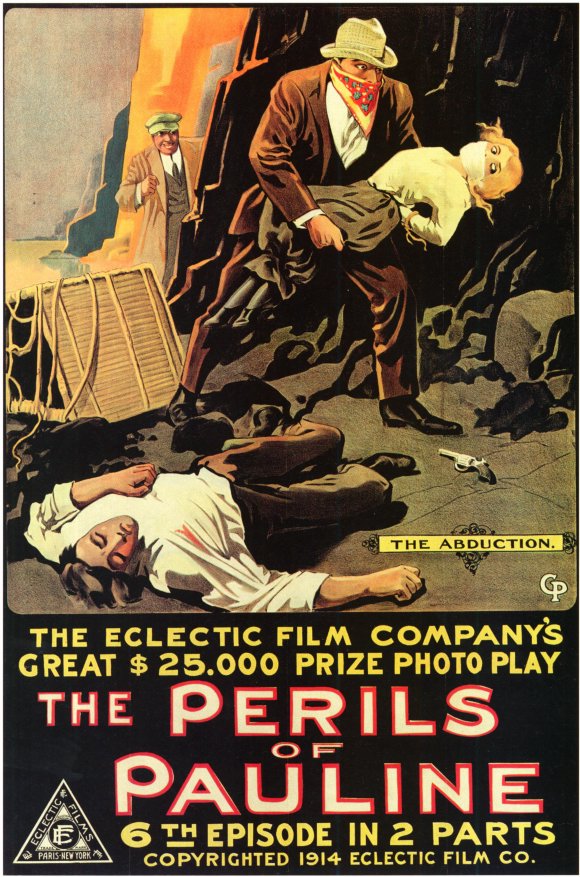
Today, I want to chat with you about discovering melodrama: a theatrical adventure for students.  I know from my own experience it is so much fun.  There used to be a melodrama in Cripple Creek, CO and Dodge City, KS which my parents and I attended.  As I was only starting my journey in theater, I was tickled by it. It was so over the top and the corny jokes kept us laughing.  We knew it was bad theater, but we just didn’t care.  It was fun and that’s what a good melodrama should be.

Discovering Melodrama: A Theatrical Adventure for Students

In the realm of performing arts, this genre stands out for its vivid portrayal of heightened emotions, intense conflicts, and larger-than-life characters – melodrama. As you might expect, I’ve performed and directed several melodramas. If you are like me, you just can’t help yourself and enjoy them, too.  If you’d like to learn more about my directing experiences, check out Eighteen Ways To Make Your Directing Experience Less Stressful, Part One

The history of melodrama is a captivating journey through the evolution of theater.  It  reflects societal changes, artistic innovation, and the eternal fascination with exaggerated emotions. Your students would enjoy learning about them and even performing them.

The Origins: Setting the Stage

If you’ve wondered, the term “melodrama” finds its roots in Greek, where “melos” means music, and “drama” means action or play. Its history traces back to the 18th century, where it emerged as a blend of spoken word and music, primarily in operas and stage productions. These performances often used music to underscore the emotions of the characters, creating a heightened sense of drama.

Discovering Melodrama: A Theatrical Adventure for Students

Little Mary Sunshine Musical

One of my favorite melodramas to direct is Little Mary Sunshine.  Are you familiar with it? From Concord Theatricals, ” This hugely successful off-Broadway show played for almost three years at New York’s Orpheum Theatre, winning an Obie award as the Best of the Season. Billed as “a new musical about an old operetta,” Little Mary Sunshine gently spoofs such old-time favorites as Rose Marie and Naughty Marietta, but has a personality all its own.

The plot is a little bit of everything: Colorado Rangers led by stalwart Captain Jim; the lovely Mary Sunshine and her “naughty” maid Nancy; a chorus of giggling schoolgirls; and the ominous but benevolent Indian chief. Hearts are won and lost and won again in this delightful, laugh-filled and charming show.

Discovering Melodrama: A Theatrical Adventure for Students

Discovering Melodrama: A Theatrical Adventure for Students

The Rise of Theatrical Melodrama

The melodrama we all think of did not gain traction until the  19th century, especially in Europe and America. However, once it caught on, it became a prominent form of entertainment. It’s big draw! It  captured the attention of a burgeoning middle-class audience.  Because of the The Industrial Revolution and the societal changes it brought, the themes of melodramas were significantly influenced.  Plus, the growing divide between social classes made for excellent story lines.

Melodrama and Characterization

Students enjoy melodramas because of the stark contrasts between good and evil, virtue and vice. Characters were often portrayed in an exaggerated manner, allowing the audience to clearly identify with the hero’s unwavering goodness or the villain’s diabolical intentions. The narratives are often simplistic, so there’s a big plus.

It also emphasizes moral dilemmas and the triumph of virtue over vice. Many of our super heroes movies, although usually considered science fiction, follow the same pattern.  Being familiar with super hero plot lines, students have an easy time understanding and portraying the characters in a melodrama. Speaking of super heroes.  Check out my blog post:Superhero Drama: Captivating Classroom Techniques

ISC.20.Performance

Theatrical Elements of Melodrama

One thing you can always depend upon in a melodrama is its emphasis on spectacle. Elaborate stage designs, dramatic lighting, and exaggerated gestures added to the overall effect, intensifying the emotional experience for the audience. Generally, music plays a pivotal role, heightening the tension and emotions of key moments.

Furthermore, stock characters (the mean villain, the sensitive hero, the persecuted heroine, the simpleton, the faithful friend and the villain’s sidekick)  became a hallmark of melodrama. These characters were archetypes that the audience can easily recognize and of which they can relate.

As most of our theater teachers will tell you, our student actors need permission to exaggerate. You wouldn’t think so, but it’s much easier to clown around in class than to actually do so on the stage.  Students aren’t willing to step out and be vulnerable when everyone is watching them.  Producing a  melodrama allows them to cut their acting teeth,  so to speak, while giving them time to adapt to the stage in general.

Did you know I have the secret to boosting student engagement?  My new book, “We’re Live! Radio Theater #101” explains my journey to implementing this unique tool in the classroom. Check it out here

Discovering Melodrama: A Theatrical Adventure for Students

My Suggestion of Melodramas

If you are considering directing a melodrama, here are a few I’d suggest considering one of these plays.

Only an Orphan Girl(5 F 3M)

The Orphan Girl is a long-suffering young lady who seems destined not only to lose her lover but her life as well. The familiar characters of old-time melodrama here play their roles up to the hilt. The most thrilling scene is that in which dynamite (planted by the villain) is about to blow all the good characters to eternity. Just in time, however, Lucy picks up the dynamite and throws it out the door. On reflection, though, it seems that the thrill just described is actually topped by the even more exciting scene in the sawmill, where Nellie, tied to a log, is approaching the circular saw which in a moment will tear her to pieces. The hero, who has been tied by the villain, is freed just in time to thrust aside the latter who draws a pistol on him and threatens to kill him if he dares touch the lever that will save Nellie. The villain fires. The hero is wounded. And, at this very instant, a friend opportunely appears to snare the villain, and Nellie is safe in the arms of her hero.

A Fate Worse Than Death–(7F 5 M) “Gadzooks! What a beautiful night for a murder!” hisses the villain. Yes, there’s plenty of dirty work going on at the crossroads as that fiendish scoundrel, Cassius Carstairs, pursues the pure Carlotta Flower, the persecuted heroine who is more sinned against than sinning. This wildly funny melodrama gives the audience every chance to hiss the villain and applaud the hero and heroine, and to have the time of their lives. With tongue in cheek it incorporates all of the surefire situations used in the old time melodramas and the result is a wonderfully happy piece of nonsense with laughs tumbling over each other in rapid succession.

Two More Suggestions

The Curse of an Aching Heart— (3 F 9 M) This modern treatment of an old melodrama will have folks hissing, booing and applauding. The sweet heroine is Melody Lane, a self educated and lovely orphan who falls into the hands of scoundrel Windermere Hightower. After Melody and the villain are married, he tells her that he expects her to carry out his criminal schemes. Revolted, she flees a wife in name only. Several months later she is at the None Such ranch where she falls in love with stalwart Lucius Goodenough. When Windermere appears at the ranch, Melody is appalled. He tries to force his attentions on her and Lucius knocks him down. For revenge, Winderemere steals money and plants it on Lucius. His dirty work is discovered and he is unmasked but he gets away and returns to the ranch disguised as a peddler. And once again the virtuous heroine is rescued by guess who?
Yellow Iris–(2 F 7 M) An Agatha Christie gem! A distressed phone call from a mystery woman brings Hercule Poirot to the hotel Jardin des Cygnes, where a man commemorates the four-year anniversary of his wife’s sudden death – a death under very suspicious circumstances that Poirot himself witnessed. Gathered is everyone present on that fateful night and now Poirot must find a killer in the midst, before they strike again.

Discovering Melodrama: A Theatrical Adventure for Students

The Enduring Allure

Audiences enjoy melodramas because they feel familiar. Have you ever seen a melodrama when you were visiting an old western town?  Yup.  They are everywhere.   The everlasting appeal of melodrama lies in its ability to heighten emotions, captivate audiences, and offer a form of escapism. The genre remains a testament to the timeless allure of storytelling through the portrayal of intense emotions and moral conflicts. I don’t plan to direct anymore, although I honestly would re-consider if someone asked me to direct a melodrama. Now, that would be fun!

Have you ever wondered about juke box musicals?  Check out this post:  Exploring the Magic of Jukebox Musicals: When Hits Shape the Stage

This has me so enthused about melodramas, I decided to create a unit for students to study and write their own melodrama.  Now, how’s that?

Here it is!  Pick it up here. 

A 7 day unit concerning playwriting and creating your own Melodrama

Do you follow me on Instagram?  If not, please do.

Pick up a free warm up collection here. Drama Warm-Ups Collection

Are you a teacherspayteachers.com member?  You can follow me here.

What experiences do you have with melodrama?  I’d love to hear about them.  Please feel free to email me here or at DhcBaldwin@gmail.com

Dramamommaspeaks Blog Author Deborah Baldwin

Share this:

  • Click to share on Tumblr (Opens in new window) Tumblr
  • More
  • Click to share on X (Opens in new window) X
  • Click to share on Facebook (Opens in new window) Facebook
  • Click to share on Pinterest (Opens in new window) Pinterest
  • Click to share on LinkedIn (Opens in new window) LinkedIn
  • Click to email a link to a friend (Opens in new window) Email
  • Click to share on Reddit (Opens in new window) Reddit
  • Click to share on Pocket (Opens in new window) Pocket
  • Click to share on Telegram (Opens in new window) Telegram
  • Click to share on WhatsApp (Opens in new window) WhatsApp

Like this:

Like Loading...

Filed Under: arts education, community theater, community theatre, drama education, Education, performing arts, plays, theater, theatre, youth theatre Tagged With: acting, high school, melodramas, Middle school

Eight Benefits for Students When Reading Plays

August 30, 2023 By dhcbaldwin Leave a Comment

a cat wearing reading glasses supposedly reading a book

Eight Benefits for Students When Reading Plays

As a child, I loved to read. However, I had one bad habit– reading the end of the book far before I’d read the rest of the book.  My mother called it shameful at the time.  I admit, I still imbibe in this activity from time to time. Not with plays, however. I’m proud to say that never have I ever read the end of the play ahead of time.  Never. Today I want to talk about the eight benefits for students when reading plays.

As educators, we constantly seek fresh and unique ways to engage our students and foster a genuine love for learning. While traditional reading materials hold their place, have you ever considered the profound impact of introducing plays into your curriculum? Beyond the spotlight and stage, the world of plays offers a wealth of opportunities for students to explore, learn, and grow. In this post, let’s delve into why incorporating plays into your teaching toolkit can be a game-changer.

Eight Benefits for Students When Reading Plays

#1 Spark Empathy and Understanding by Reading Plays 

Perhaps one of the most important reasons to read plays  is the swift speed a  playwright‘s uses to engage the audience right from the first word. Consequently, the play immediately piques our interest. Let’s admit something here.  Our students want everything fast, because the world has become so quick moving thanks to technology.  No one wants to be patient or wait around for anything.  Everyone, especially our students, want a quick fix.

Unlike reading novels, the old adage that “you should read the number of pages equal to your age before you decide if you enjoy the story or not” doesn’t hold true here. Plays must get to the point early on in the production or else the audience will make a quick exit for the theater door.  Consequently, most plays are under 150 pages.  They hold your attention to the end, because playwrights want the audience to be enthralled through curtain call.  Check out my post about The Most Important Play I’ve Directed in My 38 Year Career.

Usually, narration is kept to a minimum.  In most plays, if deftly written, the characters can narrate the story through their lines. Every character in a play has a unique story to tell, emotions to share, and challenges to overcome. When students step into the shoes of these characters through reading, they cultivate empathy and gain insights into different perspectives. This newfound empathy transcends the classroom, nurturing a more compassionate and understanding generation. When someone demonstrates how a person feels at a particular moment in a story, they visualize the moment playing out right in front of them. That is powerful.

Eight Benefits for Students When Reading Plays


#2 Nurturing Critical Thinkers

Plays are intricate puzzles waiting to be unraveled. The layers of dialogue, symbolism, and character development offer an intellectual banquet for students. Even our youngest students can read a play and pick out the elements of literature--setting, conflict, plot and character, etc.   Encourage them to dissect the text, identify underlying themes, and analyze character motivations. This process hones critical thinking skills that extend far beyond the realm of literature.

Language Proficiency Beyond the Ordinary

Plays are a linguistic treasure trove, showcasing diverse forms of language from various eras and cultures. By exposing students to the rich tapestry of language found in plays, you’re fostering students to build a versatile vocabulary. Through the acquisition of new words and expressions students’ hone their communication skills which better equips them to communicate their thoughts and feelings.

Eight Benefits for Students When Reading Plays

#3 Plays and Time Travel through Text

History books offer facts; plays transport students back in time. Through the lens of playwrights’ words, students can experience different time periods, cultures, and societal norms. This immersive experience makes history come alive, encouraging students to appreciate the nuances of different eras. Plays have been written about many historical moments in history, science, art, music and so forth.  After 911, there were several plays written from the viewpoint of the firemen who survived the tragedy. One is The Guys.  The Guys tells a story about a New York City journalist who helps a local fire captain write memorial speeches for his men who died in the World Trade Center crisis bowed starring Sigourney Weaver and Bill Murray in January 2002.


Eight Benefits for Students When Reading Plays

#4 Reading Plays Provokes Dynamic  Class Discussions

The themes explored in plays are the stuff of thought-provoking conversations. From social issues to questions about morality, plays provide a perfect platform for discussing complex topics. By reading a play, students can articulate their opinions, learn from diverse viewpoints, and develop the art of respectful discourse. For example, The Laramie Project play is set in and around Laramie, Wyoming, in the aftermath of the murder of twenty-one -year-old Matthew Shepard.   The Laramie Project is known for its powerful portrayal of the complexities of a community’s response to a hate crime, and it has been widely performed and studied to shed light on issues related to LGBTQ+ rights, hate crimes, and social justice.

Eight Benefits for Students When Reading Plays

#5 Play Reading Bridges Generations

Incorporating both classic and contemporary plays bridges the literary gap between generations. Students connect with the enduring themes of the past while appreciating the evolving narratives of the present. She Stoops to Conquer was written in 1773 and is just as relevant today as when it was first produced. The overriding theme of She Stoops to Conquer is how reality is often distorted by social status. Sound familiar?

A recent column in Esquire magazine states, “Sometimes the Truly Rich lose their bearings about how money works for other people. While they have that joyful privilege of viewing money through the filter of what it can do for them, other people see cash as that wad of paper that can get them through the next two weeks.” In She Stoops To Conquer, a rigid English social system effectively encourages people to be someone other than who they really are.

She Stoops to Conquer is a comedy of manners that explores social class, one’s place in society, both socially and economically, and its importance in 18th century England. The characters and their conceptions of these absurd societal rules lead them on a humorous journey in their relationships, by exposing our students to plays which are nearly 250 years old, students learn to appreciate the continuity of human thought and storytelling across time.

#6 Students Skills for Life’s Journey

When students engage with plays, they acquire skills that are essential beyond graduation. The ability to analyze, interpret, and empathize with different perspectives equips them to thrive in diverse environments. They become lifelong learners who approach challenges with a multidimensional outlook.

Eight Benefits for Students When Reading Plays

 #7 Cultivating Creativity

The act of reading plays demands visualization – imagining characters, scenes, and emotions. A good example of this is the play War Horse.  The horse puppet that represents Joey is operated by three puppeteers each night: one at the head, one at the heart, and one at the hind. But this is no ordinary panto horse: when at full flight, the 30-kilogram, life-sized contraption is an imposing force, galloping across the stage. The scenes of Joey fighting in war are magnificent!  This visualization of a living breathing horse demands of us to use our  creativity thereby encouraging students to actively participate in crafting the narrative in their minds. They become co-creators of the story, enriching their imaginative capacities. If you are looking for a lesson concerning The War Horse play, check out:  War Horse Resource

 #8 Transformative Journey Through Reading Plays

I cannot stress enough that incorporating plays into your curriculum is not just about reading; it’s about opening doors to creativity, empathy, critical thinking, and cultural awareness. By introducing students to the world of plays, you’re guiding them on a transformative journey that goes beyond textbooks. You’re instilling a lifelong appreciation for literature, broadening their horizons, and empowering them to embrace the complexities of the world with confidence. I bet you’ll discover more of your students will become involved in their school play productions after they’ve read a few.  They are a perfect bridge. Have your students read any radio theater plays? Check out these blog posts for reasons to read them. Creative Dramatics Lesson Plans: Nine Reasons to Teach Radio Theater or Top Reasons Teachers Succeed When Teaching With Radio Theater

Let’s embrace the world of plays and witness the magic unfold within our classrooms. Your students’ journey into the realm of drama might just be the most enlightening adventure they embark upon.

What plays have your students read?  I’d love to hear from you about them.  Let’s chat!  Contact me at DhcBaldwin@gmail.com

Woman behind DramaMommaSpeaks

Share this:

  • Click to share on Tumblr (Opens in new window) Tumblr
  • More
  • Click to share on X (Opens in new window) X
  • Click to share on Facebook (Opens in new window) Facebook
  • Click to share on Pinterest (Opens in new window) Pinterest
  • Click to share on LinkedIn (Opens in new window) LinkedIn
  • Click to email a link to a friend (Opens in new window) Email
  • Click to share on Reddit (Opens in new window) Reddit
  • Click to share on Pocket (Opens in new window) Pocket
  • Click to share on Telegram (Opens in new window) Telegram
  • Click to share on WhatsApp (Opens in new window) WhatsApp

Like this:

Like Loading...

Filed Under: arts education, arts integration, drama education, drama integration, Education, excellence in teaching, High School, play reading, Reading Literacy, reading skills, theatre Tagged With: class, high school, language arts class, Middle school, play reading, reading class, reading plays, She Stoops to Conquer, The Diary of Anne Frank, The Laramie Project, War Horse

Ten Ways to Teach Reluctant Students in Your Theater Class

October 5, 2022 By dhcbaldwin 1 Comment

At least once a week, I read of a teacher asking help with, “My beginning theater class is open to all students in the school. However, it has become a dumping ground with students completely disinterested in theater and the study of it. At the same time, I have students who are sincerely interested in the subject in the same class.  What do I do?” Today, I’m going to talk about Ten Ways to Teach Reluctant Students in Your Theater Class.

I know this challenge all too well myself.  Several times in my career, I had students placed in my classroom because the administration thought I demonstrated skill in reaching all students and could reach these students as well.

Do you have any idea how heavy the weight of responsibility for teaching to reluctant students is? Teaching is difficult enough and a theater class poses its own challenges that not everyone is aware of. For instance, when one acts they must share their feelings, real feelings.  That’s can be scary for even the most ardent theater student.

Ten Ways to Engage Reluctant Students in Your Theater Class

Simply put, you need to outsmart your reluctant students.  Remember, you are the professional here.  You’ve got what it takes to be successful (albeit tiring). Wonder how I got to where I am today? Check out: How Theatre Saved My Life

Teach Reluctant Students

  •  You need to survey each and every class to discover whether they are interested in theater or not.  This is true of anyone who teaches any electives from industrial education to art as well as theater. By surveying the students (through a questionnaire on-line or hard copy) you’ll find out their interest level (because you will ask it) and what they hope to learn in the class.
  • After you’ve studied the students’ questionnaire, you can now shape your lessons accordingly. Does this take more time than what you would usually do?  Yes.  Is it worth it?  Yes!  It is better to know your audience (because that’s what they are, essentially) than not and spend most of the year frustrated with their lack of engagement.
  • Use a game as a warm-up. Most students love a game so I recommend playing one at the beginning of each class.  For some students, it is the delight of their day (although they may never share this with you) and it lifts the burden for you always having to teach a concept.  Let the game teach them.  Also, playing a game makes class fun no matter the outcome.  Start with something simple like the Ball Game (Don’t know it? pick it up here).  The Ball Game can be played with students of any grade level. Games give students an opportunity to get to know one another without the stress of a face to face conversation. As the quarter progresses the games you can select games which are more difficult. By the last month of the semester, you should have no problem using an improvisation exercise as a warm-up.
  • Minimize your students’ worries.  Through the questionnaire, you should have a better grasp about what they think theater is as opposed to what it actually is. They may think theater is standing on a stage, wearing a costume (the student may dislike), wearing makeup (even the boys), memorizing gobs of lines and speaking at a volume for the entire class to hear. 

         Let’s not start there if that’s the case.  Let’s do some theater appreciation instead.  Show them video clips of theaters  around the world and either have a class discussion of each theater or give them questions to answer. Here is what I  mean:  Theaters Around the World.

Ten Ways to Engage Reluctant Students in Your Theater Class

Teaching Reluctant Students

  • Study technical theater with them--set, sound, stage properties, stage makeup or costume design.  Many students just need a backdoor into the subject. Technical theater is nonthreatening.  Most assignments are meant to be completed individually and not with a group.  This helps those students who do not speak English as their first language, especially.  I really enjoy teaching technical theater. Through its study, I usually find a student who no one knew very well that turns out to be a fabulous artist! Their creativity and talent can shine in technical theater and suddenly the other student take note of them.  It’s awesome. Here are a few technical theater units which may help you: Technical Theater Units or begin with Set Design, the Rendering
  • Reader’s theater is a good choice for your class.  Readers theater is successful in a class with various levels of interest, because there is no line memorization, no costumes, etc. Everyone sits together on the stage, so there’s that “safety in numbers” thing. Plus, if you wait until near the end of the second quarter, readers theater should not be difficult for your reluctant ones.  (Read my article in One Classroom Over about reader’s theater) You’ve given them plenty of time to adjust to the class. Here’s a funny script for them:  The Brave Little Tailor Unit.  Great for grades 5 to 7.
  • Radio theater is a super choice, too. Personally, I think radio theater has everything a play does!  That’s the reason I suggest it to teachers. Radio theater is highly imaginative from the many character voices actors create to the sound effects. Plus, it is a super tool for strengthening reading skills! It is easy to keep everyone involved, because they are on the stage the entire length of the piece. It can be as simple or as theatrical as you like.  And yet again–no line memorization! This is another unit I would teach near the end of the semester or year. If you are interested in radio theater, check out: Radio Theater Units and Lessons  Don’t know how to direct one?  Go here and pick up all of the training you need: How to Direct Radio Theater
  • Use movement exercises instead of acting ones.  Movement takes no sound and no verbal reaction.  Students like the physical activity, too. The Magic Circle is a good exercise to use for movement.  (Don’t know it?  Pick it up here)
  • Turn down your classroom lights. You won’t believe how dimming the lights will ease students’ anxieties. You just want the classroom light to be dim–light enough you can everyone but no so dark you can’t keep an eye out for any inappropriate behavior.
  • Play some classical music in the background.  Classical music works because there are no lyrics for the students to notice. It can express mood without anyone saying anything.  I think of it like a comforting blanket. In those awkward moments in a game, acting exercise or lesson they can help ease any anxiety that rears its ugly head.

Want some additional tips from me?  Check out Double Casting a Show? Here’s Advice

Ten Ways to Engage Reluctant Students in Your Theater Class

Advice for the Core Subject Teachers

Many of the suggestions I’ve made above work strictly in a theater classroom. Some of them will work for you as well.

Here are a couple of other suggestions for you:

Sometimes our students just need space away from others.  Offer that space in your classroom if a student needs it.  You want them to feel safe and accepted in your classroom. I say as long as they are focused on their work, this is acceptable.

Giving students choices is always a great idea, too.  Remember you have worked out the choices ahead of time so you are comfortable with whether they select once choice over another.  Choice Boards are super for this.  Here are some of mine as an example. This bundle is very popular with teachers: Choice Boards

Ten Ways to Teach Reluctant Students in Your Theater Class

You can even pick up a sample of them right here.

Or pick up a technical theater unit for high school students here: Technical Theater Units, High School

So, there you have it!  Teaching is a wonderful profession when everyone is treated with respect. Even the reluctant students can learn that respecting your art form is possible and believe it or not–enjoyable!  I discovered that once my students knew I had their back and understood them feigning disinterest in theater, I could work with them.  Lots of times, it’s just noise on their part.  Remember that–it’s just noise.

I’d love to know what you’ve found is successful with reluctant students in your classroom?  Contact me at DhcBaldwin@gmail.com.


Share this:

  • Click to share on Tumblr (Opens in new window) Tumblr
  • More
  • Click to share on X (Opens in new window) X
  • Click to share on Facebook (Opens in new window) Facebook
  • Click to share on Pinterest (Opens in new window) Pinterest
  • Click to share on LinkedIn (Opens in new window) LinkedIn
  • Click to email a link to a friend (Opens in new window) Email
  • Click to share on Reddit (Opens in new window) Reddit
  • Click to share on Pocket (Opens in new window) Pocket
  • Click to share on Telegram (Opens in new window) Telegram
  • Click to share on WhatsApp (Opens in new window) WhatsApp

Like this:

Like Loading...

Filed Under: acting, arts education, arts integration, drama education, drama integration, Education, elementary, excellence in teaching, High School, middle grades, reading skills, theater, youth theatre Tagged With: acting exercises, classroom behavior management, elementary school, ELL student, engaging students, high school, Middle school, movement exercises, radio theater, readers theater, reluctant student, Teaching, warm ups and games

Next Page »

Footer

Follow Us

logo3.png

FOLLOW US

Facebook X-twitter Pinterest Instagram Envelope Rss

Goodreads: read

Malibu Rising
Malibu Rising
by Taylor Jenkins Reid
People We Meet on Vacation
by Emily Henry
The Last Thing He Told Me
by Laura Dave
Faking It
Faking It
by Cora Carmack
Losing It
Losing It
by Cora Carmack

goodreads.com
Copyright © 2024 · Wellness Pro on Genesis Framework · WordPress.com.Log in
 

Loading Comments...
 

    %d