• Skip to primary navigation
  • Skip to main content
  • Skip to footer

Join Me in my new Facebook Group! https://www.facebook.com/groups/417126059784261

Menu
  • Meet Deb – The Heart Behind DramaMommaSpeaks
    • Work with Me! 
    • Photo Gallery of DramaMommaSpeaks
    • Directorial Credits
  • I Give Book Talks! 
    • Book Talk Through Skype
    • Books
  • Freebies!
  • Bumbling Bea
  • Teaching Resume
  • Acting Resume
  • Contact Me
  • Blog
    • Drama Education
    • Arts Education
    • Youth Theatre
    • Middle Grades
    • Musical Theatre
    • Teaching
  • Meet Deb – The Heart Behind DramaMommaSpeaks
    • Work with Me! 
    • Photo Gallery of DramaMommaSpeaks
    • Directorial Credits
  • I Give Book Talks! 
    • Book Talk Through Skype
    • Books
  • Freebies!
  • Bumbling Bea
  • Teaching Resume
  • Acting Resume
  • Contact Me
  • Blog
    • Drama Education
    • Arts Education
    • Youth Theatre
    • Middle Grades
    • Musical Theatre
    • Teaching

social studies

Readers Theater: The Secret Tool for Social Studies

November 7, 2025 By dhcbaldwin Leave a Comment

Readers Theater: The Secret Tool for Social Studies

I wanted to write “Readers Theater: The Secret Tool for Social Studies” because so many teachers are searching for new ways to keep students engaged in social studies. When most teachers hear “Readers Theater,” they picture ELA fluency, reading  or drama class, or a fun break from routine. But Readers Theater is far more powerful than that—especially in the social studies classroom.

Social studies is filled with people, decisions, and moments that shaped the world. Readers Theater brings those stories to life.

Readers Theater: The Secret Tool for Social Studies

Why It Works

Personally, I believe Readers Theater is one of the most useful teaching tools we teachers have at our disposal. First, Readers Theater requires no costumes, sets, and maybe most importantly–no memorization. (I’m aware that I am repetitive here, but not having to memorize lines could be the single greatest asset of Readers Theater.) Talking about making it easy on the teacher! Plus, students remain seated and bring characters to life using only their voices. Stay seated, you say?  Plus, everyone faces forward.  Consequently, there is not much opportunity for shenanigans.  Since the pressure of performance is removed, even shy or reluctant learners can participate successfully.

It’s simple, low-prep, and high-engagement—just what teachers need when the curriculum feels heavy.

Readers Theater: The Secret Tool for Social Studies


✅ 1. Readers Theater Builds Historical Empathy

As we know, understanding history is more than memorizing dates. I remember when I was in social studies class, I had a difficult time with all of the facts.  Students learn why people behaved as they did, how they felt, and what values shaped their choices.

Here’s a tip:  When students “step into” a historical figure’s role—even just by reading lines—they connect emotionally with the past. That’s powerful. 

  • What did enslaved families risk on the Underground Railroad?

  • How did immigrant children feel arriving at Ellis Island?

  • What was it like to hear Lincoln’s words at Gettysburg?

Readers Theater turns history from a timeline into a human experience.

Readers Theater: The Secret Tool for Social Studies


✅ 2. It Gives Voice to Multiple Perspectives

Good social studies teaching includes multiple viewpoints. Readers Theater makes that visible and audible.

A script can feature:

  • Leaders and everyday citizens

  • Soldiers, nurses, and workers–Veterans Day One Act

  • Children’s voices from different cultures–check out Magic Lake (a Peruvian story about a little girl who saves the prince)

  • Opposing sides of an issue–It Could Always Be Worse is an excellent example of being grateful

Students begin to recognize that history isn’t one story—it’s many. I find that learning that other cultures have the same issues that I have makes me feel better about my particular issue at the time.

Readers Theater: The Secret Tool for Social Studies
My ESL Drama Club in Smithton Middle School, 2001

✅ 3. It Supports ELLs and Struggling Readers

Because students read aloud together, Readers Theater:

  • Encourages repeated reading (which boosts comprehension)

  • Builds vocabulary naturally

  • Strengthens speaking and listening skills

  • Reduces anxiety—no memorization, no performing alone

ELL students in particular benefit from hearing fluent reading modeled by classmates while having the chance to participate at their comfort level. About twenty years ago, I sponsored an ESL Drama Club.  What a tremendous experience that was.  We performed a Readers Theater script by Aaron Shepherd. 
Readers Theater: The Secret Tool for Social Studies


✅ 4. It Turns Primary Sources Into Something Students Can Understand

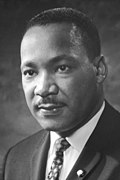
Primary documents are rich—but intimidating. Once a student is intimidated, they can’t learn.  Readers Theater helps teachers “translate” them into accessible language without losing meaning. For example, a student could learn about Martin Luther King through a Readers Theater script.  

A script can simplify:

  • Speeches

  • Letters

  • Newspaper accounts

  • Diaries

  • Oral histories

Additionally, if a teacher uses the Readers Theater script for a performance, such the Martin Luther King holiday, students begin to internalize content instead of just decoding it. I know that when my teachers used Readers Theater in our classes, I remembered the information much more easily.

Readers Theater: The Secret Tool for Social Studies


✅ 5. It Encourages Collaboration and Critical Thinking

Social studies is filled with cause and effect, motives, and outcomes. Readers Theater takes those ideas off the page and puts them into dialogue, letting students hear history instead of just reading about it.

After a script, students can discuss:

  • Who had power in the situation?

  • What choices did characters have? Li Chi The Serpent Slayer is a fantastic Chinese folk tale about a girl volunteering herself to save her village.

  • What might you have done differently?

  • What bias or point of view appears in the story?

Readers Theater: The Secret Tool for Social Studies

How Readers Theater Turns Passive Readers into Powerful Thinkers

Suddenly, they’re not just reading history—they’re interrogating it. When students interrogate information—asking questions, challenging assumptions, and discussing why events happened—they are no longer passive receivers of content. They become active thinkers. That shift builds confidence.

  • They learn that their ideas and questions matter.
    When students are encouraged to question the text, they begin to trust their own reasoning. Without a doubt, trusting one’s self is monumentally important.

  • They discover they can figure things out on their own.
    Instead of waiting for the teacher to supply answers, they explore possibilities and defend their thinking. For that reason, their sense of ownership becomes a heady experience.  One experience a students doesn’t easily forget!

  • They practice speaking up.
    Discussing motives, cause and effect, and different perspectives helps students find their voice and participate more boldly. Using Readers Theater as the vehicle for your teaching is a sly way to engage students. Personally, I think it is magical.

  • They realize there is not always one “right answer.”
    In social studies, interpretation is part of learning. When students see that they can contribute, analyze, and debate, their confidence grows. Additionally, as confidence grows, a teacher may discover that the most reluctant student feels comfortable speaking up.  Readers Theater is non-threatening.

Additionally, interrogating information isn’t just academic—it’s empowering. Readers Theater makes this even more accessible because students hear viewpoints aloud, react to them, and respond in real time. As a result, that experience helps them feel capable, engaged, and confident in the classroom. And…it’s effortless teaching, I promise you.


✅ Ideas for Using Readers Theater in Social Studies

  • Biographies (Harriet Tubman, Cesar Chavez, Sojourner Truth, Eleanor Roosevelt)

  • World cultures and holidays ( Día de (los) Muertos–Day of the Dead)

  • Indigenous stories and oral traditions (How the Bee Got Its Singer-a Cherokee Creation Myth)

  • Immigration experiences

  • Civil Rights Movement

  • World War II home front

  • Constitutional Convention debates

  • Historical folktales and legends ( The Fall of the Spider Man–a Canadian Folk Tale)

Short scripts can be used during:

  • Introduction to a Unit

  • Stations

  • Friday fun days

  • Sub plans

  • Intervention groups

  • Literacy centers

  • Class performance days


✅ Final Thoughts

I hope you’ll consider including Readers Theater scripts into your social studies curriculum. Social studies should never feel like a silent subject. It should be full of voices, stories, and perspectives.

Readers Theater does exactly that—bringing history to life in a way that is meaningful, accessible, and unforgettable.

How have you used Readers Theater in your social studies classroom?  I’d love to hear about it.  Feel free to email me at DhcBaldwin@gmail.com

   Have you heard the news?  We’re Live! Radio Theater #101 was awarded a 5 star review of excellence.  Get your copy here! We’re Live! Radio Theater #101

Share this:

  • Click to share on Tumblr (Opens in new window) Tumblr
  • More
  • Click to share on X (Opens in new window) X
  • Click to share on Facebook (Opens in new window) Facebook
  • Click to share on Pinterest (Opens in new window) Pinterest
  • Click to share on LinkedIn (Opens in new window) LinkedIn
  • Click to email a link to a friend (Opens in new window) Email
  • Click to share on Reddit (Opens in new window) Reddit
  • Click to share on Pocket (Opens in new window) Pocket
  • Click to share on Telegram (Opens in new window) Telegram
  • Click to share on WhatsApp (Opens in new window) WhatsApp

Like this:

Like Loading...

Filed Under: arts integration, drama education, drama integration, Education, Education, elementary, English Language Learners, excellence in teaching, gifted and talented, middle grades, multiculturalism, readers theater, reading skills, Teacherspayteachers, Teaching, teaching strategies Tagged With: elementary school, listening skills, Middle school, multiculturalism, readers theater, social studies, speaking skills

Five Winter Themed Drama Lessons You Should Try

December 21, 2022 By dhcbaldwin Leave a Comment

Evergreen branch with snowy rain drops close up.

The topic of five winter themed drama lessons you should try sounded like something I should blog about today. By the next time I blog, it will be 2024!  Wow, time has really flown this year. If you want something with a Christmas theme, check out: Drama Units Christmas Theme Bundle

I’m not a big fan of the whole new year’s celebration thing.  In my family, all we did was change the calendar to the next month. Exciting, huh?

However, I know teachers are always looking for thematic units to brighten up the winter months.  This post concerns new years and winter units using drama as the tool for discovery.

Five Winter Themed Drama Lessons You Should Try

A Story of Generosity

This is one of the only folk tales I’ve found to celebrate the new year. I like the story so much that I’ve created two short class plays of it!

This charming play, based on a Japanese folk tale Oji San and the Grateful Statues share the themes of New Year, multiculturalism, winter, kindness and forgiveness. Students strengthen their study of another culture, reading (fluency), speaking (diction) and listening skills (restating) while learning to work cooperatively. This is excellent and very suitable piece for a vocal music, social studies, reading, language arts or drama class.

Once upon a time, there was an older Japanese couple who make straw hats which they sell at the market every day.  It is a struggle for them to make ends meet, but they greet each day with gratitude and kindness to everyone.  On New Year’s eve the man goes to market and no one buys a hat. As he walks home, dejected and worried, beautiful snow begins to fall.  When he passes the stone statues which sit on the wall near his house, he notices that the snow is falling on their heads and decides to give the statues the unsold hats to protect them from winter’s harshness.

Ojisan and the Grateful Statues

Five Winter Themed Drama Lessons You Should Try

His wife doesn’t understand her husband’s actions, but forgives him.  In the night a knock at the door awakens the couple.  To their amazement, a large rice cake is sitting there, though they don’t know who left it.  Off in the distance, they see the statues slowly walking back to their place on the wall.  It’s such a sweet story.

Students will have an opportunity to dramatize a folk tale using many of the elements of drama, create straw hats, design snowflakes, sing an original song written in a pentatonic scale and use their imaginations to express emotion through movement.

Five Winter Themed Drama Lessons You Should Try

In all honesty, I’m all about arts integration–it’s my goal for every classroom to integrate drama into their learning to some degree.  Ojisan and the Grateful Statues is a perfect choice to use as an integration. Contact  your vocal music teacher and present the play together! Your students can sing and accompany the song with metallophones, xyllophones and percussion.

You can find Ojisan and the Grateful Statues here.

Five Winter Themed Drama Lessons You Should Try

Chinese New Year Celebration

Maybe you want something to celebrate the Chinese new year.  Although this story is not directly related, it is a super story to dramatize.  I have three lessons about–one is a readers theater, one is a play and one is an entire unit.

Li Chi The Serpent Slayer is based on an old Chinese folk tale about a young girl who lives with her family in a small village.  Every few years, a serpent terrorizes her village and drags off one of the young women for his dinner. Everyone is fearful. No one wants to fight the serpent, but Li Chi asks her parents if she can fight the serpent. Want to learn about some other multicultural plays? Check out: The Reasons Teaching Multiculturalism in the Classroom is Vitally Important

Li Chi the Serpent Slayer

Li Chi is a fierce young woman with a quick wit who is cunning and brave.  Her parents deny her this chance and forbid her to go. Even so, Li Chi slips out at night with her dog and climbs the mountain to the serpent’s cave.   This time instead of a girl dying at the feet of the serpent, Li Chi outsmarts it. Li Chi the Serpent Slayer is full of plot twists.   And it’s even more special because the main character is a female! With themes of bravery, love of family, love of community and several others The Little Girl and the Winter whirlwinds is one to beat!

You can find Li Chi the Serpent Slayer here:


Five Winter Themed Drama Lessons You Should Try

A Story of Courage

Here is another story, this time a Bulgarian folk tale which shares a delightfully, sweet story about a little girl who saves her village during the late months of winter. As with Ojisan, there are other version of this story as well. With roles for 25+ The Little Girl and the Winter Whirlwinds shares themes of winter, generosity and courage. Perfect choice for students studying the culture of Slavic countries and/or Europe in a social studies or a drama class. you can find it here:

The Little Girl and the Winter Whirlwinds

The story, a Bulgarian folk tale, of The Little Girl and the Winter Whirlwinds goes like this–A wicked Winter Witch decides to stop Spring from arriving on time and makes Winter the only season on Earth. She hides the Sun behind dark clouds and covers the Earth with heavy snow. One morning the people from a small mountain village awake and fing their houses buried under the snow up to the roofs.

The people decide that the best thing to do is to send someone to the highest mountain peak, where the good wizard Father Frost lived in his palace of ice and ask him for help. Surprisingly, the Little Girl volunteers to go because she has very little to hold her back.  She believes her warm heart and love for everyone will melt the snow and bring spring. She never considered all the obstacles that would she would meet along her way. Full of varied characters of sizes The Little Girl and the Winter Whirlwind is a lovely story.

Again, we’ve added music to this play and teachers seems to like this aspect.  Since this story ends as Spring arrives, it would be perfect for February or even March.

Since first blogging about this subject, I’ve created additional resources to celebrate winter in the classroom. 

The Great Santa Suit Snafu — A Winter Readers Theater Your Students Will Love

Looking for a lively winter activity that builds reading fluency and keeps your students engaged during the busiest time of year? The Great Santa Suit Snafu is a classroom-friendly Readers Theater script that brings humor, mystery, and teamwork together in one festive package. It includes twelve speaking roles with room for extras and sound effects crew.

The Story:  Only one day before Christmas Eve, the elves discover that Santa’s magical suit has shrunk! A frantic team of reindeer, elves, and Mrs. Claus tries everything—from sewing disasters to “unjingling” Jingle Bells—in an attempt to save Christmas. With witty characters, playful dialogue, and an upbeat ending, students will love performing this holiday comedy. (Even includes musical score to help you learn it!) I’ve even included the lyrics to Unjingling the Bells so you won’t have to work too hard to teach it!

Because Readers Theater requires no memorization, costumes, or special materials, it’s ideal for December lessons, substitute plans, or that energetic week before winter break. The script is written especially for upper elementary and middle school students, with clear character cues, accessible vocabulary, and plenty of comedic moments that make even hesitant readers want to participate.

Five Winter Themed Drama Lessons You Should Try

Sometimes, my husband and I get crazy ideas.  Rudolph the Rapping Reindeer is one of them.

The story:  Rudolph discovers a unique talent for rapping, bringing a fresh beat to the North Pole just before Christmas Eve. While Santa and the other reindeer are skeptical at first, Rudolph, with the help of the beatboxing elves Twinkle and Jingle, teaches the team to groove and find their rhythm.

Even Blitzen, who struggles to rap, taps out a steady beat with his hooves to keep everyone on track. The fun reaches its peak when Mrs. Claus surprises everyone by unleashing her own wild freestyle rap.

With teamwork and holiday cheer, Rudolph and the crew take flight, spreading joy and beats across the world in the most unforgettable sleigh ride yet.

This 10–12 minute holiday play is perfect for grades 4-6, with 12 speaking roles and room for a chorus.  It  combines humor, teamwork, and joyous fun with a unique musical twist!

Need a good laugh? 

Five Winter Themed Drama Lessons You Should Try

The February Doldrums

Want something fun for early February?  Get everyone out of the winter blahs with this fun musical. Best for high school students, Ground Hog Day is based on the film of the same name.  Laugh your way through the learning! You can find it here.

Ground Hog Day the musical is about Phil Connors, a cynical Pittsburgh TV weatherman, who is sent to cover the annual Groundhog Day event in the isolated small town of Punxsutawney, Pennsylvania, when he finds himself caught in a time loop, forced to repeat the same day again and again…and again. Note:  This musical because of language is more suitable for high school students. 

The music is great and the story line is funny. We’ve all thought about what it would be like to go back and do something differently, haven’t we? I know I have.

The unit includes everything a busy teacher would need in order to be successful:  themes of the musical, plot, synopsis, creative staff biographies, Broadway and musical trivia, student questions (with a teacher’s key) and several enrichment activities to secure the learning.

Five Winter Themed Drama Lessons You Should Try

Hello Spring!

One more unit that I think your students will find fun is Buddy and the Evergreen Trees.

Buddy is a little blue bird with a hurt wing. When winter comes, his selfish and thoughtless bird friends leave him behind. Consequently, Buddy is sad, very worried and hurt by their leaving. A group of evergreen trees hear him saying good bye to his supposed friends and decide they want to help him. They befriend Buddy and invite him to live in their tree limbs until winter passes. Buddy heals over the winter delighting in living in the snowy evergreen trees, his new friends. This story teaches the themes of winter, friendship, compassion and generosity. You can find it here. 
File:In the winter forest (5431146866).jpg

Hello Every Month!

Recently, I found this folk tale and thought it was would be a perfect readers theater unit.  Why? First, there are many speaking roles!  The story will remind you of Cinderella to some degree.  It has a parable that could lead to a class discussion topic.
The Twelve Months reader theater unit and  story concerns a young and beautiful girl (called Marushka in some variations) who is sent into the cold forest in the winter to perform impossible tasks by her evil stepmother. She must get spring violets, summer strawberries and fall apples in midwinter as presents to give her stepsister for her birthday. On her journey, she meets a group of magical people who are the personification of the twelve months of the year.
When she returns home with the strawberries, her step mother and sister don’t believe her.  Finally, the step sister becomes so engaged with anger, she decides that she will go up into the snowy mountains by herself.  Little did she know, her rudeness would come back to ruin her.
Five Winter Themed Drama Lessons You Should Try
As always, I hope your 2023 year begins with much promise, joy and lots of fun teaching moments.  Teaching and learning should be fun, I believe.  It’s my hope that if you pick up these units, I’ve helped you to do so.
Drama Readers Theater Scripts Folk Fantasy Fairy Tales Literature Toolkit
Save money!  Pick up this bundle here:  Drama Readers Theater Scripts
What units do you teach during the winter season?  Anything thematic?  I’d love to hear about it.  Contact me at DhcBaldwin@gmail.com with your ideas.
Click here:  We’re Live! Radio Theater #101
Happy New Year!
Five Winter Themed Drama Lessons You Should Try


Share this:

  • Click to share on Tumblr (Opens in new window) Tumblr
  • More
  • Click to share on X (Opens in new window) X
  • Click to share on Facebook (Opens in new window) Facebook
  • Click to share on Pinterest (Opens in new window) Pinterest
  • Click to share on LinkedIn (Opens in new window) LinkedIn
  • Click to email a link to a friend (Opens in new window) Email
  • Click to share on Reddit (Opens in new window) Reddit
  • Click to share on Pocket (Opens in new window) Pocket
  • Click to share on Telegram (Opens in new window) Telegram
  • Click to share on WhatsApp (Opens in new window) WhatsApp

Like this:

Like Loading...

Filed Under: arts education, arts integration, community theater, drama education, drama integration, Education, Education, elementary, excellence in teaching, middle grades, New Teacher, plays, Teacherspayteachers, Teaching, theater, youth theatre Tagged With: Bulgarian folk tale, gifted and talented, ground hog day, language arts, reading, social studies, the months of the year, upper elementary, winter

370 Million Indigenous People Want You to Know About Their Cultures

October 28, 2020 By dhcbaldwin 4 Comments

370 MILLION INDIGENOUS PEOPLE WANT YOU TO KNOW ABOUT THEIR CULTURE

370 Million Indigenous People Want You to Know About Their Cultures

Today I want to speak about 370 million Indigenous people want you to know about their cultures. That’s a heady number–370 million people.

370 Million Indigenous People Want You to Know About Their Cultures

“Navajo Rug” by teofilo

My Navajo Rug

When I was a child, I contracted pneumonia at the beginning of a vacation while we traveled in the southwest.  Instead of going home early, my parents bedded me down in the car to sleep at night to get out of the cold while they slept in a very primitive tent trailer. During that unusual vacation I learned how to swallow huge pills for the pneumonia.  Because of this adventure, I can still take lots of pills all at once because of that fateful vacation.

While we traveled on that trip, we stopped somewhere in New Mexico and purchased a Navajo rug.  Many years later, when my dad died, my mother gave it to me because they used it to keep me warm in the car during the pneumonia.  I will never forget that.

To this day, that Navajo rug lays in our cedar chest protected from the elements.  It occurred to me as I worked on this blog post that I have never learned much about the Navajo nation.  Why didn’t I learn about them when I was in school?

I’m a Trailer Blazer

I am a person who sees a problem and sets out to fix it in some way. Whenever I see the need, I set to it.  Generally, I started youth theater programs for community theaters.  I’ve also co-created a national playwriting contest for youth theater plays, developed an ESL drama club and a few programs. My friend said I’m a trail blazer–I create, get the program up and running and then I’m ready to move on.  Yup, that’s me! Want to learn about my ESL Drama Club:  go to Overcoming Fear and Anxiety When Speaking English As A Second Language

Four years ago, I opened a drama education store (Dramamommaspeaks at TeacherspayTeachers.com)  to provide drama education resources for grades three to twelve.  I teach differently, not staying with the tried and true, because there are many opinions about what a student should learn about theater arts. In general, my teacher’s lessons or units are supplemental.

370 Million Indigenous People Want You to Know About Their Cultures

370 Million Indigenous People Want You to Know About Their Cultures

Recently I saw the movie,  Hunt for the Wilder People.  If you have seen it yet, I strongly suggest that you do.  It’s marvelous in so many ways. As I watching this funny and bittersweet story about a Maori boy in New Zealand and his unique relationship to his foster father, I realized I knew very little about the Maori culture.

Who are Indigenous People?

I can’t be the only person who thinks this way.  Truth be told, as children we never studied various cultures in social studies.  I was a student in the 1960s.  I’m sure our current social studies education includes learning about other cultures, but I don’t know how much they are studied.

The world is a mess right now.  We have lost our sense of compassion for people who are different from ourselves.  Could I help? Maybe a teeny bit.

My research began by seeking information about indigenous people.  Looking for facts and details about indigenous people, I found the UnitedNations.org website.

How many people identify as indigenous?

“It is estimated that there are more than 370 million indigenous people spread across 70 countries worldwide.
Practicing unique traditions, they retain social, cultural, economic and political characteristics that are distinct
from those of the dominant societies in which they live. Spread across the world from the Arctic to the South
Pacific, they are the descendants – according to a common definition – of those who inhabited a country or a
geographical region at the time when people of different cultures or ethnic origin. ”

370 Million Indigenous People Want You to Know About Their Cultures

Should I call them Indigenous People? 

The UnitedNations.org post continues, “The term ‘indigenous’ has prevailed as a generic term for many years. In some countries, there may be preference for other terms including  first peoples/nations, aboriginals, ethnic groups, adivasi,
janajati. Occupational and geographical terms like hunter-gatherers, nomads, peasants, hill people, etc.,
also exist and for all practical purposes can be used interchangeably with “indigenous peoples”.

My masters in education focused on arts integration infused in core subjects.  Nothing makes me happier than to discover a way to integrate drama into a core subject classroom.

Because arts integration reaches and engages students, I am always on the hunt for learning opportunities using drama integration to support the core subjects.

370 Million Indigenous People Want You to Know About Their Cultures

370 Million Indigenous People Want You to Know About Their Cultures

Enter Indigenous People Units

I collect international folk tales to use in drama class or arts integration lessons.  To date, my plays and readers theater units concern about China, Mexico, Peru,  the Cherokee Indian, Italy, Pakistan, Germany, Romania, Alaska, Japan and a Jewish story.  I believe multiculturalism is very important.  See what I mean.  The Reasons Teaching Multiculturalism in the Classroom is Vitally Important If you are interested in any of these units below, please check them out in my Teacherspayteachers.com store, or my store at Payhip.com or my store at MadebyTeachers.


SEDNA UPDATED
MAGIC LAKE READERS THEATER COVER UPDATED
HOW THE HONEY BEE GOT ITS STINGER COVER YDP 1.9
LEGEND OF THE SUNFLOWER COVER YDP UPDATED 1.9
MAIDENS OF THE CORN COVER

370 Millions People

In light of the world and the racial conflicts which have come to the forefront, I’ve turned my attention people of different cultures–namely indigenous people and their legend and folk tales.  I hope social studies, language arts, reading and drama teachers will appreciate the lessons and use them in their classroom.  They are enjoying the above mentioned ones I’ve developed.

Here’s a video preview of Sedna, An Inuit Tale

Indigenous People Units

As of this writing, I have two lessons available.  I’m hoping in time to have around ten, but of course I can create as many as I can find to share.


The products include some of the following depending upon the resource:

  • Two warm ups–one physical and one imaginative, both boost energy
  • Original version of the Legend of Corn Maidens or Magic Lake–great for comparison and contrast
  • Teacher’s script–what I say and how I say it!
  • Advice in directing reader’s theater
  • Blocking plot for performance
  • Kachina Dolls or Machu Picchu Information
  • Vocabulary and pronunciation
  • Who are the Zuni or Inca people?
  • Eleven to Thirteen page scripts with roles for 20+
  • Original song reminiscent of the Zuni music
  • Sheet music (optional for performance)
  • Sound bytes of music
  • Enrichment activities–designing a costume, designing a set, study of other Native American creation myths or a drama exercise using tableaux

As you can see, there is plenty of material for a lesson or two.

I hope you’ll check out these lessons and the rest to come.  Honestly, I don’t know what will be next, but I know one thing–I’m going to help educate our students about indigenous people through dramatic arts. If you are interested in the reasons for using readers theater as a way to integrate drama into your classroom, go to  The Reasons Reader’s Theater is Successful with Our Students or  How to Excite Students With Drama Integration

What arts integration lessons are your favorite?  I’d love to hear.  Contact me at DhcBaldwin@gmail.com or DeborahBaldwin.net

370 Million Indigenous People Want You to Know About Their Cultures

Share this:

  • Click to share on Tumblr (Opens in new window) Tumblr
  • More
  • Click to share on X (Opens in new window) X
  • Click to share on Facebook (Opens in new window) Facebook
  • Click to share on Pinterest (Opens in new window) Pinterest
  • Click to share on LinkedIn (Opens in new window) LinkedIn
  • Click to email a link to a friend (Opens in new window) Email
  • Click to share on Reddit (Opens in new window) Reddit
  • Click to share on Pocket (Opens in new window) Pocket
  • Click to share on Telegram (Opens in new window) Telegram
  • Click to share on WhatsApp (Opens in new window) WhatsApp

Like this:

Like Loading...

Filed Under: acting, arts education, arts integration, creative dramatics, creative movement, DeborahBaldwin.net, Distance Learning, drama education, e-learning, Education, elementary, excellence in teaching, High School, middle grades, reading skills, storytelling, Teacherspayteachers, Teaching, teaching strategies, youth theatre Tagged With: aboriginal, ethnic groups, first people, hill people, indigenous people, native americans, nomads, social studies, tribes, Unitednations.org

How Do I Use Arts Integration in the Classroom?

September 23, 2020 By dhcbaldwin 3 Comments

How Do I Use Arts Integration in the Classroom?

When I was a little girl, I spent a lot of time playing out on the east porch of our huge old house. Usually, I pretended I was a princess.  I’d drape a towel over my head and promenade around the porch and make my castle under the ping pong table.

As you can tell, I am a naturally creative person.  Are you?  I bet so.  In fact, all of us are to some extent.  Although I have one friend who says she doesn’t have a creative bone in her body.  She thinks if you are creative it means you easily draw a life-like picture, can sing an aria, tap dance or sculpt with clay.

I feel badly for her when she says this, because she is very creative!  She is an excellent cook and has a beautiful decorated home.  However even with those talents, she doesn’t think she’s creative.

That’s a real pity in my book. Had she learned through arts integration when she was a student, I think she would see how creative she really is.

What is Arts Integration?

What is arts integration? Simply put according to Scholastic.com it is, “Arts integration is the use of the arts in core curriculum classrooms. When used well, arts integration is seamless — the interplay between the art and subject is fluid as one flows into the other.”

When I was a youngster, my favorite part of reading class was the projects we would do after reading the book.  I loved drawing a picture about the book.  Sometimes I didn’t even finish the book, I wanted to draw so badly.  Ha!

As I began researching the arts integration subject, one that is very dear to me, I wanted some research to back my thesis. My Masters in Education is in arts integration.  Integrating the arts in to a lesson comes naturally for me.

How Integrating Arts Into Other Subjects Makes Learning Come Alive | KQED

What skills does arts integration learning nurture in your class?

  • Test scores increase
  • Classroom engagement intensifies
  • Teacher effectiveness increase
  • 21st century life skills are developed
  • Students’ innate abilities are unleashed
  • Creativity permeates each subject

What else can arts integration do?

Engagement: Arts integration facilitates personal motivation to learn through problem
solving, and strengthens best practices in teaching as a result of increased student
investment.

Collaboration: Participation in arts integration practice promotes learning partnerships
that evolve through respectful relationships that value the strengths of each individual.

Pick up my FREE guide and ten page drama integration lesson here: FREE Drama Integration Guide

Agility: Learners are engaged in rigorous arts integration practice that teaches flexibility,
embraces change, and invites multiple perspectives.

Knowledge Construction: Arts integration is relevant to the learner as it promotes and
supports the use of critical thinking skills and inquiry.

Congruence: Effective arts integration practice upholds deliberate alignment between
academic content and the arts.

Check out Little Girl and the Winter Whirlwinds Readers Theater

Integrity: Mindful synthesis of arts and content learning promotes best practices in arts
integration, which hold true to the art form(s).

Insight: Best practices in arts integration embrace the symbiotic relationships between
ideas, content and the arts.

Skillful assessment: Mindfully designed authentic evaluation of content, process and
product in arts integration ensures that all levels of learning are synthesized, transferred
and applied through art to relevant and related academic concepts.

Resiliency: Arts integration learning experiences foster healthy risk-taking through personal growth, transformation, and empowerment.

Visionary Leadership: Confident leadership, demonstrated through collaboration, communication, and consistency, facilitates arts integration practice that is transformational to a learning community. It teaches growth mindset, too.  Check out this blog post about my thoughts on growth mindset: Growth Mindset in the Study of Famous Theater Artists

Arts Integration Ideas in the Core Subjects

“Okay” you say, “but how do I use it in my social studies classroom?”

If it’s drama you want to incorporate, a really easy way is to read a readers theater script of the subject you are teaching.  For instance, if you are teaching about Nigeria, you could incorporate a Nigerian folk tale.  Or if it’s the Civil War, create a radio play of a particular moment in the Civil War.  Talk about immersion!

Maybe it’s a math class and you want to integrate art into the lesson.   Maybe the students are challenged to create a multiplication problem in a design which also shows the answer, but unobtrusively.

Not many people think about this–when you approach the learning through the arts, students are relaxed and don’t feel the pressure of “I have to learn this right now and it has to be perfect.”  By applying arts into the learning, it gives students an opportunity to sort of live with the learning concept.  I promise, they will remember the concept much better if you apply the arts. Even the most challenged student will have success because the arts allow for differentiation so easily.

Arts Ingration Lesson

In my DramamommaSpeaks store, I many lessons and units which a teacher could incorporate into their arts integration collection.  Recently, I created a unit on the Zuni legend, The Maidens of the Corn. It was a fascinating experience.

This 47 page product includes:

  • Two warm ups–one physical and one imaginative, both boost energy
  • Original version of the Legend of Corn Maidens–great for comparison and contrast
  • Teacher’s script–what I say and how I say it!
  • Advice in directing reader’s theater
  • Blocking plot for performance
  • Kachina Dolls Information
  • Vocabulary
  • Who are the Zuni people?
  • Eleven page script with roles for 20+
  • Original song reminiscent of the Zuni music
  • Sheet music (optional for performance)
  • Sound bytes of music
  • Enrichment activities–designing a costume, designing a set, study of other Native American creation myths or a drama exercise using tableaux

This is a good example of arts integration in the social studies classroom.  In time, I plan to create more arts integration lessons for teachers, so do look for those.

Teaching humor?  This radio play will do the trick for you. It’s best with secondary level students.   Mark Twain’s The Invalid’s Story Radio Play

Do you have a suggestion of a lesson you’d like created?  I create lessons for teachers if they request them.  I really enjoy this, because I see immediate results as the teacher uses the lesson and I take any suggestions they may have or we work it together.  It’s awesome.

What arts integration have used in your classroom?  I’d love to hear.  Contact me at DhcBaldwin@gmail.com or DeborahBaldwin.net

Dramamommaspeaks Blog Author Deborah Baldwin


Share this:

  • Click to share on Tumblr (Opens in new window) Tumblr
  • More
  • Click to share on X (Opens in new window) X
  • Click to share on Facebook (Opens in new window) Facebook
  • Click to share on Pinterest (Opens in new window) Pinterest
  • Click to share on LinkedIn (Opens in new window) LinkedIn
  • Click to email a link to a friend (Opens in new window) Email
  • Click to share on Reddit (Opens in new window) Reddit
  • Click to share on Pocket (Opens in new window) Pocket
  • Click to share on Telegram (Opens in new window) Telegram
  • Click to share on WhatsApp (Opens in new window) WhatsApp

Like this:

Like Loading...

Filed Under: arts education, arts integration, creative dramatics, drama education, Education, Education, elementary, excellence in teaching, middle grades, Teacherspayteachers, theater, youth theatre Tagged With: language arts, math, reading, social studies

The Reasons to Teach Broadway Musicals to Your Students

May 24, 2020 By dhcbaldwin 4 Comments

The Reasons to Teach Broadway Musicals to Your Students

There is a phenomena I can’t quite explain.

It used to be people weren’t all that excited about musicals.

Well, some people weren’t. I always liked them.  In fact, I remember the first musical I attended.  I saw Pearl Bailey in Hello Dolly! on Broadway.  That was a really amazing production.  My parents took me to see George M. Cohan as well and all I remember (because I was 10) was the tap dancing and lots of it.

Those of us who are eat-sleep-breathe-drama-and music love all of them.  Although I have several favorites.

Learn about them here: The Reasons These Shows are My Favorite Broadway Musicals 

Movies Adapted From Broadway Musicals– All right!

The Reasons to Teach Broadway Musicals to Your Students

Broadway Musical Lessons

I began creating Broadway musical lessons about two years ago and to date I have over twenty lessons. They are very popular and I’m so glad I created them.

When I taught at a school in Colorado, our musical theater students chose a musical they wanted to share with the rest of the class. They’d share its synopsis, a song and a bit of trivia.

At the time, I thought it would be a super experience for students to learn about these over the course of the school year.  Maybe every Friday could be Broadway Musical Day? In that particular case, I only saw the students once a week (they were basically home schooled the rest of the week) so I couldn’t take the time for my idea.

However, I thought a drama or vocal music teacher might find these of use.

The Reasons to Teach Broadway Musicals to Your Students:

  1.  It is always very entertaining.
  2.  Musical theater is a fabulous blend of music and theater–you get a little of both and never too much of either.
  3.   The action in a musical moves along fairly quickly because it’s peppered with song and/or dance, hence it keeps everyone engaged.
  4.   It is an excellent example of cooperative learning and creative problem solving–it incorporates every other arts medium–dance, art, music and theater!
  5.   Songs allow for interpretation of moments that a monologue can not explain so easily.
  6.   An entire moment in a story can be demonstrated through a song and dance which is much more interesting than  merely using dialogue.
  7.   In a school environment, most school musicals involve more than just the drama department–the music department participates which includes band and orchestra students.   Talk about involving the school!
  8.   Musicals are an excellent way to teach about current or historical events–Hamilton, Ragtime, Les Mis, 1776, The Scottsboro Boys, Bloody Bloody Andrew Jackson, Parade, Come From Away to name a few.
  9. Musicals teach about social issues–Rent, Cabaret, Dear Evan Hansen, Fun Home, Newsies, South Pacific, The book of Mormon, Hairspray, West Side Story, Falsettos, Newsies, Next to Normal, etc. 
  10.  Plus, as my husband said, “They are just fun!”

At least once a month or two, I create a new Broadway musical lesson.  Here is what they include:

(Here is an example from Hairspray, the Broadway Musical and pair it with Costume Design with Hairspray Characters

Broadway Musical Lessons for You to Use Tomorrow!

The product includes:

  • Letter to Teacher
  • Two Warm Ups–Dance Tutorials from the Actual Production
  • Teacher’s Script–What I Say and How I Say it!
  • Photos of Hairspray
  • Synopsis of the Musical
  • Plot of the Musical
  • Short Biography about Marc Shaiman composer and choreographer Jerry Mitchell
  • Separate File of Photos for Teacher’s Use in Lecture
  • History about the Origination of the Production
  • AND a Mini-Lesson on What are the Tony Awards?
  • List of Tony Awards
  • New York City Map with Competing Theaters Labeled
  • Student Note Page for Hairspray
  • Teacher Note Page Key
  • Trivia about Broadway and Hairspray
  • Songs List
  • Pinterest Board Link Specifically about Hairspray
  • Extension Activities– SEVEN Terrific Suggestions of Ways to Secure the Learning and Enrich the Experience either Individual or Group
  • Two costume design templates for one of the extension activities
  • Sources & Links to Film Clips from the Show
  • And More!

Comprehensive? You bet.

How to Celebrate Hispanic and Latino Heritage Month in the Drama Classroom
Hadestown Broadway Musical unit cover

Did you know that Wicked is being made into a film with Cynthia Erivo and Ariana Grande?

How can I use these in my classroom?  It depends upon the musical lesson, but teachers have used them in elementary through high school grades in classes of drama, vocal music, language arts and American history.  These lessons can be as short as one day or up to three days in length depending upon what the teacher requires.

All of the musicals in the gallery are available in my store here: Dramamommaspeaks Products

Plus, they are great with substitutes!

I hope you consider teaching with a Broadway musical lesson in the near future.  Do check back often, because as I mentioned, I’m always adding another to the store.

Want some free stuff?  Check out my page FREE Stuff.

What do you like about musicals?  I’d love to hear from you.  Contact me at DhcBaldwin@gmail.com or DeborahBaldwin.net

Deborah Baldwin, author of Dramamommaspeaks


Share this:

  • Click to share on Tumblr (Opens in new window) Tumblr
  • More
  • Click to share on X (Opens in new window) X
  • Click to share on Facebook (Opens in new window) Facebook
  • Click to share on Pinterest (Opens in new window) Pinterest
  • Click to share on LinkedIn (Opens in new window) LinkedIn
  • Click to email a link to a friend (Opens in new window) Email
  • Click to share on Reddit (Opens in new window) Reddit
  • Click to share on Pocket (Opens in new window) Pocket
  • Click to share on Telegram (Opens in new window) Telegram
  • Click to share on WhatsApp (Opens in new window) WhatsApp

Like this:

Like Loading...

Filed Under: acting, arts education, Broadway, creative dramatics, Distance Learning, drama education, Education, excellence in teaching, Musical Theatre, performing arts, Teacherspayteachers, theater, Tony Awards, youth theatre Tagged With: Broadway musicals, elementary to high school, historical events, history, language arts, lessons about Broadway musicals, social issues, social studies, world issues

Acting Exercises Everyone Enjoys

December 13, 2018 By dhcbaldwin Leave a Comment

an acting exercise everyone enjoys
  •  
  • an acting exercise everyone enjoys


Here’s an acting exercise everyone enjoys no matter the grade or skill level.

TABLEAU!

What is tableau, you ask?

  • Tableau, a frozen stage picture like a living photograph, is one of the most useful and important components of theatre. Tableau became most popular in the late 19th and early 20th centuries.
  • The word is French in origin and means “living picture”. Generally, actors dress in costumes and pose in a static position. The actors do not speak or move throughout the duration of the tableau.
  • Tableau is an effective tool for a director. Humans are visual thinkers. Tableau is a real time snapshot of a moment in a play or musical. It helps the audience member remember the production as it enfolds.


Acting Exercises Everyone Enjoys

Why should I teach or learn about it?

  • Tableau is an easy theater component for students to study. Learners of all ages can perform tableau because it requires no speaking or extra ability other than simple movement.
  • Tableau requires no speaking or memorized lines. The actors merely demonstrate a moment in time.

I used to teach for a home school enrichment program in Longmont, Colorado.  I saw 200 different students in three days.  It was a crazy experience because I was extremely busy, but it was a good one too!

In one day I’d teach every grade level from second through twelfth.  One time I taught all of them about tableau.

That was an amazing experience. Just imagine….

  • the youngest were a bit timid, but enjoyed themselves
  • the upper elementary LOVED it–they are fearless at that age
  • middle school kids enjoyed it although they were a little hesitant
  • high school kids LOVED it as much as upper elementary–WHAT?
  • even parents enjoy it given half a chance!

After my students do the first exercise, it is time to switch it up.  We add a bit of dialogue, well one sentence for each character in the tableau to say at will.  Improvisation used in this manner is super.

 Acting Exercises Everyone Enjoys

Tableau shouldn’t be limited to drama class. 

It can be used in other classes such as a literature class.  The students present tableaux of several scenes in a story or book.

Or a Social Studies and/or history class uses tableau to remember significant moments in history.  (Think Washington crossing the Potomac–that sort of thing. The signing of the Paris Peace treaty to end WWII, etc. )

pexels-photo-710743
Photo by 周 康 on Pexels.com

How about in art class?  Students could view a particular painting and re-enact it through tableau. (Seurat’s Sunday in the Park with George is an excellent example.)

In a vocal music class, a choir to strike tableau demonstrating different moments in a musical piece.  It could be metaphorical or literal, that would depend upon the teacher and her needs.

Obviously, the uses are nearly endless. I’m sure you can see this is a super teaching method. 

Shoot, you could even use it in P.E. class to demonstrate certain moves in a game–what is allowed on the court, what isn’t, etc.

Wow, I’m on a roll, huh?

I have several tableau exercises on my Teacherspayteachers.com store.  Check them out here:

Tableau 

An Acting Exercise Everyone Enjoys

Holiday theme— Tableau Holiday Theme

Slide1

Thanksgiving theme—Tableau Thanksgiving Theme

Tableau Thanksgiving Cover

Halloween theme—Tableau Halloween Theme

Tableau Halloween Preview

Each product is a comprehensive lesson(s), about 55 minutes in length.

Product includes:

  • the reasons to teach tableau
  • the history of tableau
  • teacher’s script
  • a character list or activities of the particular theme
  • links to alternative activity for inspiration
  • sculpture example
  • evaluation and alternative activities

Here are a few reviews by some teachers who have purchased them:

“Awesome way to learn drama! Love this resource!”

“Such a useful and engaging resource! I love how it was so easy to implement and use. Thank you!”

These are time tested by an award winning veteran drama teacher of 38 years. 

I encourage you to teach tableau to your students.  You’ll be glad you did.

Contact me at dhcbaldwin@gmail.com or check out my website at DeborahBaldwin.net

Click here:  We’re Live! Radio Theater #101


Share this:

  • Click to share on Tumblr (Opens in new window) Tumblr
  • More
  • Click to share on X (Opens in new window) X
  • Click to share on Facebook (Opens in new window) Facebook
  • Click to share on Pinterest (Opens in new window) Pinterest
  • Click to share on LinkedIn (Opens in new window) LinkedIn
  • Click to email a link to a friend (Opens in new window) Email
  • Click to share on Reddit (Opens in new window) Reddit
  • Click to share on Pocket (Opens in new window) Pocket
  • Click to share on Telegram (Opens in new window) Telegram
  • Click to share on WhatsApp (Opens in new window) WhatsApp

Like this:

Like Loading...

Filed Under: acting, arts education, creative dramatics, creative movement, drama education, excellence in teaching, Teaching, teaching strategies Tagged With: art, arts integration, history, literature, social studies, vocal music

Next Page »

Footer

Follow Us

logo3.png

FOLLOW US

Facebook X-twitter Pinterest Instagram Envelope Rss

Goodreads: read

Malibu Rising
Malibu Rising
by Taylor Jenkins Reid
People We Meet on Vacation
by Emily Henry
The Last Thing He Told Me
by Laura Dave
Faking It
Faking It
by Cora Carmack
Losing It
Losing It
by Cora Carmack

goodreads.com
Copyright © 2024 · Wellness Pro on Genesis Framework · WordPress.com.Log in
 

Loading Comments...
 

    %d