• Skip to primary navigation
  • Skip to main content
  • Skip to footer

Join Me in my new Facebook Group! https://www.facebook.com/groups/417126059784261

Menu
  • Meet Deb – The Heart Behind DramaMommaSpeaks
    • Work with Me! 
    • Photo Gallery of DramaMommaSpeaks
    • Directorial Credits
  • I Give Book Talks! 
    • Book Talk Through Skype
    • Books
  • Freebies!
  • Bumbling Bea
  • Teaching Resume
  • Acting Resume
  • Contact Me
  • Blog
    • Drama Education
    • Arts Education
    • Youth Theatre
    • Middle Grades
    • Musical Theatre
    • Teaching
  • Meet Deb – The Heart Behind DramaMommaSpeaks
    • Work with Me! 
    • Photo Gallery of DramaMommaSpeaks
    • Directorial Credits
  • I Give Book Talks! 
    • Book Talk Through Skype
    • Books
  • Freebies!
  • Bumbling Bea
  • Teaching Resume
  • Acting Resume
  • Contact Me
  • Blog
    • Drama Education
    • Arts Education
    • Youth Theatre
    • Middle Grades
    • Musical Theatre
    • Teaching

Education

License Training Musicals: Why You Need to Know Them Now

July 24, 2024 By dhcbaldwin 1 Comment

License Training Musicals: Why You Need to Know Them Now

License Training Musicals: Why You Need to Know Them Now

As a respectful product adopter, I try new products early but carefully. I’m thrilled to share License Training Musicals: Why You Need to Know Them Now. You are going to want to know more about them, too!

I keep up an active Instagram account through my Dramamommaspeaks page.  Primarily, teachers follow me there but from time to time other groups join–play publishers, authors and youth theater companies.  Recently, a new company joined me.  Being the dutiful marketing person that I aspire to be, I checked them out.  Simply put, once you learn about this company it is going to rock your world!

License Training Musicals: Why You Need to Know Them Now

License Training Musicals: Why You Need to Know Them Now

License Training Musicals creates specially crafted scripts and resources designed to change the way actors are trained. They provide true equity in learning with equal lines of dialogue, singing solos, and dance opportunities.  In addition, these training musicals are a truly unique and fun way to approach musical theater training for school drama teachers, community theaters, students and adults alike!

Are you understanding this yet?  Here’s a scenario for you:  You are a harried high school theater teacher.  Additionally, you are half way through the school year and it is time to study musical theater.  You all ready know that your students are wild  about musical theater–they sing songs and quote lines from musicals every single day.  Having their engagement to the subject isn’t the problem.   The problem is everyone wants to be the lead!  That’s a wonderful problem to have, but how do you accomplish this?

Of course, you can double cast the show.  That’s one of my most favorite ways to give more students stage time. You can learn more about my double casting adventures at: Double Casting a Show? Here’s Advice. What do you do about the rest?  More importantly, how do you encourage a student who may have the ability but needs to build their confidence so they feel comfortable singing louder or carrying a show?  After searching exhaustively on the web, you discover a new company,  License Training Musicals or LTM.com.  You are ecstatic!   Finally, someone that has solved this problem.

License Training Musicals: Why You Need to Know Them Now

What Makes LTM special?

First, I appreciate their mission statement: “To revolutionize the way musical theater is taught, by eliminating inequity and empowering all students to train as leads on and off the stage!”  Inequity is a big challenge theater teachers address every time they cast a show.  Plus, inequity can ruin the cast’s  chemistry.

Secondly, License Training Musicals creates one act musicals for casts of 1 to 8.  Here’s the kicker–everyone has the same amount of lines and songs. What?! Yes, you read that correctly.

Thirdly, the music is just great!  It isn’t preachy or juvenile as I find so many other places.

Their show kits contain: 

  • Triple Threat Training Script .PDF
  • Lead Sheet Music .PDF
  • Demo Vocal Track .Wav
  • Piano Melody With Click Track For Rehearsal .Wav
  • Piano Melody With Instrumental For Rehearsal .Wav
  • Instrumental Performance Track .Wav

Fourth, and this is almost too good to be true–they really want to HELP your students.

  • Flexible for any cast type
  • Affordable for any budget
  • Includes ALL resources for rehearsals AND performances
  • Royalty Free FOREVER

If you’d like to learn more about License Training Musicals, watch this youtube video

License Training Musicals: Why You Need to Know Them Now

Let’s Meet the Owners

Pamela Atkinson is the executive director and founder of the company. Among other things, Pam has a Masters in Educ. , Bachelors in Education and a B.S in Business. In addition,  she is certified to teach theater.   Pam has been on stage as a dancer, actress in print and television, and professional singer in Hawaii, California, Washington State, New York, and in Utah. Along with that, ask her to show you, “Body Language” music video (sort of a joke).

Pamela’s Creativity

She directed choirs, and orchestras, owned a big city dance studio, as well as produced shows and musicals.  Pam created a public school dance program called A Step Ahead,  and directed collegiate and community dance companies. Also, she  danced/choreographed for the  NBA Sacramento Kings Fastbreak Dance team.  Currently, she is the tech theater teacher in the Nebo School district.

Through her 45 + years in the industry, License Training Musicals is the culmination of her effort to fulfill that mission. You can learn more about her here: LicenseTrainingMusicals

Katie D Higley

Katie Higley is the artistic director, music composer and curriculum creator of the company.  At six months old Katie’s mom discovered her humming Silent Night. By age three, she belted out gibberish at the top of her lungs while holding aloft a Readers Digest magazine on the pot!

Since then, she has blossomed into an accomplished “triple threat” performer having been in 22 musicals before graduating high school. Interestingly, she’s a multi-instrumentalist who made it to Hollywood Week as an American Idol contestant not once, but twice!

Katie’s Accomplishments

Katie loves teaching the gifts of music to hundreds of students for the last 16 years as a professional artist development coach. She’s a motivational TEDx speaker, custom songwriter, author of the well loved “Uke Hymnbook”, a screen composer at Primer Chord Production Music in Australia and a self published producer with her music placed worldwide!

As you might expect, Katie has a Bachelor’s Degree in Commercial Music from BYU, she’s certified in Music Technology from RCC with an Honorary Chaplain of Spiritual Music Credential from the WSHO. She serves as the Head Chair of Spanish Fork’s Got Talent Show at Spanish Fork City’s Fiesta Days.

License Training Musicals: Why You Need to Know Them Now

Jessica NS Blackhurst

Jessica NS Blackhurst’s self-proclaimed super power is her ability to find and create stories that remind our souls who we really are and the truth of what this life is all about.

As a youth Jessica coped with loss, financial hardship, and constantly moving for her father’s work by making the theater her home and diving deep into the sacred and uplifting power of storytelling. These passions set her on a course of leadership through storytelling.

Jessica’s Education

Jessica pursued education in every medium through which it is possible to enlighten and uplift with story. For example, she studied English literature, written novels.  She trained in stage acting and public speaking, competed in playwriting competitions.  Plus, Jessica studied the art of screenwriting and directing (receiving a bachelor’s in media arts from BYU).  Jessica has an experienced and proficient hand in songwriting with an emphasis on lyricism.  On a daily basis, she applies herself to mastering the particular crafts of a musical theater librettist and lyricist.

Jessica met Katie Higley at BYU in 2010.  They have a long history of writing amazing songs and inspiring musicals together many of which they now bring to you here!

Join their Beta Program Now

Are you excited about the possibilities here?  Here is where it gets really exciting–LTM is looking for partners who will take time to simply fill out a survey about the shows they finished. They would love feedback on the shows you think may need improvement. Hearing about your experiences helps us create the best possible musical theater resources for your classroom.

Furthermore, they  also hope you’ll let us know if there is anything else we can include to make these tools more useful for you and your students!

For more information about the Beta program go to: LTM Beta Program

As an early adopter, I can say without a doubt–you NEED to check out this company now.  You won’t regret it. Just think how much better your year will go knowing there is a company creating musical theater resources to better things for your students and you.

Are you all ready familiar with LTM?  I’d love to hear your thoughts about them.  Feel free to email me at DhcBaldwin@gmail.com

Looking for a unique tool to boost student engagement?  Check out my new book, now available as a PDF: We’re Live! Radio Theater #101

Woman behind DramaMommaSpeaks


Share this:

  • Share on Tumblr (Opens in new window) Tumblr
  • More
  • Share on X (Opens in new window) X
  • Share on Facebook (Opens in new window) Facebook
  • Share on Pinterest (Opens in new window) Pinterest
  • Share on LinkedIn (Opens in new window) LinkedIn
  • Email a link to a friend (Opens in new window) Email
  • Share on Reddit (Opens in new window) Reddit
  • Share on Telegram (Opens in new window) Telegram
  • Share on WhatsApp (Opens in new window) WhatsApp

Like this:

Like Loading...

Filed Under: Arts, arts education, community theater, community theatre, drama education, drama integration, Education, excellence in teaching, gifted and talented, music education, Musical Theatre, Producing plays and musicals, teaching strategies, theater, theatre Tagged With: effective teaching methods, high school musical theater, high school theater, high school vocal music, license training musicals, musical theater, teaching method, teaching tool

Five Tips for Writing an Engaging Book Review

July 11, 2024 By dhcbaldwin Leave a Comment

photo of hands holding a cell phone with 5 stars in front of that--concerning how to write a book review

How to Write an Engaging Book Review

Sometimes I select topic for the blog which I know very little about in hope that I can learn something new and share it here with you.  However, I know a lot about this particular subject.  I’ve written two books,  one a fiction--“Bumbling Bea” and a non-fiction, “We’re Live! Radio Theater #101.   If you think writing the book is challenging, just wait until you try to obtain reviews of the book! Today, I want to discuss five tips for writing an engaging book review.

Writing a fiction or non-fiction book review can be both enjoyable and rewarding. By sharing your thoughts and insights, you can help others decide whether the book is worth their time. If you’d like to know more about Bumbling Bea, check out: Surprising Bumbling Bea Reviews and a FREE Chapter

According to BrightLocal.com ,a website that tracks local searches, citations and monitors on-line reviews, the percentage of consumers ‘always’ or ‘regularly’ reading online reviews has held fast over the last three years (75% in 2024 against 76% in 2023).

Five Tips for Writing an Engaging Book Review

Five Tips for Writing an Engaging Book Review

Here are five essential tips to guide you through writing an effective and engaging book review.

1. Summarize the Content
When starting your review, it’s important to provide an overview of the book’s main topics and arguments. To begin with, explain the subject matter and the scope of the book without revealing too much detail. This summary should be short and give your readers a clear understanding of what the book is about and what they can expect to learn from it.

An example for my new book, “We’re Live! Radio Theater #101”   In “We’re Live!  Radio Theater #101” Deborah Baldwin explores her journey from being a frazzled teacher to an enthusiastic one by using a unique teaching tool–drama integration, in this case radio theater.   Through compelling stories, history and research, Baldwin delves into the subject with passion and an expansive knowledge of the subject.

2. Assess the Author’s Expertise
Next, the reviewer should evaluate the author’s qualifications and expertise on the topic. Mention any relevant background information or credentials that establish their authority and credibility. Additionally, this helps readers understand why the author is a reliable source of information.

Example: “We’re Live! Radio Theater #101, Baldwin brings a wealth of knowledge and first hand experience to this unique teaching tool.  Additionally, her extensive tips as as video clips to demonstrate the qualities of a good radio theater show production and lend significant credibility to the book’s insights.”

Is the Book Well Organized?

3. Analyze the Structure and Organization
It’s important for the reviewer to discuss how the book is organized. First, are there clear and logical sections? Does the structure enhance the reader’s understanding of the topic? Also, comment on the flow and readability of the text. A  well-organized book can significantly impact the reader’s experience.

Example: “The book is divided into eleven chapters from rationale of teaching with radio theater to a three-week unit for teachers to use to teach their own students about the subject. in addition, the book includes video clips, diagrams, checklists, a do-it-yourself live sound effects, etc.  Plus, she gives step by step directions on how to adapt a story into a radio play.   One of the most important items it includes is a video demonstrating the hand signals one uses when directing radio theater! This clear structure helps readers easily navigate through different aspects of habit formation and change, making complex concepts more digestible.”

Speak to the Author’s Experience

4. Evaluate the Research and Evidence
Examine the quality and depth of the research. Most importantly, are the arguments well-supported by evidence? Does the author cite reputable sources? Remember to consider the balance and fairness of the presentation of information.  This research is crucial for the credibility of non-fiction work.

Example: “Baldwin’s arguments support a wealth of research. She includes studies from experts in the drama integration and  leading experts. Furthermore, she meticulously cites her sources, providing a robust foundation for her claims.”

5.  Reflect on the Impact and Relevance
Finally, remember to share your personal thoughts on the book’s impact and relevance. Furthermore, how does it contribute to the field or topic? Is it thought-provoking, informative, or groundbreaking? Additionally, offer your personal perspective on the book’s strengths and any areas where it may fall short.

Example: “We’re Live! Radio Theater #101″  is not only informative but also incredibly practical. Baldwin’s insights into the importance of teacher’s scripts and warm up exercises are applicable to both the core class teacher and theater arts ones, too.   Not surprisingly, this book is a jam packed with information for the reader to consider and reflect upon. It even includes a reflection sheet at the end of each chapter.  In conclusion, it is a valuable read for anyone looking to understand and improve their teaching habits.”

Five Tips for Writing an Engaging Book Review

Just be Yourself

If all of these suggestions seems daunting, you can just write, “Great book!  I can’t wait to use it in my classroom.” Honestly, although these five suggestions are worthwhile, but it isn’t required that you go to such lengths if you are reviewing a book.  That’s up to you.

When I was researching this topic, I happened upon a site, Buildbookbuzz.com with a  terrific explanation of the reasons readers don’t review books:

  • The process is intimidating. They don’t know how or where to start, or what they should even share in a review.
  • They think writing a review will take too much time.

Now I have a PDF for book reviewers to use when they review my books.  Talk about helpful.

Five Tips for Writing an Engaging Book Review

Two Excellent Examples of Book Reviews

Below, I’ve quoted two strong reviews written about my new book.  I hope they help you!

Here is a recent review of “We’re Live! Radio Theater #101” by Douglas P. :

Great Tool for the Teacher Toolbox


“We’re Live! Radio Theatre 101” is a valuable tool that has now been added to my teacher toolkit. As a Theatre and English teacher, I now have the knowledge to incorporate Radio Theatre into my classes. Baldwin includes many resources in her work to assist with getting teachers started using radio theatre. Her passion for this art shines through in her stories and writing and provided the motivation I needed to start planning out a unit and production for my classroom. Baldwin also provides ideas on how to incorporate radio theatre across the curriculum and embrace AI technology with this historical art form. Truly, a great tool that you won’t regret taking a look at!
Here is another review of We’re Live! Radio Theater #101 this time by Tiffaney W.:
Engaging, Entertaining, Enlightening
I enjoyed learning about the history of radio theater. The author shares her own personal love affair with theater and then gives practical tips of preparing students for productions. I love the tongue twisters, games, and tips on sound effect creation. It’s like the author predicted my questions and prepared answers. The scripts and QR codes are valuable, and I appreciate the modern recommendation of using AI to develop scripts, too. Wow! What a detailed resource…I feel I’m radio-ready! Let the Action begin!

In conclusion, writing a book review involves more than just summarizing the content. By assessing the author’s expertise, analyzing the book’s structure, evaluating the research, and reflecting on its impact, you can provide a comprehensive and engaging review. Happy reading and reviewing!

Do you review a book?  Do  you worry about what to say?  I’d love to hear about it.  Email me at DhcBaldwin@gmail.com


Share this:

  • Share on Tumblr (Opens in new window) Tumblr
  • More
  • Share on X (Opens in new window) X
  • Share on Facebook (Opens in new window) Facebook
  • Share on Pinterest (Opens in new window) Pinterest
  • Share on LinkedIn (Opens in new window) LinkedIn
  • Email a link to a friend (Opens in new window) Email
  • Share on Reddit (Opens in new window) Reddit
  • Share on Telegram (Opens in new window) Telegram
  • Share on WhatsApp (Opens in new window) WhatsApp

Like this:

Like Loading...

Filed Under: arts integration, Book giveaway, Book Reviews, Bumbling Bea, drama education, drama integration, Education, Education, Teacherspayteachers, Teaching, teaching strategies, theater, theatre Tagged With: arts integration, book review, drama integration, radio theater in the classroom

Jimmy Awards: Honoring High School Musical Theatre Talent

June 26, 2024 By dhcbaldwin Leave a Comment

Jimmy Awards: Honoring High School Musical Theatre Talent

When I was a high school student I discovered my love for musical theater.   Several years later and a whole lot of training, I gained the confidence to audition for the musicals. While in college, I worked my way to portraying lead roles in college. However, there was no such thing as the Jimmy Awards.  I would have jumped at the chance to audition for this amazing award!  Today, my blog post is, Jimmy Awards: Celebrating High School Musical Theatre Talent.

If you’re a fan of musical theatre, you might already know about the Tony Awards. However, like me you may have never heard of the Jimmy Awards. It is officially known as the National High School Musical Theatre Awards (NHSMTA).  The Jimmy Awards shine a spotlight on the best and brightest high school musical theatre talent in the United States.

Named in honor of Broadway impresario James M. Nederlander, this annual event is a testament to the dedication, passion, and talent of young performers across the country. Check out this blog post if you are interested in the history of musical theater: Showtime Chronicles: History of Musical Theater Unveiled.

Jimmy Awards: Honoring High School Musical Theatre Talent

Honoring High School Musical Theatre Talent

Although I’d heard of Mr. Nederlander, I didn’t actually know why he was important., often referred to as Jimmy Nederlander, was a prominent American theatre owner and producer. Born on March 31, 1922, and passing away on July 25, 2016, Nederlander was a key figure in the Broadway community. Serving as the head of the Nederlander Organization, he was one of the most influential theatre operators and producers in the world. He is credited with overseeing a vast network of theatres, including nine Broadway venues. Wow!

Under his leadership, the Nederlander Organization produced numerous successful Broadway shows, including hits like Rent, Wicked, and The Lion King. His contributions to the theatre industry were immense, and he played a significant role in shaping modern Broadway.

Jimmy Awards: Honoring High School Musical Theatre Talent

The History of the Jimmy Awards

The Jimmy Awards were established in 2009 to recognize and celebrate outstanding achievement in high school musical theatre. Students from regional theatre awards programs participate in a week-long intensive in New York City, where they receive training from industry professionals and compete for scholarships and awards. The experience culminates in a dazzling showcase at a Broadway theatre, where the top performers are selected as finalists and given the chance to perform solos and group numbers. Two main awards are given each year, Best Performance by an Actress and Best Performance by an Actor.

Jimmy Awards: Honoring High School Musical Theatre Talent

The Journey to the Jimmy Awards

To make it to the Jimmy Awards, students must first excel in their local or regional theatre competitions. These regional awards programs, known as “Theatre Awards,” exist in various cities and states across the country. Winners of these regional programs then advance to the national level—the Jimmy Awards. The program impacts over 140,000 students annually who participate in high school musical theatre competitions sponsored by over forty professional theatres throughout the US. Amazing! 

The Jimmy Award nominees travel to New York City for a week in June.  I’m certain that  the opportunity to travel to NYC is exciting enough for the young people.  The week culminates with a live show in which the winners are determined. During the week, the nominees rehearse their performances for the award show and receive coaching from industry professionals.

The Jimmy Awards Show

The show begins with an opening number (typically a “mega-mix of contemporary Broadway hits”) involving all nominees, followed by a series of “showcase medleys”, in which several nominees appear in costume in the role they performed in their high school’s musical, each in turn singing a short solo, while the remaining performers act as backup singers and dancers. These medleys have gained a cult following, with fans appreciating the crossover between disparate popular musicals.Since 2016, due to an increasing number of nominees and time limitations, only a portion of nominees have participated in showcase medleys, with the remainder instead performing in a group number. 

Judging at the Jimmy Awards

During an intermission, a panel of experts selects about eight finalists. During the show’s second half, the finalists each perform a solo, and the winners are announced. All finalists also receive a $3,000 scholarship toward their future education. In addition to the main awards of Best Performance by an Actress and Best Performance by an Actor, other awards are given out with smaller prizes. In 2023, awards were given for Best Dancer, Rising Star, Best Performance in an Ensemble, and Spirit of the Jimmys.  Additionally, each  of these aforementioned awards include a $2,000 scholarship. 

The week-long program  is rigorous and transformative. Participants attend masterclasses, workshops, and rehearsals led by Broadway professionals. Also, they have the opportunity to meet and learn from peers who share their passion for theatre. As you would expect, they become part of a  a supportive and inspiring community. If you’d like to teach your students about the Tony awards, check out: Drama Class Tony Awards Study and Game 

Eva Noblezda
Eva Noblezda, winner of Jimmy Awards, 2019

The Impact of the Jimmys

The Jimmy Awards make a profound impact on the lives of young performers. Many past participants go on to successful careers in theatre, film, and television. Notable alumni include Eva Noblezada, who starred in Miss Saigon and Hadestown on Broadway, and Andrew Barth Feldman, playing the title role in Dear Evan Hansen.

The exposure and training provided by the Jimmys can open doors to prestigious performing arts colleges and professional opportunities. In addition to the invaluable experience, students also compete for significant scholarships, helping to ease the financial burden of pursuing a career in the arts. If you are looking for an excellent theatre program in a small college, check out my Alma Mater, Stephens College.  

Why the Jimmys Matter

Perhaps this is the best reason for the Jimmy Awards.  They not only recognize and reward talent but also highlight the importance of arts education in schools. With school systems making cuts to the arts almost on a daily basis, this award is hugely important.  Musical theatre programs provide students with a creative outlet.  Additionally, they  teach valuable life skills, and foster a sense of community. The Jimmy awards celebrate the hard work of students, teachers, and schools, encouraging the continued support and development of arts programs nationwide.

Dramamommaspeaks

How to Support the Jimmy Awards

There are several ways to support the Jimmy Awards and the young performers they celebrate. As simple as it sounds, please attend local high school musical productions.  Or you can donate to arts education programs. Or help spread the word about the importance of the arts in schools. Additionally, watching the Jimmy Awards ceremony you can help raise awareness and appreciation for these talented young artists. There are plenty of theater teachers desperate for funds.  

In conclusion, as you can see here, the Jimmy Awards are more than just a competition. They are a celebration of the future of musical theatre. The Jimmy awards play a crucial role in ensuring that the magic of Broadway continues to thrive for generations to come.

This year’s Master of Ceremonies for the evening was Josh Groban, star of the recent revival of Sweeney Todd: the Demon Barber of Fleet Street. Talk about a talent!  If you are interested in teaching your students about Josh Groban, pick up this Dramamommaspeaks resource: Josh Groban Biography Lesson and One Pager Assignment.

Are you and your students familiar with The Jimmy Awards?  I’d love to hear about it. Email me at DhcBaldwin@gmail.com


Share this:

  • Share on Tumblr (Opens in new window) Tumblr
  • More
  • Share on X (Opens in new window) X
  • Share on Facebook (Opens in new window) Facebook
  • Share on Pinterest (Opens in new window) Pinterest
  • Share on LinkedIn (Opens in new window) LinkedIn
  • Email a link to a friend (Opens in new window) Email
  • Share on Reddit (Opens in new window) Reddit
  • Share on Telegram (Opens in new window) Telegram
  • Share on WhatsApp (Opens in new window) WhatsApp

Like this:

Like Loading...

Filed Under: acting, Arts, arts education, Broadway, drama education, Education, Education, High School, music education, Musical Theatre, performing arts, Teacherspayteachers, Tony Awards, youth theatre Tagged With: Broadway, Eva Noblezda, James M. Nederlander, Jimmy Awards, Josh Groban

Superhero Drama: Captivating Classroom Techniques

June 12, 2024 By dhcbaldwin Leave a Comment

 Superhero Drama: Captivating Classroom Techniques

If you are a new drama teacher for middle school, you may find that although the students are excited they have no idea what to expect.  Additionally,  they may be reluctant to participate or even disinterested (how could anyone be disinterested in theater?) because your class could be a pre-elective and everyone takes it.  Or maybe the school counselor plopped them in your class so they get their arts credit completed. I can help you! This post concerns superhero drama: captivating classroom techniques.

This happened to me. Many years ago, when I discovered I had students that fit this aforementioned description, I completely reorganized my lesson plans.  Instead of the traditional lesson you might teach beginners (intro. to theater, breathing exercises, monologues and duets) I  taught with non-threatening and more group exercises. One thing that always worked with them was superheroes.

Superhero Drama: Captivating Classroom Techniques

 Superhero Drama: Captivating Classroom Techniques

Superheroes have always fascinated audiences, capturing the imagination of both young and old. Their tales of courage, conflict, and victory make them perfect tools for engaging students in the drama classroom. Simply put, super heroes are a safe subject with them. Using superhero themes can spark students’ creativity.  In addition it can make learning more relatable, and deepen their understanding of dramatic arts. Here’s how you can leverage superheroes to create an engaging drama classroom experience.

The Magnetic Appeal of Superheroes

Superheroes embody themes like good versus evil, identity, and transformation and everyone understands those themes.  Additionally, they  are rich in dramatic potential. By incorporating these familiar and exciting characters into drama lessons, you can immediately capture students’ attention and make learning more engaging.

 Superhero Drama: Captivating Classroom Techniques

Super Hero Lesson Number One

Start by analyzing popular superheroes. Discuss their backstories, motivations, strengths, and weaknesses. This familiar territory makes character analysis more accessible and exciting for students.  Plus, it  helps them understand the nuances of character development.

The first lesson I teach them is Storytelling with Postcards Super Hero Themed. Students are placed in small groups.  Their challenge is to select five postcard cards at random from a box or hat.  The group creates a story about a super hero integrating the postcards images, words, or themes into the story.  But, the story must be about you as the super hero. Talk about fun! Students enjoy telling the story together–see?  No performing alone.  For more information, check out the lesson here.

Lesson Plan Number Two: Costume Design and Stagecraft

 Superhero Drama: Captivating Classroom Techniques

Designing sets and costumes for superhero-themed performances can enhance the visual appeal of drama and teach students about stagecraft. This hands-on approach can make the learning experience more engaging and memorable. Encouraging students to create their own superheroes taps into their creativity.  It allows them to apply their understanding of character development in a very relaxed manner.  This activity not only engages students but also helps them develop their storytelling abilities. Plus, students can study costume design at the same time. Check out this resource here.

 Superhero Drama: Captivating Classroom Techniques

Lesson Number Three:  Playwriting and the Monologue

Superhero stories are rich with conflict and moral dilemmas, perfect for exploring plot development and thematic elements in drama. Discussing these common superhero conflicts can make complex dramatic concepts more accessible and engaging. Another lesson which they enjoy is writing a monologue as themselves as the super hero. You might think this would be too difficult for your students, but if you give them a framework they will be successful.  Check out this resource here.

 Superhero Drama: Captivating Classroom Techniques

 Lesson Number Four: Encouraging Movement and Tableaux

Superhero scenarios are perfect for practicing movement and tableaux–two crucial components in drama. Tableaux is an easy concept for everyone to understand.  There are many ways to demonstrate it through the use of super heroes–maybe a group shows the moment Super Man protects someone from a monster?  Or Wonder Woman holds back the ocean so that a group of boaters aren’t drowned by it?

Students are familiar with super heroes jumps, falls, lunges and spins.  By studying movement using the super hero theme, students yet again feel comfortable moving around the room as they learn various elements of movement.  These scenarios often involve unexpected situations, requiring quick thinking and adaptability, which keeps students on their toes. Using those lessons to lead into studying tableau, makes for effortless studying of tableaux. Check out this lesson here.

 Superhero Drama: Captivating Classroom Techniques

Lesson Number Five:  Improvisation

Superhero scenarios are perfect for practicing improvisation, a crucial skill in drama. These scenarios often involve unexpected situations and require quick thinking and adaptability, By doing so, this keeps students on their toes. My favorite way to teach improvisation to novices is through a few warm up exercises.   This exercise is titled “My Three Headed Monster” but it would be just as fun if the monster became a three headed super hero.  Pick it up here (page one) and  here (page two) Again, I have found this is always a successful teaching experience because students sit together on the stage. Although they are speaking spontaneously they must work out answers together.  

Reflective Learning

Make sure that after each activity you  encourage students to reflect on their performances.  Process is everything! Discussing what they learned and how they felt embodying their superheroes can deepen their understanding and appreciation of drama. Grab this bundle which can last over five days Super  here.

‘ Superhero Drama: Captivating Classroom Techniques

Super Hero Quotes as Writing Prompts: Lesson Number Six

Using quotes spoken by super heroes for writing prompts is useful in this situation, too. Here are a few I like:

  • “With Great Power, Comes Great Responsibility.” Uncle Ben in Spider Man
  • “Heroes are made by the path they choose, not the powers they are graced with.” Iron Man
  • “You are much stronger than you think you are. Trust me.” Super Man
  • “You don’t need to be a super hero.  You just need to be better than you were yesterday.”
  •  “A true hero isn’t measured by the size of her strength, but by the strength of her heart.” Wonder Woman
  • “The woman who follows the crowd will grow no further than the crowd. The woman who walks alone is likely to find herself in places no one has ever been before.” Super Woman

Using superhero themes in the drama classroom can transform lessons into engaging, imaginative experiences. It is easy to connect dramatic principles to beloved characters. You can make learning more exciting and relatable for students. So, be courageous!  Embrace your inner hero and lead your students on an epic journey through the world of drama, where creativity and engagement soar.

Have you ever taught using a super hero theme to teach concepts? I’d love to hear about it.  Just email me at DhcBaldwin@gmail.com

Woman behind DramaMommaSpeaks

Share this:

  • Share on Tumblr (Opens in new window) Tumblr
  • More
  • Share on X (Opens in new window) X
  • Share on Facebook (Opens in new window) Facebook
  • Share on Pinterest (Opens in new window) Pinterest
  • Share on LinkedIn (Opens in new window) LinkedIn
  • Email a link to a friend (Opens in new window) Email
  • Share on Reddit (Opens in new window) Reddit
  • Share on Telegram (Opens in new window) Telegram
  • Share on WhatsApp (Opens in new window) WhatsApp

Like this:

Like Loading...

Filed Under: acting, arts education, Back to School, creative dramatics, creative movement, drama education, drama integration, Education, elementary, set design, storytelling, Teacherspayteachers, Teaching, teaching strategies, theatre, youth theatre Tagged With: costume design, drama compoents, improvisation, movement, set design, Spider Man, storytelling, super hero, super heroes, super heroes lesson plan, super man, tableau, Wonder Woman

The Resonance of Stereophonic: A Tony Award Nominee

May 28, 2024 By dhcbaldwin Leave a Comment

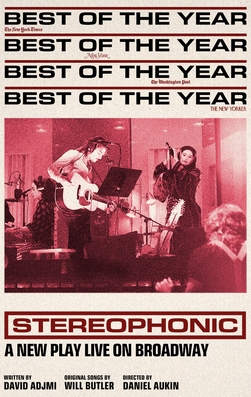
Blog post concerning Stereophonic, a new Broadway musical

The Resonance of Stereophonic: A Tony Award Nominee

Humans like to reminisce. Currently, the 1970s are popular. Did you know the 1970s fashion is a throw back in 2024? Clothes such as bell bottoms, flowy dresses.  In fact, even the furniture and housewares remind me of the 1970s.  How fortuitous for a new musical, Stereophonic, set in the 1970s to have opened on Broadway recently. Let’s discuss the resonance of Stereophonic: a Tony Award Nominee.

Stereophonic falls into the genre of a play with music.  Although they are considered musicals, they are different from most musicals.  However, they are just as important as others. First, let’s dive into what makes Stereophonic a standout production and why it has garnered such prestigious recognition.

The Resonance of Stereophonic: A Tony Award Nominee

This is my good friend and R and B player @kelleyhuntmusic, circa 1979.

I am part of the Baby Boomer echo generation. The term “Baby Boomer echo” refers to the demographic phenomenon that followed the post-World War II baby boom generation. Baby boomers are those born roughly between 1946 and 1964, a period characterized by a significant increase in birth rates. 

My generation saw many changes in our society which were reflected in the music of the times as well.  Groups such as Fleetwood Mac, Journey and America were extremely popular bands of the times. The 1970s saw hard rock get harder, soft rock get softer, and artists frustrated with standard musical forms tossing them aside and starting their own styles.  This phenomena is part of the mystique of a new play with music, Stereophonic.

The Resonance of Stereophonic, a Play with Music

Stereophonic stands out with its unique blend of music, storytelling, and innovation. Set in the 1970s,  Stereophonic has captivated audiences and critics alike. It has all ready earned its place among the most celebrated theatrical works of the season.

The Resonance of Stereophonic: A Tony Award Nominee

Stereophonic, a Symphony of Sound and Story

At its core, Stereophonic is a celebration of music and its profound impact on our lives. What makes Stereophonic different from other musicals is the way the play ingeniously intertwines an evocative narrative with a rich, immersive soundscape.  This intertwining creates an experience that is both sensory and emotional. The story follows a group of characters whose lives are intricately connected through music, exploring themes of love, loss, and the search for identity.

Stereophonic is the inside story of a Fleetwood Mac-style band Stereophonic, which tracks the volatile creation of a rock and roll album over the course of a year in the 1970s. The title, Stereophonic, itself hints at the dual nature of the story – one that resonates on multiple levels. The use of stereophonic sound technology within the production adds a unique layer of depth.  The score makes the audience feel as though they are part of the musical journey. This innovative use of sound design is one of the reasons Stereophonic stands out in a season filled with remarkable productions.


The Resonance of Stereophonic: A Tony Award Nominee

Stellar Cast and Direction

As you might expect, a production is only as strong as its cast and crew.  Stereophonic boasts some of the finest talents in the industry. The ensemble cast delivers powerful performances that bring the intricate characters to life. Each actor’s ability to convey the emotional depth and complexity of their role adds to the overall impact of the story.

The direction of Stereophonic is masterful, seamlessly blending the elements of music and narrative. I viewed a video clip of the production which was on Jimmy Farrell’s Late Night Show.  It’s fascinating, because although we know they are acting it feels like you are sitting in on a band’s recording session. The cast appears unaware of the audience–that’s so intriguing. The director, Daniel Aukin’s vision to create an immersive experience has paid off, with audiences often describing the play as a visceral and transformative journey. The meticulous attention to detail in both the staging, a recording studio, and the sound design is evident.

230px

Critical Acclaim and Audience Reception

Stereophonic mines the agony and the ecstasy of creation as it zooms in on a music studio in 1976. Here, an up-and-coming rock band recording a new album finds itself suddenly on the cusp of superstardom. The ensuing pressures could spark their breakup — or their breakthrough. As someone who lived during the 1970s when the production is placed, I hear my high school days in their music!

Not surprisingly, Stereophonic has received rave reviews from critics, who have praised its innovative approach and emotional depth. Many have noted the seamless integration of the musical and narrative elements.  The production pushes the boundaries of traditional theater. The critical acclaim is matched by audience reactions. Reports from media say that many theatergoers describing the show as an unforgettable experience. And the show hasn’t even been featured on the Tony awards yet!

The production’s nomination for multiple Tony Awards is a testament to its excellence. Categories include Best Play, Best Direction, Best Sound Design, and several acting nominations, reflecting the all-around strength of the show. Winning a Tony is one of the highest honors in the theater world, and Stereophonic’s multiple nominations underscore its impact and quality.

undefined

The Musical Play Genre: Other Noteworthy Examples

You may not have realized that Stereophonic is part of a rich tradition of plays that incorporate music to enhance storytelling.

Here are some other notable examples:

  • Fela! – This vibrant musical play tells the story of Fela Kuti, the Nigerian musician and political activist. Known for its dynamic choreography and powerful music, Fela! immerses the audience in the world of Afrobeat and Kuti’s fight against oppression.
  • Once – Based on the Academy Award-winning film, Once is a poignant love story set in Dublin. The play features actors who double as musicians, playing instruments live on stage, creating an intimate and immersive experience that highlights the power of music in bringing people together.
  • The Band’s Visit – This Tony Award-winning musical tells the story of an Egyptian police band stranded in a small Israeli town. Through its hauntingly beautiful score and heartfelt narrative, The Band’s Visit explores themes of connection and the universality of human experience.
  • Passing Strange – A semi-autobiographical musical by Stew, Passing Strange follows a young African American’s journey to find “the real” through music and art. The play is noted for its rock concert-like atmosphere and its exploration of identity and self-discovery.
  • Spring Awakening – This rock musical adaptation of Frank Wedekind’s 1891 play tackles the struggles of adolescence and sexual awakening. The integration of modern rock music with a period setting creates a powerful and resonant experience for contemporary audiences.

Plays with Music for Students to Perform

If you are looking for a play with music for your students to perform.  I suggest checking out:

  • Bridge to Terabithia–-This powerful adaptation, supported by a lyrical score, focuses the humor, warmth and emotional intensity of Katherine Paterson’s Newbery Award winning novel. Jesse, alienated from the pragmatism of his family and rural Virginia culture, draws and dreams of becoming something special. Leslie, the new girl from the city and the ultimate outsider, opens a world of imagination, art and literature for him. Together they create Terabithia, a fantasy kingdom where they are safe from those who don’t understand them. Their friendship grows as Jesse’s world expands.

Looking for a lesson concerning the Tony awards?  Go here.

 The Future of Theatrical Innovation

I had never heard Stereophonic ‘s music until recently when I was listening to the Sirius station, Broadway.  Wow!  Whenever a theatrical production is unique, it paves the way for others to do the same.  It sort of whets a potential audience’s appetite,  demonstrating how traditional storytelling can be enhanced through modern technology and creative sound design. As audiences continue to seek out new and immersive experiences, productions like Stereophonic encourage others to follow.

As I mentioned previously, the 1970s are all the rage again.  It’s fun for me to reminisce about that important time in my life.  If for no other reason, I’d like to see Stereophonic and watch it winds its way through my memories.   As we await the results of the Tony Awards, one thing is clear: Stereophonic has made an indelible mark on the world of theater, and its influence will be felt for years to come.

Were you a student in the 1970s?  If not, do you enjoy listening to 70s music?  I’d love to hear from you.  Just email me at DhcBaldwin@gmail.com

The Transformative Power When Students Apply Stage Makeup
Graduation photo, 1974

Dramamommaspeaks** is dedicated to exploring the vibrant world of theater, offering insights and reviews on the latest productions, trends, and industry news. Stay tuned for more updates and in-depth analyses of your favorite shows and emerging talents.

Share this:

  • Share on Tumblr (Opens in new window) Tumblr
  • More
  • Share on X (Opens in new window) X
  • Share on Facebook (Opens in new window) Facebook
  • Share on Pinterest (Opens in new window) Pinterest
  • Share on LinkedIn (Opens in new window) LinkedIn
  • Email a link to a friend (Opens in new window) Email
  • Share on Reddit (Opens in new window) Reddit
  • Share on Telegram (Opens in new window) Telegram
  • Share on WhatsApp (Opens in new window) WhatsApp

Like this:

Like Loading...

Filed Under: arts education, Broadway, drama education, Education, Education, music education, Musical Theatre, plays, Teacherspayteachers, theater, theatre, Tony Awards Tagged With: 1970s, baby boomer echo, broadway musical, musical theater, plays with music, theater, tony award

The Art of Teaching: Why Following a Script Matters

April 4, 2024 By dhcbaldwin 3 Comments

A miniature teacher standing on huge stack of books with her arms crossed.

Today, I want to blog about the art of teaching: why following a script matters. Do you struggle with what to say to your students as you teach them? This isn’t an uncommon issue for most us, especially with our very first class.

When I began teaching, I was petrified. I was employed in a junior high school in the early 1980s (probably before most of you were even born.) I had never student taught the subject of English. My student teaching was in drama, my major. Truthfully, I only minored in education and psychology because I needed a minor. Plus, my father wanted for me to have something to “fall back upon” if I wasn’t successful as an actress. Once I was out of school and on my own, I quickly realized I wanted a roof over my head and food on the table every month.  Finding acting gigs was too uncertain  for my personality.

The Art of Teaching: Why Following a Script Matters

The Art of Teaching: Why Following a Script Matters

Teaching seemed the most practical thing to do.  However, if you’d like to see my acting resume, go here: Acting Resume But I was a good teacher–I came from teachers on both sides of my parents. It comes naturally for me.

As I previously mentioned,  I was a nervous wreck when I began teaching.   Not only was I anxious about teaching English, but worried about my success at doing so. I worried a lot about what I was going to say to begin a lesson.  Even though I had a knack at creating lesson plans, the first few moments of class when I engaged the students seemed the most crucial to me. If you’d like a lesson plan, check out: Why is it Important to Create a Lesson Plan?

My second year of teaching

Recently, one of my email followers wrote to me saying, “Hi Deb.  Thank you for all of your great suggestions and tips.  My problem is I just don’t know what to say to get us started. Any suggestions?” Certainly.

Once you practice this pattern, you will be able to begin any lesson with confidence and ease. Here are a few things to consider.

The Art of Teaching: Why Following a Script Matters

  1.  How long do you want this introduction, or hook to last?  5 minutes? 10 minutes? Make that decision first.
  2. Ask the students a question (You can also use a quote, or a visual aid)
  3.  Respond to answers that the students give you.  Use their words to discuss your question.  For instance, “Susan said that she thinks theater began 2,000 years ago.  What do you think?”
  4. To keep all the students’ attention, do not address the next question to any certain student. By doing so, the other students will stop listening because in their minds you weren’t asking them.
  5.  From there, you transition into a warm up exercise that supplements the day’s learning.

The Art of Teaching: Why Following a Script Matters

Five Questions to Ask Students When Teaching

According to a wonderful site I discovered, Peopleleaders.com  here are the 5 questions recommended you ask your students (in their case, they are team members) I’ve adapted it for the classroom:

  1. What do you think? Not rocket science is it? This question is best asked after a statement or observation as it allows you to find out very quickly what your students thinking process and focus is. Encouraging your students to voice their opinion in an environment of curiosity and support is a powerful tool of engagement. Once unlocked, will lead to a culture of learning, trust and right action.
  2. What makes you think this? This question helps your students make connections to their ideas and thoughts with information they have actually experienced, seen, researched or heard. This also pushes them to provide more depth and a reason for their answer.
  3. Can you tell me more? Students are used to asking you questions, not answering them, and this will take time and patience on your part to get the answer. It also encourages your students to think more deeply about the issue. The pay-off is a more empowered and skilled students.
  4. What do you think are the next steps? This question rounds off the conversation or interaction with a call to action.  Your student considers the  idea of what to do and how to do it, and you have a level of comfort knowing what they are going to do.

The Art of Teaching: Why Following a Script Matters

The Art of Teaching: Why Following a Script Matters

You and I know that teaching is a dynamic and intricate craft. It requires educators to balance structured plans with flexibility to meet the diverse needs of their students. It is a difficult challenge at best.  In recent years, there has been a debate over whether teachers should adhere strictly to a script or have more autonomy in their lesson delivery has gained traction. Additionally, some school systems purchase particular textbooks for their students and expect (demand?) the teacher to use the teacher’s edition when teaching…yuck.

To be clear, there are times when teaching spontaneously is not only exciting but energizing! Some argue for the benefits of spontaneity and improvisation in teaching with all subjects, all of the time.  However, there are compelling reasons why teaching from a script is important for educators.

The Art of Teaching: Why Following a Script Matters

Holding Ourselves Accountable: The Importance of Scripted Instruction in Education

Let’s explore why following a script can be a valuable tool in the educator’s toolkit.

1. Consistency: For several years, I taught in a middle school. I taught about the beginning theater to 400 middle school students, every twenty-five days.   Couple this action with all the other demands of the job and some days you feel like you are stuck in a canyon somewhere, never able to climb out. You find yourself wondering, “Did I inform the students about X-Y-Z or did I think I did, but haven’t?” If you’d like to learn more about that experience, go to: Striking a Balance with Students in Their Middle School Years

Teaching from a script ensures that every student receives the same information and instruction. If you have a substitute taking your class, a script is monumentally important for them.  Consistency is crucial for student learning.  By doing so, it provides a stable foundation upon which to build knowledge and skills. When teachers follow a script, they minimize the risk of overlooking key concepts or leaving gaps in understanding among their students.

The Benefits of a Teacher’s Script

2.. Clarity: Scripts provide a clear roadmap for teachers to follow during instruction. They outline learning objectives, essential content, and instructional strategies in a structured format. This clarity helps teachers stay focused and on track. This reduces the likelihood of you veering off course or getting lost in tangents during lessons. And we do get lost, don’t we? For students, clear and organized instruction facilitates comprehension and retention of material.

3. Efficiency: Time is a precious commodity in the classroom. Teaching from a script can help maximize instructional time. By having a predetermined plan in place, teachers can avoid wasting time. There will be less time spent deliberating over what to teach next or how to present information. Instead, they can devote more time to engaging with students, providing individualized support, and facilitating meaningful learning experiences. By the way, did you know that I include a teacher’s script in virtually every one of my products?  You can find them here.

The Art of Teaching: Why Following a Script Matters

The Benefits of Teacher’s Scripts

4. Professional Development: Scripts can serve as valuable resources for both novice and experienced teachers. When I develop a teacher’s scripts for my resources, I enjoy discovering information about the topic which I hadn’t previously considered. For new teachers, following a script can provide a scaffold for developing effective instructional practices. Plus, it’s a terrific way to gain confidence in the classroom. Experienced teachers can use scripts as a springboard for reflection, Or use a script to refine of the one’s teaching strategies. Plus, if a teacher asks for student feedback about the learning, teachers can continuously improve their practice.

5. Equity: Teaching from a script can help promote equity in education.  By doing so, all students should have consistent access to high-quality instruction. Scripts provide a baseline standard of teaching that is consistent across classrooms and schools. This is valuable asset!  Regardless of factors such as teacher experience or expertise, by following a script a teacher can have confidence that their students are learning. Most importantly, it is the same information as the students study in another school in the district. This consistency helps level the playing field for students from diverse backgrounds. Additionally, it ensures that every child has the opportunity to succeed academically.

6. Accountability: Following a script can provide a measure of accountability for teachers and schools. Scripts often align with curriculum standards and learning objectives.  This ensures that teachers cover the necessary content within a given timeframe.

The Art of Teaching: Why Following a Script Matters

Theater Teachers as Trailblazers

Theater teachers are notorious for creating their own scope and sequence, never conferring with other theater teachers in their school district.  It can be rare for them to follow state standards, because no one ever addresses them with us. Let’s be honest here.  If no one asks for them, why should a teacher address them when they have so many other responsibilities? Plus, not all states have theater arts benchmarks. To be honest, I think we like to make our own path. During my entire teaching career, no one ever held me to benchmarks. 

In some districts, we are part of the Language Arts department. In still others, we are part of the Art department.  Generally, we are a one person show and you can feel like the bastard child. It can be very lonely. Because we are creative beings, some like to wing it in the classroom.  My advice is not to get into that habit, because it’s tough to pull out of when you need to do so. By developing scripts, you have a basic outline of sorts.  If something works well this year, you can note that for next year.

Equity in Education: The Role of Scripts in Promoting Fairness

Additionally, scripted programs may include built-in assessments or checkpoints to monitor student progress and inform instructional decisions. This accountability fosters transparency. Plus, it helps stakeholders track the effectiveness of teaching practices. So, the day your principal walks into the class to do their impromptu observation, you are ready because you have a script to provide to them which coincides with yours. Easy, peasy.

The Art of Teaching: Why Following a Script Matters

Teacher’s Script and Criticism of It

Teaching from a script is not without its criticisms. However it is important to recognize the valuable role that scripted instruction can play in supporting effective teaching and student learning. By providing consistency, clarity, efficiency, professional development opportunities, equity, and accountability, scripts empower teachers to deliver high-quality instruction that meets the needs of all learners.

When I think back to those first years, I remember them fondly waxing nostalgic about the good experiences. I probably learned the most about teaching in my first three years. Ultimately, the art of teaching lies in finding the balance. The balance of  following a script and incorporating creativity and flexibility to create engaging and meaningful learning experiences for students. Simply put, they are just another tool to use in your teaching.

Pick up a free lesson concerning Lin Manuel Miranda here. My teacher guidebook, We’re Live! Radio Theater #101 is available on Amazon. Pick up a sample here.   Read tonight and teach tomorrow!

Have you ever used a script to teach?  I’d love to hear about it.  Email me at DhcBaldwin@gmail.com


Share this:

  • Share on Tumblr (Opens in new window) Tumblr
  • More
  • Share on X (Opens in new window) X
  • Share on Facebook (Opens in new window) Facebook
  • Share on Pinterest (Opens in new window) Pinterest
  • Share on LinkedIn (Opens in new window) LinkedIn
  • Email a link to a friend (Opens in new window) Email
  • Share on Reddit (Opens in new window) Reddit
  • Share on Telegram (Opens in new window) Telegram
  • Share on WhatsApp (Opens in new window) WhatsApp

Like this:

Like Loading...

Filed Under: arts education, drama education, Education, Teacherspayteachers, Teaching, teaching strategies Tagged With: drama teacher, new teacher, professional development, questions to begin lesson, substitute teaching, Teacher, teacher's script, teaching advice, teaching tips

« Previous Page
Next Page »

Footer

Follow Us

logo3.png

FOLLOW US

Facebook X-twitter Pinterest Instagram Envelope Rss

Goodreads: read

Malibu Rising
Malibu Rising
by Taylor Jenkins Reid
People We Meet on Vacation
by Emily Henry
The Last Thing He Told Me
by Laura Dave
Faking It
Faking It
by Cora Carmack
Losing It
Losing It
by Cora Carmack

goodreads.com
Copyright © 2024 · Wellness Pro on Genesis Framework · WordPress.com.Log in
 

Loading Comments...
 

    %d