• Skip to primary navigation
  • Skip to main content
  • Skip to footer

Join Me in my new Facebook Group! https://www.facebook.com/groups/417126059784261

Menu
  • Meet Deb – The Heart Behind DramaMommaSpeaks
    • Work with Me! 
    • Photo Gallery of DramaMommaSpeaks
    • Directorial Credits
  • I Give Book Talks! 
    • Book Talk Through Skype
    • Books
  • Freebies!
  • Bumbling Bea
  • Teaching Resume
  • Acting Resume
  • Contact Me
  • Blog
    • Drama Education
    • Arts Education
    • Youth Theatre
    • Middle Grades
    • Musical Theatre
    • Teaching
  • Meet Deb – The Heart Behind DramaMommaSpeaks
    • Work with Me! 
    • Photo Gallery of DramaMommaSpeaks
    • Directorial Credits
  • I Give Book Talks! 
    • Book Talk Through Skype
    • Books
  • Freebies!
  • Bumbling Bea
  • Teaching Resume
  • Acting Resume
  • Contact Me
  • Blog
    • Drama Education
    • Arts Education
    • Youth Theatre
    • Middle Grades
    • Musical Theatre
    • Teaching

multiculturalism

Readers Theater: The Secret Tool for Social Studies

November 7, 2025 By dhcbaldwin Leave a Comment

Readers Theater: The Secret Tool for Social Studies

I wanted to write “Readers Theater: The Secret Tool for Social Studies” because so many teachers are searching for new ways to keep students engaged in social studies. When most teachers hear “Readers Theater,” they picture ELA fluency, reading  or drama class, or a fun break from routine. But Readers Theater is far more powerful than that—especially in the social studies classroom.

Social studies is filled with people, decisions, and moments that shaped the world. Readers Theater brings those stories to life.

Readers Theater: The Secret Tool for Social Studies

Why It Works

Personally, I believe Readers Theater is one of the most useful teaching tools we teachers have at our disposal. First, Readers Theater requires no costumes, sets, and maybe most importantly–no memorization. (I’m aware that I am repetitive here, but not having to memorize lines could be the single greatest asset of Readers Theater.) Talking about making it easy on the teacher! Plus, students remain seated and bring characters to life using only their voices. Stay seated, you say?  Plus, everyone faces forward.  Consequently, there is not much opportunity for shenanigans.  Since the pressure of performance is removed, even shy or reluctant learners can participate successfully.

It’s simple, low-prep, and high-engagement—just what teachers need when the curriculum feels heavy.

Readers Theater: The Secret Tool for Social Studies


✅ 1. Readers Theater Builds Historical Empathy

As we know, understanding history is more than memorizing dates. I remember when I was in social studies class, I had a difficult time with all of the facts.  Students learn why people behaved as they did, how they felt, and what values shaped their choices.

Here’s a tip:  When students “step into” a historical figure’s role—even just by reading lines—they connect emotionally with the past. That’s powerful. 

  • What did enslaved families risk on the Underground Railroad?

  • How did immigrant children feel arriving at Ellis Island?

  • What was it like to hear Lincoln’s words at Gettysburg?

Readers Theater turns history from a timeline into a human experience.

Readers Theater: The Secret Tool for Social Studies


✅ 2. It Gives Voice to Multiple Perspectives

Good social studies teaching includes multiple viewpoints. Readers Theater makes that visible and audible.

A script can feature:

  • Leaders and everyday citizens

  • Soldiers, nurses, and workers–Veterans Day One Act

  • Children’s voices from different cultures–check out Magic Lake (a Peruvian story about a little girl who saves the prince)

  • Opposing sides of an issue–It Could Always Be Worse is an excellent example of being grateful

Students begin to recognize that history isn’t one story—it’s many. I find that learning that other cultures have the same issues that I have makes me feel better about my particular issue at the time.

Readers Theater: The Secret Tool for Social Studies
My ESL Drama Club in Smithton Middle School, 2001

✅ 3. It Supports ELLs and Struggling Readers

Because students read aloud together, Readers Theater:

  • Encourages repeated reading (which boosts comprehension)

  • Builds vocabulary naturally

  • Strengthens speaking and listening skills

  • Reduces anxiety—no memorization, no performing alone

ELL students in particular benefit from hearing fluent reading modeled by classmates while having the chance to participate at their comfort level. About twenty years ago, I sponsored an ESL Drama Club.  What a tremendous experience that was.  We performed a Readers Theater script by Aaron Shepherd. 

Readers Theater: The Secret Tool for Social Studies


✅ 4. It Turns Primary Sources Into Something Students Can Understand

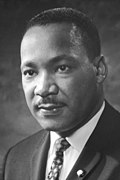
Primary documents are rich—but intimidating. Once a student is intimidated, they can’t learn.  Readers Theater helps teachers “translate” them into accessible language without losing meaning. For example, a student could learn about Martin Luther King through a Readers Theater script.  

A script can simplify:

  • Speeches

  • Letters

  • Newspaper accounts

  • Diaries

  • Oral histories

Additionally, if a teacher uses the Readers Theater script for a performance, such the Martin Luther King holiday, students begin to internalize content instead of just decoding it. I know that when my teachers used Readers Theater in our classes, I remembered the information much more easily.

Readers Theater: The Secret Tool for Social Studies


✅ 5. It Encourages Collaboration and Critical Thinking

Social studies is filled with cause and effect, motives, and outcomes. Readers Theater takes those ideas off the page and puts them into dialogue, letting students hear history instead of just reading about it.

After a script, students can discuss:

  • Who had power in the situation?

  • What choices did characters have? Li Chi The Serpent Slayer is a fantastic Chinese folk tale about a girl volunteering herself to save her village.

  • What might you have done differently?

  • What bias or point of view appears in the story?

Readers Theater: The Secret Tool for Social Studies

How Readers Theater Turns Passive Readers into Powerful Thinkers

Suddenly, they’re not just reading history—they’re interrogating it. When students interrogate information—asking questions, challenging assumptions, and discussing why events happened—they are no longer passive receivers of content. They become active thinkers. That shift builds confidence.

  • They learn that their ideas and questions matter.
    When students are encouraged to question the text, they begin to trust their own reasoning. Without a doubt, trusting one’s self is monumentally important.

  • They discover they can figure things out on their own.
    Instead of waiting for the teacher to supply answers, they explore possibilities and defend their thinking. For that reason, their sense of ownership becomes a heady experience.  One experience a students doesn’t easily forget!

  • They practice speaking up.
    Discussing motives, cause and effect, and different perspectives helps students find their voice and participate more boldly. Using Readers Theater as the vehicle for your teaching is a sly way to engage students. Personally, I think it is magical.

  • They realize there is not always one “right answer.”
    In social studies, interpretation is part of learning. When students see that they can contribute, analyze, and debate, their confidence grows. Additionally, as confidence grows, a teacher may discover that the most reluctant student feels comfortable speaking up.  Readers Theater is non-threatening.

Additionally, interrogating information isn’t just academic—it’s empowering. Readers Theater makes this even more accessible because students hear viewpoints aloud, react to them, and respond in real time. As a result, that experience helps them feel capable, engaged, and confident in the classroom. And…it’s effortless teaching, I promise you.


✅ Ideas for Using Readers Theater in Social Studies

  • Biographies (Harriet Tubman, Cesar Chavez, Sojourner Truth, Eleanor Roosevelt)

  • World cultures and holidays ( Día de (los) Muertos–Day of the Dead)

  • Indigenous stories and oral traditions (How the Bee Got Its Singer-a Cherokee Creation Myth)

  • Immigration experiences

  • Civil Rights Movement

  • World War II home front

  • Constitutional Convention debates

  • Historical folktales and legends ( The Fall of the Spider Man–a Canadian Folk Tale)

Short scripts can be used during:

  • Introduction to a Unit

  • Stations

  • Friday fun days

  • Sub plans

  • Intervention groups

  • Literacy centers

  • Class performance days


✅ Final Thoughts

I hope you’ll consider including Readers Theater scripts into your social studies curriculum. Social studies should never feel like a silent subject. It should be full of voices, stories, and perspectives.

Readers Theater does exactly that—bringing history to life in a way that is meaningful, accessible, and unforgettable.

How have you used Readers Theater in your social studies classroom?  I’d love to hear about it.  Feel free to email me at DhcBaldwin@gmail.com

   Have you heard the news?  We’re Live! Radio Theater #101 was awarded a 5 star review of excellence.  Get your copy here! We’re Live! Radio Theater #101

Share this:

  • Click to share on Tumblr (Opens in new window) Tumblr
  • More
  • Click to share on X (Opens in new window) X
  • Click to share on Facebook (Opens in new window) Facebook
  • Click to share on Pinterest (Opens in new window) Pinterest
  • Click to share on LinkedIn (Opens in new window) LinkedIn
  • Click to email a link to a friend (Opens in new window) Email
  • Click to share on Reddit (Opens in new window) Reddit
  • Click to share on Pocket (Opens in new window) Pocket
  • Click to share on Telegram (Opens in new window) Telegram
  • Click to share on WhatsApp (Opens in new window) WhatsApp

Like this:

Like Loading...

Filed Under: arts integration, drama education, drama integration, Education, Education, elementary, English Language Learners, excellence in teaching, gifted and talented, middle grades, multiculturalism, readers theater, reading skills, Teacherspayteachers, Teaching, teaching strategies Tagged With: elementary school, listening skills, Middle school, multiculturalism, readers theater, social studies, speaking skills

Unmasking Drama: Engaging Small Classes

February 27, 2025 By dhcbaldwin 2 Comments

A happy teacher calling on a small class of drama students.

Unmasking Drama: Engaging Small Classes

Unmasking Drama: Engaging Small Classes Effectively

Today, let’s discuss Unmasking Drama: Engaging Small Classes. Picture this: You are ready to teach on your very first day of classes. Excited, you double-check the student roster. Hmmm. At last check, there weren’t too many students signed up for your class. However, you knew that in the last days of summer, usually some stragglers sign up. In walk two students. Even though your roster listed these two students’ names, you are certain there are more arriving any minute.

You wait five minutes. The two students look uncomfortable and you are apprehensive. You think, “What can I do with a class of two? How can I still make this class engaging? “ Disappointed, you throw out your plans for the first week of class.

Unmasking Drama: Engaging Small Classes Effectively

Unmasking Drama: Engaging Small Classes

Does this sound like you? I’ve been in this position before. Teaching drama to a small group is a unique challenge. Unlike math or even art, drama thrives on human interaction, group dynamics, and ensemble work. So, what do you do when your “ensemble” consists of just two or three students?

Occasionally, a teacher will email me begging for help with teaching their class. They have a small class of students. The question to me is usually the same: Is it possible to teach drama to a small group of students?

My answer is always a resounding, yes! I’ve taught several classes with only one or two students. These were home school students in a huge enrichment program. Your success depends upon a few things, some of which are somewhat out of your control. However, there are many things you can control, and with a little creativity, you can turn a small class into an enriching experience.


Unmasking Drama: Engaging Small Classes Effectively

Unmasking Drama: Engaging Small Classes

1. Limited Ensemble Dynamics

With fewer students, it’s harder to create the rich, spontaneous interactions typical in larger ensembles. Each student’s contribution is magnified, and the diversity of ideas and energy might be more limited. At times, I’ve noticed that when a student receives too much attention, they can become overly dependent on me when struggling with a concept.

2. Individualized Needs

In a small group, differences in skill levels, personality, and confidence become more apparent. This is where the teacher’s level of exhaustion comes into play. You must tailor lessons, provide personalized feedback, and ensure that each student’s unique needs are met without compromising the group’s overall progress.

3. Risk and Vulnerability

Drama often involves improvisation and exposing one’s vulnerabilities. In a small setting, students may feel overly visible or pressured, making it tougher to foster a safe space for experimentation and risk-taking. (If one student resists and you only have two in the class, your chance of success has dropped by 50%!)

4. Building Group Cohesion

Developing trust and a sense of community is essential in drama. With fewer participants, it requires extra effort to ensure that all students connect and collaborate effectively. Absenteeism, students not learning their lines, or unfinished projects can bring your class to a standstill.


Solutions & Strategies for Success

Quick Fixes for Small Classes

  • Lean into one-on-one coaching: Treat it like a personalized drama mentorship.
  • Adjust group exercises for two or three people: Focus on duologues, monologues, and character studies.
  • Expand beyond acting: Let students explore directing, playwriting, and design.
  • Use multimedia tools: Record performances, create podcasts, or study filmed theater.

Now, let’s look at how I put these strategies into action.


Unmasking Drama: Engaging Small Classes Effectively

Emily’s Story: Adapting Drama for One Student

Emily was a wonderful homeschool student in my drama class. Several other students were signed up but dropped at the last minute. Since I had previous teaching experience with Emily and knew that if I canceled the class, she’d be crestfallen.

Inventory the Student’s Interests

To begin, I interviewed Emily to discover which aspects of theater interested her most. Ha! All of it! We discussed book titles that had been dramatized, musicals she liked.  Additionally, we considered whether she wanted to be realistic or fanciful in her set and costume designs. By giving Emily opportunities to choose the differentiation, I knew that we’d be more successful than had we not done so.

Unmasking Drama: Engaging Small Classes Effectively

Creating a Personalized Curriculum

Since I was teaching Emily once a week from August to May, we structured  our plan together. Here’s what it looked like:

Lesson Plan for a One-Student Drama Class

  • August: Icebreaker games and warm-ups that work for two people (e.g., Add a Word storytelling).*
  • September: Read the play version of Peter Pan aloud.
  • October: Studied and designed costumes for Peter Pan. Emily even sewed Peter Pan’s hat!
  • November: Explored set design and built a model of the Peter Pan set.
  • December: Watched the Peter Pan musical and compared it to the play version.
  • January & February: Studied stage properties. Emily designed and built a cardboard broadsword using an instructional video.
  • March: Studied stage makeup and designed a look for Captain Hook.
  • April: Selected a three-person scene from Peter Pan to perform. I invited two girls from another class to rehearse with Emily.
  • May: Performed the scene for Emily’s parents and she wrote a reflection about her experiences during the year of learning.

*Generally, we began each class with a warm-up exercise of some kind that tied to the subject of the day.

If you are in need of particular lessons for this plan, check out:  Dramamommaspeaks Store


Unmasking Drama: Engaging Small Classes Effectively

Alternative Approaches for Small Classes

Rotating Focus Each Class

Another way to teach a small drama class effectively is to structure your lessons to explore different aspects of theater each session:

  • Acting & Performance: Scene study, monologues, improv games.
  • Technical Theater: Costume and set design projects.
  • Theater History & Playwriting: Reading plays, writing scenes.
  • Production Elements: Sound design, lighting concepts, directing techniques.

Creative Drama Exercises for Small Groups

Here are a few engaging activities tailored for 1-3 students:

  • “Mirror, Mirror”: One student mimics another’s movements to build focus.
  • “What are you doing?: Take turns informing each other something they must do that is physical, “I’m mopping the floor.”
  • Table Reads: Read and analyze famous plays.
  • Monologue Swap: Perform the same monologue in different tones/moods.
  • Character Walks: Move around as different characters to develop physicality.

Unmasking Drama: Engaging Small Classes Effectively

Final Thoughts: Reframing Small Classes as an Opportunity

Thus, as you are aware, teaching a small drama class can feel isolating or discouraging. But it also offers a unique opportunity for deep, personalized instruction. Most importantly, the key is to lean into the strengths of a small class, offering students individualized coaching, creative freedom, and opportunities to explore theater beyond acting.

Your Turn!

  • Have you ever taught a small drama class? What creative solutions worked for you?
  • What are your favorite duo or trio scene studies? Drop your recommendations below! Or Email me at DhcBaldwin@gmail.com

I hope this blog post, Unmasking Drama: Engaging Small Classes Effectively has been helpful to you. Need more ideas? Check out my post on How to Use a Hybrid Lesson in Your Drama Classroom Tomorrow.

Woman behind DramaMommaSpeaks

Share this:

  • Click to share on Tumblr (Opens in new window) Tumblr
  • More
  • Click to share on X (Opens in new window) X
  • Click to share on Facebook (Opens in new window) Facebook
  • Click to share on Pinterest (Opens in new window) Pinterest
  • Click to share on LinkedIn (Opens in new window) LinkedIn
  • Click to email a link to a friend (Opens in new window) Email
  • Click to share on Reddit (Opens in new window) Reddit
  • Click to share on Pocket (Opens in new window) Pocket
  • Click to share on Telegram (Opens in new window) Telegram
  • Click to share on WhatsApp (Opens in new window) WhatsApp

Like this:

Like Loading...

Filed Under: acting, arts education, arts integration, Creativity, drama education, Education, Education, excellence in teaching, multiculturalism, set design, Teacherspayteachers, teaching strategies, theater, theatre, youth theatre Tagged With: acting, Broadway musicals, cooperative learning, costume design, drama education, drama lessons, ensemble acting, improvisation, Peter Pan play, reading play, set design, technical theater, theater, warm up exercises

Exploring Social Issues Through Plays: A Guide for Middle School

November 19, 2024 By dhcbaldwin Leave a Comment

Wooden game pieces of different colors facing each other as if in a war.

Exploring Social Issues Through Plays: A Guide for Middle School

Today, I want to reflect on the my blog post title,  exploring social issues through plays: a guide for middle School. Theater is a powerful tool for middle school students to explore and discuss social issues. By stepping into the shoes of characters dealing with real-world challenges, students develop empathy, critical thinking, and teamwork. Plays such as The Yellow Boat, Ama and the White Cranes, and The Third Wave provide age-appropriate ways to delve into complex topics, making them ideal for young performers.

The Power of Theater in the Classroom: Inspiring Change Through Stories

I believe one of our missions as teachers is to make the world a better place.  As theater teachers, we have an incredibly useful tool at our fingertips–plays or musicals.  No other art form can do what theater can do!  I think you’d agree with me that the best way to reach people is through a story. Theater is non-confrontational and provides important universal themes.

In our classrooms, students can read or perform plays just for the sure fun or experience of it.  Consequently, students can experience diverse perspectives and learn to understand others’ emotions and struggles. Plus, plays can structure an environment for discussing sensitive topics. Additionally,  theater challenges students to examine societal issues in-depth and consider their roles in creating change.

Exploring Social Issues Through Plays: A Guide for Middle School

Here are a few plays I recommend to you.  Your students could read one of these plays in your class or better yet, produce it for the public.  (That’s the real elixir.)

Exploring Social Issues Through Plays: A Guide for Middle School

My Recommendations for Middle School Reading

 1. Peer Pressure, Authority, and Group Dynamics

—The Third Wave Based on a true story, this gripping play explores the dangers of groupthink and authoritarianism. It recounts a high school teacher’s experiment to demonstrate how easily individuals can be drawn into totalitarian systems. The Wave provides a thought-provoking look at peer pressure and critical thinking, making it highly relevant for middle schoolers.

Exploring Social Issues Through Plays: A Guide for Middle School

2. Illness, Resilience, and Family

– The Yellow Boat by David Saar. This deeply moving play is based on the true story of Benjamin Saar, a young boy born with congenital hemophilia. Through his vivid imagination and artistic talent, Benjamin navigates the joys and struggles of his life, including his battle with HIV/AIDS, contracted from a blood transfusion. His journey, filled with creativity, resilience, and love, celebrates the power of art and human connection. The play is a poignant exploration of hope, loss, and the enduring spirit of a child, offering audiences a heartfelt and uplifting experience. A heartwarming and imaginative story about a young boy living with a terminal illness. This play offers an opportunity for students to explore themes of resilience, creativity, and the bonds of family.

Exploring Social Issues Through Plays: A Guide for Middle School

3. Cultural Identity and Environmental Awareness

– Ama and the  White Cranes  This is a poignant play that blends Japanese folklore with contemporary themes of resilience and tradition. It follows Ama, a skilled pearl diver, who finds herself at odds with her village’s changing ways. When a mysterious white crane begins appearing during her dives, Ama discovers it is the spirit of her late mother, guiding her to protect the ocean and its treasures from exploitation. Ama struggles to reconcile her personal desires with her duty to her heritage. The story unfolds into a beautiful tale of sacrifice, love, and the enduring bond between humanity and nature. This is a  beautiful play that introduces Japanese culture while exploring themes of courage, family, and environmental responsibility.

Timeless Stories: Exploring Empathy and Justice Through Adapted Plays

4. Bullying and Kindness

–The Hundred Dresses: This play adapted from the book of the same name,  centers on Wanda Petronski, a Polish-American girl who is ridiculed by her classmates for wearing the same faded blue dress daily. In response to the teasing, Wanda claims to own one hundred beautiful dresses at home, a statement that becomes a focal point of the narrative. The book explores themes of bullying, empathy, and the consequences of prejudice. First published in 1944, this book and story survive the test of time.

-Holes– by Louis Sachar. This play adaptation of the book of the same name, is the story of Stanley Yelnats who is wrongly accused of theft.  Stanley Yelnats is sent to Camp Green Lake, where boys dig holes daily as part of their punishment. As Stanley uncovers secrets about the camp, his family’s past, and the outlaw Kissin’ Kate Barlow, themes of justice, fate, and friendship come to light. (It seems to be out of printing as of this writing, but do check back to see if it’s re-appeared.)

Exploring Social Issues Through Plays: A Guide for Middle School

5. Leadership and Community

– The Giver: Based on Lois Lowry’s novel, this play encourages students to reflect on freedom, individuality, and the responsibilities of leadership. Set in a seemingly utopian society where pain, conflict, and choice are eliminated. Jonas, a 12-year-old boy, is chosen to inherit the role of the Receiver of Memories. The Receiver is the only individual who holds the truth of the world’s past. As he learns from The Giver, Jonas begins to see the dark truths behind his community’s controlled existence. Confronted with the weight of memory and emotion, Jonas questions whether to accept the status quo or risk everything to bring freedom and individuality back to his world. For more information, read my post–The Reasons I Love The Giver Play

Exploring Social Issues Through Plays: A Guide for Middle School

Cultivating Community and Resilience: Plays That Inspire Connection

– Seedfolks: This is a touching play adaptation of Paul Fleischman’s novel, weaving together the stories of diverse individuals in a struggling urban neighborhood. When a young girl plants a handful of beans in a vacant lot, her small act inspires others to transform the space into a thriving community garden. Each character contributes their unique voice, sharing personal struggles.  Most importantly, while they share cultural perspectives, unexpected connections arise. As the garden grows, so does the sense of hope, unity, and understanding among the neighbors. This poignant story celebrates the power of small acts to foster change and build community.

-Esperanza Rising–  This play is a heartfelt adaptation of Pam Muñoz Ryan’s acclaimed novel, following Esperanza Ortega, a privileged young girl in 1930s Mexico. When her family’s fortunes are shattered by tragedy, Esperanza and her mother are forced to flee to California.  There they work as migrant laborers. Facing the hardship of poverty, prejudice, and back-breaking labor, Esperanza learns the value of resilience, community, and hope. This powerful coming-of-age story celebrates the strength of the human spirit and the importance of staying rooted in love and compassion during times of great change.

Discussing Social Issues in the Middle School Classroom


Exploring Social Issues Through Plays: A Guide for Middle School

6. Diversity and Acceptance

—The Watsons Go to Birmingham--1963: Ten-year-old Kenny narrates a life-changing summer for his family. Hoping to reform troublemaking Byron, the Watsons travel to Birmingham, Alabama.  They face the tragic 1963 church bombing. This moving and humorous story, based on Christopher Paul Curtis’ novel, explores family and resilience during a pivotal moment in history.

—Bud Not Buddy–-Set in 1930s Michigan, 10-year-old Bud Caldwell, an orphan fleeing abusive foster homes, embarks on a journey to find his father. Guided by a flier for a jazz band, Herman E. Calloway and the Dusky Devastators of the Depression, Bud travels to Grand Rapids.  He believes Calloway to be his father. Along the way, Bud encounters trouble, humor, and wisdom, using his “Rules and Things” to navigate a challenging world.

Exploring Social Issues Through Plays: A Guide for Middle School


The Third Wave: A Powerful Lesson in Authority and Responsibility

At this point in our country’s history, it is vitally important that we dramatize stories whose themes are especially powerful to our students.  We are at a real crossroads.  It is up to us to stand and be counted.

The Third Wave is particularly impactful for middle school students. Foremost, it dives into the issues they can relate to, such as peer pressure, the influence of authority figures, and the need to belong. The play demonstrates how quickly groupthink can take over.  Additionally, it encourages students to think critically about their choices and the importance of standing up for what’s right.

By dramatizing this real-life experiment, The Third Wave helps middle school students understand the dangers of blindly following authority or succumbing to social pressures. It’s a powerful conversation starter about history, psychology, and personal responsibility. Lastly, I challenge you to select this play for production at your school–you won’t regret it!

Incorporating These Plays into the Classroom

Wondering how to introduce students to the themes and moments in history or cultural contexts? If you’re using the play in your middle school classroom,  encourage students to write reflections. For example, they could be written from their characters’ perspectives to deepen their engagement. Additionally,  you can facilitate a discussion about the play’s messages and how they relate to students’ lives.

Ready to inspire your students and tackle these critical topics? The stage is waiting!

What plays do you read aloud in your middle school classroom or have staged that held important themes and messages?  I’d love to learn about them.

Email me at DhcBaldwin@gmail.com

Woman behind DramaMommaSpeaks

Share this:

  • Click to share on Tumblr (Opens in new window) Tumblr
  • More
  • Click to share on X (Opens in new window) X
  • Click to share on Facebook (Opens in new window) Facebook
  • Click to share on Pinterest (Opens in new window) Pinterest
  • Click to share on LinkedIn (Opens in new window) LinkedIn
  • Click to email a link to a friend (Opens in new window) Email
  • Click to share on Reddit (Opens in new window) Reddit
  • Click to share on Pocket (Opens in new window) Pocket
  • Click to share on Telegram (Opens in new window) Telegram
  • Click to share on WhatsApp (Opens in new window) WhatsApp

Like this:

Like Loading...

Filed Under: acting, community theatre, drama education, drama integration, Education, Education, elementary, gifted and talented, middle grades, multiculturalism, plays, Producing plays and musicals, reading skills, storytelling, Teaching, theater, theatre, youth theatre Tagged With: Ama and the White Cranes, Bud not Buddy, Esperanza Rising, Holes, social issues, The Giver, The Hundred Dresses, The Seedfolks, The Third Wave, The Watsons Go to Birmingham, The Yellow Boat

The Benefits of Music in Your Classroom: Boosting Learning

November 2, 2024 By dhcbaldwin Leave a Comment

A young boy listening to music and seeing the notes in front of him.

The Benefits of Music in Your Classroom: Boosting Learning

The Benefits of Music in Your Classroom: Boosting Learning My piano practicing partner.

Today, I want to blog about boosting learning: the benefits of music in your classroom. When I was a child I had a beloved Beagle,  Frisky John, who we discovered loved to sing while I practiced the piano. I don’t know if my mother and Frisky got together and conspired to get me to practice every day, but as long as Frisky was sitting by me, I practiced! Can your dog sing on command?

With and without Frisky, I have loved music my entire life.  It is not uncommon for me to listen to several genres of music every day. Listening to  classical music to Broadway, solo singers like Joni Mitchell to pop singers like Taylor Swift enriches my day.  Above all, music is essential to my soul.  It heightens my mood, helps me concentrate, destresses and allows me to go somewhere else in my day dreams.

Nearly every day, I hear another teacher worried about their students lack of engagement in the learning.  Usually, when a teacher asks for suggestions to boost student engagement, I first suggest they integrate drama into their classroom.  It’s much easier than you think, too.  You can learn about that here: How to Excite Students With Drama Integration

 The Benefits of Music in Your Classroom: Boosting Learning

The Power of Music in the Classroom: How Music Benefits Students’ Learning

I am going out on a limb here.  Also, I  think if you can incorporate music into your lessons, a teacher will find it helps to students learn.  What, you say? Hear me out. When I taught theater, no matter the grade level, I always played music in the background.  Generally, we listened to classical music which was serene. (Remember, I use music to relax me.)  Sometimes I played film scores when the students were working on their own. 

Depending upon the energy level I required from the students, I’d play particular songs that boosted students’ energy.  If they were too wound up, I’d play something more calm.  Usually, they kicked into the energy level I required. If you’d like a lessons about movement, check it out here: Movement Lesson

 The Benefits of Music in Your Classroom: Boosting Learning

Enhancing Learning Through the Power of Music

Adding music to the mix can be a game-changer. Music has a unique way of activating various parts of the brain. Moreover, it can create a learning environment that fosters focus, creativity, and emotional regulation—all essential for academic success. Again, just like drama, the transition to playing music in the classroom is seamless and always fun.

Let’s explore how using music as a learning tool can help transform your classroom.

 The Benefits of Music in Your Classroom: Boosting Learning

Enhances Focus and Attention

Music can be an excellent tool for focusing students’ attention.  For instance, its useful when transitioning between activities or during individual work time. According to the National Library of Medicine,  studies have shown that background music can improve concentration. By providing a steady rhythm, music supports cognitive tasks. Interestingly, this is especially true for extrovertive personalities. 

Introverts may enjoy soft classical music or instrumental tunes work well as background music. Additionally, they help students tune out distractions and channel their energy toward the task at hand. My students always enjoyed Thomas Newman’s film track from Finding Nemo.

Reduces Stress and Creates a Calming Atmosphere

For many students, school can be a source of stress, and music offers a natural way to create a calming atmosphere. For instance, when playing soft and soothing music during challenging times, it can lower stress and anxiety levels. This calming influence helps students approach learning with a relaxed mindset.  Thus, music boosts their ability to retain new information.

In an article on   www.nature.com  music in particular has been proposed as a promising tool to explore imagination, as more than 70% of music listeners indicate that they experience visual imagery when listening to music. It has even been found helpful in treating patients with traumatic event disorder. Check out this blog post about Arts Quote We Love #4–Civilizations Remembered for Their Arts

 The Benefits of Music in Your Classroom: Boosting Learning

Inspires Creativity

When I begin planning a play that I will be directing, I first pick out music for the production. This helps me in two ways. First, it quickly kicks me in to the mood of the production.  Secondly because of its positive distraction, I more easily harness my ideas.   I listen to many pieces of music every day.   Consequently, while listening  my imagination soars. By seeing with my “mind’s eye”, I find it effortless to picture what the production will look and feel like.

Since music is a form of art, incorporating it into the classroom encourages students to think creatively. Music is useful in every classroom. Whether used as a warm-up for a creative writing session or as background music for art projects, music can spark students’ imaginations.

For example, playing different genres of music might inspire students to create stories. Furthermore, visual artwork can be based on the emotions or images that the music evokes. It can’t help but broaden their creative horizons. One of my favorite pieces to use is Holst’s, The Planets.

 The Benefits of Music in Your Classroom: Boosting Learning

Builds Cultural Awareness and Inclusivity

I am always looking for ways to engage students.  By engaging them, I believe they will learn. One of the best ways to expose students to cultures is through music.  For example, a diverse range of music from around the world helps them appreciate and respect different cultures. By using music from various traditions, teachers can create an inclusive classroom environment quite effortlessly. 

By listening to music from many cultures students learn to value diversity and  cultures. One group I always played was Ladysmith Black Mambazo. This musical exploration can lead to discussions about cultural backgrounds, traditions, and perspectives. By enriching students’ worldviews their appreciation for diversity grows. A film score I would have used is  The Black Panther , The Water Fall scene.

Boosts Memory and Retention

Have you ever heard a song from your high school years and you were immediately pulled back in your memory to those times? Me, too. Music has been shown to improve memory retention. Setting information to music can be a highly effective mnemonic tool.  This works especially for younger students.

My personal favorite music are the songs from Schoolhouse Rock such as I’m Just a Bill!  In fact, teachers can create simple songs for memorizing multiplication tables, vocabulary words, or historical dates. I remember our daughters learning a song about the state capitols–State Capitols Song. This “music in your classroom” approach helps students retain information long-term and makes learning more enjoyable. That’s the key here, friend.

 The Benefits of Music in Your Classroom: Boosting Learning

Improves Language Skills

As you might expect, Language and music share common neural pathways.  In a 2017 study shared on Sciencedirect.com, a group of scientists found that making music is an effective way to enhance language development. By listening to songs with rich vocabulary, rhythm, and rhymes a student can improve language comprehension and vocabulary. 

Especially, this is useful for students learning a new language. Incorporating music into reading activities, for example, by using song lyrics as reading material, provides a fun way to strengthen literacy skills. Have you ever assigned your students to perform a “songologue”? Check out this article in dramatics.org.

Encourages Positive Classroom Behavior

Using music strategically can help manage classroom behavior. For instance, playing upbeat music during clean-up time. Plus, using it for  transitions can make routine tasks feel more enjoyable. Generally, I find students participate enthusiastically. You can even use music as a cue, signaling that it’s time for a specific activity.

One of my favorites things to say to students while they are working is, “When you hear ‘Shark bait, who haha”, it’s time to stop.  With time, students learn to associate certain music with certain activities.  This helps with classroom routines and behavior management. I say…whatever it takes to make it easier on your and fun for your students is the right tool for me!

 The Benefits of Music in Your Classroom: Boosting Learning

Tips for Using Music in the Classroom

Lastly, here are a few suggestions of mine how to uses music in your classroom:

1. Choose Music Purposefully: First, think about the goal—whether it’s focusing, energizing, or calming students—and select music accordingly.
2. Set the Volume Appropriately: Background music should be subtle, not distracting. However, make sure it’s low enough to allow for easy conversation and focus.
3. Experiment with Genres: Don’t limit yourself to one style! From classical and jazz to world music, try various genres to see what resonates best with your students.
4. Create a Playlist:  Having a playlist ready can save time and ensure a smooth transition between activities. Plus, consider creating different playlists for different parts of the day or tasks.
5. Be Mindful of Lyrics: When possible, use instrumental music or songs with positive messages. Consequently, this will aid you maintaing a respectful and inclusive atmosphere.

As you might expect, I’m listening to music right now as I write this.  Today, I feel like listening to the film score of Dune.  I hope I’ve convinced you to experiment with music in your classroom.  Personally, to me it’s like icing on the cake!

Do you use music in your classroom?  I’d love to know about it.  Feel free to email me at DhcBaldwin@gmail.com

Woman behind DramaMommaSpeaks

Share this:

  • Click to share on Tumblr (Opens in new window) Tumblr
  • More
  • Click to share on X (Opens in new window) X
  • Click to share on Facebook (Opens in new window) Facebook
  • Click to share on Pinterest (Opens in new window) Pinterest
  • Click to share on LinkedIn (Opens in new window) LinkedIn
  • Click to email a link to a friend (Opens in new window) Email
  • Click to share on Reddit (Opens in new window) Reddit
  • Click to share on Pocket (Opens in new window) Pocket
  • Click to share on Telegram (Opens in new window) Telegram
  • Click to share on WhatsApp (Opens in new window) WhatsApp

Like this:

Like Loading...

Filed Under: acting, arts education, arts integration, creative dramatics, creative movement, Creativity, drama education, drama integration, Education, Education, gifted and talented, middle grades, multiculturalism, music education, New Teacher, Teaching, teaching strategies, youth theatre

Unveiling Reader’s Theater: What You Never Knew

February 7, 2024 By dhcbaldwin Leave a Comment

A multicultural group of students facing the camera

Even though I lacked familiarity with Reader’s Theater as a student, once I was a teacher its advantages surpassed any apprehensions I harbored. Let’s talk–unveiling Reader’s Theater: what you never knew. In today’s dynamic educational landscape, teachers are continually exploring innovative methods to engage students and foster deeper understanding.

Unveiling Reader’s Theater: What You Never Knew

One technique gaining popularity is Reader’s Theater.  Reader’s Theater is  a powerful instructional tool that combines reading, performance, and collaborative learning. Particularly in upper elementary classrooms, Reader’s Theater offers numerous benefits, from improving literacy skills to enhancing social and emotional development. Let’s delve into why incorporating Reader’s Theater can be a game-changer for educators and students alike.

Unveiling Reader's Theater: What You Never Knew
Credit Readingrockets.org

Boosting Literacy Skills

One of the most important reasons Reader’s Theater is beneficial is its power in boosting literacy skills.  It provides an interactive platform for students to actively engage with text. By taking on different roles and reading aloud, students develop fluency, comprehension, and expression. According to a study published in The Reading Teacher, students who participated in Reader’s Theater experienced significant gains in reading fluency compared to those who did not. The repetitive reading inherent in rehearsals helps reinforce vocabulary and comprehension, leading to improved reading proficiency over time.

Did you know I have the secret to boosting student engagement?  My new book, “We’re Live! Radio Theater #101” explains my journey to implementing this unique tool in the classroom. Check it out here

Fostering Collaboration and Social Skills

If you were to ask me what is the greatest asset of theater, I’d say its adaptability to integrate into any core subject. However, it wasn’t until I studied for my Masters in Arts Integration that this became glaringly apparent to me.  Any time it is used in the classroom, your students level of engagement increases.  In addition,  collaboration lies at the heart of Reader’s Theater. Working together to interpret scripts, assign roles, and rehearse scenes cultivates teamwork and communication skills. A survey conducted by the National Education Association found that 89% of teachers reported improvements in students’ collaboration skills after implementing Reader’s Theater in their classrooms. Moreover, performing in front of classmates builds confidence and self-esteem while encouraging empathy and appreciation for diverse perspectives.

Enhancing Creativity and Critical Thinking

Reader’s Theater encourages students to think critically and creatively as they interpret characters and scenes. For some students, it is the first time they see a story in a book as something other than words on a page.  The story comes alive! An analysis conducted by the International Journal of Education and the Arts revealed that students engaged in Reader’s Theater demonstrated higher levels of creativity and critical thinking compared to traditional reading instruction. Analyzing text, identifying character motivations, and making decisions about performance elements stimulate higher-order thinking skills. By the way, gifted and talented students groove on unique learning and Reader’s Theater is one way to reach them. 

Unveiling Reader's Theater: What You Never Knew

Addressing Multiple Learning Styles

Every student learns differently, and Reader’s Theater caters to a variety of learning styles. Visual learners benefit from seeing the text come to life through performance, while auditory learners engage with the spoken word and sound effects. According to a report by the American Federation of Teachers, Reader’s Theater accommodates diverse learning styles and promotes inclusive classrooms. By providing a multi-sensory experience, Reader’s Theater ensures that all students have the opportunity to succeed and shine in the classroom.

Cultivating a Love for Literature

Reader’s Theater breathes new life into literature, history, etc. transforming reading assignments into dynamic and memorable experiences. A survey conducted by Scholastic found that 78% of students reported enjoying reading more after participating in Reader’s Theater activities. By engaging students’ imaginations and emotions, Reader’s Theater ignites a passion for storytelling and fosters a lifelong love of reading. As students connect emotionally with characters and narratives, they develop empathy, cultural awareness, and a deeper appreciation for the power of words. A by- product of passively studying another culture through a Reader’s Theater script, encourages students to be more accepting of one another.  Can I prove it?  Nope, I just know from my many years of teaching and directing experience.

Unveiling Reader's Theater: What You Never Knew

Reader’s Theater in the Multicultural Classroom

I am aware of the many challenges our teachers are facing at this point and time.  As a member of several Facebook teacher groups, I hear them lament about their worries and frustrations.  One of their major challenges they are having is keeping the students engaged in their learning.  In addition, the students are unkind to one another to a degree we haven’t seen in our recent past.  I am as concerned about our students’ futures as the teachers.

I can’t fix everything, but I can help.  In my thirty-eight years of teaching, I saw the need for multiculturalism right from the first day of teaching. What is multiculturalism? Simply, put, multiculturalism is defined as allowing many individual cultures to exist within one country. It is the idea that many different types of cultures can exist within one nation.  But how to celebrate the cultures? Many years ago, I began adapting multicultural folk tales into readers theater plays and friend, it works!  Students enjoy learning about other cultures through Reader’s Theater.

Looking for something to celebrate spring?  Pick up The Little Girl and the Winter Whirlwinds here.

Unveiling Reader's Theater: What You Never Knew

The Legend of How the Bee Got Its Stinger Reader’s Theater

For example, I created a Reader’s Theater script for The Legend of How the Bee Got Its Stinger based on a Cherokee Indian legend. The story: Back in ancient times, when the people were purer and could converse with the animals. The Creator would visit with them. The people asked the Creator for something that was “sweet” to the taste. So, the Creator sent the Bee, but the Bee had no stinger. Down came the Bee and it found a suitable tree in which, they could build their hive, live in, produce honey, multiply and feed its young. Soon the people came to the Bee and asked for some of the sweet syrup and the Bee gave each person a container full. The people loved the syrup and greedily ate it, then went back to the Bee for more. What happens next? You’ll just have to purchase the resource to find out! Looking for another Native American story?  Check out:  370 Million Indigenous People Want You to Know About Their Cultures

Unveiling Reader's Theater: What You Never Knew

The Sprightly Tailor Reader’s Theater Unit

The Story of the Sprightly Tailor is another fun one and so unique! This story, from the British Isles, is spooky, scary and funny all at the same time. It is about a swift-footed and energetic (sprightly) tailor who undertakes to sew some trews (trousers) at night, among the haunted ruins of an old church. Along enters a ghost! You’ll just have to see what happens next…You can find it here: Comical Readers Theater Unit The Sprightly Tailor.

Unveiling Reader's Theater: What You Never Knew

Abdullah’s Gold Reader’s Theater Unit

Abdullah’s Gold is a story with a moral which students can understand and readily identify.  Abdullah was one of the richest men in town, but you could easily mistake him for a beggar. It was his theory that since there were so many people out to rob a rich man, it was safe to pretend to be poor. And so he did.

But he really didn’t have to pretend. Stingy to the core he found it very easy to be poor. So what if people sniggered and children called out, “Kanjoos! Kanjoos!” (miser, miser), whenever he passed by in his worn-out clothes. Abdullah became more and more content with his growing pile of money as the years went by. But one night, something happens to Abdullah’s money and things were never the same for him. You can find Abullah’s Gold here.

Unveiling Reader’s Theater: What You Never Knew

Looking for more information about Reader’s Theater?  Check out: Learning Through Reader’s Theater Scripts

You can check out all of my readers theater scripts at: Dramamommaspeaks

As you can see, incorporating Reader’s Theater into the upper elementary classroom offers a wealth of benefits, from enhancing literacy skills to fostering collaboration and creativity. By providing a dynamic and interactive approach to reading instruction, teachers can inspire students to become confident readers, effective communicators, and lifelong learners. Plus, let’s not forget how the study of cultures can encourage students to have a  global perspective and culturally sensitive. Who knows?  You may enjoy it just as much as your students!  At least, that is my hope. Let’s embrace the transformative potential of Reader’s Theater and empower our students to shine on stage and in life.

What Reader’s Theater have you used in your classroom?  What discoveries did you make by implementing it?  I’d love to hear about it.  Contact me at DhcBaldwin@gmail.com

Woman behind DramaMommaSpeaks


Share this:

  • Click to share on Tumblr (Opens in new window) Tumblr
  • More
  • Click to share on X (Opens in new window) X
  • Click to share on Facebook (Opens in new window) Facebook
  • Click to share on Pinterest (Opens in new window) Pinterest
  • Click to share on LinkedIn (Opens in new window) LinkedIn
  • Click to email a link to a friend (Opens in new window) Email
  • Click to share on Reddit (Opens in new window) Reddit
  • Click to share on Pocket (Opens in new window) Pocket
  • Click to share on Telegram (Opens in new window) Telegram
  • Click to share on WhatsApp (Opens in new window) WhatsApp

Like this:

Like Loading...

Filed Under: arts education, arts integration, creative dramatics, Creativity, drama education, drama integration, Education, Education, elementary, excellence in teaching, gifted and talented, middle grades, multiculturalism, readers theater, Reading Literacy, reading skills, Readingrocket.org, storytelling, Teaching, teaching strategies Tagged With: Cultural awareness, Cultural sensitivity, diversity, Ethnicity, gifted and talented, Global perspective, Inclusivity, Middle school, multiculturalism, Race, reader's theater, upper elementary

Footer

Follow Us

logo3.png

FOLLOW US

Facebook X-twitter Pinterest Instagram Envelope Rss

Goodreads: read

Malibu Rising
Malibu Rising
by Taylor Jenkins Reid
People We Meet on Vacation
by Emily Henry
The Last Thing He Told Me
by Laura Dave
Faking It
Faking It
by Cora Carmack
Losing It
Losing It
by Cora Carmack

goodreads.com
Copyright © 2024 · Wellness Pro on Genesis Framework · WordPress.com.Log in
 

Loading Comments...
 

    %d