• Skip to primary navigation
  • Skip to main content
  • Skip to footer

Join Me in my new Facebook Group! https://www.facebook.com/groups/417126059784261

Menu
  • Meet Deb – The Heart Behind DramaMommaSpeaks
    • Work with Me! 
    • Photo Gallery of DramaMommaSpeaks
    • Directorial Credits
  • I Give Book Talks! 
    • Book Talk Through Skype
    • Books
  • Freebies!
  • Bumbling Bea
  • Teaching Resume
  • Acting Resume
  • Contact Me
  • Blog
    • Drama Education
    • Arts Education
    • Youth Theatre
    • Middle Grades
    • Musical Theatre
    • Teaching
  • Meet Deb – The Heart Behind DramaMommaSpeaks
    • Work with Me! 
    • Photo Gallery of DramaMommaSpeaks
    • Directorial Credits
  • I Give Book Talks! 
    • Book Talk Through Skype
    • Books
  • Freebies!
  • Bumbling Bea
  • Teaching Resume
  • Acting Resume
  • Contact Me
  • Blog
    • Drama Education
    • Arts Education
    • Youth Theatre
    • Middle Grades
    • Musical Theatre
    • Teaching

Education

Discovering Creativity: A Drama Camp Fairy Tale Adventure

April 16, 2024 By dhcbaldwin Leave a Comment

A group of students jumping with joy at a summer drama camp

Discovering Creativity: A Drama Camp Fairy Tale Adventure

Today let’s talk about discovering creativity: a drama camp fairy tale adventure.  I heartily love summer for many reasons, do you?  Before I retired one of my favorite things to do in the summer, was to run a two week summer drama camp. Since I ran summer drama camps for thirty-eight years, this is one thing I really have down.  Are you thinking of running a camp this summer?


Discovering Creativity: A Drama Camp Fairy Tale Adventure

Drama campers having a little coloring time break!

Summer is a perfect time for students to learn about subjects that they either do not have available to take in their school, or wish to learn more in depth.  Enter my Summer Drama Fairy Tale Camp Curriculum!

Designed to ignite creativity and foster confidence, this immersive program offers eight dynamic lessons encompassing costume design, set creation, chanting, movement, storytelling, tableau theater, sound effects, and stage properties. Whether you’re planning a short spring break camp or a summer extravaganza, this comprehensive resource is your ticket to a stress-free and engaging experience for campers of all ages.

Summer Camp of Bye Bye Birdie

Discovering Creativity: A Drama Camp Fairy Tale Adventure

Tableau Theater:
Campers kick off their fairy tale adventure by delving into the art of tableau theater. Then, through group exercises and improvisation, they learn how to create striking frozen scenes. These poses cleverly convey emotion and narrative without words. This lesson sets the stage for exploring composition, expression, and storytelling through stillness.

Set Design Masterclass:
In this hands-on workshop, campers discover the magic of set design. From fantastical landscapes to royal castles, students brainstorm and sketch their own designs. At the same time, they  learn how to bring their imaginative visions to life on stage. With the templates provided, they explore the intricacies of set pieces required for each setting, sparking their creativity and transport potential audiences to far-off lands.

A MIDDLE GRADE GIRL POINTING AT THE CAMERA

Pick up my FREE Scope and Sequence Drama Curriculum here.

Lessons During Drama Camp

Chanting and Choral Performance:
Campers harness the power of voice and rhythm as they explore chanting and choral performance techniques. Through vocal warm-ups and group exercises, they develop their vocal skills and create captivating chants. These chants can  be used to enhance the atmosphere of their fairy tale world in the play.  As a result, this adds depth and authenticity to their performances.

Movement and Characterization:
Through movement exercises and character exploration, campers learn how to embody the personalities and traits of their favorite fairy tale characters. From graceful princesses to mischievous trolls, they discover the physicality and nuances that bring characters to life on stage. Ultimately, this  fosters a deeper understanding of character development and expression.

Discovering Creativity: A Drama Camp Fairy Tale Adventure

First day of camp read through

Storytelling:
Campers delve into the art of storytelling, learning how to captivate audiences with their words and imagination. Through interactive games and exercises.  In addition, they explore narrative structure, character development, and audience engagement.  They hone their storytelling skills and unleashing their creativity in the process. Plus, there is a whole day set aside for everyone to tell a story of their own life!

File:Windmaschine (Nachbau).jpg

Wind machine

Creating Sound Effects and Beginning Playwriting:
In this interactive workshop, campers explore the world of sound effects. They do so by learning how to use everyday objects to create magical sounds and immersive audio environments. Working in small groups, the campers experiment with creating sound scenes by incorporating them into a short scene. The student write their own scene  and performing them for their peers. Consequently, they discover how sound can enhance the atmosphere and drama of their performances.

Costume Design Workshop:
Campers unleash their creativity as they explore the art of costume design. From princess gowns to wizard robes, they conceptualize, sketch, and create costumes design. The campers discover how they can bring their own fairy tale character to life. With four design templates provided, they have the freedom to customize their designs and express their unique vision.

Discovering Creativity: A Drama Camp Fairy Tale Adventure

Playing a game during camp

Stage Properties:
Campers get hands-on experience studying stage properties and learning how to categorize props through fun activities. They discover the magic of stage properties, from magical wands to treasure chests, unleashing their creativity and attention to detail in bringing the world of fairy tales to life. If time allows, they can even make a few props for your production!

Discovering Creativity: A Drama Camp Fairy Tale Adventure

https://creativecommons.org/licenses/by/4.0/

Bloom’s Taxonomy of Learning

I’m a student of Bloom’s Taxonomy of Learning. Bloom’s Taxonomy focuses on cognitive development of intellectual abilities and skills. The cognitive learning domain can be classified in declarative and intellectual skills. Intellectual skills  include concepts, principles, procedures and rules which are applied in instances beyond instruction. In other words, it isn’t enough for a student to merely learn about something. They need to apply it for the students to retain the learning. 

Culminating in a Captivating Performance:
As the grand finale of the fairy tale adventure, campers bring the beloved classic “The Brave Little Tailor” to life on stage. With roles for 25+ students, this enchanting one-act play showcases the talents and creativity of young actors, transporting audiences to a world of adventure, courage, and magic.

Discovering Creativity: A Drama Camp Fairy Tale Adventure

Synopsis: “The Brave Little Tailor” follows the journey of a humble tailor who, through his wit and bravery, embarks on a series of daring adventures. From a outsmarting giant to overcoming posses of flies, the tailor’s courage knows no bounds as he proves that even the smallest individual can achieve great things. In the end, even the King and Queen of the kingdom get involved.  And let’s not forget that fun song that’s included. (optional)

Throughout the camp, DramaMommaSpeaks’ resources help directors foster a supportive and inclusive environment where campers can express themselves creatively, build confidence, and forge lasting friendships. With a treasure trove of lessons and a captivating finale, the Fairy Tale Adventure curriculum promises to ignite the spark of imagination and leave a lasting impression on all who participate.

Would you like a preview of the resource?  Click SUMMER CAMP UNIT EBOOK PREVIEW YDP PDF-min.

This unit is valued at $50.00, but you will be paying much less.

Photo Gallery of DramaMommaSpeaks

Group hug at end of camp cast party

Life Lessons Learned at Summer Camp

One website, Simplelocalbillings.com had a nice article about the value of summer camp, “In the safe surroundings of summer camp, you can push yourself past your comfort zones and release your inner child in a judge-free environment. You learn to have faith in both yourself and the people around you, so that whatever seems scary, different, or impossible is often achievable at camp.”

Making New Friends at Camp

Another asset of summer camp is that students make new friends outside of their school.  This is important!  These experience demonstrate to the students that they are more than just the school they attend.  By doing so, it gives them a new and different perspective on themselves and how they fit into the world.
In conclusion, I hope you’ll consider purchasing this 136 page resource. You’ll find it here.  It will not only give you everything you need to be successful in your camp, but help to provide opportunities for students to learn as well as be joyful.
What camps have you created?  I’d love to hear about them.  Contact me at DhcBaldwin@gmail.com


Woman behind DramaMommaSpeaks

Share this:

  • Click to share on Tumblr (Opens in new window) Tumblr
  • More
  • Click to share on X (Opens in new window) X
  • Click to share on Facebook (Opens in new window) Facebook
  • Click to share on Pinterest (Opens in new window) Pinterest
  • Click to share on LinkedIn (Opens in new window) LinkedIn
  • Click to email a link to a friend (Opens in new window) Email
  • Click to share on Reddit (Opens in new window) Reddit
  • Click to share on Pocket (Opens in new window) Pocket
  • Click to share on Telegram (Opens in new window) Telegram
  • Click to share on WhatsApp (Opens in new window) WhatsApp

Like this:

Like Loading...

Filed Under: acting, arts education, arts integration, community theater, community theatre, creative dramatics, Creativity, drama education, drama integration, Education, gifted and talented, Teacherspayteachers, theater, theatre, youth theatre Tagged With: costume design, drama camp for grades 3 to 7, dramamommaspeaks, play production, set design, sound effects, stage properties, storytelling, summer drama camp, tableau, teacherspayteachers, The Brave Little Tailor, two week camp

Unveiling Reader’s Theater: What You Never Knew

February 7, 2024 By dhcbaldwin Leave a Comment

A multicultural group of students facing the camera

Even though I lacked familiarity with Reader’s Theater as a student, once I was a teacher its advantages surpassed any apprehensions I harbored. Let’s talk–unveiling Reader’s Theater: what you never knew. In today’s dynamic educational landscape, teachers are continually exploring innovative methods to engage students and foster deeper understanding.

Unveiling Reader’s Theater: What You Never Knew

One technique gaining popularity is Reader’s Theater.  Reader’s Theater is  a powerful instructional tool that combines reading, performance, and collaborative learning. Particularly in upper elementary classrooms, Reader’s Theater offers numerous benefits, from improving literacy skills to enhancing social and emotional development. Let’s delve into why incorporating Reader’s Theater can be a game-changer for educators and students alike.

Unveiling Reader's Theater: What You Never Knew
Credit Readingrockets.org

Boosting Literacy Skills

One of the most important reasons Reader’s Theater is beneficial is its power in boosting literacy skills.  It provides an interactive platform for students to actively engage with text. By taking on different roles and reading aloud, students develop fluency, comprehension, and expression. According to a study published in The Reading Teacher, students who participated in Reader’s Theater experienced significant gains in reading fluency compared to those who did not. The repetitive reading inherent in rehearsals helps reinforce vocabulary and comprehension, leading to improved reading proficiency over time.

Did you know I have the secret to boosting student engagement?  My new book, “We’re Live! Radio Theater #101” explains my journey to implementing this unique tool in the classroom. Check it out here

Fostering Collaboration and Social Skills

If you were to ask me what is the greatest asset of theater, I’d say its adaptability to integrate into any core subject. However, it wasn’t until I studied for my Masters in Arts Integration that this became glaringly apparent to me.  Any time it is used in the classroom, your students level of engagement increases.  In addition,  collaboration lies at the heart of Reader’s Theater. Working together to interpret scripts, assign roles, and rehearse scenes cultivates teamwork and communication skills. A survey conducted by the National Education Association found that 89% of teachers reported improvements in students’ collaboration skills after implementing Reader’s Theater in their classrooms. Moreover, performing in front of classmates builds confidence and self-esteem while encouraging empathy and appreciation for diverse perspectives.

Enhancing Creativity and Critical Thinking

Reader’s Theater encourages students to think critically and creatively as they interpret characters and scenes. For some students, it is the first time they see a story in a book as something other than words on a page.  The story comes alive! An analysis conducted by the International Journal of Education and the Arts revealed that students engaged in Reader’s Theater demonstrated higher levels of creativity and critical thinking compared to traditional reading instruction. Analyzing text, identifying character motivations, and making decisions about performance elements stimulate higher-order thinking skills. By the way, gifted and talented students groove on unique learning and Reader’s Theater is one way to reach them. 

Unveiling Reader's Theater: What You Never Knew

Addressing Multiple Learning Styles

Every student learns differently, and Reader’s Theater caters to a variety of learning styles. Visual learners benefit from seeing the text come to life through performance, while auditory learners engage with the spoken word and sound effects. According to a report by the American Federation of Teachers, Reader’s Theater accommodates diverse learning styles and promotes inclusive classrooms. By providing a multi-sensory experience, Reader’s Theater ensures that all students have the opportunity to succeed and shine in the classroom.

Cultivating a Love for Literature

Reader’s Theater breathes new life into literature, history, etc. transforming reading assignments into dynamic and memorable experiences. A survey conducted by Scholastic found that 78% of students reported enjoying reading more after participating in Reader’s Theater activities. By engaging students’ imaginations and emotions, Reader’s Theater ignites a passion for storytelling and fosters a lifelong love of reading. As students connect emotionally with characters and narratives, they develop empathy, cultural awareness, and a deeper appreciation for the power of words. A by- product of passively studying another culture through a Reader’s Theater script, encourages students to be more accepting of one another.  Can I prove it?  Nope, I just know from my many years of teaching and directing experience.

Unveiling Reader's Theater: What You Never Knew

Reader’s Theater in the Multicultural Classroom

I am aware of the many challenges our teachers are facing at this point and time.  As a member of several Facebook teacher groups, I hear them lament about their worries and frustrations.  One of their major challenges they are having is keeping the students engaged in their learning.  In addition, the students are unkind to one another to a degree we haven’t seen in our recent past.  I am as concerned about our students’ futures as the teachers.

I can’t fix everything, but I can help.  In my thirty-eight years of teaching, I saw the need for multiculturalism right from the first day of teaching. What is multiculturalism? Simply, put, multiculturalism is defined as allowing many individual cultures to exist within one country. It is the idea that many different types of cultures can exist within one nation.  But how to celebrate the cultures? Many years ago, I began adapting multicultural folk tales into readers theater plays and friend, it works!  Students enjoy learning about other cultures through Reader’s Theater.

Looking for something to celebrate spring?  Pick up The Little Girl and the Winter Whirlwinds here.

Unveiling Reader's Theater: What You Never Knew

The Legend of How the Bee Got Its Stinger Reader’s Theater

For example, I created a Reader’s Theater script for The Legend of How the Bee Got Its Stinger based on a Cherokee Indian legend. The story: Back in ancient times, when the people were purer and could converse with the animals. The Creator would visit with them. The people asked the Creator for something that was “sweet” to the taste. So, the Creator sent the Bee, but the Bee had no stinger. Down came the Bee and it found a suitable tree in which, they could build their hive, live in, produce honey, multiply and feed its young. Soon the people came to the Bee and asked for some of the sweet syrup and the Bee gave each person a container full. The people loved the syrup and greedily ate it, then went back to the Bee for more. What happens next? You’ll just have to purchase the resource to find out! Looking for another Native American story?  Check out:  370 Million Indigenous People Want You to Know About Their Cultures

Unveiling Reader's Theater: What You Never Knew

The Sprightly Tailor Reader’s Theater Unit

The Story of the Sprightly Tailor is another fun one and so unique! This story, from the British Isles, is spooky, scary and funny all at the same time. It is about a swift-footed and energetic (sprightly) tailor who undertakes to sew some trews (trousers) at night, among the haunted ruins of an old church. Along enters a ghost! You’ll just have to see what happens next…You can find it here: Comical Readers Theater Unit The Sprightly Tailor.

Unveiling Reader's Theater: What You Never Knew

Abdullah’s Gold Reader’s Theater Unit

Abdullah’s Gold is a story with a moral which students can understand and readily identify.  Abdullah was one of the richest men in town, but you could easily mistake him for a beggar. It was his theory that since there were so many people out to rob a rich man, it was safe to pretend to be poor. And so he did.

But he really didn’t have to pretend. Stingy to the core he found it very easy to be poor. So what if people sniggered and children called out, “Kanjoos! Kanjoos!” (miser, miser), whenever he passed by in his worn-out clothes. Abdullah became more and more content with his growing pile of money as the years went by. But one night, something happens to Abdullah’s money and things were never the same for him. You can find Abullah’s Gold here.

Unveiling Reader’s Theater: What You Never Knew

Looking for more information about Reader’s Theater?  Check out: Learning Through Reader’s Theater Scripts

You can check out all of my readers theater scripts at: Dramamommaspeaks

As you can see, incorporating Reader’s Theater into the upper elementary classroom offers a wealth of benefits, from enhancing literacy skills to fostering collaboration and creativity. By providing a dynamic and interactive approach to reading instruction, teachers can inspire students to become confident readers, effective communicators, and lifelong learners. Plus, let’s not forget how the study of cultures can encourage students to have a  global perspective and culturally sensitive. Who knows?  You may enjoy it just as much as your students!  At least, that is my hope. Let’s embrace the transformative potential of Reader’s Theater and empower our students to shine on stage and in life.

What Reader’s Theater have you used in your classroom?  What discoveries did you make by implementing it?  I’d love to hear about it.  Contact me at DhcBaldwin@gmail.com

Woman behind DramaMommaSpeaks


Share this:

  • Click to share on Tumblr (Opens in new window) Tumblr
  • More
  • Click to share on X (Opens in new window) X
  • Click to share on Facebook (Opens in new window) Facebook
  • Click to share on Pinterest (Opens in new window) Pinterest
  • Click to share on LinkedIn (Opens in new window) LinkedIn
  • Click to email a link to a friend (Opens in new window) Email
  • Click to share on Reddit (Opens in new window) Reddit
  • Click to share on Pocket (Opens in new window) Pocket
  • Click to share on Telegram (Opens in new window) Telegram
  • Click to share on WhatsApp (Opens in new window) WhatsApp

Like this:

Like Loading...

Filed Under: arts education, arts integration, creative dramatics, Creativity, drama education, drama integration, Education, Education, elementary, excellence in teaching, gifted and talented, middle grades, multiculturalism, readers theater, Reading Literacy, reading skills, Readingrocket.org, storytelling, Teaching, teaching strategies Tagged With: Cultural awareness, Cultural sensitivity, diversity, Ethnicity, gifted and talented, Global perspective, Inclusivity, Middle school, multiculturalism, Race, reader's theater, upper elementary

Scary Radio Plays for High School Students to Perform

January 18, 2024 By dhcbaldwin Leave a Comment

Blog post cover with scary hands reaching for the camera.

Adapting spooky radio plays for high school students to perform is a skill in which I excel. I’ve adapted short stories, folk tales and even original works for over thirty-eight years. In that time, I found that high school love to scare themselves and others.  However, before we do so, let’s talk about royalties.  There are no royalties to pay if you use my scripts.  I’d appreciate either a resource review or mention in your program if you produce this for the public.

Did you know I have the secret to boosting student engagement?  My new book, “We’re Live! Radio Theater #101” explains my journey to implementing this unique tool in the classroom. Check it out here or pick up a FREE sample here.

Now let’s get to the scoop-

Frankenstein’s Mystery

Scary Radio Plays for High School Students to Perform

Frankenstein’s Mystery is an electrifying radio play that resurrects Mary Shelley‘s timeless tale in a mesmerizing audio experience,  combining classic storytelling with the dynamic world of radio theater. This production offers a comprehensive package that not only delivers a riveting performance but also provides valuable resources for directors, actors, and educators. If you decide to perform for the public, there are no royalties to pay.

The Story:

Frankenstein’s Mystery begins where the original story leaves off. Victor Frankenstein brings to life his monster much to the surprise of his beautiful fiancé, Elizabeth, and a party of scientists and esteemed professors. Everyone is impressed and this makes Frankenstein proud.  However, there is one fatal flaw in the monster which Frankenstein hadn’t considered–the monster is lonely and will do anything to get a friend.

Scary Radio Plays for High School Students to Perform

The Product

A Note to the Director: Immerse yourself in the director’s guide, providing insights into the creative vision, thematic exploration, and directorial tips to bring the production to life.

Mary Shelley – A Short Bio: Gain a deeper understanding of Shelley, the prolific author whose works have inspired this radio play. Explore the background that shaped her literary contributions.

Adapted Specifically for the Classroom: Having taught and directed for over thirty-eight years, I know a teacher’s challenges when needing a script for a large number.

Sound Effects List and Suggestions: Access a curated list of live sound effects crucial for creating an immersive audio experience. Receive expert suggestions on how to effectively integrate these sounds to enhance the drama. Many a reluctant students has enjoy participating by using the live sound effects.  Need a lesson about sound effects? Check it out here.

Cover of free checklist of radio theater live sound effects.

More Handouts in the Radio Play Resource

Music Suggestions with Links: Elevate the auditory experience with carefully selected music suggestions accompanied by links. Explore the synergy between soundscapes and storytelling.

How to Stage a Radio Play with Floor Plan: Navigate the logistics of radio theater production with a detailed floor plan guide. Maximize the potential of your space while adhering to the unique requirements of staging a radio play.

Radio Theater Terms: Familiarize yourself with essential radio theater terminology, including terms like “up and under.” Enhance your understanding of the technical aspects that contribute to a seamless production.

20-Page Radio Play Script: Immerse yourself in a captivating script, meticulously crafted by an award-winning author. The script includes sound and music cues, providing a comprehensive framework for a compelling performance.

Corny Commercials: Inject humor and authenticity into the play with three corny commercials. Alternatively, customize the commercials by incorporating your students’ own creations, adding a personalized touch to the production.

“Frankenstein’s Mystery” is not just a radio play; it’s a complete theatrical package designed to empower directors, engage actors, and captivate audiences through the artistry of radio theater. Dive into a world where the lines between imagination and reality blur, and the power of sound reigns supreme.

The Monkey’s Paw

Scary Radio Plays for High School Students to Perform

How about a radio drama script adapted from W.W. Jacob’s class, gothic story, The Monkey’s Paw? 

This twenty-five script has 23 +roles (including crew) and was adapted especially for the classroom. Strengthen your students’ listening, speaking, and reading skills all at once. It’s a one stop shop!

“The Monkey’s Paw” is a horror short story by English author W. W. Jacobs, first published in the collection The Lady of the Barge in 1902. In the story, three wishes are granted to the owner of The Monkey’s Paw, but the wishes come with an enormous price for interfering with fate.

Like the Frankenstein resource, this resources everything you’d need to be successful.  Would it be nice to ease your burden knowing you’ve got a lesson which works every time?

The Cast of Amontillado

The Cask of Amontillado radio theater unit adapted by Deborah Baldwin

Adapted from Edgar Allen Poe’s classic, gothic story, The Cask of Amontillado, this script has 15 + roles (plus crew) and was written especially for the upper middle school classroom!

The Cask of Amontillado is a story of revenge, deceit, and murder, as Montresor tricks a drunk Fortunato by trapping him inside an ancient catacomb. Poe’s story uses irony in the writing elements of his characters and setting.

I like to include information in my resources which students may not be aware. This resource includes information about the catacombs.  If you’d like to learn more about how to use radio theater effectively, check out: Ten Facts About Radio Theater That Will Blow Your Mind

Scary Radio Plays for High School Students to Perform

Why do we like to frighten ourselves?

According to an article in Forbes.com, “You get an adrenaline rush. Experiencing fear triggers the body’s fight, flight or freeze response, leading to the release of adrenaline. This can be exhilarating and pleasurable for many people, as it can make them feel more alert and alive.”

“The gene associated with the reward neurons in the amygdala is involved in dopamine signaling — and dopamine is the neurotransmitter responsible for pleasure. It is not just dopamine and oxytocin that contribute to the post-scare high. People also experience a rush of endorphins following a scare.” Thanks to Medicalnewstoday.com for this bit of wisdom.

Scary Radio Plays for High School Students to Perform

Looking for something FREE from Dramamommaspeaks?  Pick up this handy  free checklist of live sound effects websites.

Still not convinced? 

Dramamommaspeaks

Read what others think:

This is such a wonderfully funny script! My students absolutely loved acting out this play as a class! Fun, engaging, and very well written!
— Madison M.
Rated 5 out of 5
Thank you for these fun activities. My students are really going to enjoy acting out this Radio Play. You are my one-stop shop for all things drama!
— Jodie N.
Rated 5 out of 5
This was a super resource (Radio Theater Unit)  that provided an engaging drama activity. I appreciated that all links were included! Different and engaging!
— Stacey W.
Rated 5 out of 5
I adapted this Bow Wow Blues Unit  for the last 2 weeks of class so we mostly worked with the sound effects, but they really liked it. It was especially helpful for my EL students because they can participate without anxiety. I plan to use the full unit next semester. Great resource!
— Mary Angela H.
Rated 5 out of 5
Lastly, I challenge you to surprise your students with a radio theater unit! I think you’ll be surprised by their engagement and enjoyment in using their imaginations.
What radio theater plays have you produced?  How did it work for you?  I’d love to hear from you.  Just email DhcBaldwin@gmail.com


Share this:

  • Click to share on Tumblr (Opens in new window) Tumblr
  • More
  • Click to share on X (Opens in new window) X
  • Click to share on Facebook (Opens in new window) Facebook
  • Click to share on Pinterest (Opens in new window) Pinterest
  • Click to share on LinkedIn (Opens in new window) LinkedIn
  • Click to email a link to a friend (Opens in new window) Email
  • Click to share on Reddit (Opens in new window) Reddit
  • Click to share on Pocket (Opens in new window) Pocket
  • Click to share on Telegram (Opens in new window) Telegram
  • Click to share on WhatsApp (Opens in new window) WhatsApp

Like this:

Like Loading...

Filed Under: acting, arts education, arts integration, drama education, drama integration, Education, English Language Learners, excellence in teaching, Play, plays, Radio Theatre, Reading Literacy, Teacherspayteachers, Teaching, teaching strategies, youth theatre Tagged With: gothic literature, horror, listening skills, Mary Shelley, radio theater, reading skills, writing skills

Unlocking Creativity: Teaching Storytelling in the Classroom

January 3, 2024 By dhcbaldwin Leave a Comment

Stick person telling a story from a book.

“Unlocking Creativity: Teaching Storytelling in the Classroom” is not just a title, it’s an invitation to explore strategies that make teaching this timeless skill an enriching and transformative experience for both educators and students alike. Let’s dive into the art of storytelling and discover how it opens doors to boundless creativity within the classroom.

Did you know I have the secret to boosting student engagement?  My new book, “We’re Live! Radio Theater #101” explains my journey to implementing this unique tool in the classroom. Check it out here

Unlocking Creativity: Teaching Storytelling in the Classroom

Understanding the Basics of Storytelling:

In my experience, I’ve found that students enjoy storytelling.  In a theater class, it is much lesson threatening than performing a monologue. Consequently, I always include a storytelling unit in my yearly lesson plans. When you begin teaching storytelling to your students, first introduce the fundamental elements of a story. Although your students may be aware of these elements, sometimes a quick review of the key components is necessary.  Reiterate stories which have  characters, setting, plot, conflict, and resolution. Use examples from literature, movies, or real-life situations to illustrate these concepts.  This makes the learning more relatable to your students. Or use storytelling as a warm up exercise for several days.  Check out:  Storytelling Postcard Stories in my TPT store, or my Payhip store.

Unlocking Creativity: Teaching Storytelling in the Classroom

Immersive Storytelling Activities for Early Finishers:

Engage your students in interactive activities that immerse them in the world of storytelling. One idea is to create a storytelling corner in your classroom.  Your early finishers will appreciate this. Encourage them to collaborate on developing and sharing their stories. Again, a reminder of a story’s components  could be useful, especially if students are working independently.  Generally, students need your help in the fleshing out of the story–that is describing settings, characters, and emotions. 

Essentially, you each them the five C’s, Circumstance, Curiosity, Characters, Conversations, and Conflicts that captivate audiences’ interest. The circumstance is all about establishing the scene. A storyteller must provide essential information to their audience including — when, where, and why.

In addition, after a teacher finishes teaching storytelling the culminating activity could be a storytelling day. If you’d like a one week lesson which teaches  storytelling, check out this one at ( Teacherspayteachers.com ) or at my Payhip store).

Unlocking Creativity: Teaching Storytelling in the Classroom

Utilize Technology:

Embrace technology as a tool to enhance storytelling experiences. Platforms like digital storytelling apps, interactive whiteboards, or podcast creation tools can make the process more dynamic. Students can explore multimedia elements to enhance their narratives, including images, music, and sound effects. There are a plethora’s worth of apps. for storytelling whether your students are in lower elementary or high school.  If you are looking for a site where your students can generate stories on line, check out Boomwriter, Nawal, Storybird.

Unlocking Creativity: Teaching Storytelling in the Classroom


Encourage Freewriting Sessions:

Foster a love for writing by incorporating freewriting sessions into your lessons. Set aside dedicated time for students to let their imaginations run wild without worrying about grammar or structure. This practice helps them discover their unique voice and allows creativity to flow freely.  The Writing Process, expresses it, “ increases the flow of ideas and reduces the chance that you’ll accidentally censor a good idea. Additionally, it helps to increase fluency second-language learners—i.e., the ability to produce written language easily as opposed to accuracy.”

Unlocking Creativity: Teaching Storytelling in the Classroom

Showcase Diverse Stories:

Introduce a variety of stories from different cultures, genres, and perspectives. Exposing students to diverse narratives  only helps to broaden their understanding of the world.  Additionally, it inspires them to explore various storytelling styles. Teachers can encourage discussions about the cultural and emotional aspects of these stories. Plus, it is such fun!  If you are ready to embark on reader’s theater  or play production as vehicles for storytelling, check out my blog post, The Reasons Teaching Multiculturalism in the Classroom is Vitally Important

Have you introduced your students to Kamishibai storytelling?  Check it out here

Unlocking Creativity: Teaching Storytelling in the Classroom

Incorporate Storytelling in Different Subjects

I strongly urge you to integrate storytelling into various subjects, not just drama class or language arts. Whether it’s creating historical narratives, science fiction stories, or math-related scenarios, connecting storytelling to different subjects makes learning more holistic and enjoyable. One of our biggest challenges in this great big world is understanding one another, especially our cultures.  If you’d like to learn more about integrating drama into core classes, check out: How to Excite Students With Drama Integration

Unlocking Creativity: Teaching Storytelling in the Classroom

Peer Feedback and Collaboration:

I find it you foster a collaborative environment where students can share their stories with peers, reluctant students are less disinterested in your class. Implement peer feedback sessions, emphasizing constructive criticism and positive reinforcement. This not only improves storytelling skills but also enhances communication and teamwork. Here’s a way to incorporate Kamishibai storytelling in the elementary classroom: Storytelling| Student Created Pictures Unit for Upper Elementary. 

Dramamommaspeaks blog

Celebrate Student Achievements:

Another way to create opportunities for students is to showcase their storytelling prowess. Whether through class presentations, storytelling festivals, or publishing a class anthology, celebrating their achievements builds confidence and reinforces the value of storytelling. Pick up a FREE speech rubric here:  Free Speech Communications Editable Persuasive Speech Rubric. 

Unlocking Creativity: Teaching Storytelling in the Classroom

Guest Speakers and Storytelling Experts:

Invite storytellers, authors, or professionals to share their experiences with your students. Guest speakers can provide valuable insights, tips, and inspiration.  Plus they can reinforce the idea that storytelling is a skill with real-world applications. If you pick up a copy of this storytelling unit, I included links to professional storytellers’ performances. 


Dramamommaspeaks Blog

Assessment through Reflection:

Choosing what a teacher wants to focus on in storytelling is important.  My advice is to focus on creativity, clarity, and emotional impact. Encourage your students to reflect on their own storytelling journey, identifying areas of growth and setting goals for improvement. This reflective process reinforces the learning experience and encourages a growth mindset.

In conclusion, teaching storytelling in the classroom is more than imparting a set of skills. It’s about nurturing creativity, empathy, and effective communication. By implementing these strategies, we empower our students to become confident storytellers. It  equips with the tools they need to navigate the complexities of the world with imagination and resilience. I encourage you to embrace the power of storytelling, and watch your students’ narratives unfold into vibrant tapestries of expression and understanding.

Recently, my daughter asked me to record the story of the time I saw my father’s ghost walking in a hospital’s hallways.  I was flattered that she remembered the story and wanted to share it with others.  Do you think people would like to hear this story? It’s a true story.

How have you used storytelling in your classroom?  I’d love to hear about it.  You can contact me at DhcBaldwin@gmail.com.

Woman behind DramaMommaSpeaks

Share this:

  • Click to share on Tumblr (Opens in new window) Tumblr
  • More
  • Click to share on X (Opens in new window) X
  • Click to share on Facebook (Opens in new window) Facebook
  • Click to share on Pinterest (Opens in new window) Pinterest
  • Click to share on LinkedIn (Opens in new window) LinkedIn
  • Click to email a link to a friend (Opens in new window) Email
  • Click to share on Reddit (Opens in new window) Reddit
  • Click to share on Pocket (Opens in new window) Pocket
  • Click to share on Telegram (Opens in new window) Telegram
  • Click to share on WhatsApp (Opens in new window) WhatsApp

Like this:

Like Loading...

Filed Under: arts education, arts integration, creative dramatics, drama education, drama integration, Education, Education, elementary, English Language Learners, excellence in teaching, Free Products, High School, middle grades, plays, readers theater, Reading Literacy, reading skills, storytelling, Teacherspayteachers, Teaching, teaching strategies, theatre Tagged With: arts integration, creativity, drama education, drama units, elementary, ELL students, high school, Kamishibai Storytelling, Middle school, reluctant students, storytelling postcard stories, storytelling unit, successful teaching methods, Teaching

Showtime Chronicles: History of Musical Theater Unveiled

December 20, 2023 By dhcbaldwin Leave a Comment

A photo of a red top hat and red stage curtains

Today, I want to give you a brief history of showtime chronicles: history of musical theater unveiled. Musical theater is one of my favorite genres to teach to theater students.  It’s fascinating!

Honestly, I  shouldn’t be surprised by my love of musical theater.  It’s in the family genes. Permit me to explain.

Showtime Chronicles: History of Musical Theater Unveiled

Musical Theater Talent is in the Genes

My grandparents were missionaries in Japan in the 1900s to late 1930s.  My mother was born and raised there.  At that time,  there were few Americans living in Japan.  Additionally, my grandparent’s presence was always in the public eye. My grandfather was a minister; my grandmother created the very first kindergarten in Japan.  Consequently, the Japanese government was familiar with them.

When my mother was eleven years old, she was invited to sing the Japanese national anthem at a prestigious ceremony for Emperor Hirohito. I’m sure it was an amazing experience for everyone, including my grandparents.  However, throughout my mother’s life, she had many regrets for her performance. She should have basked in the once in a lifetime experience as a fond memory.

Unfortunately,  she forgot the words to the anthem. Sadly, that’s all she remembered about the experience. Did I mention she was singing in Japanese? That was a big ask of a little shy girl to sing for important people and the public. She had a lovely voice.

Showtime Chronicles: History of Musical Theater Unveiled

Musical Theater is Our Family’s Jam

My elementary music teacher, who also a member of our church, noticed my singing voice when I was about the same age. She planned for me to sing “Oh Holy Night” for a Christmas service. As you’d expect, I was ecstatic about this opportunity and hugely disappointed when it didn’t occur.  Looking back, I wasn’t ready to sing solos publicly.  It took me more than six years before I felt comfortable singing solos in choir and musicals.

However, to this day I enjoy singing in large groups but I especially enjoy singing in musicals. Once I was confident, I never looked back! (Above I am playing the role of Nancy in Oliver! with Columbia Entertainment Company.)

Not surprisingly, my own daughters have performed in several musicals.  One is a professional actress and continues to perform.  (Below, she is performing in Man of La Mancha at Musical Theatre Heritage.)

Looking for emergency sub plans which are unique, creative and engaging?  Check out the Broadway Musical Composers Bundle. 

Drama in Song: The Story of Musical Theater

In the grand tapestry of performing arts, few genres have captivated audiences and transcended cultural boundaries quite like musical theater. From the magical notes of Broadway to the charming tunes of the West End, the history of musical theater is a vibrant journey that intertwines with the evolution of society.  In addition, it demonstrates the resilience of human creativity. Let’s embark on a melodious voyage through the fascinating history of musical theater.

Showtime Chronicles: History of Musical Theater Unveiled

Act 1: The Birth of a Genre

“The Black Crook” (1866): Often considered the first American musical, The Black Crook combined elements of a French ballet with a melodramatic plot. This groundbreaking production set the stage for the integration of music, dance, and drama.

Show Boat (1927): Adapted from Edna Ferber’s novel, this musical by Jerome Kern and Oscar Hammerstein II tackled serious themes such as racial prejudice and spousal abuse. Most importantly, Show Boat is recognized for its innovation in storytelling and integration of music and plot.

Showtime Chronicles: History of Musical Theater Unveiled

Act 2: The Golden Age of Broadway

Carousel (1945): A collaboration between Richard Rodgers and Oscar Hammerstein II, Carousel delved into deeper and more complex themes than its predecessor, Oklahoma! The musical explored issues of love, redemption, and second chances.

The Sound of Music (1959):** Another masterpiece by Rodgers and Hammerstein, The Sound of Music became one of the most beloved musicals of all times, telling the heartwarming story of the von Trapp family against the backdrop of Nazi-occupied Austria. Looking for a Broadway musical unit to teach of Sound of Music?  Check out– Sound of Music.

Showtime Chronicles: History of Musical Theater Unveiled

Act 3: Evolution and Experimentation

Rent (1996):This rock musical by Jonathan Larson was a modern reimagining of Puccini’s opera La Bohème. Rent addressed contemporary issues such as AIDS, poverty, and the struggle for artistic expression, marking a departure from traditional musical theater themes.

Wicked(2003): With music and lyrics by Stephen Schwartz, Wicked offered a fresh perspective on the classic story of “The Wizard of Oz.” Interestingly, it explored the untold backstory of the Wicked Witch of the West and the Good Witch of the North, challenging perceptions of good and evil. Pick up my four day unit for Wicked, the Broadway Musical.

Showtime Chronicles: History of Musical Theater Unveiled

Act 4: Diversity and Inclusion

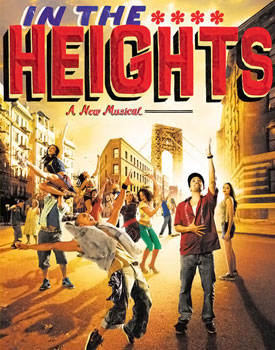
In the Heights (2008): Created by Lin-Manuel Miranda, In the Heights celebrates the vibrant culture of the Washington Heights neighborhood in New York City. With a fusion of hip-hop, salsa, and traditional musical styles, the show highlighted the dreams and struggles of a diverse community. Pick up my unit of it here. 

Fun Home (2013): Based on Alison Bechdel‘s graphic memoir, Fun Home marked a shift towards more personal and introspective storytelling. It explores themes of family, sexuality, and self-discovery, receiving acclaim for its emotional depth and authenticity. Looking for a Broadway unit for Fun Home?  Check out–Fun Home

Showtime Chronicles: History of Musical Theater Unveiled

Six Reasons Students Should Study the History of Musical Theater:

Studying the history of musical theater is not just a journey through captivating stories and enchanting melodies. It can be a transformative experience for some students. Obviously, theater and music students benefit the most.   Here are six reasons why delving into this rich history is a must for aspiring performers, directors, and creators:

1. Cultural Insight: The evolution of musical theater mirrors the cultural shifts of different eras. Understanding this history provides students with insights into the societal norms, values, and challenges that influenced the creation of iconic productions.

2. Artistic Evolution: The history of musical theater showcases the ever-changing landscape of artistic expression. Because there is a plethora of them, students can witness the evolution of musical styles and storytelling techniques. Reviewing the traditional melodies of the Golden Age to the experimental sounds of contemporary productions is simply fascinating! 

3. Innovation and Experimentation: Aspiring theater professionals can draw inspiration from the innovative spirit of past musicals. For example, when students explore groundbreaking productions like Rent and Wicked they are encouraged to push boundaries, experiment with new forms, and challenge the status quo in their own creative endeavors.

4. Social Commentary: Many musicals serve as powerful tools for social commentary. When examining works like West Side Story and Fun Home, students can gain a deeper understanding of how musical theater addresses and challenges societal issues.  Additionally, it  fosters a sense of responsibility in using their art. The musicals themes provoke thought and discussion.

5. Collaboration and Teamwork: The collaborative nature of musical theater is a unique aspect that sets it apart from other art forms. More over, studying the history of successful collaborations between composers, lyricists, directors, choreographers, and performers emphasizes the importance of teamwork in creating memorable and impactful productions. Looking for a bundle’s worth of unique lessons?   Pick up:  Year Long Theater Curriculum

undefined

6. Diversity and Representation: The recent emphasis on diversity and inclusion in musical theater opens up new narratives and perspectives. Consequently, students exploring productions like In the Heights can appreciate the importance of representing diverse voices on stage and the potential for musical theater to be a platform for social change.

Musical Theater and Its Evolution

In conclusion, I say safely say that the study of musical theater history is not just a journey. It’s a vibrant tapestry reflecting society’s evolution and the unstoppable force of creative expression. The show goes on, my friends, with new influences and stories captivating audiences worldwide.

Have you considered teaching your students about Juke Box Musicals?  Check out this blog post  Exploring the Magic of Jukebox Musicals: When Hits Shape the Stage

I wonder what musical will next be created. What musical do your students enjoy the most?  I’d love to hear about it.  Feel free to email me at DhcBaldwin@gmail.com

Deborah Baldwin, Dramamommaspeaks


Share this:

  • Click to share on Tumblr (Opens in new window) Tumblr
  • More
  • Click to share on X (Opens in new window) X
  • Click to share on Facebook (Opens in new window) Facebook
  • Click to share on Pinterest (Opens in new window) Pinterest
  • Click to share on LinkedIn (Opens in new window) LinkedIn
  • Click to email a link to a friend (Opens in new window) Email
  • Click to share on Reddit (Opens in new window) Reddit
  • Click to share on Pocket (Opens in new window) Pocket
  • Click to share on Telegram (Opens in new window) Telegram
  • Click to share on WhatsApp (Opens in new window) WhatsApp

Like this:

Like Loading...

Filed Under: arts integration, drama education, drama integration, Education, Education, excellence in teaching, High School, middle grades, music education, Musical Theatre, performing arts, Teacherspayteachers, youth theatre Tagged With: Fun Home, history of musical theater, in the heights, musical theater history, Rent, Show Boat, Sound of Music, The Black Crooke, Wicked

Discovering Melodrama: A Theatrical Adventure for Students

November 1, 2023 By dhcbaldwin Leave a Comment

A village and a hero on the cover of a blog post about melodramas

Discovering Melodrama: A Theatrical Adventure for Students

Today, I want to chat with you about discovering melodrama: a theatrical adventure for students.  I know from my own experience it is so much fun.  There used to be a melodrama in Cripple Creek, CO and Dodge City, KS which my parents and I attended.  As I was only starting my journey in theater, I was tickled by it. It was so over the top and the corny jokes kept us laughing.  We knew it was bad theater, but we just didn’t care.  It was fun and that’s what a good melodrama should be.

Discovering Melodrama: A Theatrical Adventure for Students

In the realm of performing arts, this genre stands out for its vivid portrayal of heightened emotions, intense conflicts, and larger-than-life characters – melodrama. As you might expect, I’ve performed and directed several melodramas. If you are like me, you just can’t help yourself and enjoy them, too.  If you’d like to learn more about my directing experiences, check out Eighteen Ways To Make Your Directing Experience Less Stressful, Part One

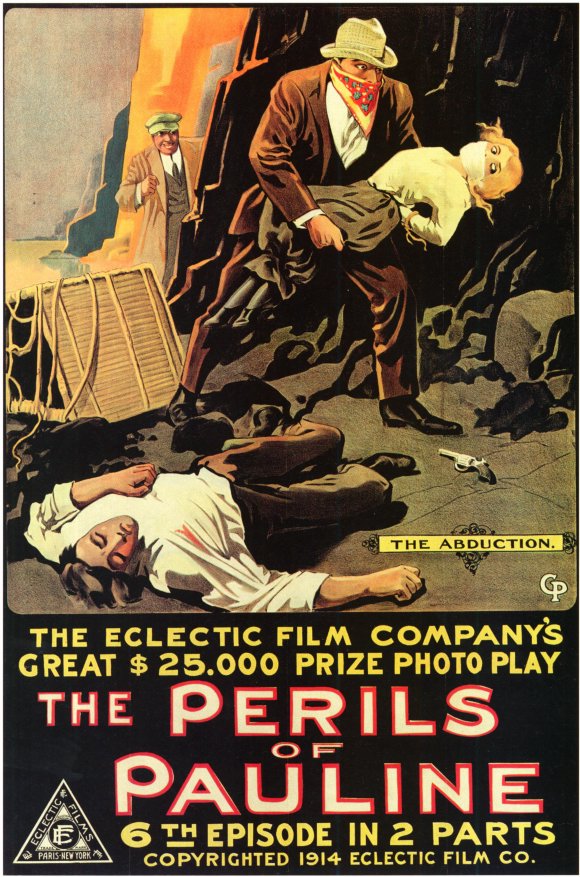
The history of melodrama is a captivating journey through the evolution of theater.  It  reflects societal changes, artistic innovation, and the eternal fascination with exaggerated emotions. Your students would enjoy learning about them and even performing them.

The Origins: Setting the Stage

If you’ve wondered, the term “melodrama” finds its roots in Greek, where “melos” means music, and “drama” means action or play. Its history traces back to the 18th century, where it emerged as a blend of spoken word and music, primarily in operas and stage productions. These performances often used music to underscore the emotions of the characters, creating a heightened sense of drama.

Discovering Melodrama: A Theatrical Adventure for Students

Little Mary Sunshine Musical

One of my favorite melodramas to direct is Little Mary Sunshine.  Are you familiar with it? From Concord Theatricals, ” This hugely successful off-Broadway show played for almost three years at New York’s Orpheum Theatre, winning an Obie award as the Best of the Season. Billed as “a new musical about an old operetta,” Little Mary Sunshine gently spoofs such old-time favorites as Rose Marie and Naughty Marietta, but has a personality all its own.

The plot is a little bit of everything: Colorado Rangers led by stalwart Captain Jim; the lovely Mary Sunshine and her “naughty” maid Nancy; a chorus of giggling schoolgirls; and the ominous but benevolent Indian chief. Hearts are won and lost and won again in this delightful, laugh-filled and charming show.

Discovering Melodrama: A Theatrical Adventure for Students

Discovering Melodrama: A Theatrical Adventure for Students

The Rise of Theatrical Melodrama

The melodrama we all think of did not gain traction until the  19th century, especially in Europe and America. However, once it caught on, it became a prominent form of entertainment. It’s big draw! It  captured the attention of a burgeoning middle-class audience.  Because of the The Industrial Revolution and the societal changes it brought, the themes of melodramas were significantly influenced.  Plus, the growing divide between social classes made for excellent story lines.

Melodrama and Characterization

Students enjoy melodramas because of the stark contrasts between good and evil, virtue and vice. Characters were often portrayed in an exaggerated manner, allowing the audience to clearly identify with the hero’s unwavering goodness or the villain’s diabolical intentions. The narratives are often simplistic, so there’s a big plus.

It also emphasizes moral dilemmas and the triumph of virtue over vice. Many of our super heroes movies, although usually considered science fiction, follow the same pattern.  Being familiar with super hero plot lines, students have an easy time understanding and portraying the characters in a melodrama. Speaking of super heroes.  Check out my blog post:Superhero Drama: Captivating Classroom Techniques

ISC.20.Performance

Theatrical Elements of Melodrama

One thing you can always depend upon in a melodrama is its emphasis on spectacle. Elaborate stage designs, dramatic lighting, and exaggerated gestures added to the overall effect, intensifying the emotional experience for the audience. Generally, music plays a pivotal role, heightening the tension and emotions of key moments.

Furthermore, stock characters (the mean villain, the sensitive hero, the persecuted heroine, the simpleton, the faithful friend and the villain’s sidekick)  became a hallmark of melodrama. These characters were archetypes that the audience can easily recognize and of which they can relate.

As most of our theater teachers will tell you, our student actors need permission to exaggerate. You wouldn’t think so, but it’s much easier to clown around in class than to actually do so on the stage.  Students aren’t willing to step out and be vulnerable when everyone is watching them.  Producing a  melodrama allows them to cut their acting teeth,  so to speak, while giving them time to adapt to the stage in general.

Did you know I have the secret to boosting student engagement?  My new book, “We’re Live! Radio Theater #101” explains my journey to implementing this unique tool in the classroom. Check it out here

Discovering Melodrama: A Theatrical Adventure for Students

My Suggestion of Melodramas

If you are considering directing a melodrama, here are a few I’d suggest considering one of these plays.

Only an Orphan Girl(5 F 3M)

The Orphan Girl is a long-suffering young lady who seems destined not only to lose her lover but her life as well. The familiar characters of old-time melodrama here play their roles up to the hilt. The most thrilling scene is that in which dynamite (planted by the villain) is about to blow all the good characters to eternity. Just in time, however, Lucy picks up the dynamite and throws it out the door. On reflection, though, it seems that the thrill just described is actually topped by the even more exciting scene in the sawmill, where Nellie, tied to a log, is approaching the circular saw which in a moment will tear her to pieces. The hero, who has been tied by the villain, is freed just in time to thrust aside the latter who draws a pistol on him and threatens to kill him if he dares touch the lever that will save Nellie. The villain fires. The hero is wounded. And, at this very instant, a friend opportunely appears to snare the villain, and Nellie is safe in the arms of her hero.

A Fate Worse Than Death–(7F 5 M) “Gadzooks! What a beautiful night for a murder!” hisses the villain. Yes, there’s plenty of dirty work going on at the crossroads as that fiendish scoundrel, Cassius Carstairs, pursues the pure Carlotta Flower, the persecuted heroine who is more sinned against than sinning. This wildly funny melodrama gives the audience every chance to hiss the villain and applaud the hero and heroine, and to have the time of their lives. With tongue in cheek it incorporates all of the surefire situations used in the old time melodramas and the result is a wonderfully happy piece of nonsense with laughs tumbling over each other in rapid succession.

Two More Suggestions

The Curse of an Aching Heart— (3 F 9 M) This modern treatment of an old melodrama will have folks hissing, booing and applauding. The sweet heroine is Melody Lane, a self educated and lovely orphan who falls into the hands of scoundrel Windermere Hightower. After Melody and the villain are married, he tells her that he expects her to carry out his criminal schemes. Revolted, she flees a wife in name only. Several months later she is at the None Such ranch where she falls in love with stalwart Lucius Goodenough. When Windermere appears at the ranch, Melody is appalled. He tries to force his attentions on her and Lucius knocks him down. For revenge, Winderemere steals money and plants it on Lucius. His dirty work is discovered and he is unmasked but he gets away and returns to the ranch disguised as a peddler. And once again the virtuous heroine is rescued by guess who?
Yellow Iris–(2 F 7 M) An Agatha Christie gem! A distressed phone call from a mystery woman brings Hercule Poirot to the hotel Jardin des Cygnes, where a man commemorates the four-year anniversary of his wife’s sudden death – a death under very suspicious circumstances that Poirot himself witnessed. Gathered is everyone present on that fateful night and now Poirot must find a killer in the midst, before they strike again.

Discovering Melodrama: A Theatrical Adventure for Students

The Enduring Allure

Audiences enjoy melodramas because they feel familiar. Have you ever seen a melodrama when you were visiting an old western town?  Yup.  They are everywhere.   The everlasting appeal of melodrama lies in its ability to heighten emotions, captivate audiences, and offer a form of escapism. The genre remains a testament to the timeless allure of storytelling through the portrayal of intense emotions and moral conflicts. I don’t plan to direct anymore, although I honestly would re-consider if someone asked me to direct a melodrama. Now, that would be fun!

Have you ever wondered about juke box musicals?  Check out this post:  Exploring the Magic of Jukebox Musicals: When Hits Shape the Stage

This has me so enthused about melodramas, I decided to create a unit for students to study and write their own melodrama.  Now, how’s that?

Here it is!  Pick it up here. 

A 7 day unit concerning playwriting and creating your own Melodrama

Do you follow me on Instagram?  If not, please do.

Pick up a free warm up collection here. Drama Warm-Ups Collection

Are you a teacherspayteachers.com member?  You can follow me here.

What experiences do you have with melodrama?  I’d love to hear about them.  Please feel free to email me here or at DhcBaldwin@gmail.com

Dramamommaspeaks Blog Author Deborah Baldwin

Share this:

  • Click to share on Tumblr (Opens in new window) Tumblr
  • More
  • Click to share on X (Opens in new window) X
  • Click to share on Facebook (Opens in new window) Facebook
  • Click to share on Pinterest (Opens in new window) Pinterest
  • Click to share on LinkedIn (Opens in new window) LinkedIn
  • Click to email a link to a friend (Opens in new window) Email
  • Click to share on Reddit (Opens in new window) Reddit
  • Click to share on Pocket (Opens in new window) Pocket
  • Click to share on Telegram (Opens in new window) Telegram
  • Click to share on WhatsApp (Opens in new window) WhatsApp

Like this:

Like Loading...

Filed Under: arts education, community theater, community theatre, drama education, Education, performing arts, plays, theater, theatre, youth theatre Tagged With: acting, high school, melodramas, Middle school

« Previous Page
Next Page »

Footer

Follow Us

logo3.png

FOLLOW US

Facebook X-twitter Pinterest Instagram Envelope Rss

Goodreads: read

Malibu Rising
Malibu Rising
by Taylor Jenkins Reid
People We Meet on Vacation
by Emily Henry
The Last Thing He Told Me
by Laura Dave
Faking It
Faking It
by Cora Carmack
Losing It
Losing It
by Cora Carmack

goodreads.com
Copyright © 2024 · Wellness Pro on Genesis Framework · WordPress.com.Log in
 

Loading Comments...
 

    %d