• Skip to primary navigation
  • Skip to main content
  • Skip to footer

Join Me in my new Facebook Group! https://www.facebook.com/groups/417126059784261

Menu
  • Meet Deb – The Heart Behind DramaMommaSpeaks
    • Work with Me! 
    • Photo Gallery of DramaMommaSpeaks
    • Directorial Credits
  • I Give Book Talks! 
    • Book Talk Through Skype
    • Books
  • Freebies!
  • Bumbling Bea
  • Teaching Resume
  • Acting Resume
  • Contact Me
  • Blog
    • Drama Education
    • Arts Education
    • Youth Theatre
    • Middle Grades
    • Musical Theatre
    • Teaching
  • Meet Deb – The Heart Behind DramaMommaSpeaks
    • Work with Me! 
    • Photo Gallery of DramaMommaSpeaks
    • Directorial Credits
  • I Give Book Talks! 
    • Book Talk Through Skype
    • Books
  • Freebies!
  • Bumbling Bea
  • Teaching Resume
  • Acting Resume
  • Contact Me
  • Blog
    • Drama Education
    • Arts Education
    • Youth Theatre
    • Middle Grades
    • Musical Theatre
    • Teaching

costume design

What Everyone Should Know About Selecting a Musical For Their School

July 5, 2023 By dhcbaldwin Leave a Comment

Today, I want to talk to you about what everyone should know about selecting a musical for their school. As much as it is exciting to think about what production would serve your students the best, it’s also a huge challenge to do so.

Before you, the director, do anything you of course must read several scripts and select the one you like the most. This needs to occur at least six months in advance–don’t wait on this decision. (Why?  Because everyone and their dog is getting rights to productions.) I suggest you check out: Music Theater International or  Concord Theatrical, but there are many more just as good. 

First, I’d look over the music and make certain you have students who can sing the roles. Check vocal ranges, too.  Musicals are notorious for having many scene and costume changes, so be on the look out for those needs.  All that will matter when you begin to mount the production.  I have a lot of experience with Music Theater International.  Check out this post concerning my opinion of them:  MTI Junior Musicals– A Dream Come True!

My First Choice for a Musical

People ask for my advice concerning which musical they should select.  Generally, if it’s their first musical I suggest the near classic The Music Man.  It is still my go-to if I have the opportunity to choose the production.

What Everyone Should Know About Selecting a Musical For Their School

Selecting a Musical for Your School

Here’s the synopsis straight from Music Theater International, “By turns wicked, funny, warm, romantic and touching, The Music Man is family entertainment at its best. Meredith Willson’s six-time, Tony Award-winning musical comedy has been entertaining audiences since 1957 and is a family-friendly story to be shared with every generation.

The Music Man follows fast-talking traveling salesman, Harold Hill, as he cons the people of River City, Iowa, into buying instruments and uniforms for a boys’ band that he vows to organize – this, despite the fact that he doesn’t know a trombone from a treble clef. His plans to skip town with the cash are foiled when he falls for Marian, the librarian, who transforms him into a respectable citizen by curtain’s fall.”

This script is written very well.  If you’ve ever seen a play written by Neil Simon, you know that no matter who directs it the script will carry the actors’ performances no matter their quality.  Meredith Willson’s book for The Music Man is the same way.  To think that this gem was written in 1957 and still stands the test of time, never feels dated or old is a testament to its quality.

Looking to teach how to write your own musical to beginning students?  Go here.

File:Meredith willson 1937edited.jpg

Meredith Wilson

Selecting a Musical for Your School

Ever heard the phrase “butts in the seats”? In theatre, one of our biggest challenges is paying the bills for a production.  Some companies mount only musicals because they’ve discovered musicals have wide appeal. They are big money makers which is a good thing, because they cost a fortune to just rent!

So, if you want to fill your venue’s seats with more than just parents and students’ friends, pick something like The Music Man as your first production. If you are the first person to begin a program in your school, you want to wow your audience and establish a strong foundation for the future.  I do not recommend you do the latest and trendiest musical right now, whatever it may be.  Establish your program first and then select something more modern.

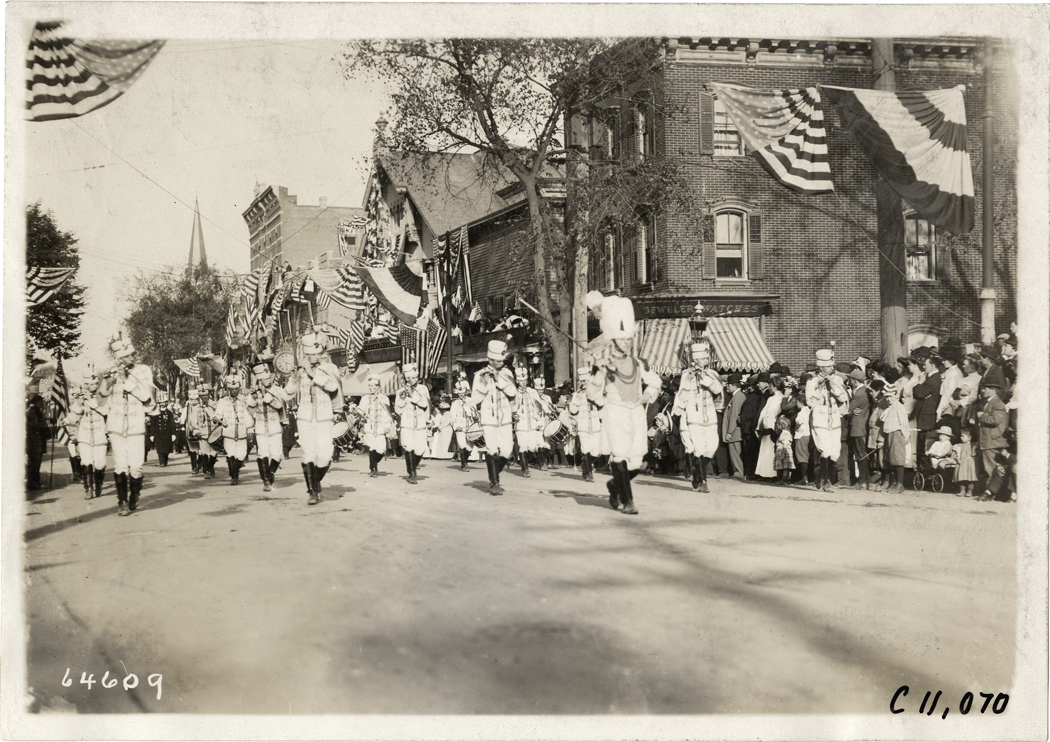
I recommend Music Man because the show has been around for many years and people have either seen it many times, on screen and a theater or they’ve performed in it.  It’s a staple of most theater companies, especially community theater.

What Everyone Should Know About Selecting a Musical For Their School

Your Objective

It’s important for you to have an objective with your production.  Some questions to ask yourself–Are you trying to establish a new program?  Or establish yourself in the department?  Or do you want a theater program which parents can trust and support?

The selection of your future musicals and plays will address your objective if you first decide upon it. You can always change your mind after a year or two and head a different direction if you aren’t having the success you expect.

The Music

This music has a “toe tappin'” kind of feel.  A lot of the songs are very familiar to people and you will find that your students may not them by having heard them so much.  Songs like “76 Trombones” is the most famous.  Most of the music is easy to learn.

The only difficult is that of the barbershop quartet (aka the School Board) with songs such as “Lida Rose.”  Also, Marion has an exciting one–“My White Knight.” Generally, the music can be learned to sing either unison if you need or several parts or a full out chorus

What Everyone Should Know About Selecting a Musical For Their School

Cast Break down

The show requires thirteen males and females and a chorus.  Your chorus can be as large as you need which in a school setting is so helpful.   Your biggest challenge is finding a male to play Harold Hill, the lead.  If he can act well, but his singing isn’t the best that’s okay.  It’s most important that your female lead, who portrays Marion Paroo, be a lovely singer who sings soprano.

The Music Man is a terrific vehicle for females.  Halleluijah!  If you are producing this at the high school level, you can feature a group of dancers who portray the students in the band at the end of the show.  Also, you need a few younger students.  You can involve elementary students or use students who are small and look younger.

Several of the characters require acting which is comedic and broad. Generally, novice actors  can do this believably.  Directing broad acting is easiest for novice directors as well.  The Mayor, his wife Eulailee,  his daughter Zaneeta, Zaneeta’s boyfriend Tommy, Harold’s friend Nathan.

Plus, some members of the chorus such as the Pick a Little Ladies and the School Board have great moments for comedy.  If the acting becomes too melodramatic, it is easy to direct actors to “pull it back a bit.” I always say if you have a strong Harold Hill and Marion Paroo the show can ride on that!

What Everyone Should Know About Selecting a Musical For Their School

Set Design

Another plus to The Music Man is the set.  There are several settings in the show:  the library, the Paroo home and porch, the school gymnasium and the town square. They can be depicted with the use of flats made into periaktois which display the different places in the story.

If you have room for a turntable, it’s useful in this situation and keeps the production moving along smoothly.  If you have room for platforms, you could use them instead.  And the use of white lattices goes a long way to give the idea of a small town at the turn of the century.

What Everyone Should Know About Selecting a Musical For Their School

Costumes

As we probably know, costumes play a vital role in a production.  This show is set in the early 1900s.  Never you mind about that!  I’ve found that if you have one costume per person for this production you can get by adequately.  The woman need long skirts, long sleeved blouses with high collars.

The girls need calf length skirts and blouses like the ladies. The men and boys need trousers, a long sleeved shirt and a hat.  Generally, my Harold and Marion have several costumes. There is a barbershop quartet which are fun to dress alike and a group of ladies who dress in Grecian togas for one scene.  Everything is up to your concept, so just do the best you can. 

Here’s a secret.  If everyone has the proper shoe wear for the show, you can pull it off.  So, women in heeled lace up boots (which look like the time period), and children in a neutral shoe like a short boot or girls in a black flat are adequate.

A good place to find hats for this musical is Amazon.  I see they have skimmer hats for men.  Or you can purchase  inexpensive simmer hats which are made of  sytrofoam  and paint them with craft paint to look more believable.  In the past, my ladies purchased hats with large brims. They’d get together and have a hat party decorating their hat for their character. I’d suggest a few of these hats. Hot glue some flowers on these babies and you are good to go!

The only big challenge in costuming are the marching band uniforms.  Your solution is to talk with your music departments and see if they keep their old marching band uniforms.  If they do, you can use those.

What Everyone Should Know About Selecting a Musical For Their School

Stage Properties

Most of the stage props are simple to collect though a few are tricky. You need a firecracker or something that makes the sound of a firecracker for the gymnasium scene.  This show requires band instruments for your “kid band” to hold near the end of the musical  They don’t have to work very well.  Your students don’t need to play them so if they are broken but look fine, that’s okay.

I’ll be honest here. I know I’m partial to this musical.  My husband  and I met while he conducted the orchestra for a production of it and I played Marion.  In addition, I’ve produced and directed both the adult version and junior versions four times.

All I can say friend is, it works.  It works. every. time. If you are looking for a Broadway musical to study with your students, check out my Broadway Musical and Unit of The Music Man. It contains everything a busy teacher needs to be successful in teaching it and engaging their students.

So there you have it–what everyone should know about selecting a musical for their school.  What musical do you suggest to new directors?  I have several others I suggest as well.  They are another blog post.

Woman behind DramaMommaSpeaks


Share this:

  • Click to share on Tumblr (Opens in new window) Tumblr
  • More
  • Click to share on X (Opens in new window) X
  • Click to share on Facebook (Opens in new window) Facebook
  • Click to share on Pinterest (Opens in new window) Pinterest
  • Click to share on LinkedIn (Opens in new window) LinkedIn
  • Click to email a link to a friend (Opens in new window) Email
  • Click to share on Reddit (Opens in new window) Reddit
  • Click to share on Pocket (Opens in new window) Pocket
  • Click to share on Telegram (Opens in new window) Telegram
  • Click to share on WhatsApp (Opens in new window) WhatsApp

Like this:

Like Loading...

Filed Under: acting, Arts, arts education, Broadway, community theater, directing experiences, drama education, music education, Musical Theatre, Producing plays and musicals, youth theatre Tagged With: casting, community theater, costume design, directing advice, set design, stage production advice, stage properties, The Music Man Broadway musical, themes

Unlocking the Secrets of Elementary Theater Class: A Comprehensive Guide

June 14, 2023 By dhcbaldwin Leave a Comment

two boys making funny faces for the camera

Unlocking the Secrets of Elementary Theater Class: A Comprehensive Guide

At this time of year, many newly employed teachers are perusing the internet for lessons for their classes.  Today I’m going to discuss unlocking the secrets of elementary theater class: a comprehensive guide.

A little history about me–My first job was as an English teacher in a junior high school.  Bear in mind that I was certified to teach English, but had never taught it or even experienced teaching it as a student teacher. My student teaching was in theater which in the 1970s was almost unheard of in the mid-west.

Anyway,  I remember they gave me this HUGE book with all of the benchmarks or objectives I was to reach.  It was so full of jargon, I had to sit and translate it into layman’s English.  Finally, I got the hang of it.

My Teaching Journey

When I began teaching middle school theater in the mid 90s (yikes), no one seemed to be clear on what they wanted me to cover.  I came into the position with twenty years of teaching and directing experience outside the classroom, so I knew what to do in those circumstances. Continuing in this position for thirteen years, we then moved to Estes Park, CO which was a dream we never thought would occur.  We loved it!

While in Colorado for six years,  I taught a creative dramatics class to second through fifth  grade students in a home school enrichment program called Apex Home School Enrichment.   The classes were fifty-five minutes in length, once a week.  I saw around 175 students a week over three days. Because I came to the position with so much teaching experience, it was very easy for me to create a curriculum , because I knew what worked and what didn’t.  I hope I can pass along some of this experience to you now.

Unlocking the Secrets of Elementary Theater Class: A Comprehensive Guide

Unlocking the Secrets of Elementary Theater Class: A Comprehensive Guide

To be frank, there are good and not-so-good parts of being the only theater teacher in a school.  The good is that you can make your own decisions as to the content you teach without having to go through a department chair for their approval.  The greatest challenge I believe is that because you are alone in teaching the subject, you don’t have anyone to bounce ideas off of who truly understands what you are teaching.

I know what that’s like.  Having taught for over thirty-eight years, I’ve felt alone many times in my career.  Plus, when you are just starting out its easy to become overwhelmed by all the necessary details.  You probably say to yourself, do I have to create all these lessons all by myself.  The answer is no.

Unlocking the Secrets of Elementary Theater Class: A Comprehensive Guide

Where can I find creative dramatics lessons?

You can join some fancy membership website and spend a lot of money buying lessons you may ever need. Maybe you purchase the membership at the beginning of the year because it sounded like a really good deal.  And maybe it is.  Perhaps you discover after assessing your students for a week or so that this website doesn’t offer what you need. You feel stuck because you paid your money and well, the lessons will suffice.

There is nothing worse than the nagging feeling that you are not doing something especially useful for your students. I’ve been there and I understand.  I bet deep in your soul you know these are not the lessons your students need and really, you need to work ala carte! You want to pick and choose what you cover with your students, planning a month or two at a time.  Check out my latest article in One Classroom Over magazine.

Many times when teaching elementary students, in my opinion, there is too much emphasis placed on the wrong aspects of theater. The secret to unlocking curriculum is go right to ala carte! 

Unlocking the Secrets of Elementary Theater Class: A Comprehensive Guide

Here are some things you do not need to cover:

  1.  Scene study
  2.  Monologues
  3.  Writing a play
  4.  A comprehensive study of the history of theater
  5.  Memorizing large quantities of lines
  6.  Performing in a play longer than fifteen minutes
  7.  Performing in a musical longer than 30 minutes
  8.  Stock characters–Greek and Roman theater helped flesh out stock characters as a concept, but many of the ones we have now would  not originate until much, much later.

When I taught these creative dramatics  lessons in this particular order I began with the easiest concepts and progressed to the most challenging. This was a pass/fail course.  I gave a daily participation grade as well.

Unlocking the Secrets of Elementary Theater Class: A Comprehensive Guide

Here are some concepts they do need to study:

  1. Tableau (1 day)–Tableau is a staple of theater and a non-threatening concept which beginning theater students can learn. Students learn how to make stage pictures (which is one of the basic of directing as well), however they don’t have to say anything. You can find my tableau lessons here:
  2. . Chanting (1 day)–Chanting, (in my TPT store) or a repeated word or phrase used to illicit an effect is the second component I teach novices. Got some questions about teaching middle school? You can also find it in my Made by Teachers store at: Chanting
  3. Movement (2 days)–Just like tableau, students enjoy creative movement because there is no speaking.  Plus, it does a great job of giving students some physical exercise which they sorely need.
  4. Storytelling–(3 days) To learn to tell a story with all of its parts (beginning, middle and end, etc.) is an important skill. You can also find it in my Payhip store at: Storytelling Unit 
  5.  Parts of the stage–(1 day) Students have a difficult time understanding these labels unless they are learned right along with performing. So, keep that in mind.
  6. Improvisation (2 days)–Some advice for you: never begin your year by throwing students into improvisation.  It’s terribly difficult for the novice actor or those who are reluctant about the class.  Build up their trust for at least a month. Take it in baby steps. Try this drama circle for Halloween!
  7. Mask making (2 days)–Students enjoy creating masks and using them in movement pieces or to create a character. My advice?  Use animal masks which are premade or they can create their own.
  8. Costume Design (2 days)–Who doesn’t like costume design?  Depending upon the time of year, I like to teach about costume design with a thematic approach. In this case, it’s Halloween characters or teach with fairy tale characters.
  9. Components of a Stage (1 day) –It’s best to teach these positions as students study set design so they can apply the information you give them.
  10. Set Design (2 days)– Teaching how to draw a rendering of a set is super useful and fun!
  11. Stage Properties (4 days)–Creating and making a stage prop is a magnet for student engagement.  Maybe you can make a prop which is used in the class play, such as snowflakes for a play, Ojisan and the Grateful Statues which is set in winter.
  12. Performance (1 week) You can choose to direct your students in a short one act class play, readers theater or a radio theater play-I liked to switch it up every now and then using something different.   Word of caution–don’t have one class performing a play while the others are studying radio theater.  You will make yourself crazy.
  13. Audience etiquette (weekly)–You can teach how to be a good audience member every day if you like.  Reminding students of what a quiet, attentive audience looks like goes a long way with them.
  14. Warm up Exercises–You can never go wrong with a good warm-up exercise.  Here is one which always works–Firecracker Freeze Tag

If you’d like you can purchase a bundle of them at a discounted cost right here: Theater Arts Lessons for Grades 3 to 5

Unlocking the Secrets of Elementary Theater Class: A Comprehensive Guide

Unlocking the Secrets of Elementary Theater Class: A Comprehensive Guide

In 2018, I opened my store on Teacherspayteachers.com.  My plan was to recoup the pension I lost by staying home with our daughters when they were very young.  I understood that I would lose half of my pension at the time of my retirement, but to this day I have no regrets.  This was a real privilege and I’m aware that many educators don’t have the luxury to do the same.  To this day, I know our daughters almost as well as they do themselves because I was with them when they were young. I treasure that. The aforementioned words in blue are links to my resources which you are welcome to use in your classroom.

If you need defenses for your lessons, check out National Core Arts Standards: A Conceptual Framework for Arts Learning

Do you have any questions?  One feature of my business is that I am available for any teacher who needs a bit of advice or direction for their theater class, no matter the grade level.  You can find me at DhcBaldwin@gmail.com

Unlocking the Secrets of Elementary Theater Class: A Comprehensive Guide


Share this:

  • Click to share on Tumblr (Opens in new window) Tumblr
  • More
  • Click to share on X (Opens in new window) X
  • Click to share on Facebook (Opens in new window) Facebook
  • Click to share on Pinterest (Opens in new window) Pinterest
  • Click to share on LinkedIn (Opens in new window) LinkedIn
  • Click to email a link to a friend (Opens in new window) Email
  • Click to share on Reddit (Opens in new window) Reddit
  • Click to share on Pocket (Opens in new window) Pocket
  • Click to share on Telegram (Opens in new window) Telegram
  • Click to share on WhatsApp (Opens in new window) WhatsApp

Like this:

Like Loading...

Filed Under: arts education, arts integration, creative dramatics, creative movement, drama education, drama integration, Education, elementary, performing arts, Radio Theatre, readers theater, storytelling, Teacherspayteachers, Teaching, youth theatre Tagged With: chanting, costume design, movement, mulicultural plays, readers theaterplay production, set design, storytelling

9 Compelling Reasons Why You Need Lessons Using Super Heroes

April 18, 2023 By dhcbaldwin Leave a Comment

9 Compelling Reasons Why You Need Lessons Using Super Heroes

Have you ever experienced a “Eureka” moment while teaching?  You know those moments where everything just clicks and everyone is surprised, especially you? In this case it was super heroes. Let’s talk about 9 compelling reasons why you need lessons using super heroes.

I’ve shared several times that I taught a pre-elective drama class to sixth graders for thirteen years.  If you’d like more information about that time, check out: How to Make Your Drama Class More Successful –Lessons Learned from 38 Years of Teaching-Middle School.  One of the most exhausting parts of it was the constant lesson planning.

If you are at all like me, you know that the “lesson planning monkey” on your back is demanding. And relentless.  Finally, in desperation one week, I took a stab and did something completely spontaneous with my students.  I used super heroes in all my lessons for a week.  The students were thrilled and I was, too!

Many super heroes grouped together

Did you know that super heroes have been a part of our world for nearly one hundred years?

During the late 1930’s to 1950’s, the Golden Age of Comic Books were created. Modern comic books were first published and rapidly increased in popularity among the masses. The superhero archetype was created and many well-known characters were introduced, including Superman, Batman, Captain Marvel, Captain America, and Wonder Woman. Most superheroes served as a figure who inspired hope. This hero could save us all from dark and difficult times. Superhero stories promote the ideas of peace, safety and freedom. Some experts consider this message a necessary reassurance in difficult times. The message isn’t about a country succeeding, but recognition that there are others with similar hope for a peaceful future

If I’ve convinced you to consider utilizing super heroes in your teaching, read on!

9 Compelling Reasons Why You Need Lessons Using Super Heroes

When I began writing this blog post, I ran on to a wonderful website, Momjunction.com who stated:

Reason #1: Superhero play gives kids the chance to pretend to be strong and invincible,

Reason #2: They encourage students to make new friends and helps them develop an identity outside of real life.

Reason #3: Super heroes  help children explore moral values and dilemmas and to establish what they and others perceive as right and wrong.

Reason #4: They help children build their confidence. Exposing students to the fantastic world of superheroes may help them come out of the shell and encourage them to face the world with renewed confidence.

Reason #5: Also, they act as role models. Superheroes can be good role models as they teach children various attributes such as courage, honesty, humility, fighting spirit, sense of responsibility, and leadership.

Reason #6: Super heroes instill compassion. Because they are aware of their superiority, it gives the a different perspective on others.  They know that they could destroy most everything and everyone.  Consequently, they understand their actions–both physical and emotional are not only necessary but need to be governed at all times.

What Superheroes Teach Us About Strength, Teamwork, and Joy

Reason #7: They teach willpower and courage.  Super heroes don’t give up at the first failure.  They keep trying until they read their goal.

Reason #8: As you might expect, they  model teamwork.  When super heroes work together they know they must share the burden of the challenge and employ the best in each other. All team members respect each other’s opinions and capabilities while collectively working towards the common goal.

Reasons #9 They are just plain fun.  Super Heroes and their quests take us to a different place in our imaginations where anything is possible. Pick up some fun supplies for your super hero week here: Super Hero Teaching Supplies

Have I convinced you yet to use super heroes in your teaching?

This is How I Can Help You

Maybe you need some ready-made lessons?  I have a brand new Dramamommaspeaks store where you can purchase a few lessons with a superhero theme.

Each lessons focuses on a different theme–playwriting (the monologue), tableau and movement, costume design and storytelling.

A teacher could use them as is in their drama classroom or a reading teacher could integrate them into a unit about super heroes.  Usually students in grades 5 to 8 enjoy them the most, but you know your students the best so you decide.  You can purchase them at Payhip.com or Teacherspayteacher.com.

My Teaching Style

You may find my lessons to be quite unique–there’s a reason.  Since I taught theater classes for nearly forty years, I had the rare opportunity to watch theater subjects unfold and change over many years.  I got to see first hand what worked and what wasn’t so successful.  For instance, there was a time when we didn’t even try to teach technical theater, but now we have lots of units about them.

During this time, I noticed that middle and elementary teachers were using themed units to teach particular concepts or objectives. The students appeared very excited by them.  Hence, when I was exhausted from planning I turned to using themes to teach theater concepts and it worked wonderfully. Here is one for Halloween: Halloween Drama Lessons and Units 

If you want to learn more about how to integrate drama into your classroom, check out: How to Excite Students With Drama Integration

What are some themed units you’ve taught?  I’d love to hear about them.  Email me at DhcBaldwin@gmail.com and let’s chat!

Woman behind DramaMommaSpeaks

Share this:

  • Click to share on Tumblr (Opens in new window) Tumblr
  • More
  • Click to share on X (Opens in new window) X
  • Click to share on Facebook (Opens in new window) Facebook
  • Click to share on Pinterest (Opens in new window) Pinterest
  • Click to share on LinkedIn (Opens in new window) LinkedIn
  • Click to email a link to a friend (Opens in new window) Email
  • Click to share on Reddit (Opens in new window) Reddit
  • Click to share on Pocket (Opens in new window) Pocket
  • Click to share on Telegram (Opens in new window) Telegram
  • Click to share on WhatsApp (Opens in new window) WhatsApp

Like this:

Like Loading...

Filed Under: arts education, arts integration, community theater, community theatre, creative dramatics, creative movement, drama education, Education, Education, elementary, English Language Learners, excellence in teaching, High School, middle grades, Teacherspayteachers, teaching strategies, theater, theatre, youth theatre Tagged With: costume design, movement, playwriting, Spider Man, storytelling, super hero lessons, super heroes, super man, tableau, Wonder Woman

How to Teach Play Production to Your Students

April 26, 2022 By dhcbaldwin Leave a Comment

How to Teach Play Production to Your Students

How to Teach Play Production to Your Students
DIRECTING THE MIRACLE WORKER

Let’s consider how to teach play production to your students today.  As I’ve mentioned previously, I was thrown into directing my first production when I was quite young–twenty three years old to be exact. This is how to teach play production to your students.

Ten years and an umpteen amount of me directing productions later, I began producing for the theater company.  Let me tell you, I had NO idea what I was doing but after having directed and experienced that side of it, producing wasn’t all that difficult for me. You can read about my directing experiences here:  Eighteen Ways To Make Your Directing Experience Less Stressful, Part One or Eighteen Ways to Make Your Directing Experience Less Stressful, Part Two

In fact, I discovered I was good at it!

Many times in an educational setting, our students only learn about the “fun stuff”– acting and improvisation.  But there is a whole big world of other facets of theater which are not only essential but interesting! Plus, reluctant performers may find themselves in the other aspects of theater.

How to Teach Play Production to Your Students

How to Teach Play Production to Your Students

By teaching play production to your theater class, students are given an opportunity to dip their toes into various responsibilites.  One responsibility which is largely overlooked is the job of the producer. Check out this resource if you want your students to have a comprehensive look at play production.

If we can give our students opportunities to learn through play production, then by all means let’s do it!

The Ten Steps in Play Production

How to Teach Play Production to Your Students

So, let’s consider this idea for your class. Here are ten steps for play production.

  1.  Class reads several plays (I suggest you check out: Don Zoldis plays.  They are terrific for something like this.)
  2. After discussing the pros and cons, the play is selected
  3. Order the scripts
  4. After scripts arrive, read thru again, students volunteer for the responsibility of which they show most interest
  5. Set a budget
  6. Hold auditions and cast production
  7. Begin rehearsals
  8. Hold several run thrus, a cue to cue (if need be) and dress rehearsals
  9. Perform
  10. Process the experience

Tips and Reminders for Play Production

How to Teach Play Production to Your Students

When setting the budget, you may need to teach your students how to approximate their ticket sales if you are charging for the performance.  Make sure you include any monies the department has ear marked for the play. You are the authority on what needs to be included such as scripts and royalties.  Not all students are aware of these expenditures. Looking for something free to use in your class tomorrow?  Check out:  Lin Manuel Miranda Biography and One Pager Assignment. 

I’d suggest you do everything you can to streamline this learning experience.  Nailing down your expectations for each part of the production is key here.  Create checklists for each responsibility will help with this challenge.

If the student actors aren’t rehearsing their role, they are helping the design chairs to complete their checklists. Need some checklists to de-stress opening night?  Pick up my FREE ones here:  Director’s Helper Checklists

How to Teach Play Production to Your Students

If you are presenting a one-act play, I’d suggest two or three week daily rehearsal period. If a full length play, four or five weeks of daily rehearsal will be needed.  You may need to be more liberal with this rehearsal period, however.

What is a Play Producer?

How to Teach Play Production to Your Students

Although a production would not follow this pattern in the professional world, allow your producer to lead the production.

This term can have many meanings within theater, but it usually refers to a person who manages all aspects of a production, from overseeing the budget to hiring the director and other artists. Producers have to understand both the creative and business sides of theatre.
Who is best to be a producer?  Anyone an learn how, however the students with the leadership qualities are most successful–communicative, diplomatic, fair, “big picture” people.  Do allow your producer to watch over everything–provide feedback, communicate with chairs, oversee the budget, etc.

How to Teach Play Production to Your Students

How to Teach Play Production to Your Students

There is such power in cooperative learning.  Unfamiliar with this phrase? Cooperative learning is the instructional use of small groups so that students work together to maximize their own and each other’s learning.

In a recent study through the Journal of Effective Teaching,  students taught with cooperative learning strategy performed better than those taught with th individualistic learning strategy. The experimental group obtained a higher mean score of 89.91 as compared with the mean of 79.75 for the control group. The difference between the means scores of both groups is significant.

Please know the first time you attempt this, it could be difficult  with lots of starts and stops.  However, over time the students will embrace the experience and ask for more. You may end up stepping in as an actor if someone is conveniently “sick” the day of the performance or maybe the costume designer never comes through.  Who knows?

If you stay engaged with the students as they experience a class production experience, help them navigate the twists and turns while they learn and act as supervisor, this could be the highlight of your year!

My Producer Unit

How to Teach Play Production to Your Students

You may not be aware, but I have a Producer unit.  You can find it here: Drama Producer Unit

This unit includes:

This 7 day unit about the theater producer is suitable for high school students and perhaps gifted middle graders. Students read a play or musical, choose a theater scenario, study the responsibilities of a theater producer, examine style, metaphor, create and set up a budget/income for their production and finish with sharing their ideas on a concept board. Through this unit, students develop a keen eye for what it takes to be a producer and critique their peer’s work as well.

Producer Product Preview


The product includes:

  • Warm-Up Exercise
  • The Rationale Teaching the Unit
  • Teacher Script to Introduce the Unit –what I say and how I say it!
  • Quora article with questions to answer
  • Blog Post about Broadway Tricks of the Trade
  • How to Use Metaphor in Design
  • Questions to Consider when Producing a Production
  • Procedure for Each Day
  • Photocopying List
  • Musical and Play List Titles of Most Popular Productions in High Schools
  • Three Theater Scenarios for the Students to Choose From
  • List of Publishing Companies of Plays and Musicals
  • Sources & Live Video links list including clip suggestions
  • Two Assignments–one a short essay and another creating a concept board
  • Assignment Rubric
  • Peer evaluation activity

I hope you’ll consider planning a class play production in the near future.  I’ve found it to be one of the most gratifying experiences of teaching.  Observing my students as they learned how to work with one another, see their exhilaration when they show finally comes together and listening to their “aha” moments is a wonderful thing. Maybe you just want to start small and teach your students about costume design?

What class play productions have you produced?  I’d love to hear about them.  Contact me at DhcBaldwin@gmail.com!

How to Teach Play Production to Your Students


Share this:

  • Click to share on Tumblr (Opens in new window) Tumblr
  • More
  • Click to share on X (Opens in new window) X
  • Click to share on Facebook (Opens in new window) Facebook
  • Click to share on Pinterest (Opens in new window) Pinterest
  • Click to share on LinkedIn (Opens in new window) LinkedIn
  • Click to email a link to a friend (Opens in new window) Email
  • Click to share on Reddit (Opens in new window) Reddit
  • Click to share on Pocket (Opens in new window) Pocket
  • Click to share on Telegram (Opens in new window) Telegram
  • Click to share on WhatsApp (Opens in new window) WhatsApp

Like this:

Like Loading...

Filed Under: arts education, arts integration, community theater, drama education, excellence in teaching, High School, Producing plays and musicals, Teacherspayteachers, Teaching, youth theatre Tagged With: costume design, drama education, drama lessons, drama units, high school, play production, theater class, youth theater

How Do I Use Boom Cards in My Drama Class?

August 3, 2020 By dhcbaldwin 1 Comment

How Do I Use Boom Cards in My Drama Class?

Teachers are creative beings and love an intriguing teaching method.  They are busy searching out new ways to reach students on a day-to-day basis. “To build a better mouse trap.” I always say. 

When the pandemic closed our schools, teachers scrambled for digital lessons.  Folks, they were amazing!  While everyone is extolling the virtues of our front line workers (and they are amazing), teachers should almost be included with them!

Did anyone even notice how quickly, smoothly and expertly the teachers pivoted to on-line learning? I even shifted gears in record time and I’m not in the classroom.  See how: Drama Lessons for Home-Bound Students or During the Corona Virus Quarantine

Teachers are rock stars!

What are Boom Cards?

Boom cards are self-grading that are gamified and provide teachers and parents the data they want. A teacher can use them for remedial instruction, review for a test or direct instruction.  They are awesome.  If you haven’t seen Boom Cards, check them out here: Boomcards.com

What are their strengths?

  • Digital task cards (in this case Boom Cards) build a skill base for the twenty-first century learning tools.
  • Digital task cards are flexible.
  • They can be used on a wide variety of devices.
  • They are a paperless resource–save those trees and ink.
  • They are similar to all other digital task cards or digital apps.–they are easy to use and understand.
  • Digital task cards are easy to share, give feedback and grade.

Teaching with Games

How Do I Use Boom Cards in My Drama Class?

How Do I Use Boom Cards in My Drama Class?

While I was researching this post, I found this rationale for teaching with games from ACD.org a website for administrators, principals and teachers says:

In classrooms showing the greatest gains, teachers did specific things. To get similar results, teachers should games for these reasons.

Use inconsequential competition. In general, students like to compete as long as the stakes are not high. During a two-week unit of instruction, a teacher might organize students into teams of four students each. Teams might play games four or five times during that unit. Each time they play, the first three teams to complete the game receive points (for example, 3 points for the first team to finish, 2 points for the second team, and 1 point for the third team). At the end of the unit, the teacher adds up the points for each team, and the three teams with the highest number of points get some inconsequential but fun reward, such as coupons to buy juice from the vending machines in the cafeteria.
Throughout the year, the teacher should reorganize the teams so all students have the experience of winning and losing. However, teachers must not factor game points into students’ grades for the unit. The points and rewards are simply for fun.

Target essential academic content. If games do not focus on important academic content, they will have little or no effect on student achievement and waste valuable classroom time. The most efficient way to maintain an academic focus is to organize games around important terms and phrases. For example, during a unit on dance moves, a dance teacher might identify terms and phrases such as axial movement, line of gravity, movement phrase, and nonlocomotor movement. Questions and answers would involve information important to these terms and phrases.

How Do I Use Boom Cards in My Drama Class?

How Do I Use Boom Cards in My Drama Class

Debrief the game. The most common error teachers make when using games is to add up team points and move on. The whole point of playing academic games in the classroom is to provide opportunities for students to examine important content in a lively and enjoyable venue. To stimulate analysis of important terms and phrases, a teacher can ask students which questions were difficult to answer and why.
For example, suppose that during a game of Pictionary in a mathematics class, students had difficulty drawing an image to represent the Fibonacci sequence. At the conclusion of the game, the teacher would ask students about their difficulties with this item. The discussion would serve as a brief review of the defining characteristics of a Fibonacci sequence.

Have students revise their notes. One generalization that applies to learning all types of content is that students must have opportunities to revise their understanding of the content as time goes by. When a game has ended and the class has discussed difficult terms and concepts related to the content, the teacher should give students time to revise their notes. A teacher might ask students to look over what they have previously written about this content in their notes and make any necessary changes. This might involve correcting misconceptions or adding new information that the students were unaware of.

Pretty wonderful, huh? Here is another post about using games in the classroom: Games + Teaching Method= Our Students Win!

HOW DO I USE BOOM CARDS IN MY DRAMA CLASSROOM?  If I were you, I’d assign Boom Cards for distance learning or use them as differentiated instruction in the classroom. These are suitable for middle grade students.  You could introduce the unit with the Boom Cards, assign them as homework for those with WiFi access or make them part of the lesson for the day.

As of this writing, I have nine sets of Boom Cards and hybrid blended classroom lessons.


Boom Cards
Drama Vocabulary

Each set includes:

  • 20-40 Cards
  • Questions for Each Section

The hybrid boom cards PDF include:

  • Letter to Teacher
  • Rationale
  • Warm up
  • Procedure
  • Links
  • Enrichment Activities and more!

I was a little hesitant to embark on the digital task card wagon.  Theater is usually taught in real time on a stage.  Plus, it’s very experiential.  We learn on our feet so to speak.

When I discovered Boom Cards I really had to think outside of the box and consider how a drama teacher could use digital card instruction.  Honestly, it wasn’t difficult to see how to use them–there are a myriad of ways as I mentioned above.

As a student, I would have enjoyed and appreciated learning through Boom Cards, especially with math concepts.  Beginning at about third grade, I was rotten at math. Our teacher became sick and the substitute who finished the school year took over.  When I didn’t understand multiplication, she left me in the dust pretty fast.  I understand why, though.  She was overwhelmed with the responsibility of finishing the year for someone.

Just think what these Boom Cards might have done for me?

Bookmark this post, because if you know me, you know I’ll add more sets as I have time.  

Have you taught with Boom Cards?  I’d love to hear about it.  Contact me DhcBaldwin@gmail.com or DeborahBaldwin.net

Share this:

  • Click to share on Tumblr (Opens in new window) Tumblr
  • More
  • Click to share on X (Opens in new window) X
  • Click to share on Facebook (Opens in new window) Facebook
  • Click to share on Pinterest (Opens in new window) Pinterest
  • Click to share on LinkedIn (Opens in new window) LinkedIn
  • Click to email a link to a friend (Opens in new window) Email
  • Click to share on Reddit (Opens in new window) Reddit
  • Click to share on Pocket (Opens in new window) Pocket
  • Click to share on Telegram (Opens in new window) Telegram
  • Click to share on WhatsApp (Opens in new window) WhatsApp

Like this:

Like Loading...

Filed Under: arts education, Boom Cards, Broadway, creative dramatics, Distance Learning, drama education, e-learning, Education, middle grades, reading skills, Teacherspayteachers, youth theatre Tagged With: blended classroom, Boom Cards, costume design, digital task cards, DISTANCE LEARNING, Drama Lessons for Distance Learning, grade 7, grade 8, Grade6, Halloween Costume Design, History of Set Design, hybrid blended classroom, hybrid drama lessons, Middle Grade Boom Cards, set design

Creative Dramatics Lessons That Kids Love

July 22, 2020 By dhcbaldwin 1 Comment

Creative Dramatics from an Awarding Winning Drama Teache

Creative Dramatics Lessons That Kids Love

Dramamommaspeaks Blog Author Deborah Baldwin

Hello!

Today, I wanted to blog about Creative Dramatics Lessons That Kids Love. You may not know me or be familiar with my work.  I’m Deborah Baldwin (but my friends call me Deb.)  I am a recently retired award-winning drama teacher of thirty-eight years.  In that time, I directed over 250 plays and musicals with students and adults as well.  I taught every grade level, but the bulk of my time was spent with secondary students.

Here is my resume if you’d like to see it:

If you’d like a free guide And lesson plan from me, click here LESSON PLAN

Creative Dramatics Lessons That Kids Love

My Teaching Style

Drama is a hands-on class. To this end, I’m always on my feet, modeling for my students while teaching them a host of concepts. It is not unusual to hear my classroom in chortles of laughter because humor is an outstanding way to gain a student’s attention. I empower students at an early age. Although I am always mindful of my learning objectives, I think it’s vital for students to experiment within the confines of my instruction.

I encourage students to be independent and creative thinkers. Many less confident or reluctant students benefit from my teaching methods as together we hit the challenges they encounter. I am creative, intense, driven and brave–these are qualities I nurture in all my students and generally receive outstanding results.

Creative Dramatics Lessons for Elementary Grades by an Award Winning Drama Teacher

If you need some warm ups for your class, whether a core or drama class check out Theatre Games Guide

Strengthening Reading Comprehension Skills

When I was researching this blog post, I found a wonderful site,  http://www.understood.org.  They discussed the reasons for reading aloud (aka drama class!):

1. Decoding

Decoding is a vital step in the reading process. Kids use this skill to sound out words they’ve heard before but haven’t seen written out. The ability to do that is the foundation for other reading skills.

Decoding relies on an early language skill called phonemic awareness. (This skill is part of an even broader skill called phonological awareness.) Phonemic awareness lets kids hear individual sounds in words (known as phonemes). It also allows them to “play” with sounds at the word and syllable level.

2. Fluency

To read fluently, kids need to instantly recognize words, including ones they can’t sound out. Fluency speeds up the rate at which they can read and understand text. It’s also important when kids encounter irregular words, like of and the, which can’t be sounded out.

Sounding out or decoding every word can take a lot of effort. Word recognition is the ability to recognize whole words instantly by sight, without sounding them out.

3. Vocabulary

To understand what you’re reading, you need to understand most of the words in the text. Having a strong vocabulary is a key component of reading comprehension. Students can learn vocabulary through instruction. But they typically learn the meaning of words through everyday experience and also by reading.

What can help: The more words kids are exposed to, the richer their vocabulary becomes. You can help build your child’s vocabulary by having frequent conversations on a variety of topics. Try to include new words and ideas. Telling jokes and playing word games is a fun way to build this skill.

Creative Dramatics Lessons for Elementary Grades by an Award Winning Drama Teacher

4. Sentence Construction and Cohesion

Understanding how sentences are built might seem like a writing skill. So might connecting ideas within and between sentences, which is called cohesion. But these skills are important for reading comprehension as well.

Knowing how ideas link up at the sentence level helps kids get meaning from passages and entire texts. It also leads to something called coherence, or the ability to connect ideas to other ideas in an overall piece of writing.

What can help: Explicit instruction can teach kids the basics of sentence construction. For example, teachers can work with students on connecting two or more thoughts, through both writing and reading.

Making Connections: Using What They Know to Understand

5. Reasoning and Background Knowledge

Most readers relate what they’ve read to what they know. So it’s important for kids to have background or prior knowledge about the world when they read. They also need to be able to “read between the lines” and pull out meaning even when it’s not literally spelled out.

What can help: Your child can build knowledge through reading, conversations, movies and TV shows, and art. Life experience and hands-on activities also build knowledge.

6. Working Memory and Attention

These two skills are both part of a group of abilities known as executive function. They’re different but closely related.

When kids read, attention allows them to take in information from the text. Working memory allows them to hold on to that information and use it to gain meaning and build knowledge from what they’re reading.

What can help: There are many ways you can help improve your child’s working memory. Skill builders don’t have to feel like work, either. There are a number of games and everyday activities that can build working memory without kids even knowing it.

Creative Dramatics from an Awarding Winning Drama Teacher

Maybe you are researching Back to School lessons. Or you are looking for drama units, lessons and plays for your elementary students. Or you want to save yourself time? 

I can help you. 

Here is my opinion about expectations of our elementary students. My Pet Peeve

Here are a few of my lessons for elementary students:

Birthday cake with puppy wearing a hat

It Could Always Be Worse Readers Theater

  • Tableau, Grades 3 and 4
  • Chanting, Grades 3 to 5
  • Costume Design with Goldilocks and the Three Bears
  • Creative Movement
  • Costume Design with Snow White and the Seven Dwarfs
  • The Little Girl and the Winter Whirlwinds
  • Costume Design with Alice in Wonderland Characters

Each lesson comes with a teacher’s letter, procedure, a warm-up, materials list, teacher’s script and assignments.

Recently, I created fifteen minute radio theater plays for grades 3 to 5.  These are royalty free, too! 

  • Radio Theater Play of The Brave Little Tailor
  • Radio Theater Play of It Could Always Be Worse

Recently, I created fifteen minute radio theater plays for grades 3 to 5.  These are royalty free, too!

I hope you’ll check out my creative dramatics lessons.  My thirty-eight years of teaching drama education serve me well in creating these lessons and/or adapting some which I all ready used in the classroom.

Have you taught creative dramatics with your students?  I’d love to hear about it.  Contact me at DhcBaldwin@gmail.com or DeborahBaldwin.net

Looking for a freebie or two?  Go to:

Free Teaching Resources Blog Hop

Free Stuff!


Share this:

  • Click to share on Tumblr (Opens in new window) Tumblr
  • More
  • Click to share on X (Opens in new window) X
  • Click to share on Facebook (Opens in new window) Facebook
  • Click to share on Pinterest (Opens in new window) Pinterest
  • Click to share on LinkedIn (Opens in new window) LinkedIn
  • Click to email a link to a friend (Opens in new window) Email
  • Click to share on Reddit (Opens in new window) Reddit
  • Click to share on Pocket (Opens in new window) Pocket
  • Click to share on Telegram (Opens in new window) Telegram
  • Click to share on WhatsApp (Opens in new window) WhatsApp

Like this:

Like Loading...

Filed Under: arts education, Back to School, creative dramatics, creative movement, Creativity, DeborahBaldwin.net, drama education, Education, play reading, Radio Theatre, Reading Literacy, reading skills, teaching strategies, theater, youth theatre Tagged With: arts integration, back to school, costume design, creative dramatics lesson for back to school, drama lessons, dramamommaspeaks, elementary level plays, radio plays for elementary, radio theater for elementary, reading comprehension, teaching style, VIRTUAL LEARNING

« Previous Page
Next Page »

Footer

Follow Us

logo3.png

FOLLOW US

Facebook X-twitter Pinterest Instagram Envelope Rss

Goodreads: read

Malibu Rising
Malibu Rising
by Taylor Jenkins Reid
People We Meet on Vacation
by Emily Henry
The Last Thing He Told Me
by Laura Dave
Faking It
Faking It
by Cora Carmack
Losing It
Losing It
by Cora Carmack

goodreads.com
Copyright © 2024 · Wellness Pro on Genesis Framework · WordPress.com.Log in
 

Loading Comments...
 

    %d